Dynamic Rendering SEO: JavaScript Indexing Solutions
Learn how dynamic rendering impacts SEO and JavaScript indexing. Discover benefits, challenges, and Google-approved best practices for crawling optimization.
 Maya Krishnan
To truly engage users today, a dynamic and interactive website is essential. Yet, the very technologies that power these rich experiences—particularly JavaScript—can sometimes create obstacles for search engine crawlers. This is precisely where Dynamic Rendering becomes invaluable, serving as a sophisticated bridge that connects a captivating user experience with seamless search engine indexability—a key consideration when you want your JavaScript pages indexed on Google.
This guide will demystify dynamic rendering, thoroughly explaining what it is, why its importance cannot be overstated, how it functions, and the significant benefits it offers for your website's SEO. We will also explore its strategic role within a broader SEO framework and highlight how modern platforms can assist you in mastering this complex aspect of technical SEO.
What is Dynamic Rendering?
At its core, what is dynamic rendering? Simply put, dynamic rendering is a technique that serves different versions of your webpage to different "user agents" based on who is requesting the content.
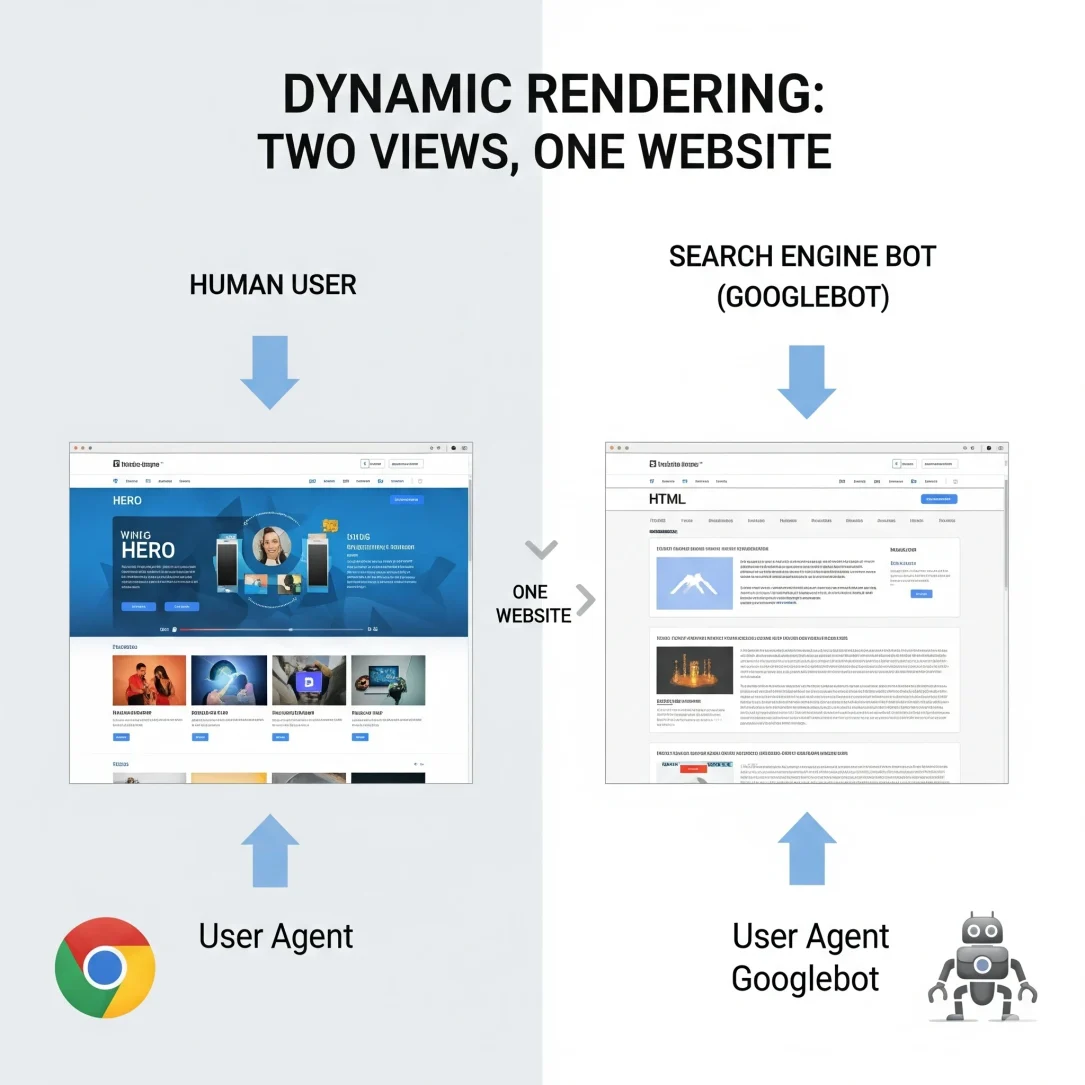
Think of it like this: Imagine you're hosting a grand international conference.
- For your human attendees, you provide a vibrant, interactive presentation with live Q&A, videos, and dynamic visuals. This is the client-side rendered (CSR) version of your website, full of JavaScript for rich user interactions.
- But for the official transcribers and archivists, who need a clear, static record for accurate documentation and future referencing, you provide a simplified, pre-written transcript of the entire presentation in plain text. This is the server-side rendered (SSR) static HTML version served to search engine bots.
In the world of websites, this means:
- Human users (browsers) receive the full, interactive JavaScript-driven version of your site, just as you designed it, with all its animations, dynamic content, and personalized features.
- Search engine bots (like Googlebot, Bingbot, etc.) receive a lightweight, pre-rendered static HTML version of the page. This version contains all the critical content, links, and metadata, but without the complex JavaScript that can sometimes hinder their crawling and indexing process.
This dual-delivery mechanism ensures that both your audience and the search engines get what they need to interact with and understand your content effectively.
Here's a quick comparison of what different audiences typically receive:
| Audience | Version Served | Key Characteristic |
|---|---|---|
| Human Users | Client-Side Rendered (JavaScript-heavy) | Interactive, dynamic, rich user experience |
| Search Engine Bots | Server-Side Rendered (Static HTML, pre-rendered) | Plain, crawlable, indexable content without JavaScript |
Why Do We Need Dynamic Rendering? The JavaScript SEO Challenge
To truly understand why dynamic rendering is important, we need to delve into the historical relationship between search engines and JavaScript.
In the early days of the web, most websites were built using static HTML and CSS. Search engine crawlers were designed to efficiently parse this kind of content, follow links, and build their indexes. However, as web technology evolved, JavaScript became increasingly central to creating modern, interactive web experiences. Single-Page Applications (SPAs) and highly dynamic content became commonplace.
The challenge arose because, for a long time, search engine bots struggled to fully "see" and execute JavaScript. They might crawl the initial HTML, but if significant content or links were loaded after the initial page render by JavaScript, these elements could be missed entirely. While Google has made significant strides in rendering JavaScript over the years, there are still limitations and costs associated with it at scale.
Consider these common issues that dynamic rendering aims to solve:
- Crawl Budget Limitations: Search engines have a "crawl budget" – a limited amount of time and resources they can spend on a website. If a bot has to spend excessive resources trying to process complex JavaScript, it might not crawl all your pages, leading to a significant portion of your site being "invisible" to search engines. Statistics suggest Google can fail to crawl over 50% of large websites due to these limits.
- Indexing Delays and Errors: Even if Googlebot eventually renders JavaScript, it can take time. This "second wave" of indexing means your content might not be discovered and ranked as quickly as you'd like. Sometimes, scripts might load incorrectly, or the rendering process might fail, leading to Googlebot receiving a blank page or incomplete content.
- Missing Critical SEO Elements: Key SEO elements like metadata, canonical tags, and even internal links embedded within JavaScript might be overlooked if the JavaScript isn't fully executed or understood by the crawler.
- Complex JavaScript Frameworks: Many modern websites use sophisticated JavaScript frameworks (like React, Angular, Vue.js). While powerful for user experience, these can present specific hurdles for crawlers.
In essence, dynamic rendering emerged as a practical workaround or intermediate solution to bridge this gap. It ensures that despite the rich, client-side interactivity, search engines still receive a clear, readily indexable version of your content.
How Does Dynamic Rendering Work? A Step-by-Step Breakdown
Understanding how dynamic rendering works involves a behind-the-scenes process where your web server plays a crucial role. It's not about creating entirely separate websites, but rather intelligently serving different representations of the same content.
The process typically involves these key steps:
-
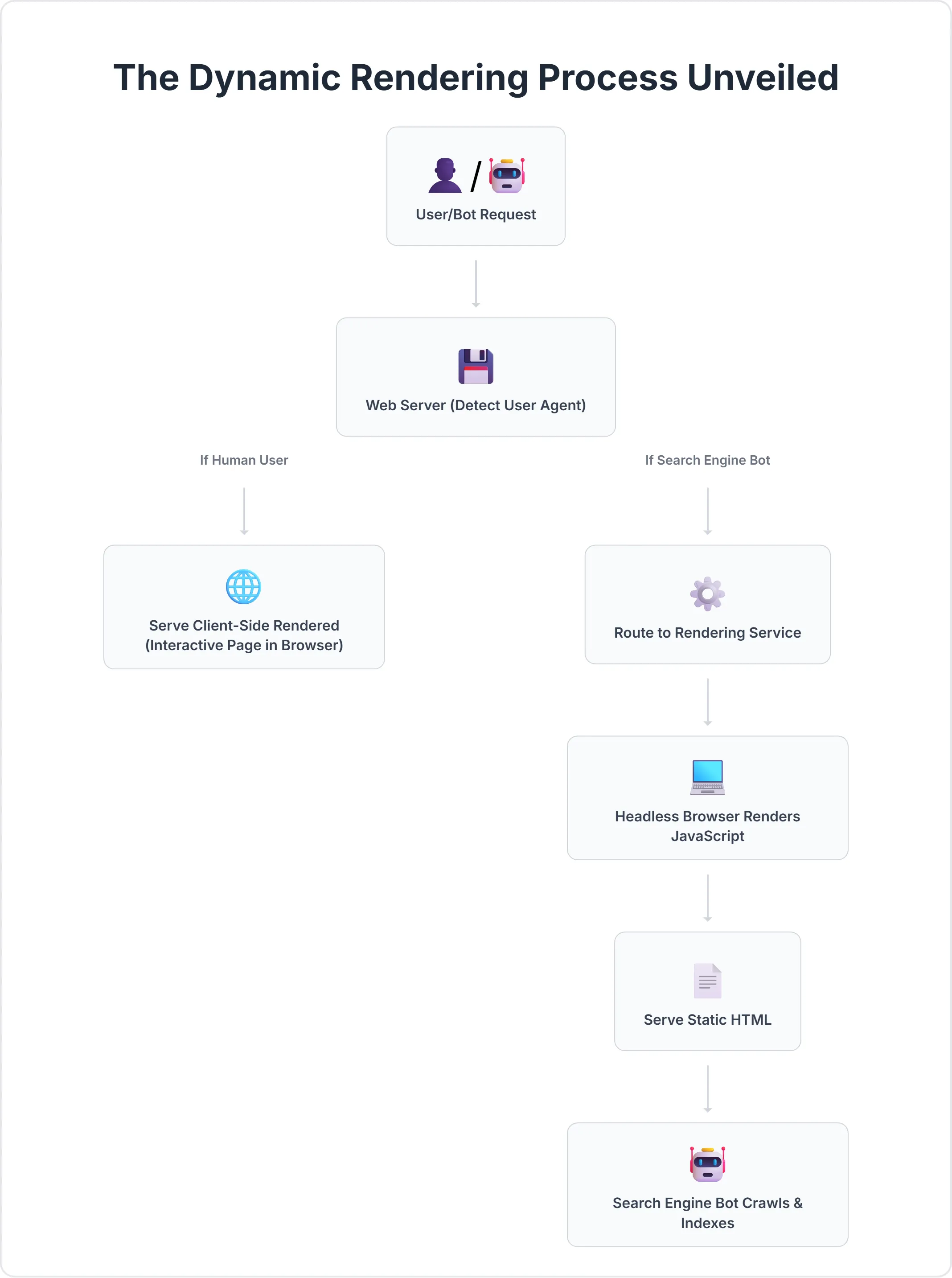
Request Initiation: A user or a search engine bot makes a request for a page on your website.
-
User Agent Detection: Your web server, or a specialized dynamic rendering service installed on your server, first examines the "user agent string" of the incoming request. This string identifies who is making the request – for example, a Chrome browser, a mobile Safari browser, Googlebot, Bingbot, etc.
-
Conditional Routing:
- If the request is from a human user's browser: The server identifies it as a standard user request. It then serves the regular client-side rendered (CSR) version of your page. This means the initial HTML might be minimal, and the user's browser will download and execute JavaScript to fetch and display the rest of the content and provide interactivity.
- If the request is from a recognized search engine bot: The server detects this specific user agent (e.g., "Googlebot"). Instead of sending the raw client-side code, it routes this request to a dedicated rendering service or a "headless browser" on the server.
-
Pre-rendering (for Bots): The rendering service, often a headless browser (a browser without a graphical user interface), executes all the JavaScript for that specific page on the server-side. It then captures the fully rendered HTML and CSS, effectively creating a "snapshot" of what the page looks like after all JavaScript has run. Important dynamic elements, text, and links are now present in the static HTML. Chat boxes or purely dynamic UI elements might be stripped out, providing a simplified version for the crawler.
- Serving the Static HTML (to Bots): This pre-rendered, static HTML version is then sent back to the search engine bot. Since it's plain HTML, the bot can easily parse, crawl, and index all the content without needing to execute complex JavaScript on its end. This static version is often cached for subsequent requests from the same bot, optimizing resource usage.
This intelligent routing allows your website to maintain its interactive appeal for users while simultaneously optimizing for search engine discoverability.
A Simplified Flowchart of Dynamic Rendering:
The Core Benefits of Dynamic Rendering for Your Website
Implementing dynamic rendering, even as a temporary measure, offers several significant advantages that directly impact your online visibility and user experience.
1. Enhanced Crawlability and Indexing for Search Engines: The most prominent benefit of dynamic rendering is its ability to make your JavaScript-heavy content readily accessible to search engine crawlers. Many modern websites rely on JavaScript to load content, but crawlers can sometimes struggle to process this dynamic information efficiently. By serving a pre-rendered, static HTML version, you ensure that bots can easily:
- Discover all your content: No more hidden text or links due to JavaScript execution issues.
- Understand your page structure: The HTML provided is clean and directly reflects the content intended for indexing.
- Access critical SEO elements: Metadata, schema markup, and internal links embedded in JavaScript become visible to crawlers. This leads to more of your pages being successfully included in the search engine index, increasing your potential for organic traffic.
2. Optimized Crawl Budget and Faster Indexing: Search engines operate with a "crawl budget," which dictates how many pages and how much time they allocate to crawling your site within a given period. JavaScript execution is resource-intensive for crawlers. By providing a static HTML version, dynamic rendering significantly reduces the processing effort required from the search engine's side. This means:
- More efficient crawling: Bots can parse static HTML much faster than executing JavaScript, allowing them to crawl more pages on your site within the same budget.
- Quicker content discovery: New or updated content can be discovered and indexed more rapidly because the crawl process is streamlined.
- Reduced server load (for the search engine): You're doing the heavy lifting of rendering on your server, saving Googlebot's resources, which Google appreciates.
3. Uncompromised User Experience: One of the major strengths of dynamic rendering is its "best of both worlds" approach. While optimizing for bots, you don't have to sacrifice the rich, interactive experience that users expect from modern websites.
- Full Interactivity for Users: Your human visitors continue to receive the client-side rendered version, complete with all JavaScript-driven animations, personalized content, and interactive features.
- Faster Perceived Load Times (for Users): Often, client-side rendering can lead to a perceived increase in speed for users once the initial load is complete, as much of the processing happens on their local machine.
- Zero Impact on User Experience: Dynamic rendering ensures that your efforts to optimize for crawlers have no negative impact on the real user experience.
4. Ideal for Dynamic Content and Specific Site Types: Dynamic rendering is particularly well-suited for certain types of websites and content scenarios:
- Large Sites with Rapidly Changing Content: E-commerce sites with frequently updated product inventories or news websites benefit from quick indexing to ensure their latest content is visible.
- Single Page Applications (SPAs): SPAs heavily rely on JavaScript to load content. Dynamic rendering provides a crucial solution for their SEO visibility.
- Websites with User-Generated Content: If your site features content that changes frequently based on user interactions or real-time data, dynamic rendering ensures search engines can keep up.
Here's a summary of the key benefits:
| Benefit | Description |
|---|---|
| Improved Crawlability | Bots access all content, including JavaScript-generated elements. |
| Faster Indexing | Content gets indexed more quickly due to reduced JavaScript processing for bots. |
| Optimized Crawl Budget | Search engines spend less time per page, crawling more of your site. |
| Enhanced User Experience | Users enjoy full interactivity without SEO compromises. |
| Supports Dynamic Content | Ideal for sites with frequently updated or personalized content. |
Is Dynamic Rendering a Permanent Solution? Understanding the Nuances
While dynamic rendering offers compelling benefits, it's crucial to understand Google's stance and the inherent complexities. Both Google and Bing have endorsed dynamic rendering, but primarily as a workaround or a temporary solution rather than a long-term, ideal rendering strategy.
Why is it often considered temporary?
-
Increased Complexity and Maintenance Burden: Implementing dynamic rendering means you are essentially maintaining two versions of your site's content: one for users and one for bots. This dual maintenance can be resource-intensive, time-consuming, and prone to errors. You need to verify separately that both versions are optimized and, crucially, that the content served to bots is genuinely representative of what users see (to avoid cloaking issues, although dynamic rendering itself is not cloaking if content is roughly the same). It requires a competent SEO and development team to manage.
-
Resource Consumption on Your Server: Generating and storing pre-rendered pages, especially for large, frequently updated websites, can demand significant server resources and processing power. This could potentially slow down your server if not properly managed.
-
Alternative, More Robust Solutions: Google increasingly recommends other rendering strategies as more sustainable long-term solutions, such as:
- Server-Side Rendering (SSR): Where the entire page is rendered on the server for all requests (both users and bots) before being sent to the browser. This offers excellent initial load performance and SEO benefits with a single codebase.
- Static Site Generation (SSG): Where entire pages are pre-built into static HTML files at build time. This is ideal for content that doesn't change frequently, offering maximum speed and security.
- Hydration: A technique where a client-side JavaScript application "takes over" a server-rendered HTML page, adding interactivity.
While dynamic rendering remains a powerful tool for addressing specific JavaScript SEO challenges, particularly for sites where a full SSR or SSG implementation is not immediately feasible due to engineering constraints or existing architecture, it's often seen as a stepping stone. It's a strategic move to ensure content visibility now while you potentially work towards a more unified rendering approach.
Ensuring Dynamic Rendering Success: Tools and Best Practices
Successfully implementing and maintaining dynamic rendering requires careful monitoring and robust tools. Since you're serving different versions, it's vital to ensure consistency and detect any issues that might arise.
Key Best Practices:
- Content Parity: Always ensure that the static HTML version served to bots contains all the relevant, indexable content that is visible to human users. Any significant discrepancies can lead to indexing issues or, in extreme cases, be flagged as cloaking.
- Crawl Budget Management: Even with dynamic rendering, keep an eye on your crawl budget. Ensure there are no unnecessary redirects or errors that could waste bot resources.
- Regular Auditing: Continuously monitor how search engines are perceiving and indexing your pages. This involves looking for rendering errors, content omissions, and performance issues specific to bot crawling.
- Mobile and Desktop Considerations: Search engines primarily crawl the mobile version of your site. Ensure your dynamic rendering solution is effectively serving mobile-optimized content to mobile bots.
How Modern Platforms Like Digispot AI Can Help:
This is precisely where sophisticated platforms like Digispot AI become indispensable, transforming complex technical SEO challenges like dynamic rendering into manageable processes. Their comprehensive approach to website auditing and performance monitoring can be a game-changer for businesses aiming to rank better.
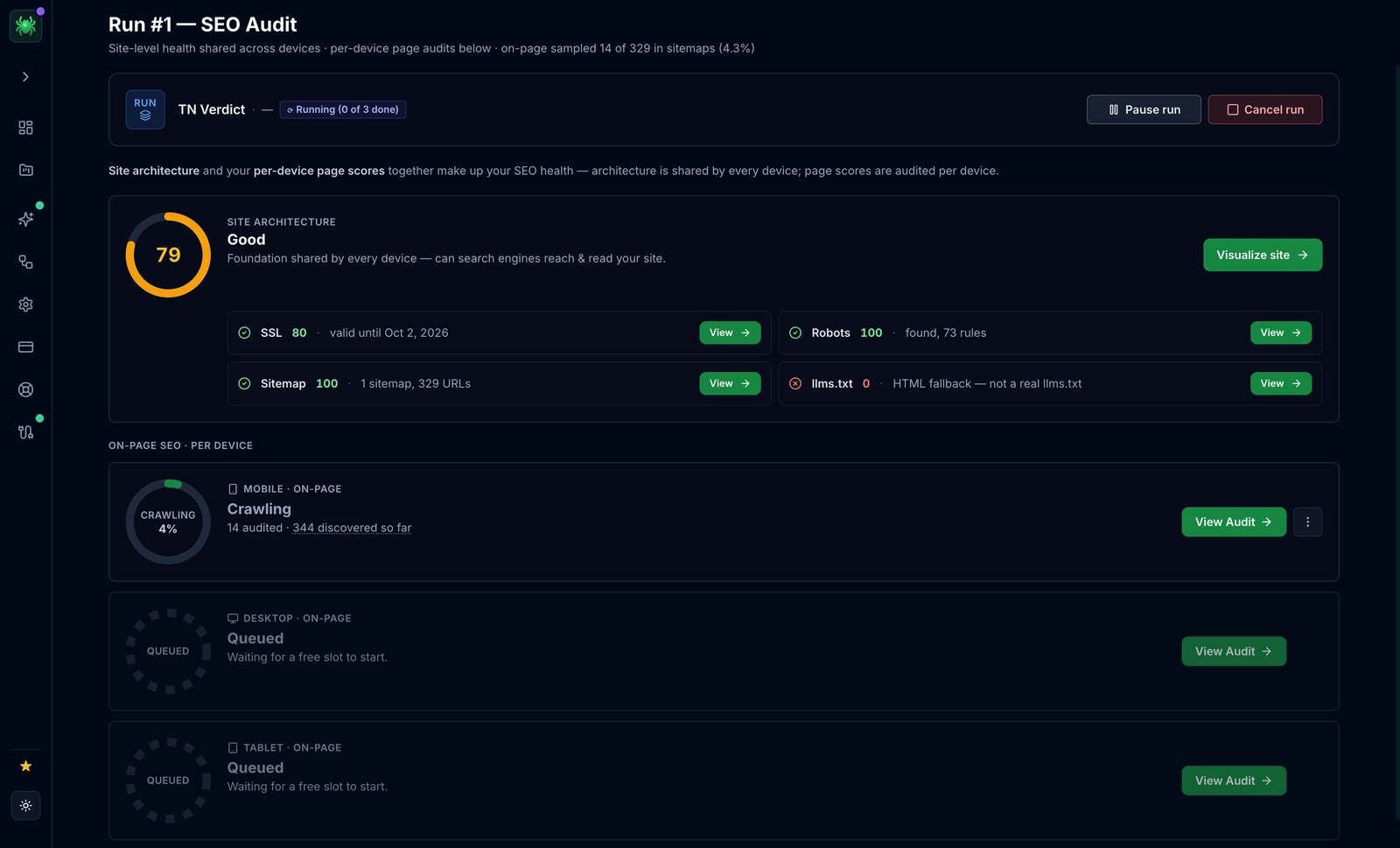
- Deep-Dive Website Auditing: Digispot AI excels at auditing websites in both mobile and desktop modes, meticulously identifying issues that might impact your SEO. This includes potential rendering problems where content might not be fully accessible to bots, or where performance bottlenecks are hindering user experience [Business Description]. Such insights are critical for ensuring your dynamic rendering setup is working as intended, and that the two versions of your site are performing optimally for their respective audiences.
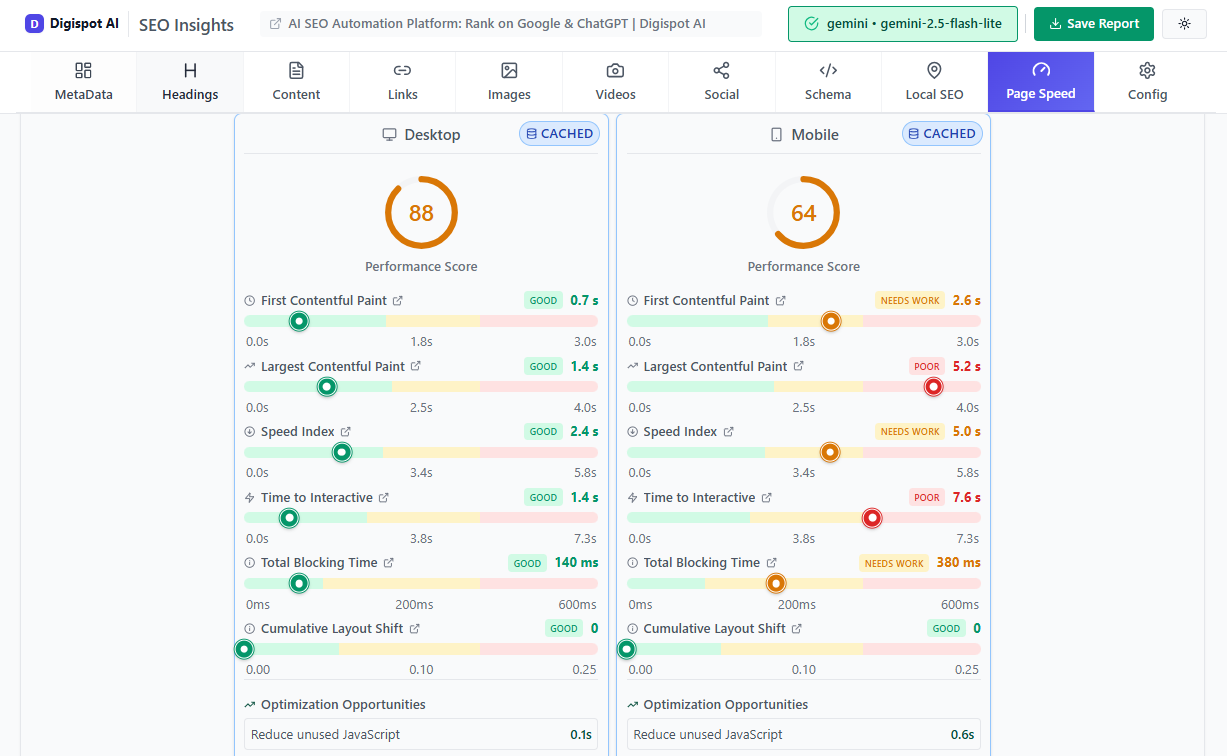
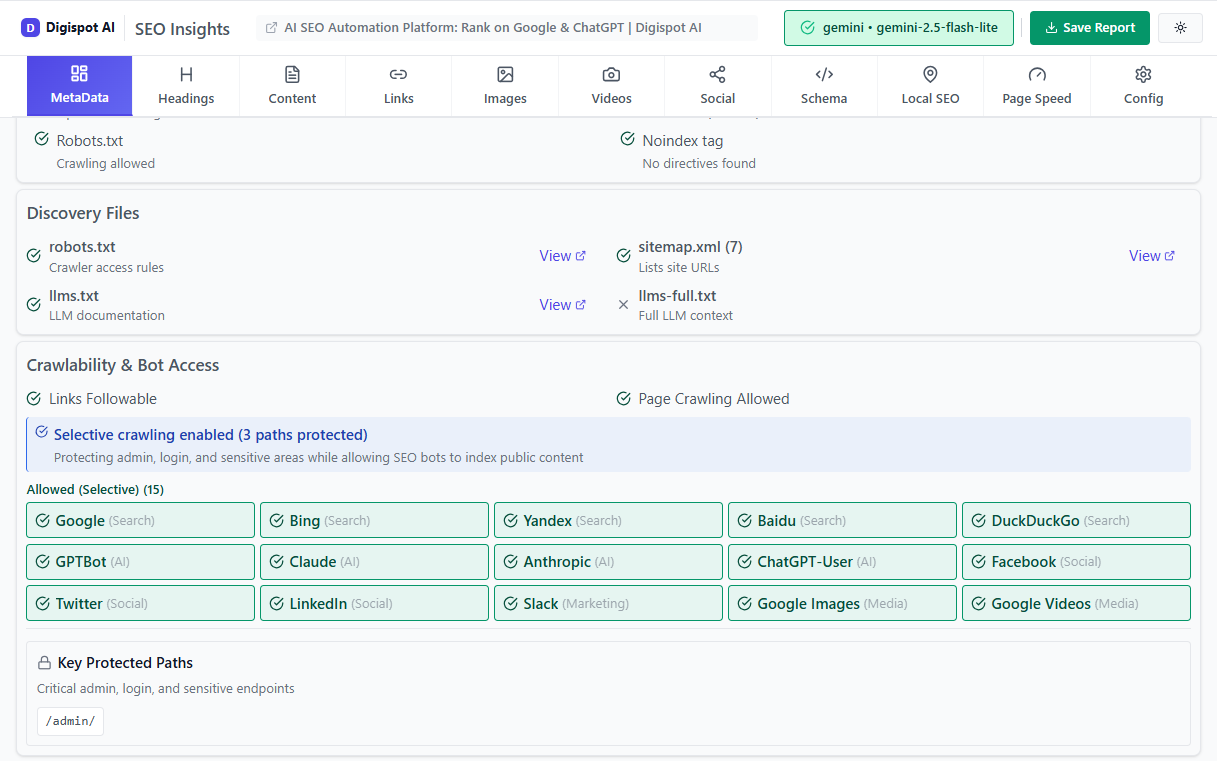
Turn invisible SEO data into clear visuals with our Free Chrome extension.
- Free Community Chrome Extension for On-the-Fly Audits: Imagine being able to instantly audit any webpage you're on, right within your browser. The Digispot AI free community Chrome extension offers precisely this capability, powered by popular LLM models. It's an invaluable tool for quick checks, allowing you to:
- Visualize Bot Perception: See what search engines truly "see" on your page, helping you confirm that your dynamically rendered HTML is accurate and complete.
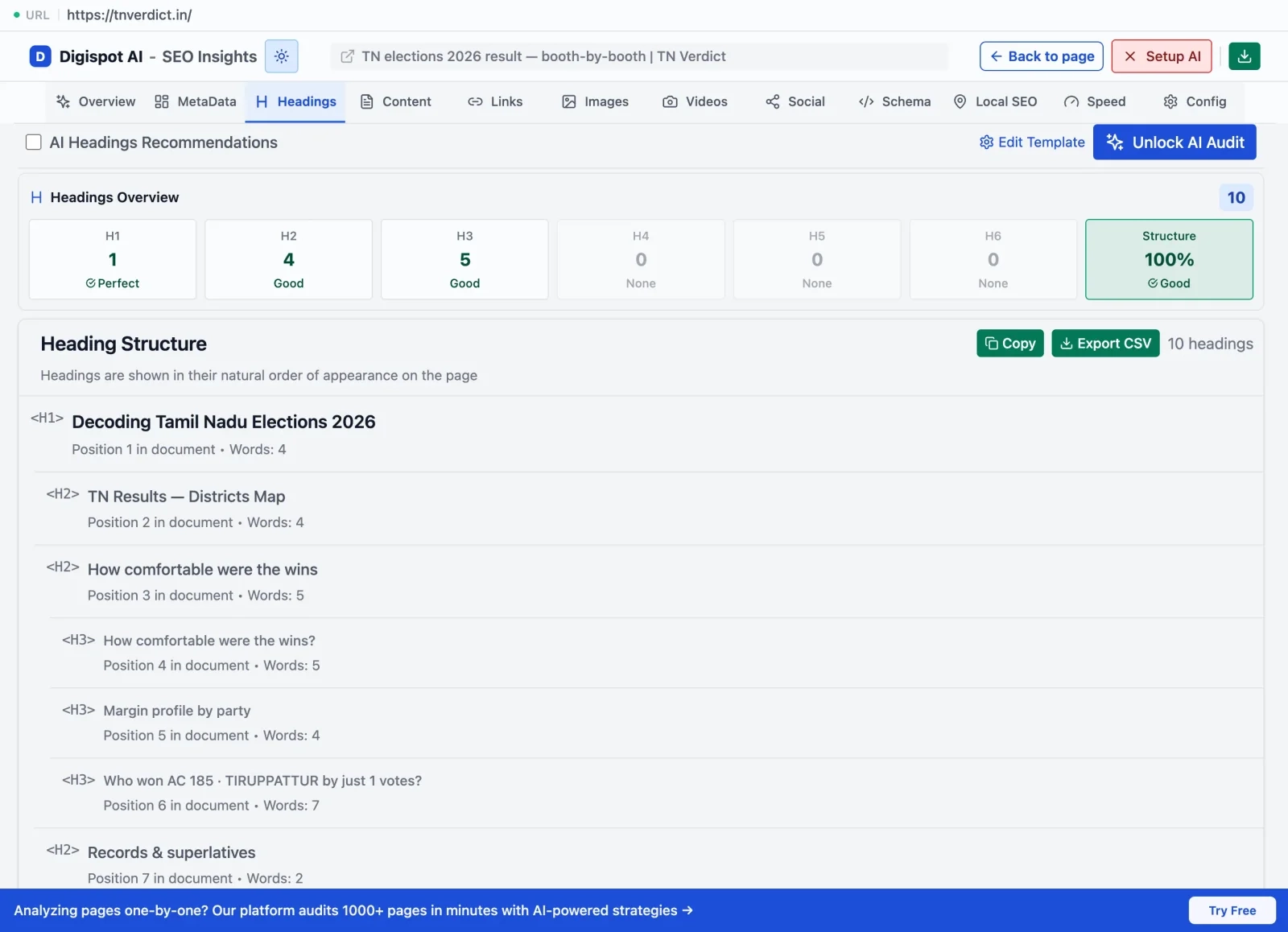
- Detect Schema Markup: Verify that your structured data (schema markup) is correctly implemented and visible in the bot-friendly version, which is crucial for rich results in SERPs.
- Identify Issues Instantly: Quickly audit for common technical SEO problems, providing real-time detection and visualization of potential issues that might arise from complex rendering.
-
Seamless Integration with Google Search Console & Google Analytics: Effective SEO isn't just about implementing changes; it's about tracking their impact. Digispot AI’s integration with Google Search Console (GSC) and Google Analytics provides a unified dashboard to monitor performance [Business Description]. With GSC, you can directly see how Googlebot is crawling and rendering your pages, identifying any "Page indexed without content" or rendering errors. Combined with Analytics, you can track traffic trends, user engagement, and conversion rates, allowing you to gauge the real business outcomes of your dynamic rendering efforts—such as improved visibility, increased traffic, and more leads [Business Description].
-
Beyond Rendering: A Holistic Approach to SEO: Once your pages are perfectly indexable through strategies like dynamic rendering, the next step is to maximize their ranking potential. Digispot AI's robust platform analyzes over 300+ ranking factors, including content quality, technical SEO health (like rendering), local SEO, and page performance [Business Description]. Their Opportunity Finder helps you spot lucrative keyword gaps and content areas, while the Content Studio, powered by AI agents, assists in generating high-quality, SEO-optimized content that truly resonates with both users and algorithms [Business Description]. This holistic approach ensures that your technical foundation supports your content strategy, leading to sustained growth.
In essence, Digispot AI brings all SEO best practices into an automated and user-friendly model, enabling you to operate at scale with accuracy, helping to save time and costs, and ultimately improving your business visibility [Business Description].
Who Benefits Most from Dynamic Rendering?
While dynamic rendering isn't a universal requirement for every website, it offers significant advantages for specific types of sites:
- Large, JavaScript-Heavy Websites: If your site has thousands or millions of pages heavily built with JavaScript frameworks (like React, Angular, Vue.js), dynamic rendering can be a lifesaver for ensuring all content gets indexed.
- Single-Page Applications (SPAs): SPAs, by their nature, rely extensively on JavaScript to load content dynamically. Dynamic rendering is a go-to solution for ensuring their content is discoverable in search.
- Websites with Rapidly Changing or User-Specific Content: News portals, e-commerce sites with frequently updated stock, or platforms with personalized user dashboards benefit from dynamic rendering to ensure the latest content is quickly indexed and relevant for search queries.
- Sites with Limited Engineering Resources for Full SSR/SSG: If implementing a complete server-side rendering or static site generation solution is a massive undertaking due to existing architecture or team bandwidth, dynamic rendering can provide an effective interim solution.
- Social Media and Chat Applications: These platforms often rely on JavaScript for dynamic content, and dynamic rendering ensures that search engines can access and index their pages effectively.
Conclusion
Dynamic rendering serves as a critical bridge in the complex world of modern web development and SEO. It allows websites to deliver rich, interactive experiences to users while simultaneously providing search engine crawlers with the static, easily indexable HTML they need to understand and rank your content. While Google increasingly advocates for more integrated rendering solutions like server-side rendering, dynamic rendering remains a highly effective workaround for JavaScript SEO challenges, particularly for large and dynamic websites.
Mastering this technique ensures that your content is visible to search engines, helping to improve your business visibility, increase organic traffic, and generate valuable leads. By leveraging advanced SEO platforms like Digispot AI, with their comprehensive auditing, seamless integrations, and content optimization tools, businesses can navigate the complexities of dynamic rendering and other technical SEO aspects with greater ease and accuracy, ultimately achieving their online growth objectives.
Related deep-dives
Continue with these closely related guides:
- what is technical seo? — What Is Technical SEO? The Complete Engineering Guide to Search Visibility
- javascript seo — JavaScript SEO - Complete Guide for Modern Web Apps
- react seo — React SEO: The Complete Guide to Optimizing React Apps (2026)
References
- Understand JavaScript SEO basics | Google Search Central
- Dynamic rendering | Google Search Central
- Choose a rendering solution for your dynamic website | Google Search Central
- Google Search Console
- Google Analytics
- Crawl Budget Management For Large Sites | Google Search Central
- Digispot AI - FREE On Page SEO Audit Tool
- Digispot AI - FREE Chrome Extension for SEO Insights
Audit any page in seconds
300+ SEO checks including Core Web Vitals, schema markup, meta tags, and AI readiness — trusted by 1000+ SEO experts and marketers.
Frequently Asked Questions
Here are some of our most commonly asked questions. If you need more help, feel free to reach out to us.
Written by
Maya Krishnan
Digital growth expert
Maya is a seasoned expert in web development, SEO, and digital strategy, dedicated to helping businesses achieve sustainable growth online. With a blend of technical expertise and strategic insight, she specializes in creating optimized web solutions, enhancing user experiences, and driving data-driven results. A trusted voice in the industry, Maya simplifies complex digital concepts through her writing, empowering readers with actionable strategies to thrive in the ever-evolving digital landscape.