
G2 Platform SEO: Boost Rankings with Backlinks & Reviews
Learn how to leverage G2 for SEO. Discover how backlinks, reviews, and profile optimization on G2 can improve your brand authority and search rankings.
 Maya Krishnan
Dominating the B2B software market requires more than just shipping great code; it demands visibility where decisions are actually made. When a potential buyer searches for "best CRM for small business" or "marketing automation tools," they rarely land on a vendor's homepage first. They land on G2.
G2 has evolved from a simple review site into a massive search engine in its own right—a gatekeeper of trust for millions of monthly buyers. For B2B marketers and SEOs, this presents a dual challenge: you must win the algorithm on Google and the algorithm on G2. This is the essence of G2 Platform SEO.
Mastering this specific discipline does more than just earn you a shiny badge. It drives high-intent traffic, builds resilient backlink profiles, and increasingly, feeds the data used by AI search engines like ChatGPT and Perplexity. If your brand is invisible on G2, you are invisible to the modern software buyer. G2 is just one channel in the wider discipline of link building in SEO, and it works best as part of a diversified profile.
This guide provides a tactical blueprint for G2 Platform SEO. We will break down the ranking factors, explore advanced profile optimization, and show you how to leverage tools like Digispot AI to boost the "Market Presence" signals that G2's algorithm craves.
Key Takeaways
- Win two algorithms at once: G2 rankings hinge on Customer Satisfaction (recent, detailed, verified reviews) and Market Presence (your web footprint), so on-site SEO and review generation are not separate projects—they feed each other.
- Treat backlinks as signals, not shortcuts: Most G2 badge and profile links are nofollow, so the real link-building payoff is the editorial mentions and roundup inclusions a strong G2 presence earns from other domains.
- Automate review velocity, ethically: Request reviews at moments of delivered value and offer incentives to every customer equally—never gate for happy customers only, which violates G2 and FTC rules.
- Optimize your own site to lift Market Presence: Fixing technical SEO, Core Web Vitals, and internal links raises the traffic and authority signals G2 aggregates into your Grid position.
- Sprint before quarterly cutoffs: G2 refreshes reports each season, so concentrated review pushes about four weeks before the cutoff can move you into a badge tier just in time for publication.
What is G2 and Why is G2 Platform SEO Important?
G2 is the world's largest tech marketplace where businesses can discover, review, and manage the software they need. Unlike traditional analyst reports (like Gartner or Forrester) which can be pay-to-play or limited to enterprise giants, G2 relies on peer-to-peer feedback. It democratizes reputation, allowing a nimble startup with 50 raving fans to outrank a legacy giant with poor customer service.
G2 Platform SEO is the practice of optimizing your brand's listing to maximize visibility within G2's internal search and category grids, while simultaneously leveraging that profile to dominate traditional search engine results pages (SERPs).
The Strategic Value of G2 for B2B
Why should you dedicate resources here? The impact on your funnel is measurable and significant:
- SERP Domination: Search for almost any "Best [Category] Software" keyword. G2 category pages usually occupy the top three positions. If you can't beat them, join them. Ranking #1 in a G2 category often drives more referral traffic than ranking #1 for your own brand name.
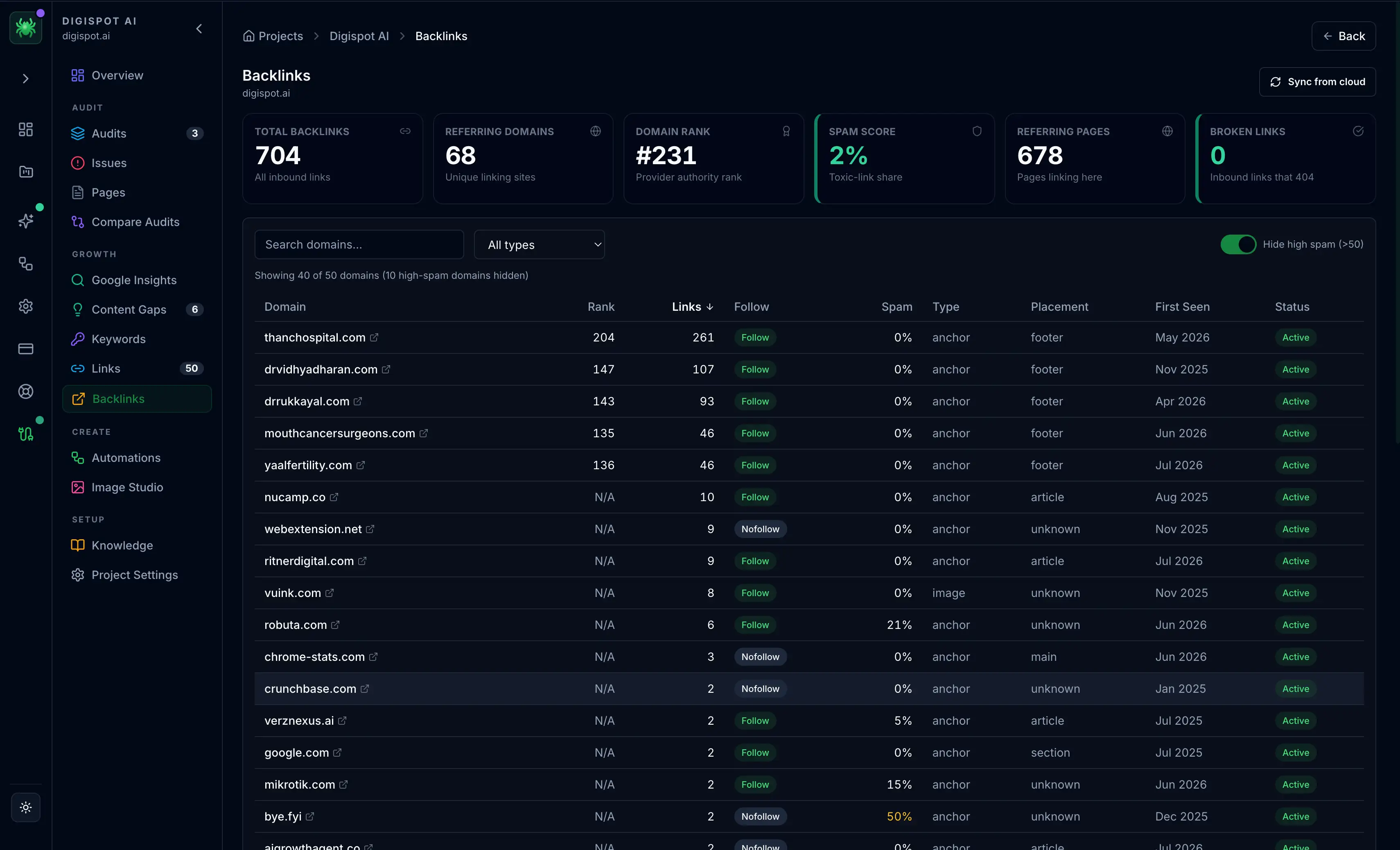
- High-Authority Backlinks: G2 profiles are high-authority pages. Links from G2 (via badges or profile links) carry significant weight. Furthermore, a strong G2 presence encourages third-party bloggers to include you in their "Top 10" listicles, generating organic free quality backlinks from other domains.
- Conversion Catalyst: Traffic from G2 has high purchase intent. These users are not browsing for fun; they are comparing features, pricing, and social proof. They are bottom-of-funnel prospects ready to demo or buy.
- AI Search Visibility (AEO): Large Language Models (LLMs) treat G2 data as a "ground truth" for B2B software. When a user asks an AI agent, "What is the most user-friendly accounting software?", the AI often pulls sentiment data directly from aggregated review sites like G2. Optimizing for G2 is optimizing for the future of search.
Understanding G2's Ranking Mechanism: The Algorithm Decoded
You cannot game the system, but you can certainly engineer success if you understand the rules. G2's proprietary algorithm determines your position on the famous "G2 Grid®" based on two primary axes: Customer Satisfaction and Market Presence.
Understanding these inputs allows you to reverse-engineer your way to the "Leader" quadrant.
1. Customer Satisfaction (The "X" Axis)
This score is derived entirely from user feedback. However, not all reviews are created equal. The algorithm uses a sophisticated weighting system:
- Recency is King: A 5-star review from 2022 holds a fraction of the weight of a 4-star review from last week. G2 applies a decay factor to older reviews to ensure rankings reflect the current state of your product. This necessitates a strategy of "always-on" review generation rather than sporadic campaigns.
- Depth and Specificity: "Great tool, love it" does little for your ranking. G2 rewards reviews that answer specific questions (e.g., "What problems is the product solving and how is that benefiting you?"). The algorithm parses text for keyword density and sentiment depth.
- Reviewer Authority: Reviews from validated LinkedIn users or business emails carry more weight than unverified sources. Reviews from enterprise users (companies with >1000 employees) may weigh differently depending on the category.
- Net Promoter Score (NPS): The likelihood of a user recommending your product is a heavy weighting factor. A high volume of reviews with a low NPS will hurt, not help, your standing.
2. Market Presence (The "Y" Axis)
This is where traditional SEO and G2 SEO collide. Market Presence measures your footprint outside of the G2 platform. This score is often the stumbling block for smaller companies with great products but low brand awareness.
G2 aggregates data from 3rd-party sources and social networks to calculate this score. Key factors include:
- Web Presence: G2 looks at metrics that correlate with domain authority, organic traffic, and search visibility. This means if your main website has poor SEO, it drags down your G2 ranking. A healthier backlink profile on your own domain is one of the most direct ways to move this signal.
- Employee Count & Growth: Data pulled from LinkedIn and Crunchbase regarding your company size and hiring velocity.
- Social Following: The size and engagement of your audience on platforms like LinkedIn and X (formerly Twitter).
- Brand Mentions: How often your brand is discussed on the web.
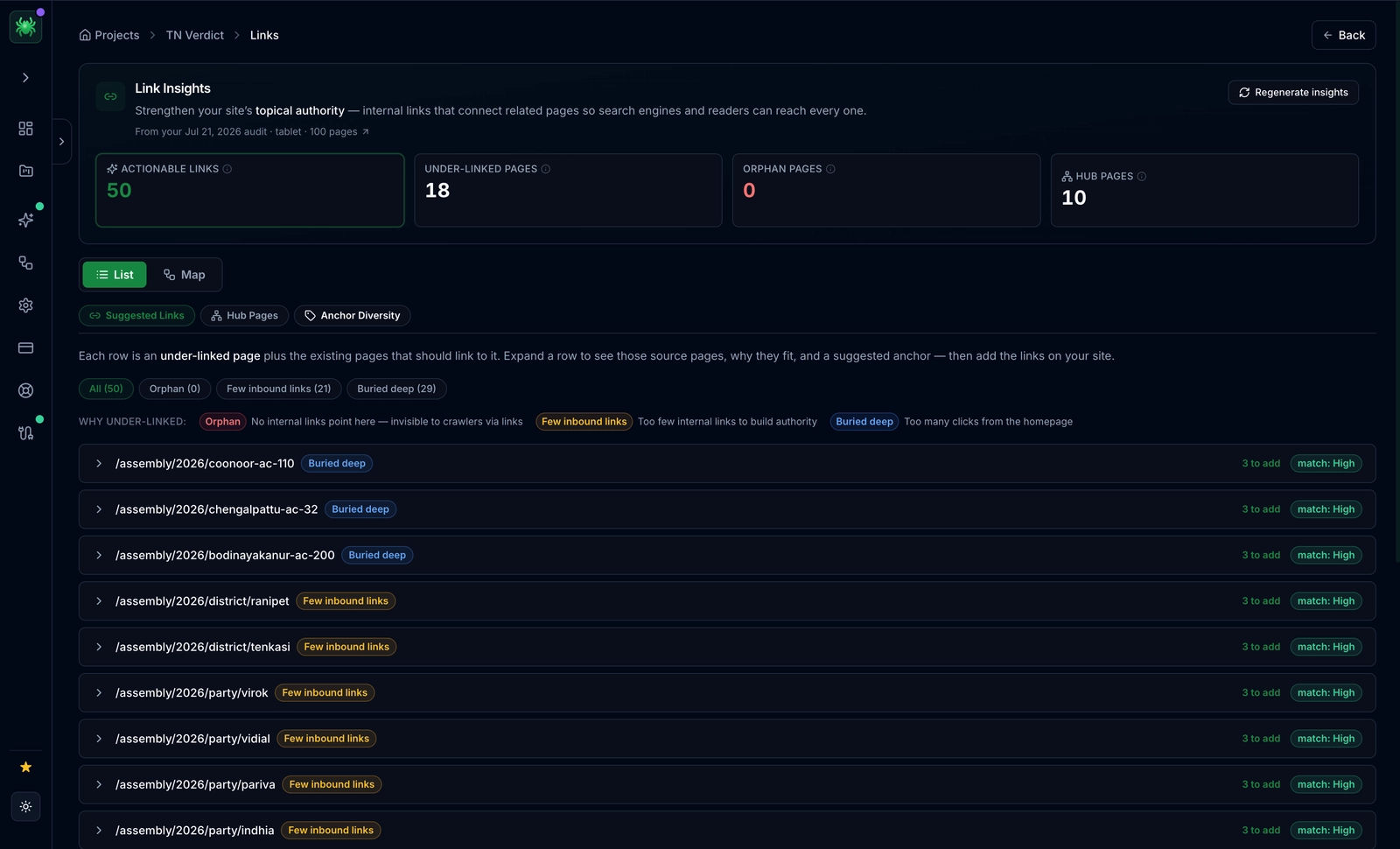
Actionable Insight: Improving your own website's technical SEO directly impacts your G2 Market Presence score. Digispot AI can help you identify and fix these issues automatically with AI-powered audits analyzing 300+ ranking factors, ensuring your web presence signal is as strong as possible.
Table: G2 Ranking Factors Breakdown
| Ranking Component | Critical Success Factors | Optimization Lever |
|---|---|---|
| Customer Satisfaction |
| Implement automated post-onboarding review requests. Incentivize detailed responses ethically. |
| Market Presence |
| Audit your main site for SEO health. Run PR campaigns for brand mentions. Improve social engagement. |
Key Pillars of G2 Platform SEO: Your Optimization Blueprint
Knowing the factors is one thing; executing them is another. Here is a step-by-step blueprint to optimizing your G2 presence.
1. Optimize Your G2 Profile Information: The Foundation
Your profile is a landing page. Treat it with the same SEO rigor you would apply to your homepage.
- Product Name and Description:
- The Hook: Your first sentence must be a value proposition, not fluff. "Digispot AI is an all-in-one SEO platform..." is better than "We believe in the power of search...".
- Semantic Keywords: Don't just stuff keywords; use LSI (Latent Semantic Indexing) terms. If you sell "Email Marketing Software," also include terms like "automation workflows," "drip campaigns," "newsletter templates," and "subscriber segmentation." This helps G2's internal search and Google's crawlers understand your relevance.
- Category Precision:
- Being a small fish in a big pond (e.g., "CRM") is hard. Being a shark in a small pond (e.g., "Real Estate CRM") is easier. Select categories where you can realistically compete for the top 5 spots. You can be in multiple categories, but ensure you have features to back them up.
- Visual Assets:
- Upload screenshots that actually show the UI, not just marketing graphics. Buyers want to see the dashboard.
- Video: Video retention is a huge engagement signal. Add a concise explainer video (under 90 seconds) and deep-dive demo videos for specific features.
2. Harness the Power of Reviews: Your Social Proof Engine
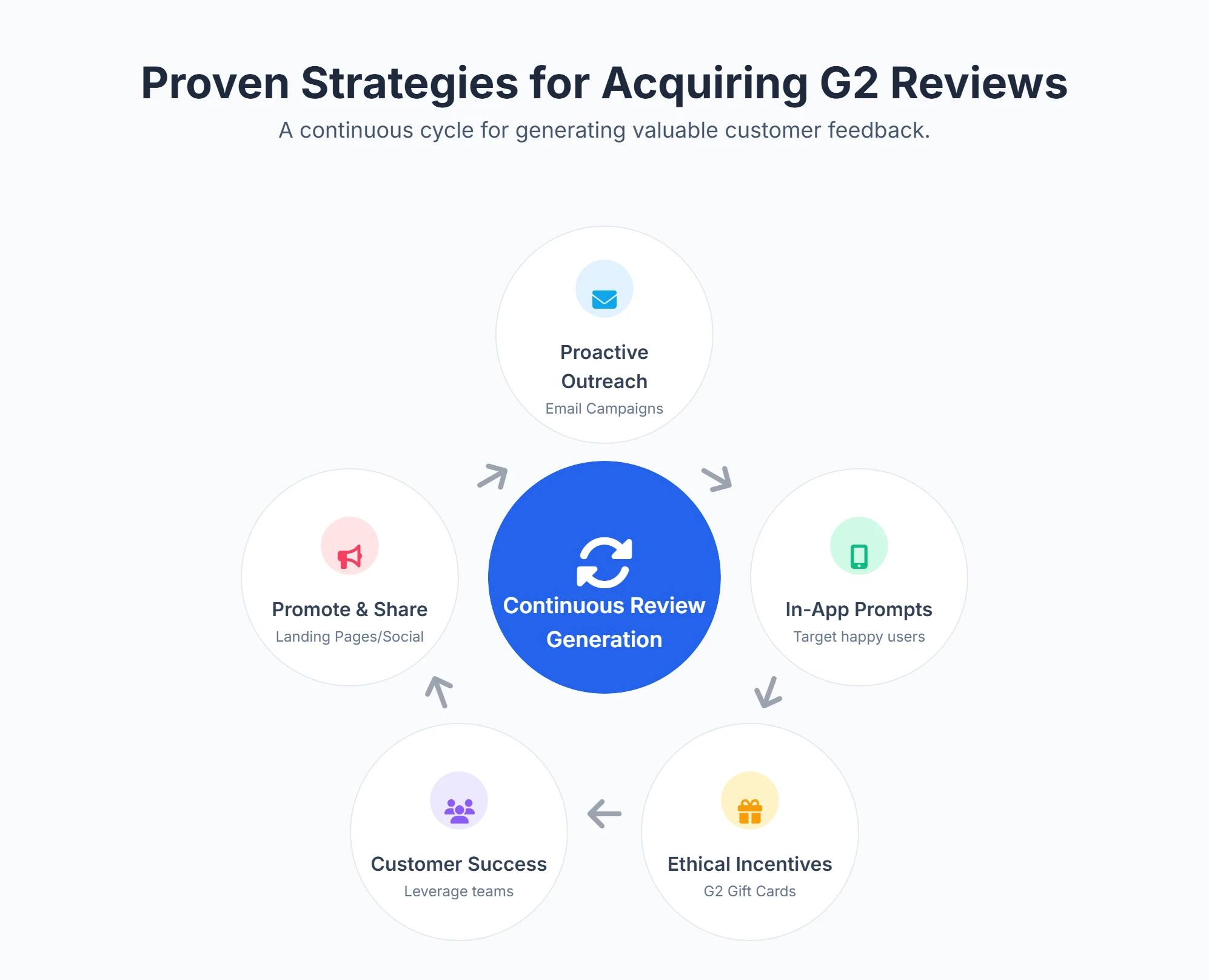
Reviews are the fuel for your G2 engine. Without a steady supply, your engine stalls.
- The "Golden Window" for Requests: Timing is everything. Do not ask for a review immediately after signup. Ask when value is delivered—after a support ticket is successfully resolved, after they hit a usage milestone (e.g., "You just sent your 1,000th email!"), or after a positive NPS survey response.
- Ethical Incentives: G2 allows incentives (like gift cards), but they must be offered to everyone, regardless of whether the review is positive or negative. "Review gating"—only asking happy customers—is against policy and can get you banned.
- The "Helper" Strategy: When asking for reviews, guide the user. Don't tell them what to say, but tell them what to cover.
- Bad ask: "Please review us."
- Good ask: "Could you share your experience with our new Reporting feature? Specifically, how much time has it saved your team?" This prompts the detailed, keyword-rich content that algorithms love.
3. Keyword Research for G2: Speaking Your Buyer's Language
Keyword research on G2 differs from Google. On Google, people search for answers. On G2, they search for capabilities.
- Analyze Competitor Profiles: Go to your top competitor's G2 page. Look at the "Popular Mentions" section. These are the keywords frequently appearing in their reviews. If your competitor is ranking for "easy integration," and you aren't, you need to encourage your customers to discuss integrations in their reviews.
- Use the G2 Search Bar: Start typing your category name. The autosuggest results are high-volume queries. If you type "Project Management" and it suggests "for creative agencies," and you serve that niche, ensure that phrase is in your headline.
- Bridge the Gap: Use your G2 profile to rank for keywords your main site struggles with. Your new startup might not rank for "Enterprise ERP," but your G2 profile—bolstered by G2's massive domain authority—might.
4. Content within Your G2 Profile: Show, Don't Just Tell
Your G2 profile supports rich media. Use it to increase "Dwell Time," a metric that likely correlates with engagement scores.
- PDFs and Whitepapers: Upload your pricing guides, implementation checklists, or case studies directly to the profile. This keeps users on your page longer. Name the files descriptively (for example, "digispot-implementation-checklist.pdf" rather than "doc1.pdf") and lead with the assets a bottom-of-funnel buyer needs most—pricing and ROI proof—since those are the questions that stall a deal.
- Interactive Demos: If G2 supports interactive tour embeds (via tools like Navattic or Walnut), use them. Letting a buyer "click around" your product inside the review site is a massive conversion driver. Point the tour at the one or two workflows that most clearly differentiate you from the alternatives buyers are comparing you against, rather than a generic feature grand tour.
5. User Engagement and Activity
An active profile is a ranking profile. G2 rewards vendors who treat their listing as a live channel rather than a static brochure, and the same principles that power user-generated content for SEO apply here: fresh, human contributions signal relevance.
- Discussions and Q&A: G2 has a community discussion feature. Participate. If a user asks a question on your profile or a competitor's profile (where allowed), provide a helpful, non-salesy answer. Aim to respond within 24–48 hours—prospects reading the thread later see a vendor who is present and attentive, which reduces the perceived risk of buying. Seed the section yourself by turning your most common sales objections into questions and answering them thoroughly.
- Respond to every review: Reply to all reviews, not just the negative ones. Thank positive reviewers by name and reference a specific detail they mentioned; for critical reviews, acknowledge the issue, describe the fix or workaround, and avoid defensiveness. Public, thoughtful responses are one of the strongest trust signals a buyer weighs, and they keep the review thread fresh.
- Feature Completeness: G2 lists hundreds of features per category. Ensure you have checked off every single feature your product supports. A missing checkmark can filter you out of a buyer's search results entirely. Re-audit this list every product release—new capabilities you ship silently are invisible to the buyers filtering on them. Keep pricing and integration fields current for the same reason.
Table: G2 Platform SEO Best Practices
| Category | What to Do | How It Helps |
|---|---|---|
| Profile Info | Write objective, keyword-rich descriptions (250-500 words). Use LSI keywords (e.g., "marketing automation" + "drip campaigns"). Upload valid screenshots. | Improves relevance for internal search and Google crawling. Builds trust by showing the actual product interface. |
| Reviews | Automate review requests based on usage milestones. Use "helper" prompts to encourage detail. Respond to 100% of reviews. | Boosts Satisfaction score. Fresh content signals relevance. detailed reviews rank for long-tail keywords. |
| Keywords | Mine competitor "Popular Mentions" for gaps. Optimize profile headers for high-volume category terms. | Increases visibility for specific feature searches (e.g., "CRM with Outlook integration"). |
| Engagement | Fill out 100% of feature checklists. participate in Q&A. Update pricing info quarterly. | Prevents being filtered out by buyers using feature filters. specific pricing builds trust and click-through. |
Why Master G2 Platform SEO? The Tangible Benefits
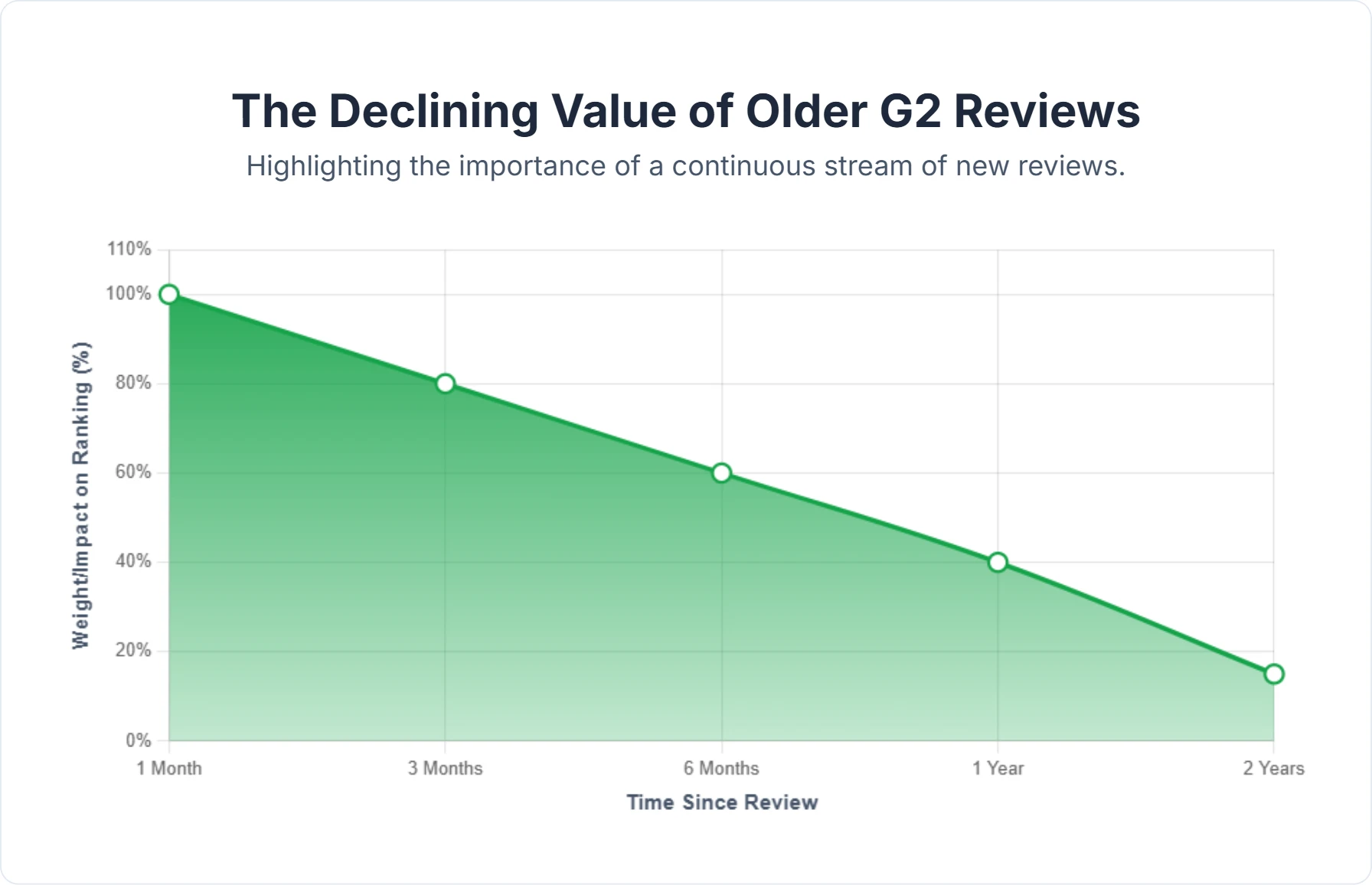
The chart above illustrates a frightening reality: review volume naturally decays. If you stop filling the funnel, your visibility drops precipitously. However, maintaining this effort yields massive ROI.
- Trust at Scale: 92% of B2B buyers are more likely to purchase after reading a trusted review. G2 provides this trust at a scale no single case study can match.
- Shortening the Sales Cycle: Prospects who come from G2 are educated. They know your pros, your cons, and your pricing. They skip the "What do you do?" phase and jump straight to "Will this work for my specific use case?"
- Defensive SEO: Ranking for your own brand name on G2 prevents competitors from bidding on your brand keywords effectively. If you own the top organic spots for "[Your Brand] Reviews," you control the narrative.
The Evolving Buyer Journey and AI's Influence: A Modern Imperative
The B2B buyer journey is no longer linear, and it is no longer human-only. We are entering the era of AEO (Answer Engine Optimization).
When a user asks ChatGPT, "Compare Digispot AI vs SEMrush for technical audits," where does the AI get its answer? It reads the open web, heavily weighting structured, authoritative text. G2 reviews are a primary data source for these models.
If your G2 profile is sparse, or your reviews lack detail, AI models will hallucinate or simply ignore you. By optimizing your G2 profile with detailed feature descriptions and encouraging users to write specific, comparative reviews, you are literally teaching the AI how to sell your product.
This makes G2 Platform SEO a dual-threat strategy: it captures human buyers today and trains the AI agents of tomorrow. For more on preparing for this shift, read about building an SEO platform for the AI era.
How Digispot AI Complements Your G2 Platform SEO Efforts
While G2 handles the external reputation, you cannot neglect the "Market Presence" half of the algorithm. This is where your owned media—your website—must perform perfectly. A powerful AI SEO platform like Digispot.ai provides the infrastructure to boost these signals.
1. Holistic Website Auditing for Market Presence
G2's algorithm looks at your domain authority and web traffic estimates. A slow, broken website hurts these metrics.
- Technical Health: Digispot AI audits 300+ ranking factors. It finds broken links that leak link equity, slow loading pages that kill bounce rates, and mobile usability issues that hurt Google rankings. Fixing these raises your overall SEO profile, which in turn lifts your G2 Market Presence score.
- Core Web Vitals: Google (and likely G2's data providers) cares about user experience. Use Digispot to ensure your On-Page SEO Best Practices are met, keeping visitors on your site longer.
2. The Content Studio: Fueling the Narrative
You need content on your site that drives traffic.
- Targeting Comparison Keywords: Use Digispot's AI content agents to generate comparison articles ("Us vs Competitor") on your own blog. These articles can link to your G2 profile for validation.
- Topic Clusters: Build authority around your category. If you sell accounting software, Digispot can help you map out a "Tax Compliance" content cluster. As you rank for these terms, your traffic grows, and your G2 Market Presence expands.
3. Competitor Intelligence via Chrome Extension
You need to know who you are fighting against.
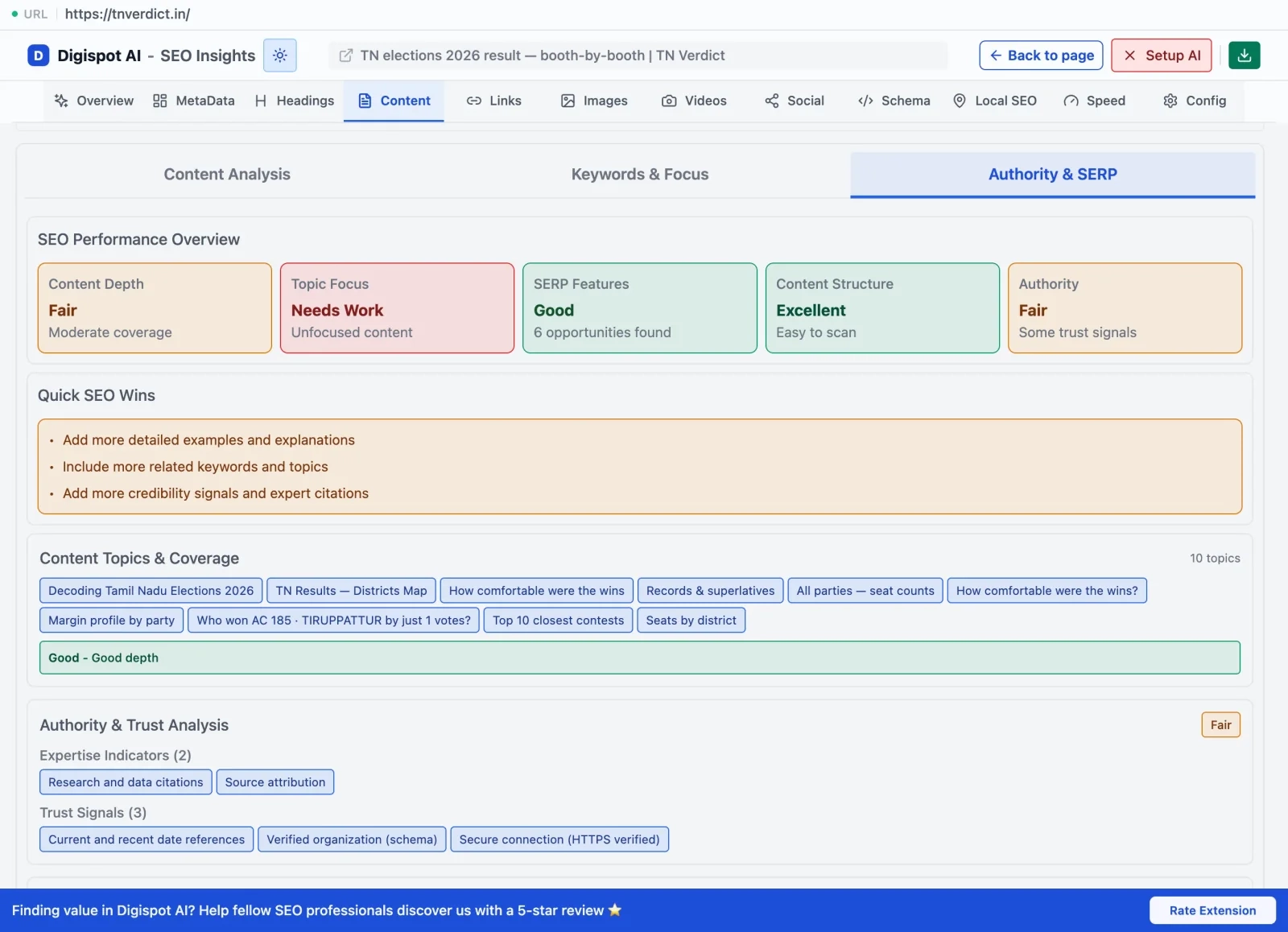
- Instant Analysis: Use the free Digispot Chrome extension while browsing a competitor's website. Check their schema markup, meta tags, and content structure. Are they using specific keywords you missed? Are they linking to their G2 profile in their footer?
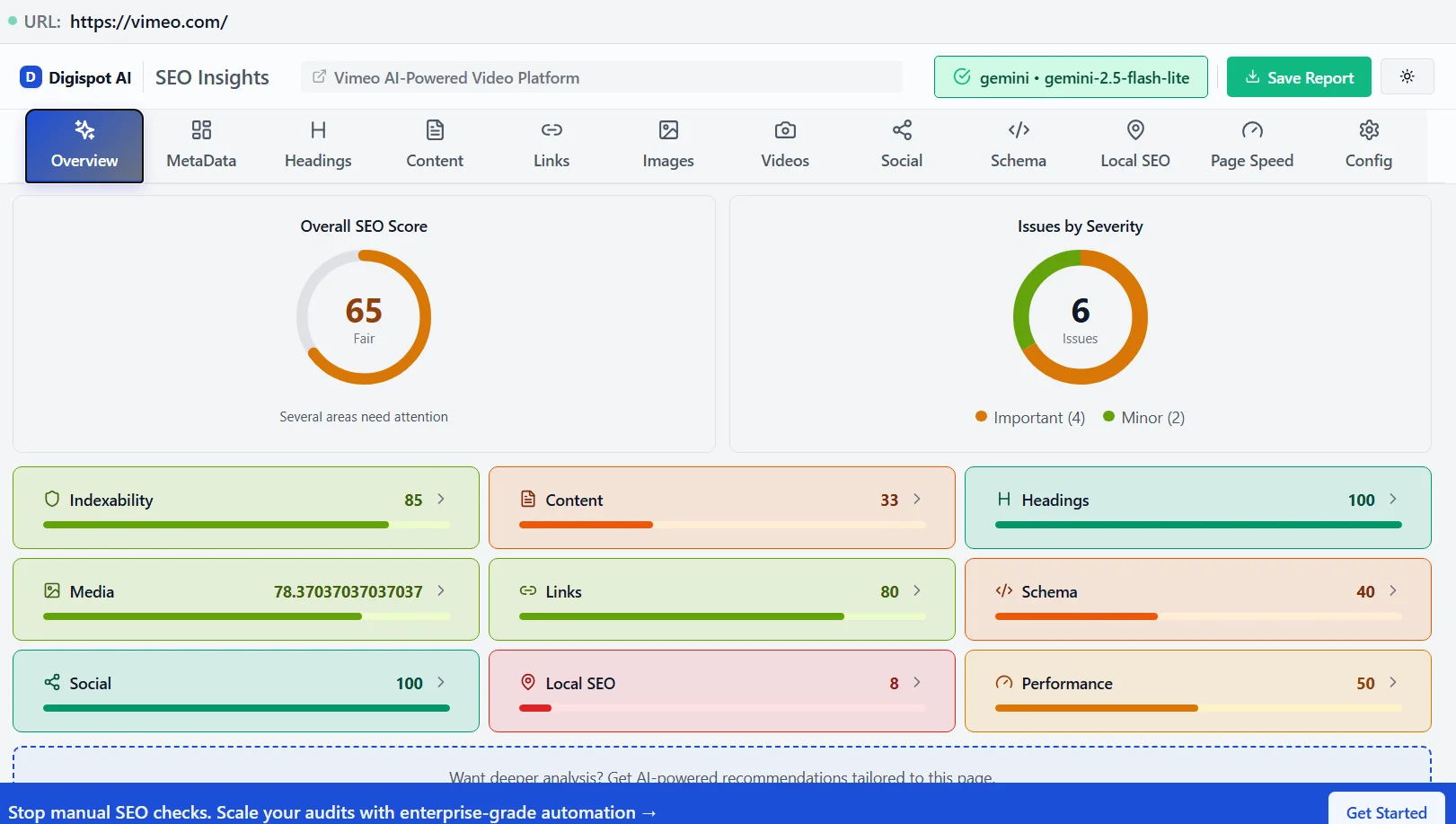
Turn invisible SEO data into clear visuals with our Free Chrome extension
- Gap Analysis: If a competitor has a high G2 Market Presence, audit their site with Digispot to see why. Do they have better backlinks? Faster load times? Better schema? Reverse engineer their success.
4. Schema Markup: Speaking to Machines
G2 uses structured data heavily. You should too.
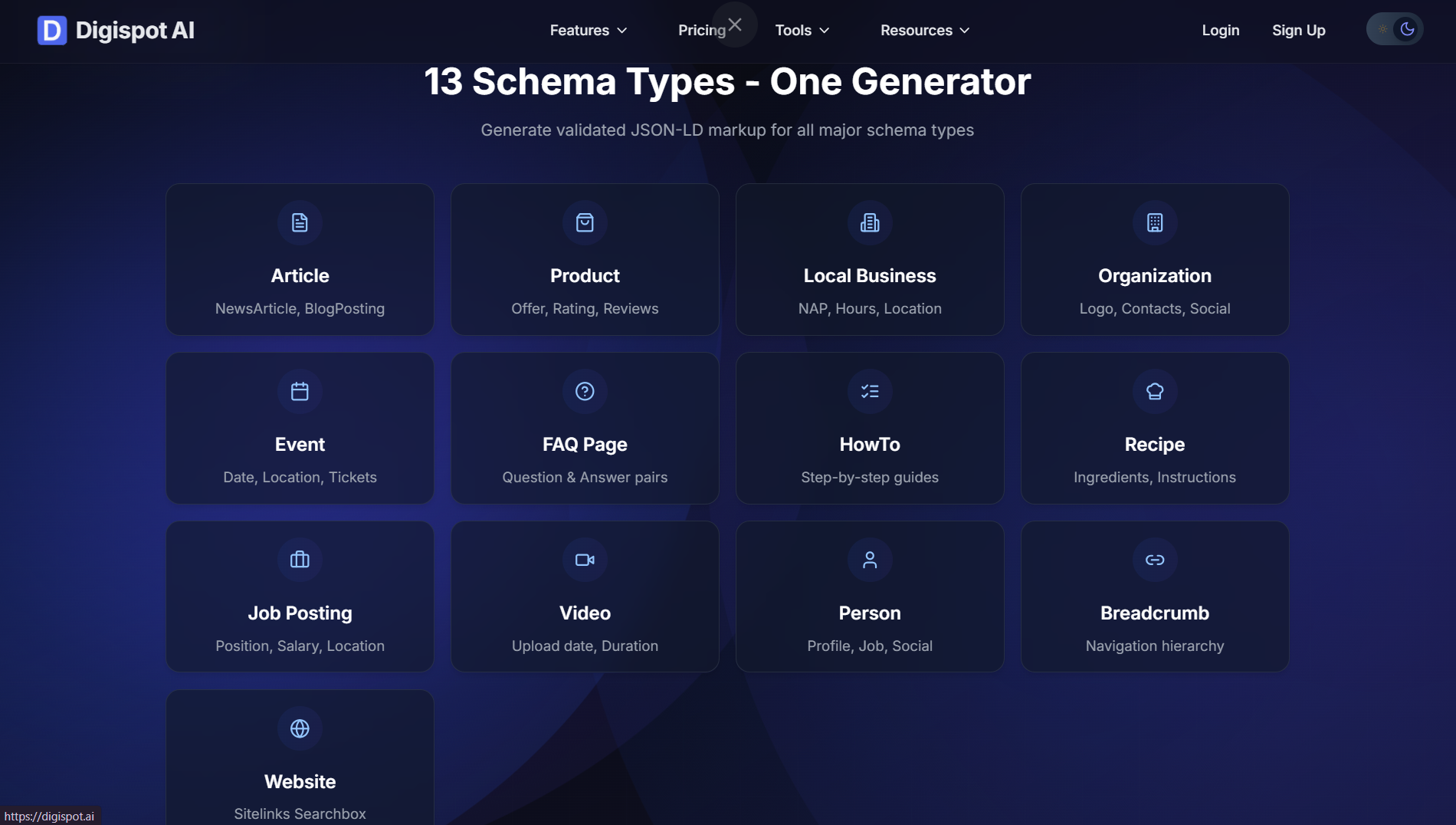
- Organization Schema: Ensure your own website uses correct Organization and Product schema. This helps Google connect the dots between your website and your G2 profile, strengthening the entity relationship.
- Review Snippets: Use the Schema Markup Generator to add Review schema to your own testimonials page. This can help you win "star ratings" in Google SERPs for your own pages, complementing your G2 visibility.
Advanced G2 Platform SEO Strategies
For those who have mastered the basics, here are the advanced levers to pull:
- Leveraging G2 Buyer Intent Data:
This is the "secret weapon" of G2. The platform sells data revealing which companies are visiting your profile or comparing you to competitors.
- Strategy: Integrate this data with your ABM (Account-Based Marketing) platform. If "Acme Corp" looks at your G2 page, trigger a LinkedIn ad targeting Acme's CTO the next day.
- Quarterly Campaign Sprints:
G2 releases reports quarterly (Winter, Spring, Summer, Fall). The cutoff for data is usually a few weeks before the quarter ends.
- Strategy: Run a heavy review generation sprint 4 weeks before the quarter ends. This freshness boost can push you from "High Performer" to "Leader" just in time for the report release, earning you a badge you can display for the next 3 months.
- Video Testimonial Integration:
G2 now emphasizes video.
- Strategy: Ask your happiest clients for a 30-second video review. Upload this to G2. Video content keeps users on your profile longer, a positive engagement signal.
- Badge Backlink Strategy: Don't just slap the badge on your footer. Create a dedicated "Awards" or "Why Us" page. Embed the badges there and link back to your G2 profile. Then, write a press release about your "Leader" status. This generates a circle of authority: Press Release -> Your Site -> G2 Profile. Pair this with the wider tactics in a solid off-page SEO strategy so the badge announcement becomes one node in a broader link-earning campaign rather than a one-off.
- Review Analysis for Product Roadmap:
Use AI to analyze the negative sentiment in your competitor's reviews.
- Strategy: If 20% of Competitor X's reviews complain about "slow reporting," make "Lightning Fast Reporting" a headline on your G2 profile. You are directly addressing the market gap.
Common G2 Platform SEO Mistakes to Avoid
Even seasoned marketers stumble here. Avoid these pitfalls:
- The "Set and Forget" Mentality: Creating a profile and walking away is useless. G2 SEO is a gardening exercise, not a construction project. It requires weeding and watering.
- Review Gating: Never, ever filter your customers. Asking only happy clients for reviews is a violation of FTC guidelines and G2 terms. One whistleblower can get your profile flagged with a "Consumer Alert" banner, destroying your reputation.
- Ignoring Negative Reviews: A negative review is an opportunity. Respond quickly, apologize, and offer a solution. Prospective buyers trust a 4.7-star rating with helpful responses to negative feedback more than a perfect 5.0 rating that looks fake.
- Keyword Stuffing: Do not write "Best CRM Best CRM Best CRM" in your description. G2's editors will reject it, and users will hate it. Write for humans; optimize for bots.
- Inconsistent Branding: Ensure your logo, pricing, and feature set on G2 match your website exactly. Discrepancies confuse buyers and increase drop-off rates.
- Neglecting the "Alternatives" Page: G2 auto-generates pages like "[Your Product] Alternatives." You can't control the page, but you can influence it by ensuring your product differentiation is clear in your description, so the "alternatives" listed are actually relevant competitors, not irrelevant tools.
Conclusion: Start Improving Your Market Presence Today
In the AI-driven future of B2B marketing, G2 Platform SEO is not optional. It is the bridge between your product and the buyers who are actively looking for it. By balancing the human element of Customer Satisfaction with the technical rigor of Market Presence, you create a flywheel of visibility that feeds itself.
Your G2 profile is a living entity. It needs fresh reviews, updated content, and a strong technical foundation on your main website to back it up. Don't let your competitors own the narrative in your category.
Ready to boost your Market Presence score? Start by ensuring your own digital house is in order. Try Digispot AI today to run a comprehensive audit of your website's SEO health. Identify the technical blockers holding back your domain authority, fix them with AI-guided recommendations, and watch your visibility climb—both on Google and on the G2 Grid.
Related deep-dives
Continue with these closely related guides:
- github seo strategy — GitHub SEO Strategy: Backlinks & Authority Building
References
- Research Scoring Methodologies - G2 Documentation
- 2025 G2 Buyer Behavior Report | sell.G2 - G2 Learning Hub
- How to Get More G2 Reviews: 13 Proven Strategies for SaaS Companies - LoyaltySurf
- G2 Reviews: How They Work, Rewards, Trustworthiness, and More
- How AI is Rewriting B2B Buyer Behavior and What Marketers Must Do
- How AI is transforming the B2B buyer journey - Luxid
- Step-by-Step Guide to B2B SEO: Best Practices for 2025 and Beyond - Agency Jet
- A Complete Guide to B2B SEO - Neil Patel
- Digispot AI - FREE On Page SEO Audit Tool
- Digispot AI - FREE Chrome Extension for SEO Insights
Audit any page in seconds
300+ SEO checks including Core Web Vitals, schema markup, meta tags, and AI readiness — trusted by 1000+ SEO experts and marketers.
Frequently Asked Questions
Here are some of our most commonly asked questions. If you need more help, feel free to reach out to us.
Written by
Maya Krishnan
Digital growth expert
Maya is a seasoned expert in web development, SEO, and digital strategy, dedicated to helping businesses achieve sustainable growth online. With a blend of technical expertise and strategic insight, she specializes in creating optimized web solutions, enhancing user experiences, and driving data-driven results. A trusted voice in the industry, Maya simplifies complex digital concepts through her writing, empowering readers with actionable strategies to thrive in the ever-evolving digital landscape.