Guest Posting SEO: Build Backlinks & Authority
Master guest posting for SEO. Learn outreach strategies, content pitching, backlink acquisition, and authority building through strategic guest blogging.
 Maya Krishnan
You built a website, optimized your pages, and published great content. Yet, traffic remains stagnant. This is the common frustration for many businesses: visibility does not happen automatically. To break through the noise and climb search engine rankings, you need more than just on-site excellence; you need external validation. Among the most powerful tactics to achieve this is guest posting.
This guide breaks down exactly what guest posting entails, why it remains a pillar of off-page SEO, and how to execute a strategy that drives real authority—not just empty metrics. Whether you are a solo founder or leading a marketing team, mastering this process is essential for long-term growth.
Key Takeaways
- Prioritize relevance over raw metrics. A dofollow link from a lower-DA site in your exact niche usually outperforms a link from a high-DA but unrelated blog.
- Vet every prospect before pitching. Confirm real organic traffic, human-written content, and a clean outbound link profile so you never earn a link from a "bad neighborhood."
- Pitch value, not links. Personalize every outreach email, reference the editor's recent work, and propose three specific headlines their audience actually needs.
- Place links naturally and deep. Link to a relevant guide or tool rather than your homepage, and mix branded, generic, and descriptive anchor text to avoid over-optimization.
- Protect what you earn. Monitor placements for nofollow flips, silent removals, and 404s, and measure impact with UTM parameters, GA4, and Search Console.
What Exactly Is Guest Posting?
What is guest posting? At its core, guest posting (or guest blogging) is the practice of creating and publishing content on a website other than your own. It is a strategic exchange of value: you provide the host site with high-quality, relevant content that serves their audience, and in return, you receive exposure and typically a backlink to your own site.
Think of it as being invited to speak at a conference. The conference organizer (the host site) needs expert speakers to engage their attendees (the audience). You (the guest poster) get the stage to demonstrate your expertise and direct people to your business.
Mechanically, this usually involves:
- Pitching ideas to an editor or site owner.
- Writing an article that adheres to their editorial standards.
- Including a bio or contextual link that points back to your assets.
This is distinct from "article directories" or low-quality submission sites. True guest posting happens on active, living blogs with real readership and editorial oversight. It is a relationship-building exercise as much as it is a link-building one.
The Undeniable Benefits of Strategic Guest Posting for SEO
Why does guest posting still matter for SEO in 2026? Search algorithms have become incredibly sophisticated, moving away from simple link counting to assessing the context and quality of connections. Guest posting remains vital because it simulates natural endorsements. When done correctly, it signals to Google that trusted entities within your industry vouch for your expertise. It is one of the most reliable tactics in any modern link building strategy, precisely because the link is earned through editorial merit rather than bought.
Here is how guest posting can significantly benefit your business outcomes:
- Improved Search Engine Rankings through High-Quality Backlinks: Backlinks act as the currency of the web. When an authoritative site links to you, they pass "link equity" (often called link juice). Google interprets this as a vote of confidence. A link from a respected industry news site carries far more weight than hundreds of links from low-quality forums. These signals tell search engines your content is reference-worthy, directly influencing your ranking potential.
- Enhanced Domain Authority and Credibility: Domain Authority (DA) or Domain Rating (DR) are metrics used to predict how well a website will rank. While not direct Google ranking factors, they correlate strongly with search success. Publishing on high-DA sites lifts your own site's authority profile. Furthermore, seeing your brand alongside industry giants establishes "social proof," making users more likely to trust you.
- Increased Organic and Referral Traffic: Unlike ads that stop working the moment you stop paying, a guest post can drive traffic for years. This traffic comes in two forms:
- Referral Traffic: Readers click the link in your post because they want to learn more. These are "warm" leads—they have already consumed your content and are interested in your solution.
- Organic Traffic: As your site's authority grows from these backlinks, your own pages start ranking higher for their target keywords, bringing in more search traffic.
- Broader Brand Visibility and Awareness: The "Rule of Seven" in marketing states that a prospect needs to see your brand seven times before they take action. Guest posting places your brand in front of audiences who may never have found you through search alone. You are borrowing the host's audience to expand your reach.
- Generation of Qualified Leads and Sales: Because guest post readers are often researching specific topics in your niche, they are high-intent visitors. If you write a guest post about "Enterprise SEO Audits" and link to your audit tool, the visitors clicking through are likely looking for that exact solution.
- Networking Opportunities: The process of pitching and collaborating connects you with editors, influencers, and site owners. These relationships often lead to further opportunities, such as podcast invitations, webinar collaborations, or social media cross-promotion.
- Cost and Time Savings: While guest posting requires "sweat equity" (writing and outreach), it often yields a higher ROI than paid search (PPC) in the long run. A well-ranking guest post continues to deliver value indefinitely without a daily budget.
To summarize the core benefits, consider the following table:
| Benefit | What it Means for Your Business | How it Helps SEO |
|---|---|---|
| High-Quality Backlinks | "Votes of confidence" from other websites. | Improves search engine rankings and site authority. |
| Increased Brand Awareness | Your brand is seen by new, relevant audiences. | Drives direct traffic and builds a stronger online presence. |
| Referral Traffic | Engaged readers from host sites visit your website. | Provides valuable, pre-qualified visitors who are more likely to convert. |
| Domain Authority (DA) | Your website is considered more trustworthy by search engines. | Leads to higher rankings and better overall search visibility. |
| Thought Leadership | You establish yourself as an expert in your industry. | Enhances brand credibility and attracts natural citations and links. |
How to Develop a Strategic Guest Posting Plan
A haphazard approach—sending generic emails to every blog you find—is a waste of resources. It can even trigger spam filters or manual penalties if you are reckless. A strategic plan ensures every hour spent contributes to your broader business goals.
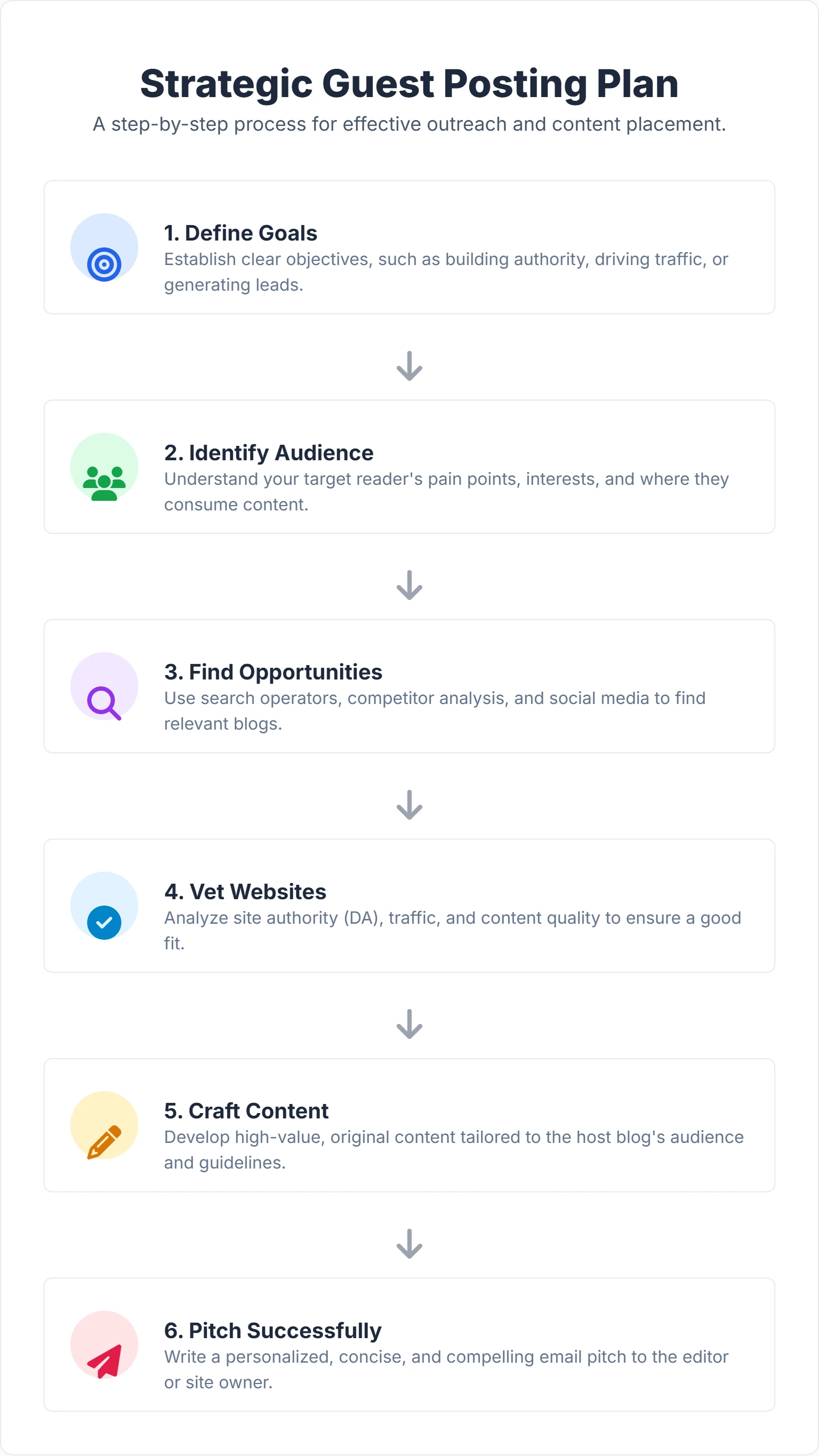
1. What Are Your Goals?
Before writing a single word, what do you want to achieve? Your goal dictates your target list.
- Goal: SEO & Rankings: You need sites with high Domain Authority and strict editorial standards. The relevance of the linking domain is critical here.
- Goal: Direct Traffic: You need sites with high engagement (comments, social shares) and a large newsletter subscriber base, even if their DA is slightly lower.
- Goal: Leads & Sales: You need niche-specific sites where the audience matches your ideal customer profile (ICP) perfectly.
- Goal: Brand Positioning: You need prestige publications (e.g., Forbes, TechCrunch, or major industry portals) to use "As seen in" logos.
2. Who Is Your Target Audience?
Understanding the host blog's audience is paramount. Who are you trying to reach? If you sell enterprise software, a guest post on a "budgeting for students" blog is useless, regardless of the backlink. The audience overlap must be substantial. Ask yourself:
- What is the knowledge level of their readers? (Beginner vs. Advanced)
- What problems are they trying to solve?
- Does my product or service naturally fit into the conversation?
3. How to Find Relevant Guest Posting Opportunities?
Finding the right host websites is the foundation of your campaign. You are looking for sites that are relevant, authoritative, and active.
Proven methods to uncover opportunities:
- Google Search Operators: This is the gold standard for finding active "write for us" pages.
"[your niche] + write for us""[your niche] + guest post guidelines""[your topic] + submit an article""inurl:write-for-us" + [your keyword]"[your keyword] + "guest post by"(finds competitors' past posts)
- Competitor Backlink Analysis: Use SEO tools to see where your competitors have secured links. If a site accepted a post from a competitor, they are likely to accept one from you if your pitch is better. For more insights on finding these link sources, read our guide on finding free quality backlinks.
- Social Media: Twitter (X) and LinkedIn are excellent for real-time opportunities. Search hashtags like
#GuestPost,#JournalistRequest, or#BloggingCommunity. - Reverse Image Search: If a competitor uses a specific headshot for their author bios, reverse search that image. It will list every site where they have published a guest post.
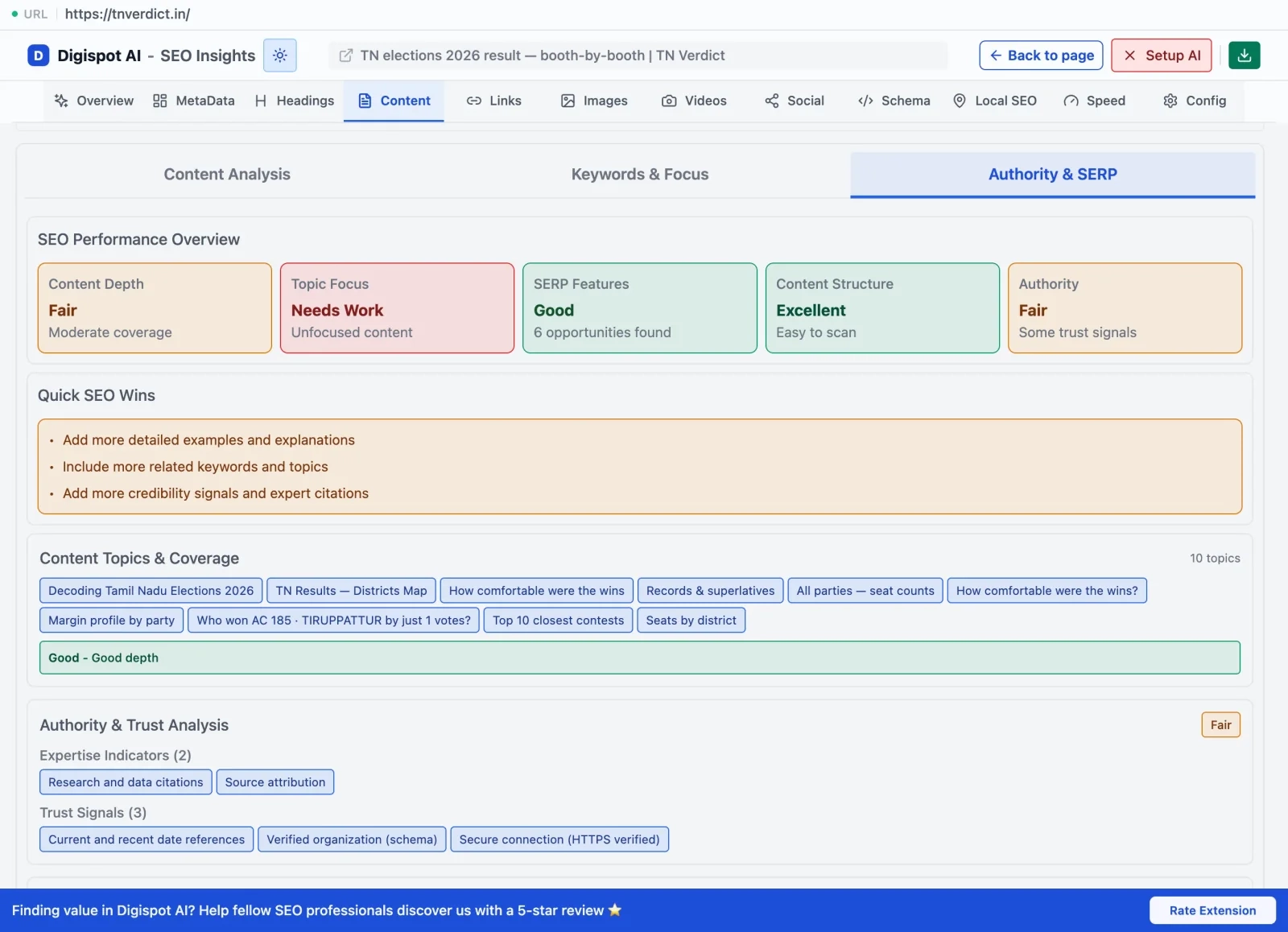
Leveraging smart tools streamlines this process. The Digispot AI Chrome Extension allows you to analyze any potential prospect instantly. You can check their traffic data, schema markup, and core web vitals right from your browser, helping you filter out low-quality sites in seconds.
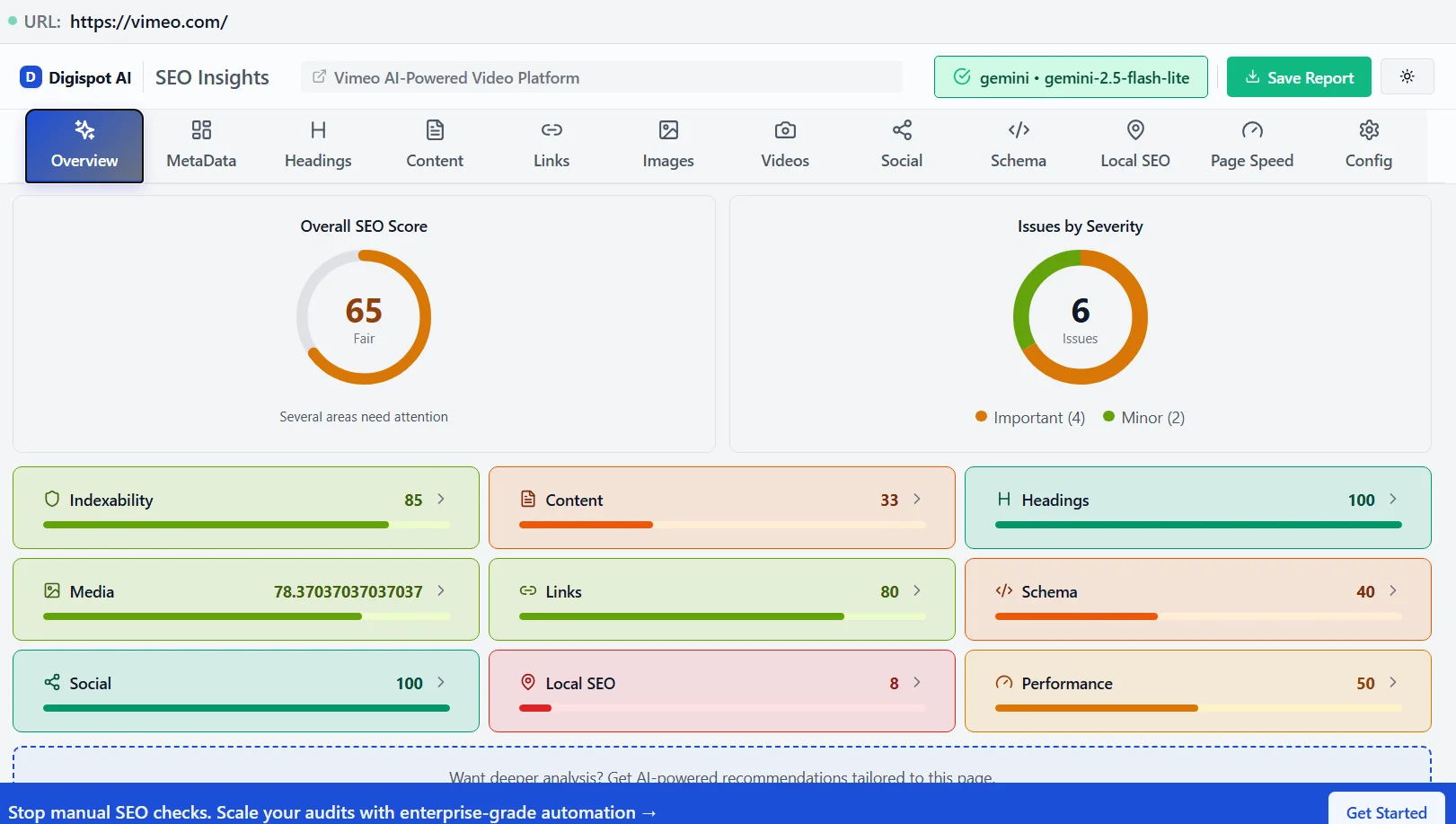
Turn invisible SEO data into clear visuals with our Free Chrome extension
4. How to Vet Potential Websites?
Not all links are created equal. A link from a "toxic" site can actually harm your SEO. How do you ensure a site is valuable?
- Check Authority Metrics: Look for Domain Authority (DA) or Domain Rating (DR) of 30+. While high DA is good, relevance is better. A DA 30 site in your exact niche is better than a DA 60 generic lifestyle blog.
- Verify Organic Traffic: Use tools to ensure the site actually gets traffic from Google. If a site has a high DA but zero traffic, it might have been penalized or is a "link farm" artificially inflating metrics.
- Assess Content Velocity & Quality: Are they publishing regularly? Is the content written by humans, or does it look like spun AI text? Check for real engagement in the comments.
- Link Profile Audit: Does the site link out to gambling, adult, or spammy sites? If so, stay away. You do not want your link sitting next to "bad neighborhoods" on the web. If you ever earn a placement on a site that later turns toxic, know how to remove toxic backlinks safely before they drag down your profile.
- Read the Guidelines: Ignoring submission guidelines is the fastest way to get rejected. Some sites strictly forbid certain topics or link types.
Digispot AI can help you run comprehensive site-level audits on potential partners to ensure their technical health matches their reputation.
Crafting the Perfect Guest Post: Content & SEO
Once your pitch is accepted, you must deliver. Submitting a mediocre article burns bridges. Your guest post should be better than the content you publish on your own site because you are auditioning for a new audience.
1. What Makes a Good Guest Post?
- Originality is Non-Negotiable: Do not recycle content. Provide a fresh angle on a known topic or share proprietary data.
- Actionable Value: Move beyond theory. Give the reader steps they can implement immediately. "How-to" guides and case studies perform exceptionally well.
- Brand Alignment: Mimic the host's tone. If they are formal and academic, do not write in a casual, slang-heavy style.
- Visuals: Editors love posts that come with ready-to-use images, screenshots, or charts. It saves them work and makes your content more engaging.
2. How to Optimize Your Guest Post for SEO?
You want your guest post to rank well on their site. Why? Because a ranking page gets consistent traffic, meaning your backlink gets consistent clicks.
- Strategic Keyword Research: Target long-tail keywords that the host site has not yet covered. This helps them rank for new terms.
- Natural Link Placement: Your backlinks must add value. Linking to a relevant blog post or a useful tool on your site is better than linking to your homepage. For example, if you are writing about technical audits, link to a guide on on-page SEO best practices rather than just your product page.
- Structure for Skimmers: Use clear H2s and H3s. Break up large walls of text.
- Internal Linking: Be a good guest by linking to their other articles. This helps their SEO and shows you actually read their blog.
Advanced Tip: Use Digispot AI's "Content Studio" to ensure your draft covers all semantic entities related to the topic. Before submitting, run the content through the On-Page SEO Analysis tool to catch any optimization gaps.
3. How to Include Schema Markup for Better Visibility?
What is schema markup? It is code that helps search engines understand the entities in your text. While you cannot always edit the host's HTML, you can provide the JSON-LD code and ask them to include it, or simply structure your content so their automated tools pick it up.
Crucially, ensure your Author Bio is structured correctly. You want search engines to connect "Article X on Site Y" with "Person Z from Company A." This builds your personal Knowledge Graph and reinforces the experience and expertise signals that modern search relies on—the same principles covered in our guide to E-E-A-T in SEO.
Practically, ask the editor to include a sameAs property in the article's author object that points to your LinkedIn, X profile, and company page. Those consistent references help search engines merge every one of your guest bylines into a single verified author entity rather than treating each as an unknown name. If the host uses Article or BlogPosting schema, that author linkage is often more valuable long-term than the backlink itself, because it accrues to you across every site you write for.
You can generate valid schema code in seconds using the Digispot AI Schema Markup Generator. Sending this along with your draft impresses editors and improves the chances of winning rich snippets in search results.

The Outreach Process: How to Pitch Successfully
Editors at popular blogs receive dozens of pitches daily. Most are deleted immediately. To stand out, you need a strategy.
1. What Is an Effective Pitch?
Your pitch is a sales letter. You are selling your idea.
- Subject Line: Make it specific. "Guest Post Idea: How AI is Changing Local SEO" is better than "Guest Post Inquiry."
- The "Hook": Prove you know them. "I loved your recent breakdown of the Core Update, especially the point about..."
- The "Why": Explain why their audience needs this specific article right now.
- The Proposal: Offer 3 distinct headlines with a 1-sentence summary for each.
- Social Proof: Briefly mention where else you have been published. "My insights have been featured on Search Engine Land and HubSpot."
Bad Pitch: "Hi, I want to post on your site. I need a link. Here is an article." Good Pitch: "Hi [Name], I've been following [Site Name] for months. Your recent guide on X was excellent. I noticed you haven't covered [Topic Y] yet. I'd love to write a comprehensive guide on it for your audience, covering [Point 1] and [Point 2]. Here are three potential headlines..."
2. How to Follow Up?
Persistence pays off, but annoyance does not. The goal of a follow-up is to make it easier for a busy editor to say yes, not to guilt them into a reply.
- Wait: Give them 3-5 business days. Editors often batch pitch reviews, so replying too soon signals impatience.
- Reply in-thread: Send a short, polite nudge on your original email rather than a brand-new message. Keeping it in the same thread preserves context and keeps your subject line intact. "Just bumping this to the top of your inbox in case it got buried."
- Add, don't repeat: Use the follow-up to add value instead of restating your ask—mention a fresh statistic, a new angle, or a recent post of theirs you enjoyed. This gives the editor a new reason to respond.
- Cap it at one: One follow-up is plenty. A second or third nudge rarely converts and risks getting you blacklisted from future pitches.
- Move On: If they don't reply after one follow-up, assume it's a "no" and pitch the idea elsewhere. Never pitch the same article to multiple sites simultaneously—duplicate placements dilute the piece and can create a duplicate-content problem.
Tracking and Improving Your Guest Posting Performance
Publishing the post is not the finish line. You need to measure impact to understand ROI.
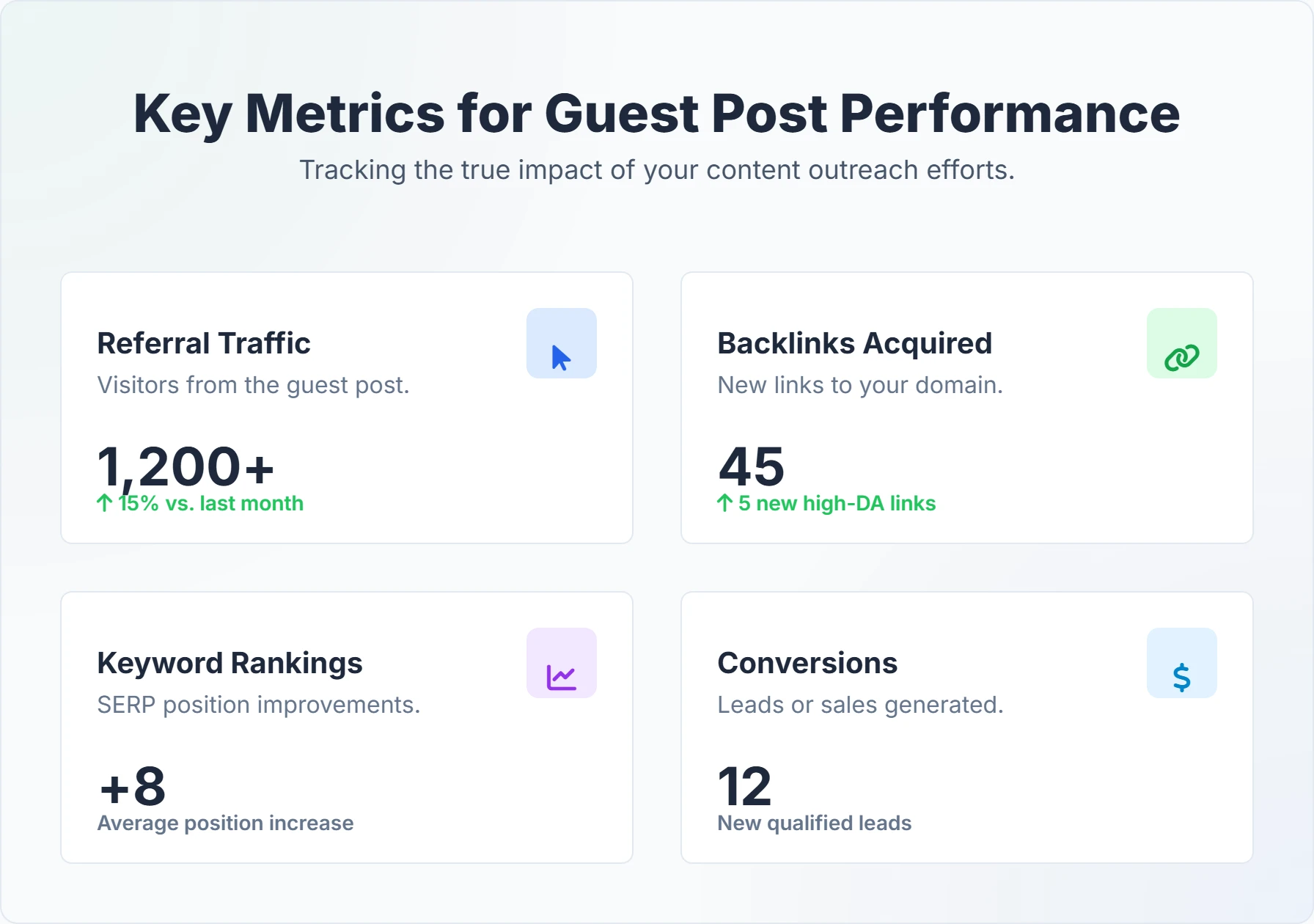
1. What Metrics Should You Track?
- Referral Traffic: Use UTM parameters (e.g.,
?utm_source=hostsite&utm_medium=guestpost) to see exactly how many visitors click your link. - Backlink Health: Monitor the link to ensure it stays live and remains "dofollow." Sometimes sites change links to "nofollow" or remove them during updates.
- Keyword Rankings: Watch the rankings for the specific page you linked to. Did it move up?
- Brand Search Volume: Are more people searching for your brand name after the post went live? This is a strong signal of brand awareness.
2. How to Use Tools for Tracking?
- Google Analytics 4 (GA4): Check the "User acquisition" report to see traffic from the guest post domain. Look at engagement rates—do these visitors stay on your site?
- Google Search Console: Navigate to "Links" > "Top linking sites" to confirm Google has indexed the backlink.
- SEO Platforms: Tools like Ahrefs or Semrush track new backlinks automatically.
- Digispot AI Integration: Digispot AI integrates directly with your GSC and GA4 data, correlating backlink acquisition with traffic spikes and ranking improvements. This gives you a holistic view of how your off-page efforts impact your bottom line.
For a deeper dive into setting up these measurements, review our SEO audit checklist for 2026.
Vet Prospects and Guard Your Links with the Spider
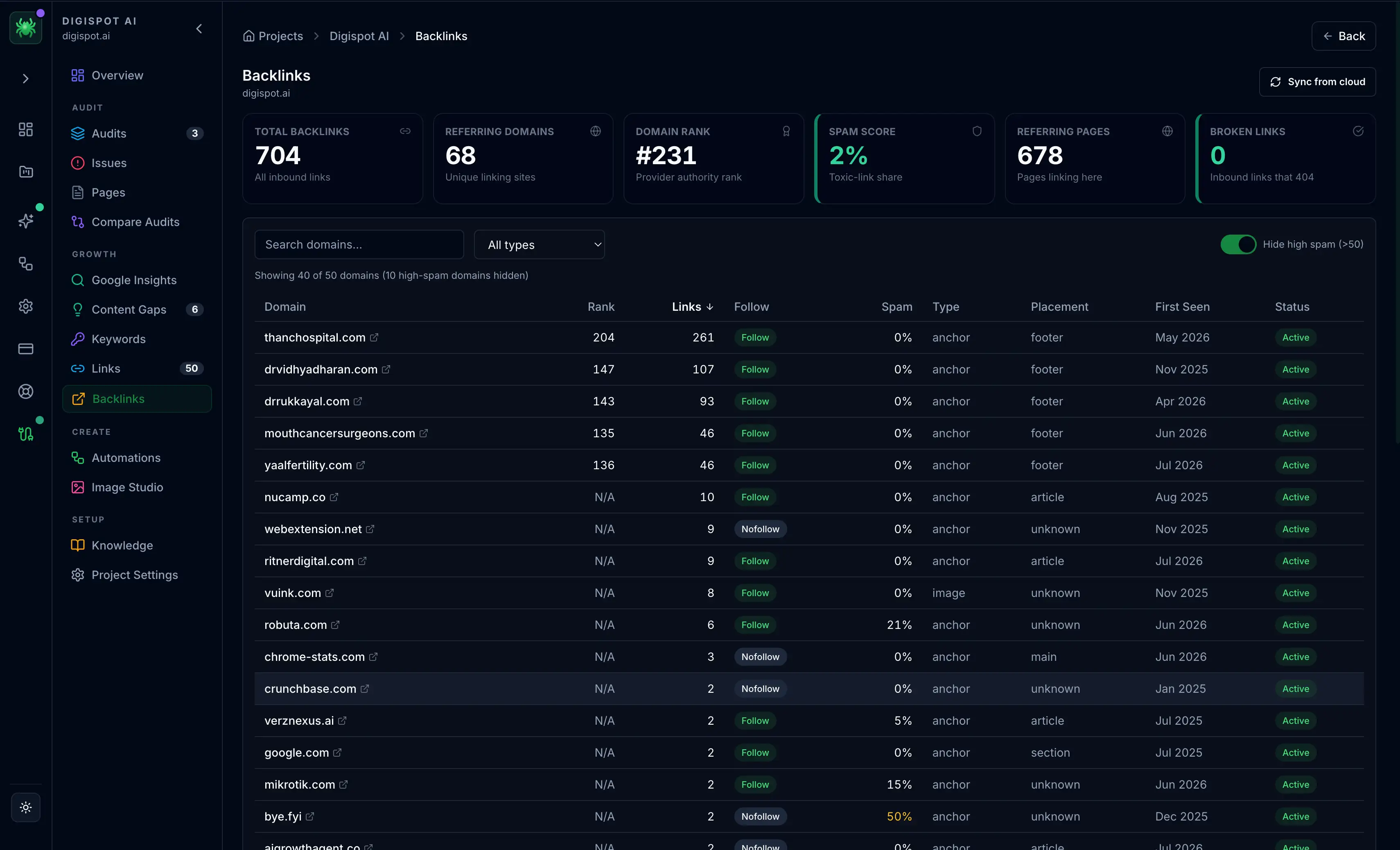
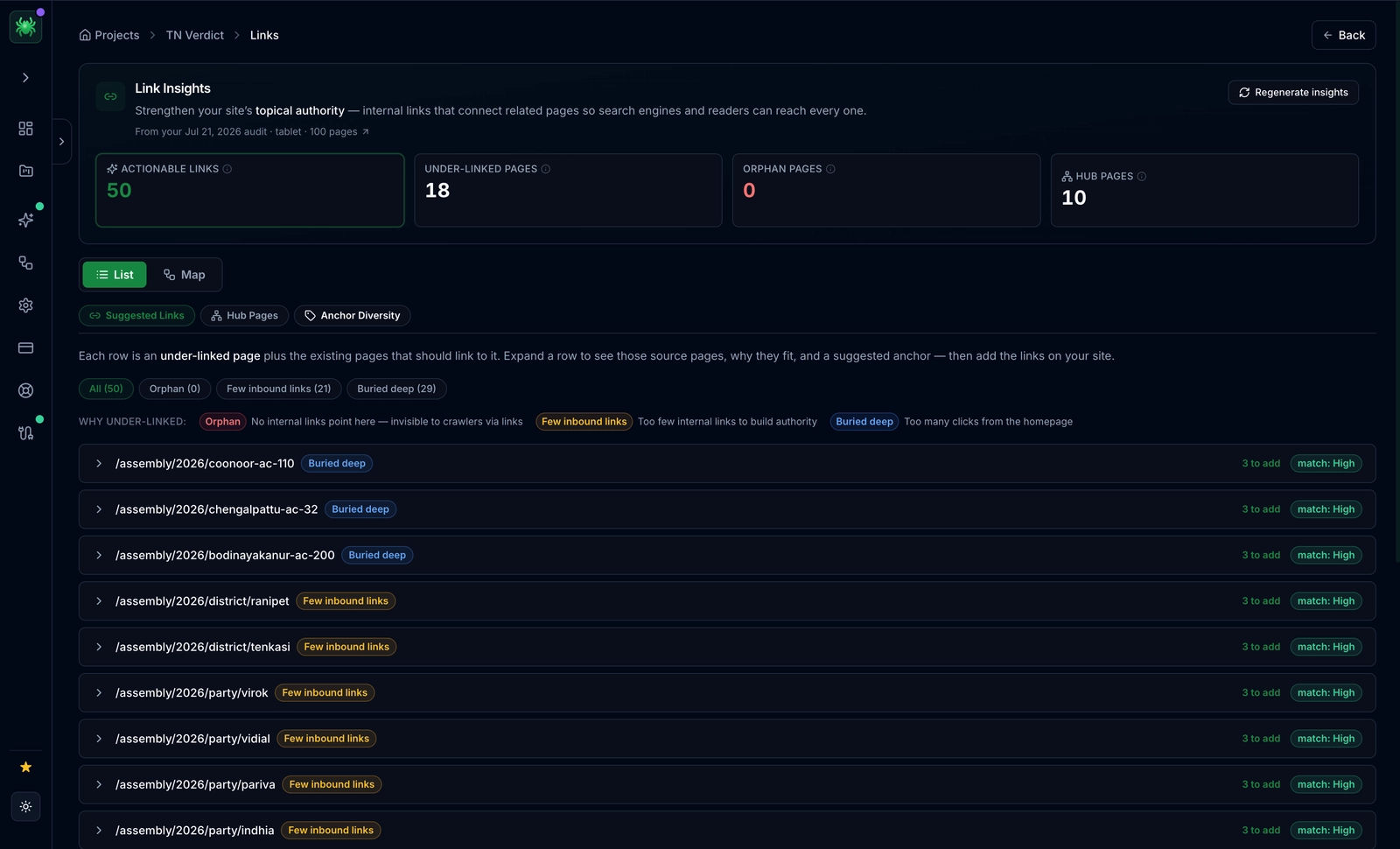
Before you ever draft a pitch, qualify the host site. The Digispot AI SEO Spider—a desktop crawler and auditor that renders pages in a real browser the way Googlebot does—runs 300+ SEO and AEO checks so you can judge a prospect's technical health and genuine authority instead of trusting a vanity domain-rating badge. Billed as the only SEO crawler your AI agent can run, it ships an MCP server, so Claude or Cursor can crawl a shortlist of outreach targets and rank them by traffic-at-risk, telling you which sites are worth pitching first.
The harder job is keeping the links you earn. Its Link Insights and backlink analysis let you monitor every placement, flagging the moment a guest post's link flips to nofollow, quietly disappears in an edit, or the host page starts returning a 404. Because issues surface by traffic-at-risk, you spend your maintenance time chasing the lost links that actually moved rankings—not chasing everything. From $14/mo, it turns a one-off outreach win into an asset you can defend.
Common Guest Posting Mistakes to Avoid
Even experienced marketers fall into traps that undermine their efforts.
- Ignoring Host Guidelines: This is the #1 reason for rejection. If they say "2000 words minimum" and you send 800, you are wasting everyone's time.
- Poor Site Selection: Posting on a site that has nothing to do with your niche (e.g., a plumbing site linking to an SEO agency) looks unnatural to Google and can trigger spam flags.
- Over-Optimizing Anchor Text: Do not use "Best SEO Tool" as your anchor text 50 times in a row. This looks like manipulation. Use a mix of branded anchors ("Digispot AI"), generic anchors ("click here"), and natural phrase anchors.
- Thin Content: Submitting fluff pieces damages your reputation. If the content isn't good enough for your own blog, it's not good enough for a guest post.
- Neglecting Diversity: Relying only on guest posts creates a footprint. You should also be building links through other methods, such as answering questions on platforms like Quora. Learn more about Quora backlinks strategy to diversify your profile, and periodically run a full backlink profile audit to make sure your mix of sources stays healthy.
- Forgetting AEO: As AI search engines like Perplexity and ChatGPT grow, your guest posts need to be structured to answer questions directly. This increases the chance of your brand being cited in AI-generated answers. Read about building for the AI era to understand this shift.
Conclusion: Start Improving Your Backlink Profile Today
Guest posting is not a quick hack; it is a long-term strategy for building digital equity. When you approach it with a mindset of value exchange—giving great content to get great visibility—the SEO rewards follow naturally.
By diligently planning your outreach, vetting partners with data-driven metrics, and crafting content that truly serves the reader, you build a moat around your business that competitors cannot easily replicate.
Ready to take your off-page strategy to the next level? Start by auditing your current standing. Use the Digispot AI free Chrome extension to analyze competitor guest posts and identify gaps you can fill. Then, leverage the full Digispot AI platform to track every backlink, monitor your rankings, and ensure your site is technically perfect to receive all that new link equity.
References
Audit any page in seconds
300+ SEO checks including Core Web Vitals, schema markup, meta tags, and AI readiness — trusted by 1000+ SEO experts and marketers.
Frequently Asked Questions
Here are some of our most commonly asked questions. If you need more help, feel free to reach out to us.
Written by
Maya Krishnan
Digital growth expert
Maya is a seasoned expert in web development, SEO, and digital strategy, dedicated to helping businesses achieve sustainable growth online. With a blend of technical expertise and strategic insight, she specializes in creating optimized web solutions, enhancing user experiences, and driving data-driven results. A trusted voice in the industry, Maya simplifies complex digital concepts through her writing, empowering readers with actionable strategies to thrive in the ever-evolving digital landscape.