
Keyword Research for Beginners: The 2026 Ranking Guide
Stop guessing what your audience wants. Master the art of keyword research to drive targeted traffic from Google, Bing, and AI search engines like ChatGPT.
 Maya Krishnan
You create excellent content. You solve real problems. You have a great product.
But your traffic remains flat.
The disconnect often isn't the quality of your writing or the value of your product. It is a fundamental misalignment between what you are saying and what your audience is typing into the search bar.
Keyword research is the bridge between your business and your future customers. It removes the guesswork from marketing. Instead of hoping people find you, you strategically position your content where demand already exists.
However, the game has changed. We aren't just optimizing for Google's ten blue links anymore. We are optimizing for AI overviews, ChatGPT answers, and voice assistants.
This guide moves beyond outdated advice. You will learn how to execute a keyword strategy that drives revenue, not just vanity metrics.
What is Keyword Research (and Why It Changed)?
At its core, keyword research is market research for the digital age. It involves identifying the queries people use when looking for products, services, or answers related to your industry.
Historically, this meant finding a phrase like "buy red shoes" and repeating it five times on a page. That strategy died years ago.
Today, search engines use natural language processing (NLP) to understand intent and context. Google doesn't just match strings of text; it matches concepts.
The Rise of AEO (Answer Engine Optimization)
With the explosion of AI platforms like Perplexity, Claude, and Google's AI Overviews, users are asking more complex questions. They aren't typing "SEO tools." They are asking, "Compare the top SEO tools for small businesses with a limited budget."
Your research must now account for:
- Traditional Queries: Short phrases typed into Google.
- Conversational Queries: Complete sentences asked to AI chatbots.
- Entity Relationships: How your topic relates to broader concepts in your niche.
If you ignore the AI component, you are invisible to a rapidly growing segment of searchers.
The Four Pillars of Keyword Value
Before opening a tool, you must understand what makes a keyword "good." Beginners often chase high search volumes, assuming more traffic equals more money. This is rarely true.
Evaluate every potential keyword against these four metrics:
1. Search Volume
This is the estimated number of times a keyword is searched per month.
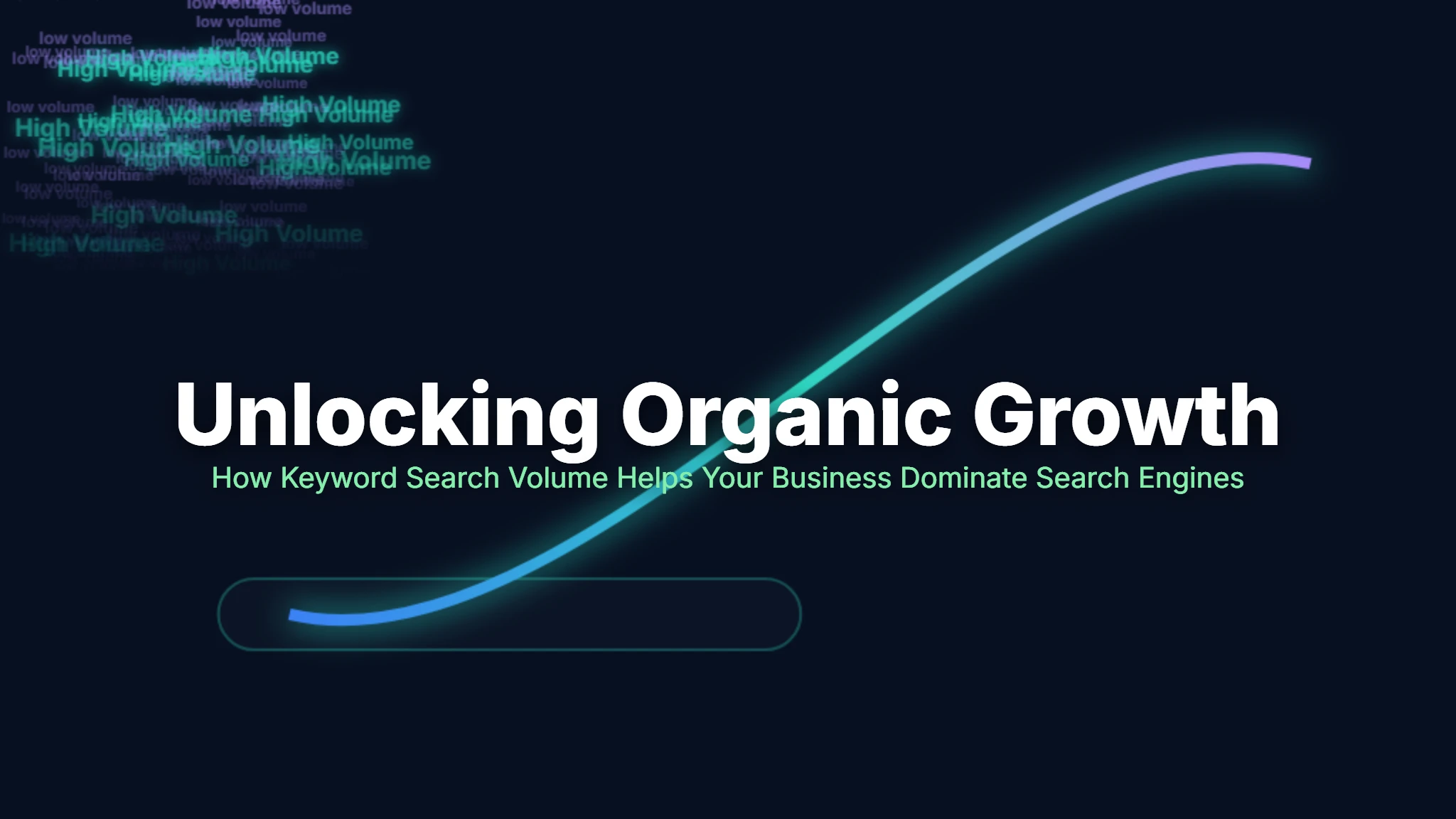
- High Volume (Head Terms): "Shoes" (1M+ searches). Hard to rank, low conversion rate.
- Medium Volume (Body Terms): "Running shoes" (50k searches). Moderate difficulty.
- Low Volume (Long-Tail): "Marathon running shoes for flat feet" (200 searches). Easier to rank, high conversion rate.
Pro Tip: Don't ignore low volume. Ranking #1 for a keyword with 100 monthly searches is worth more than ranking #50 for a keyword with 10,000 searches.
2. Keyword Difficulty (KD)
KD is a metric used by SEO tools to estimate how hard it is to rank on the first page. It is usually based on the strength of the domains currently ranking.
- 0-30: Easy/Beginner
- 31-60: Moderate
- 61+: Hard
If you are a new site, target low KD terms while building your authority.
3. Search Intent (The Most Critical Factor)
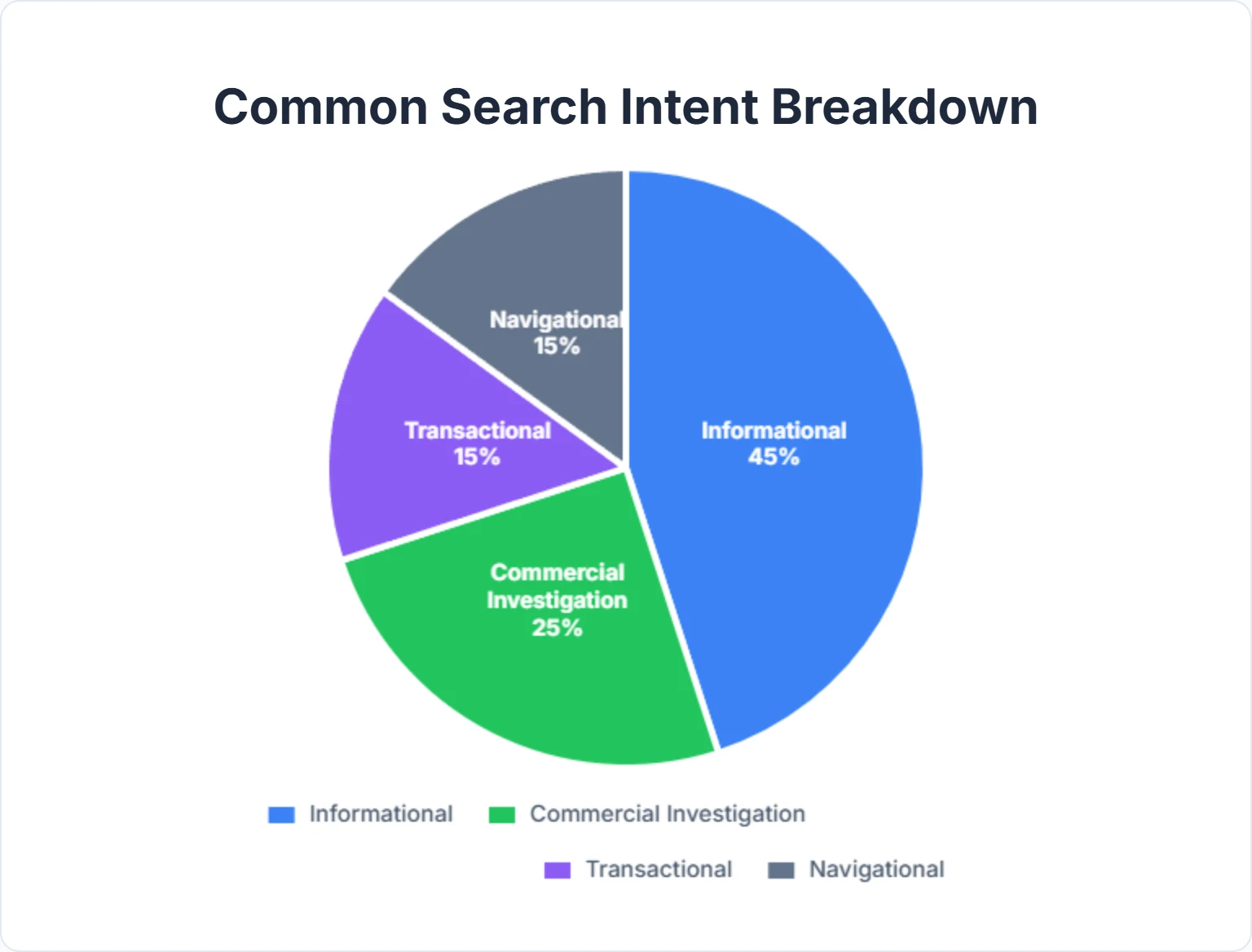
Google wants to solve the user's problem. If your content format doesn't match the user's goal, you will not rank, regardless of your domain authority.
| Intent Type | User Goal | Keyword Modifiers | Example |
|---|---|---|---|
| Informational | Wants to learn or solve a problem. | How, what, guide, tutorial, tips | "How to tie a tie" |
| Navigational | Wants to find a specific page or site. | Brand names, login, support | "Facebook login" |
| Commercial | Researching before buying. | Best, review, vs, comparison, top | "Best CRM for startups" |
| Transactional | Ready to buy right now. | Buy, price, coupon, deal, for sale | "Buy iPhone 15 pro" |
Action Step: Before writing, Google your target keyword. If the results are all e-commerce pages, do not write a blog post. If the results are all "how-to" guides, do not create a product page.
4. Relevance
Does this keyword actually help your business? You might rank for "free PDF merger," but if you sell enterprise SEO software, that traffic creates server costs without revenue.
Step-by-Step Keyword Research Process
Follow this framework to build a list of winning keywords.
Step 1: Brainstorm Seed Keywords
Seed keywords are the foundation of your research. They define your niche. Put yourself in your customer's shoes.
If you sell custom coffee mugs, your seeds aren't just "mugs." They are:
- Personalized gifts
- Corporate swag
- Custom drinkware
- Wedding favors
Write down 5-10 broad topics related to your business.
Step 2: Expand with Tools
You cannot guess every variation. You need data.
Free Options:
- Google Autocomplete: Start typing your seed keyword in Google and see what it suggests. These are high-traffic queries.
- People Also Ask: Look at the PAA box in search results. These are excellent for FAQ sections and headers.
- Google Keyword Planner: intended for ads, but useful for volume data.
Advanced Option: Using a dedicated tool saves hours of manual work. Digispot AI helps you identify not just keywords, but the questions people are asking AI engines about those keywords.
Step 3: Analyze Competitors
Why reinvent the wheel? Your competitors have already done the hard work. See what they rank for.
- Pick your top 3 competitors.
- Plug their URL into a research tool (or use the "site:competitor.com [keyword]" operator in Google).
- Look for keywords where they rank in positions 5-20. These are "striking distance" keywords where you might be able to create better content and overtake them.
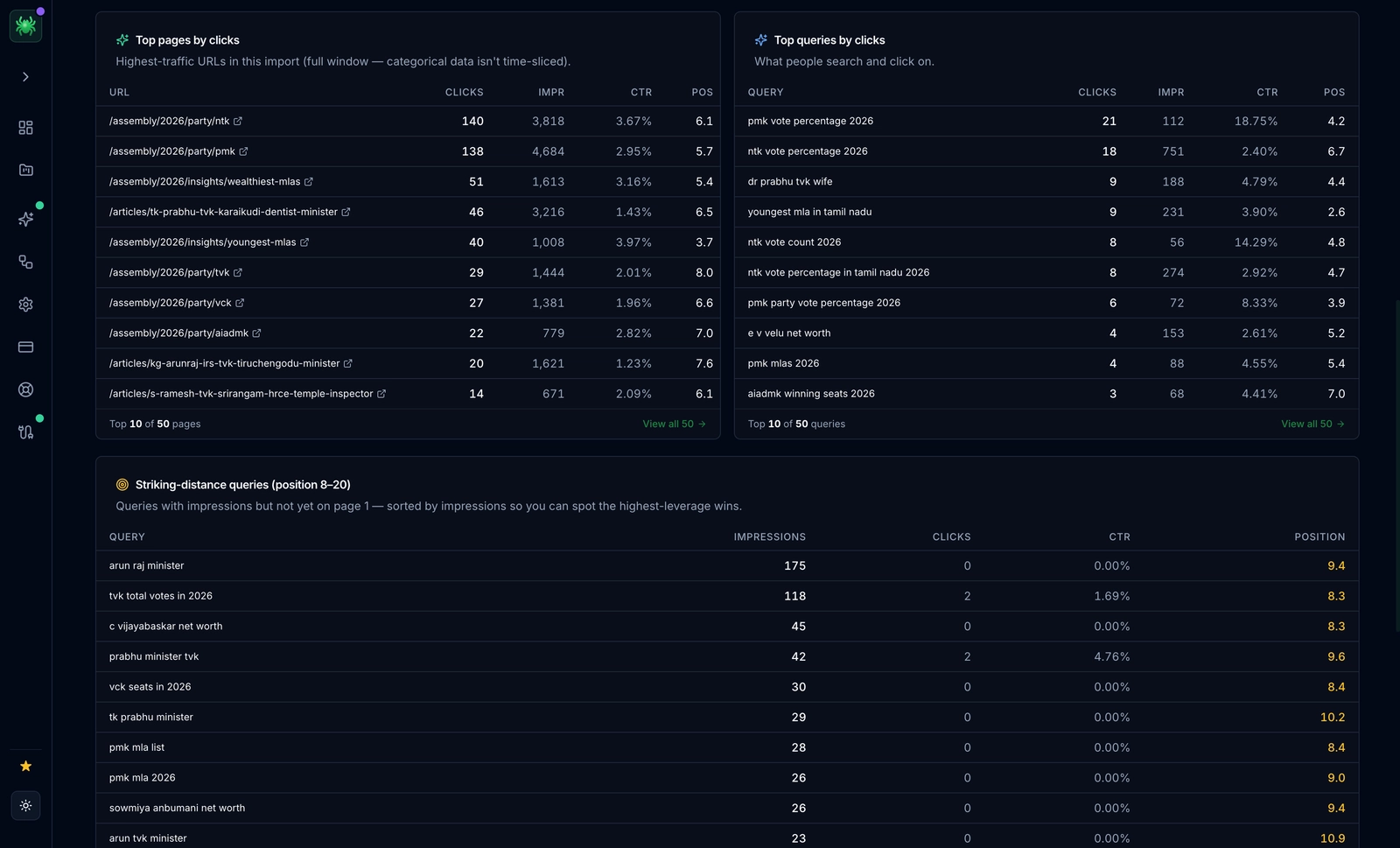
Digispot AI automates this by analyzing competitor gaps and highlighting terms they are missing but you could capture.
Step 4: Validate with Metrics
You now have a list of hundreds of keywords. Filter them.
- Discard keywords with impossible difficulty scores (unless you are an established brand).
- Discard keywords with zero search volume (unless they are highly specific to your high-ticket offer).
- Prioritize keywords with clear commercial or informational intent relevant to your product.


Step 5: Check the SERP (Search Engine Results Page)
Never finalize a keyword without looking at the live results.
- Are there ads? Lots of ads mean high commercial intent (good for sales).
- Is there a Featured Snippet? This means you need to structure your answer concisely to compete for position zero.
- Are the results outdated? If the top results are from 2021, you have a massive opportunity to win with fresh content.
Long-Tail Keywords: The Secret Weapon
New websites rarely rank for "SEO." But they can rank for "SEO strategies for dentists in Austin."
Long-tail keywords are specific phrases usually consisting of 3 or more words. They account for the vast majority of web searches.
Why target them?
- Lower Competition: Giants like Wikipedia and Amazon ignore them.
- Higher Conversion: A user searching "red running shoes size 10 discount" is credit-card-ready.
- Voice Search Friendly: They mimic how people speak.
To find them, look for modifiers like "for beginners," "near me," "under $100," or specific industry use cases.
Organizing Your Research: Topic Clusters
Do not throw keywords randomly at your blog. Organize them into "Topic Clusters."
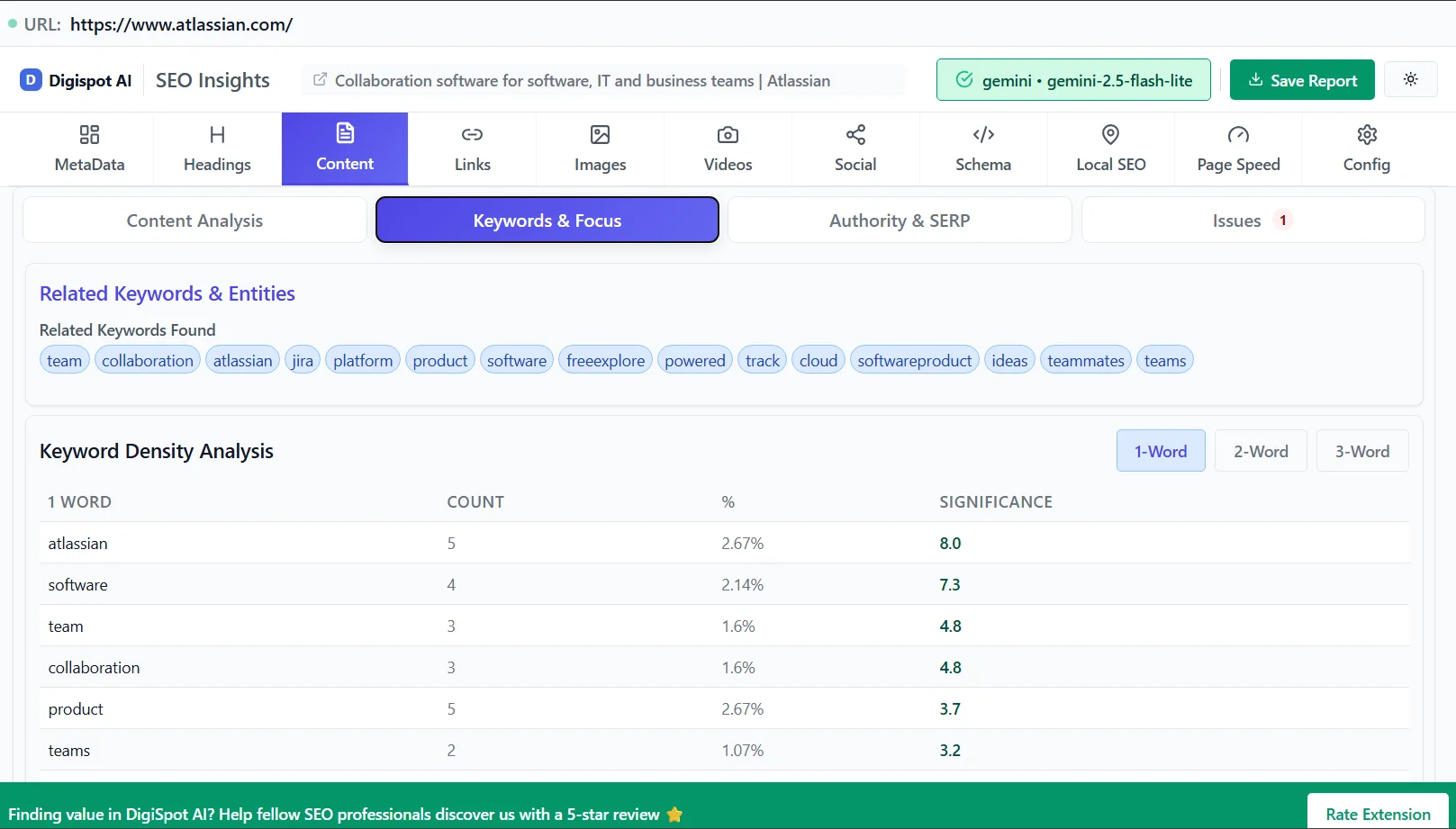
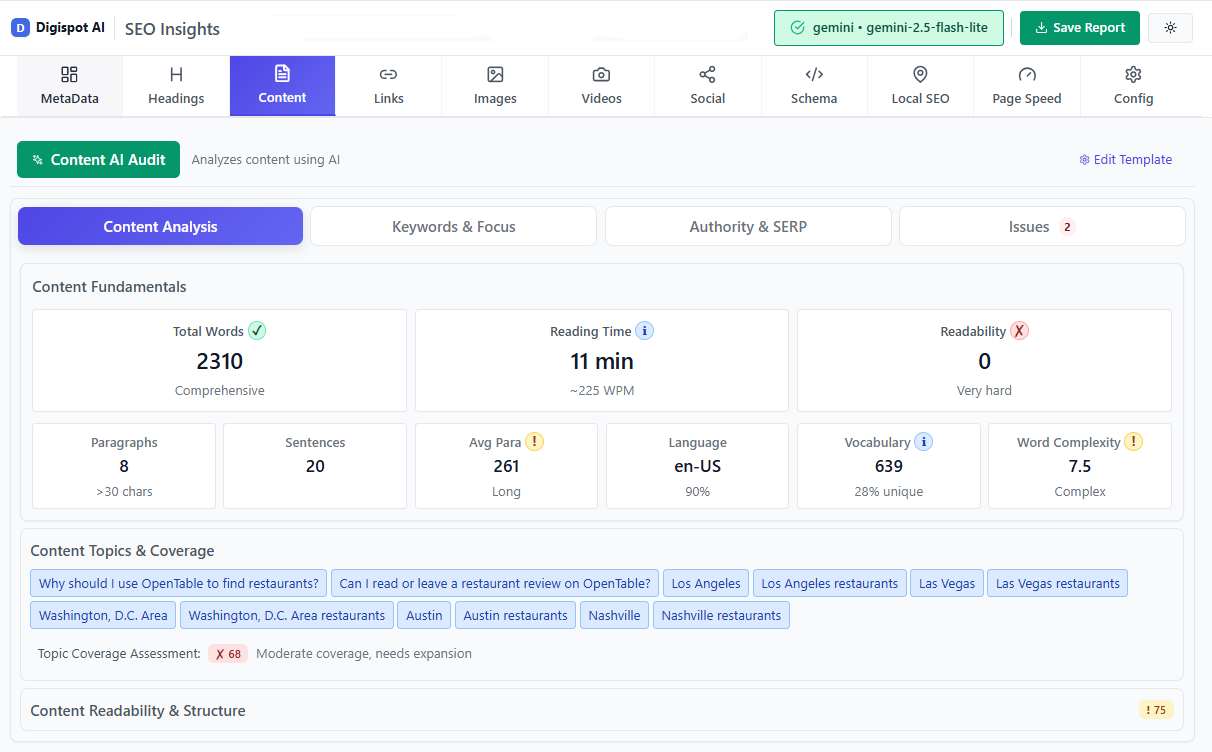
Turn invisible SEO data into clear visuals with our Free Chrome extension.
- Pillar Page: A comprehensive guide targeting a broad keyword (e.g., "Digital Marketing").
- Cluster Content: Specific articles targeting long-tail variations (e.g., "Email Marketing Tips," "Social Media Strategy," "SEO Basics").
- Internal Linking: Link all cluster pages back to the pillar, and the pillar to the clusters.
This structure tells Google you are an authority on the entire topic, not just one keyword. Learn more about structuring your site in our guide to on-page SEO best practices.
Optimizing for AI and Voice (The Future)
This is where 90% of guides fail you. They ignore the machines reading your content.
When a user asks ChatGPT, "How do I do keyword research?", the AI synthesizes an answer from trusted sources. To be that source, you must practice AEO (Answer Engine Optimization).
- Answer Directly: Start sections with clear, direct answers (Who, What, Where, When).
- Use Schema Markup: Structured data helps machines understand your content. Use the free Schema Markup Generator to create FAQ and Article schema in minutes.
- Be Conversational: Write like a human speaking to a human. Rigid, academic writing performs poorly in AI search.
Common Keyword Research Mistakes
Even pros make these errors. Avoid them to save time and budget.
1. Targeting Broad Terms
Ranking for "software" is impossible and useless. Ranking for "inventory management software for small retail" is profitable.
2. Ignoring Search Intent
If you write a blog post for a keyword where users want to buy a product, you will fail. If you create a product page for a "how-to" query, you will fail.
3. Cannibalization
This happens when you create two pages targeting the same keyword. Google won't know which one to rank, so it often ranks neither. Map one primary keyword to one page.
If you suspect you have duplicate content issues, use our SEO audit checklist to diagnose your site structure.
4. Ignoring Local Context
If you are a local business, "plumber" is a bad keyword. "Plumber in [City Name]" is the goal.
Tools to Accelerate Your Workflow
You can do this manually, but it takes time. Here is the toolkit for efficiency:
- Google Search Console: The only source of truth for what you already rank for.
- Google Trends: Great for seasonal topics.
- Digispot Chrome Extension: Get instant SEO insights, difficulty checks, and competitor data while you browse. Install Free.
- Digispot On-Page Analysis: Once you pick a keyword, verify your page is optimized correctly with the free On-Page SEO Analysis tool.
From Research to Revenue
Keyword research is not a checkbox; it is the blueprint for your content marketing.
By understanding what your users are searching for—and why they are searching for it—you stop creating content for the void and start building assets that generate leads while you sleep.
Your Action Plan:
- Identify 5 seed topics.
- Find 10 long-tail keywords per topic.
- Verify the search intent for each.
- Group them into topic clusters.
- Start writing.
Ready to take the guesswork out of your strategy? Try Digispot AI for comprehensive website audits, competitor intelligence, and actionable recommendations that help you rank on Google and AI platforms alike.
Keyword & Content Strategy Guides
Once you've mastered the fundamentals above, these guides take each stage of the workflow further:
- Understand demand with keyword search volume and spot rising topics using our guide to finding trending SEO keywords.
- Go deeper on discovery with a full keyword analysis strategy and by targeting long-tail keywords that convert.
- Match content to searchers by optimizing for search intent and running a content gap analysis to find what you're missing.
- Organize your terms with keyword clustering, a keyword mapping strategy, and the hub-and-spoke content model.
- Protect your rankings by fixing keyword cannibalization and holding your pages to strong content quality standards.
- Capture more SERP real estate by winning featured snippets and optimizing category pages.
Related deep-dives
Continue with these closely related guides:
- voice search seo — Voice Search SEO: The Complete Optimization Guide for 2026
References
Audit any page in seconds
300+ SEO checks including Core Web Vitals, schema markup, meta tags, and AI readiness — trusted by 1000+ SEO experts and marketers.
Frequently Asked Questions
Here are some of our most commonly asked questions. If you need more help, feel free to reach out to us.
Written by
Maya Krishnan
Digital growth expert
Maya is a seasoned expert in web development, SEO, and digital strategy, dedicated to helping businesses achieve sustainable growth online. With a blend of technical expertise and strategic insight, she specializes in creating optimized web solutions, enhancing user experiences, and driving data-driven results. A trusted voice in the industry, Maya simplifies complex digital concepts through her writing, empowering readers with actionable strategies to thrive in the ever-evolving digital landscape.