Search Intent SEO: Optimize for User Intent
Master search intent optimization for SEO success. Learn user intent types, keyword mapping, and content strategies to improve rankings.
 Maya Krishnan
Imagine a world where your website perfectly answers every question a potential customer types into a search engine. A place where your content isn't just "good," but it's exactly what users are looking for, at precisely the moment they're looking for it. This isn't a pipe dream; it's the power of search intent optimization, the strategic foundation that can transform your online visibility and connect you more authentically with your audience.
Forget the old-school method of simply chasing high-volume keywords. Today, understanding the "why" behind every search is your golden ticket to digital success. If you rank for a keyword but fail to satisfy the user's underlying goal, you are merely generating bounce traffic, not business growth. To succeed in modern SEO, you must understand how Google search works to prioritize user satisfaction above all else.
Key Takeaways
- Read the SERP, not just the keyword. The content type, format, and angle of the current top 10 results reveal what Google has already decided the intent is—match that before you write a single word.
- Map every keyword to a funnel stage. Informational and navigational queries build trust; commercial and transactional queries close deals. A clean keyword mapping strategy prevents cannibalization and wasted effort.
- One dominant intent per page. Trying to serve buyers and researchers on the same URL usually satisfies neither. Split fractured intent into separate, focused pages.
- Answer the core question in the first 60 words. This is how you win featured snippets and reassure users they landed in the right place, cutting the bounce rate that intent mismatches cause.
- Re-audit intent over time. SERPs shift as user needs change. Recheck the top results for your key pages on a schedule and refresh formats that have fallen out of step.
What Is Search Intent SEO: Optimize for User Intent?
At its core, search intent optimization (also known as user intent optimization) is the practice of aligning your content strategy with the specific goal a user has in mind when they type a query into a search engine. It is about stepping into the shoes of your audience and asking: "What are they truly trying to achieve?"
Are they looking to learn something new? Are they trying to navigate to a specific login page? Are they comparing product options? Or are they ready to pull out their credit card?
For years, SEO practitioners focused heavily on exact-match keywords. While keywords remain the vehicle for search, search engines have evolved dramatically. Through semantic search and natural language processing (NLP), Google no longer just matches characters; it interprets context and meaning. It helps to keep these two ideas separate: search intent is the goal a user is trying to accomplish, while semantic search is how engines interpret the query to figure out that goal. If a search engine understands what a user wants to do, and your content clearly fulfills that want, you're on the fast track to higher rankings and more engaged visitors. If you're still building the underlying keyword list, start with our keyword research guide for beginners.
The Evolution from Keywords to Conversations
Early search engines were like librarians who only looked at book titles. If you asked for "apple," you might get a book about fruit, a computer manual, or a record label history. Today's search engines, powered by AI, act more like expert consultants. They analyze the context—your location, search history, and phrasing—to determine if you want a snack, a laptop, or music.
Aligning with this evolution is critical. When you optimize for search intent, you aren't just pleasing an algorithm; you are providing value to a human being. This alignment reduces friction in the buyer's journey and positions your brand as a helpful authority.
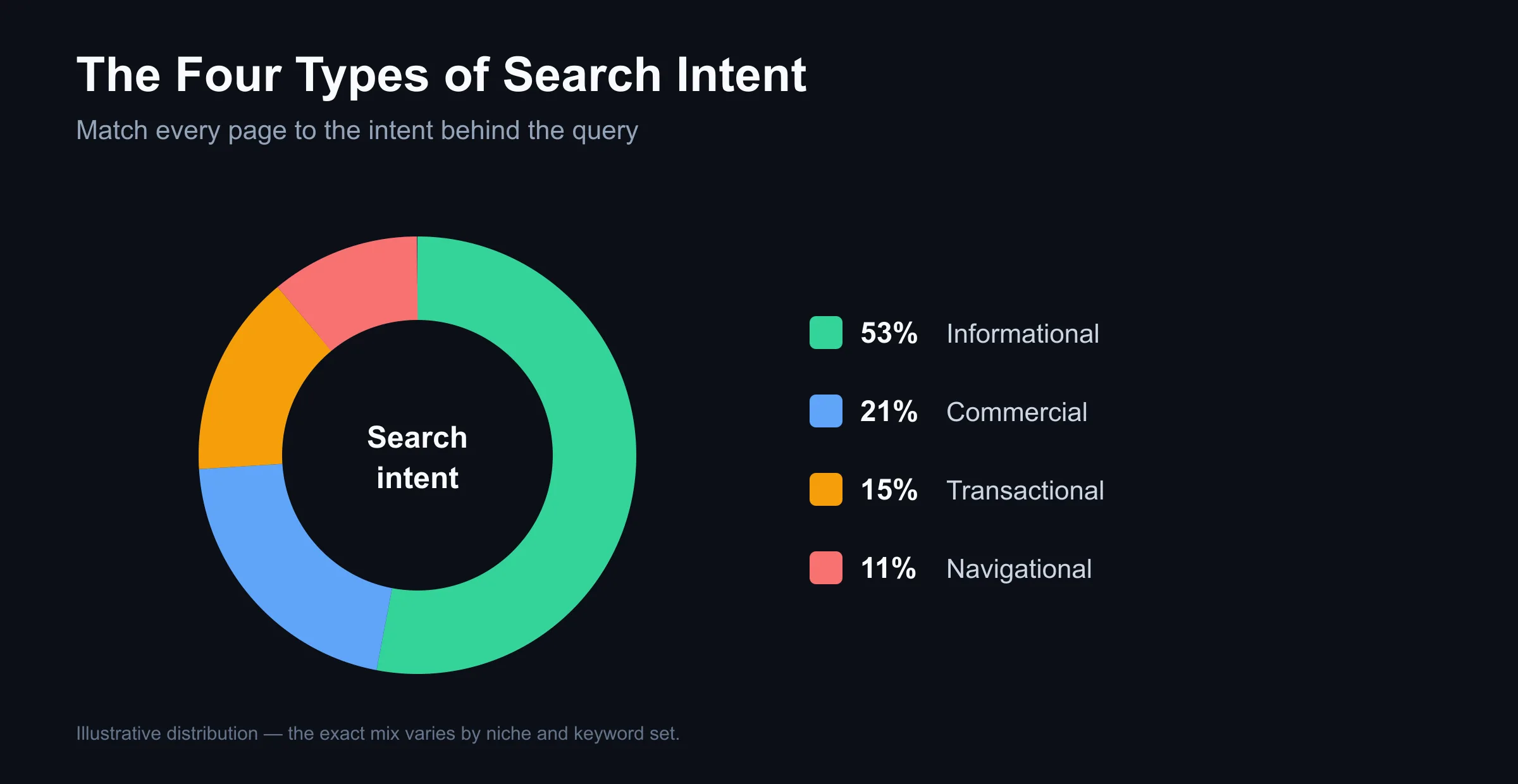
The Four Pillars of Search Intent
To truly master search intent, you must understand the primary categories used by SEO professionals and search engines alike. These are widely recognized classifications that help us categorize what a user is trying to accomplish.
1. Informational Intent
The user is seeking information, answers to questions, or knowledge about a topic. They are in research mode and not necessarily looking to buy—yet. This makes up a vast majority of web searches.
- User Mindset: "Teach me," "Explain this," "How does this work?"
- Keywords Modifiers: "what is," "how to," "best ways to," "examples of," "history of," "facts about," "tutorial," "guide."
- Examples: "What is photosynthesis?", "How to bake sourdough bread," "Benefits of meditation," "SEO audit checklist."
- Best Content Formats:
- Step-by-step tutorials
- Comprehensive "Ultimate Guides"
- Definition-style articles (perfect for featured snippets)
- Infographics and checklists
- FAQ pages
Pro Tip: For informational intent, credibility is key. This is where you demonstrate E-E-A-T (Experience, Expertise, Authoritativeness, and Trustworthiness). Digispot AI can help you identify content gaps in your informational articles to ensure they are comprehensive.
2. Navigational Intent
The user wants to find a specific website or webpage. They already know where they want to go but are using the search engine as a shortcut instead of typing the full URL.
- User Mindset: "Take me to [Brand]."
- Keywords Modifiers: Brand names, website names, specific product names followed by "login," "contact," "support," or "pricing."
- Examples: "Facebook login," "Nike official website," "Digispot AI pricing," "NYT crossword."
- Best Content Formats:
- Clear, optimized Homepages
- Dedicated Landing Pages
- "About Us" and "Contact" pages
- Login portals
Note: It is difficult to rank for navigational queries for a different brand. If someone searches for "Adidas," showing them "Nike" content is rarely successful because their intent is brand-specific.
3. Commercial Investigation Intent
The user is researching products or services with the intent to make a purchase soon, but they haven't decided on the specific solution yet. They are in the "consideration" phase of the funnel, comparing options and looking for third-party validation.
- User Mindset: "Help me choose," "Which is better?", "Is this worth the money?"
- Keywords Modifiers: "best [product]," "[product] reviews," "[product A] vs [product B]," "top rated," "affordable," "alternatives to."
- Examples: "Best noise-cancelling headphones 2026," "iPhone 15 vs Samsung S24," "Digispot AI features," "Best SEO tools for small business."
- Best Content Formats:
- Comparison tables and articles
- "Best of" listicles
- In-depth product reviews
- Case studies and whitepapers
- Feature breakdown pages
4. Transactional Intent
The user is ready to make a purchase, sign up for a service, or complete a specific action. They have their wallet open (or are about to). This is the bottom of the funnel where conversions happen.
- User Mindset: "I'm ready to buy," "Sign me up."
- Keywords Modifiers: "buy," "discount," "coupon," "price," "sign up," "order," "download," "schedule demo."
- Examples: "Buy running shoes online," "Adobe Photoshop free trial," "Digispot AI demo," "Order pizza near me."
- Best Content Formats:
- E-commerce product pages (PDPs)
- Pricing pages with "Select Plan" buttons
- Checkout pages
- High-converting landing pages for specific offers
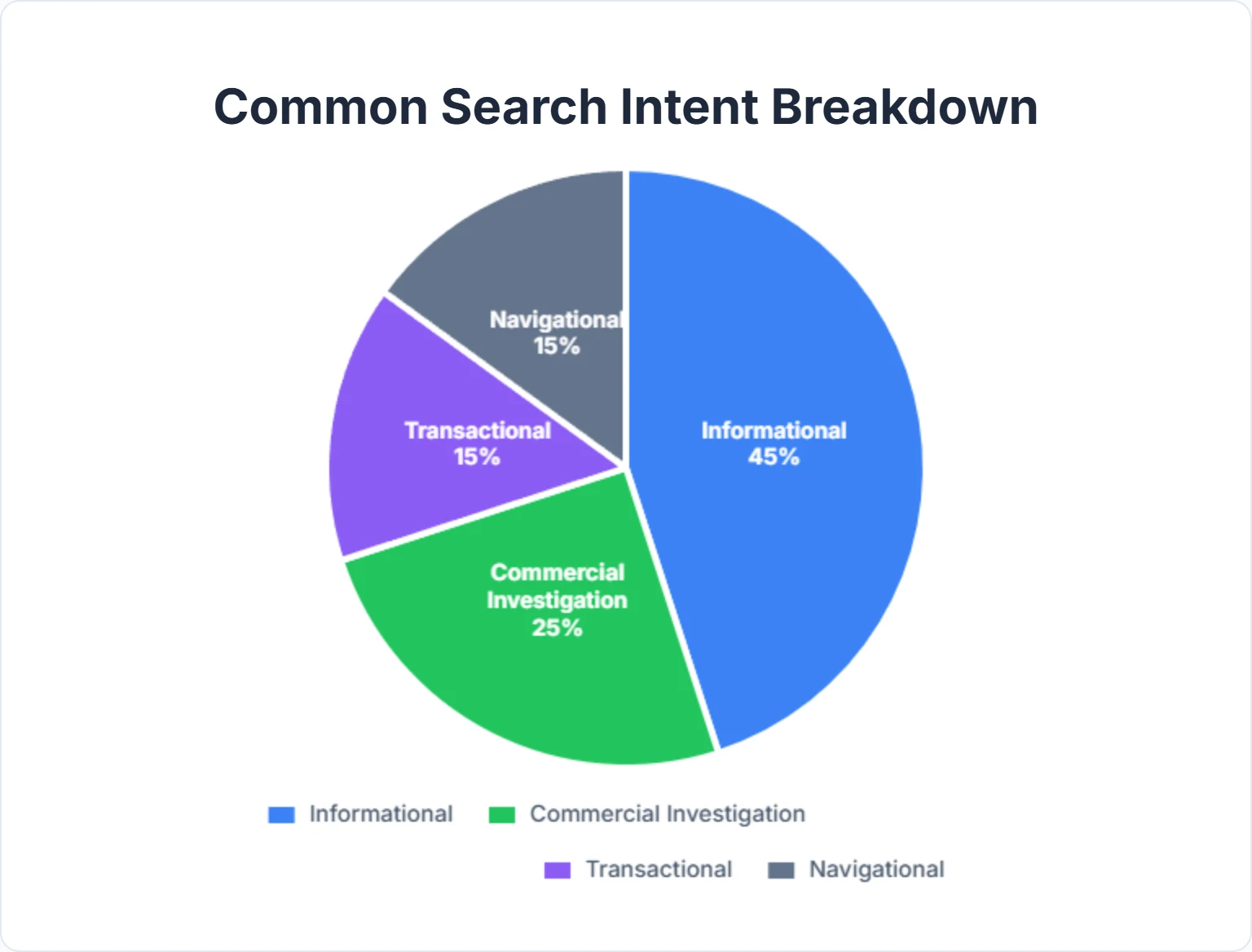
Understanding these distinctions is the first critical step. Without it, you're essentially shooting in the dark, hoping your content accidentally hits the mark.
The Problem of "Fractured" or Mixed Intent
Not every keyword falls neatly into one bucket. Sometimes, a search term is ambiguous, and Google serves a "mixed intent" SERP (Search Engine Results Page).
Consider the keyword "SEO audit."
- Some users want to learn how to do an audit (Informational).
- Some users want to buy an audit tool (Commercial/Transactional).
- Some users want to hire an agency to do it (Transactional).
When you encounter mixed intent, analyze the top 10 results. If Google shows a mix of software product pages and "How to" guides, you have a choice: target the intent that aligns with your business goals, or create multiple pages (a guide and a product page) to capture different segments of that traffic.
Here is how that plays out in practice for "SEO audit." Rather than forcing one page to be both a tutorial and a sales pitch, build a comprehensive informational guide that ranks for the "how to" segment, then link internally from that guide to a dedicated product or service page for readers who decide they would rather buy a tool or hire help. The guide captures the top-of-funnel researchers and earns links; the transactional page captures the ready-to-act minority. This mirrors the funnel logic in your broader keyword mapping strategy—each URL owns one job, and internal links move users along the journey.
A word of caution: when you try to satisfy two intents on a single URL, you almost always dilute both. The researcher hits a wall of pricing tables; the buyer wades through 2,000 words of theory. Both leave. If you notice a page ranking for a query but shedding visitors quickly, mixed intent is a prime suspect—diagnose it the same way you would any bounce-rate problem, by comparing what the SERP promises against what your page actually delivers first.
Why is Search Intent Optimization So Crucial for Your Business?
The benefits of aligning your content with search intent are multifaceted and directly impact your bottom line. It's not just about pleasing search engines; it's about serving your human audience better. When you get this right, you stop fighting the algorithm and start working with it.
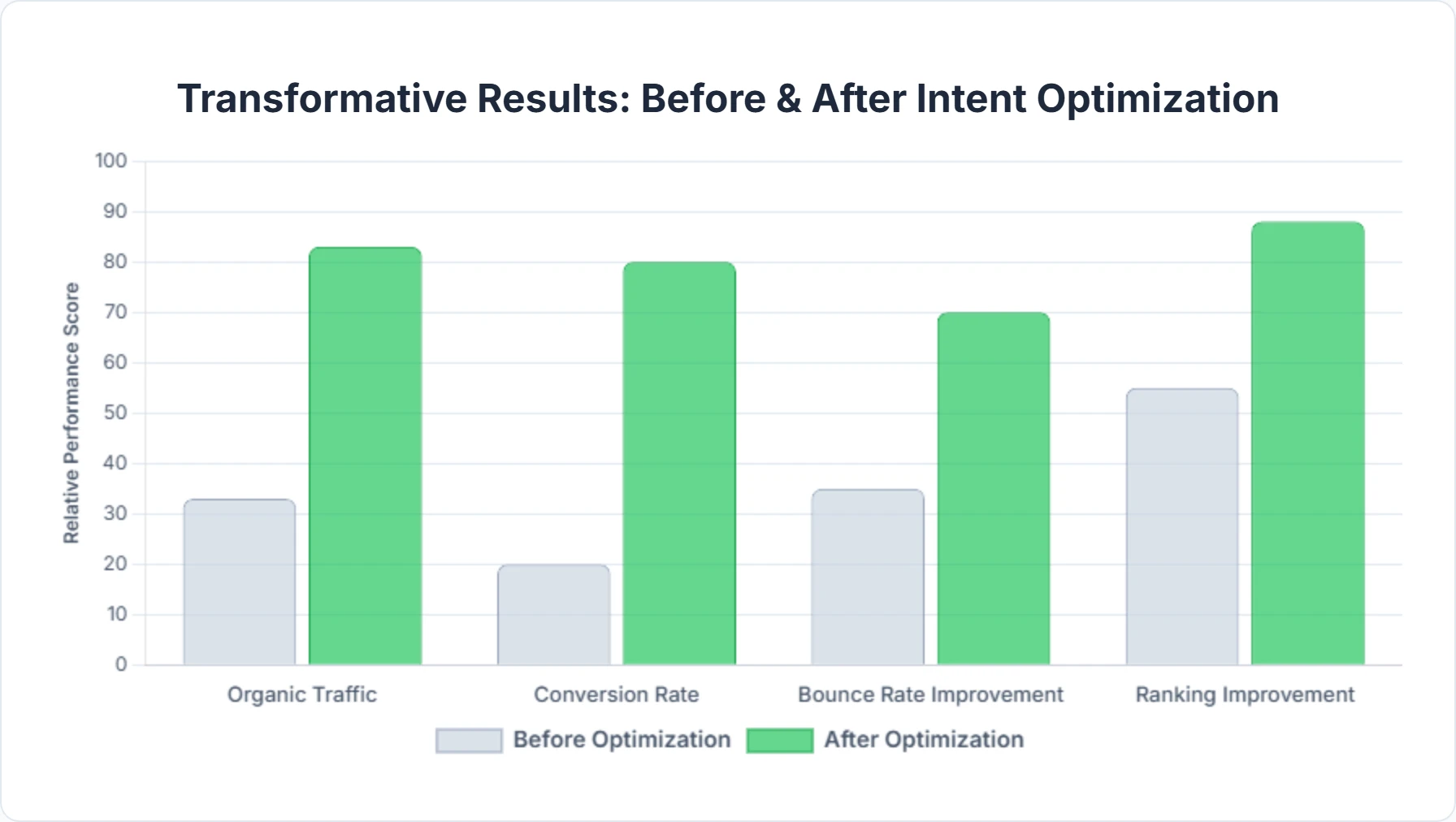
Table 1: Key Benefits of Search Intent Optimization
| Benefit | Explanation | Impact on Your Business |
|---|---|---|
| Higher Rankings | Search engines prioritize content that best matches user intent. Fulfilling intent signals quality and relevance. | Improved visibility on SERPs, leading to more organic impressions and clicks. Your website appears higher for relevant searches. |
| Increased Organic Traffic | When your content matches intent, more users click through to your site because it promises exactly what they need. | A surge in qualified visitors genuinely interested in your offerings, who are more likely to stay and engage. |
| Lower Bounce Rate | Visitors who find precisely what they're looking for are less likely to immediately leave your site (pogo-sticking). | Signals to search engines that your content is valuable and relevant, potentially further boosting rankings. Users spend more time exploring your site. |
| Higher Conversion Rates | By addressing the specific needs and stage of the buyer's journey, you guide users more effectively towards a purchase or desired action. | More leads, sales, and sign-ups. Your website becomes a more efficient sales and marketing tool rather than just a brochure. |
| Improved User Experience (UX) | A seamless experience where users quickly find relevant, helpful, and easily digestible information. | Builds trust and loyalty with your audience. Good UX also contributes to higher search engine rankings and reduces friction. |
| Competitive Advantage | Many businesses still focus purely on keywords. By mastering intent, you differentiate yourself and outperform competitors. | Capturing market share by serving your audience better and cornering niche intent-based searches that competitors overlook. |
| Future-Proof SEO | As AI in search engines becomes more sophisticated, understanding intent will only grow in importance. | Your SEO strategy remains relevant and effective as search technology evolves, focusing on truly helpful content. |
Ignoring search intent is akin to building a beautiful store but stocking it with products no one wants to buy. You might attract some initial glances, but sustained success will be elusive.
How to Identify Search Intent: Uncovering the User's "Why"
Identifying search intent requires a blend of intuition, strategic thinking, and powerful tools. It is an ongoing process of analysis and refinement. While tools can give you metrics, your brain is the best asset for understanding human nuance.
Step-by-Step Guide to Identifying Intent:
1. Analyze the Keyword Itself
Language is the first clue. The phrasing usually gives away the user's mindset.
- Short Tail vs. Long Tail: Shorter keywords (e.g., "SEO") are often broad and might have mixed intent. Longer, more specific keywords (e.g., "how to do local SEO for small business") almost always indicate informational or commercial investigation intent.
- Action Verbs: Look for verbs. "Fix," "repair," "buy," "learn," "compare."
- Negative Modifiers: Words like "free" often indicate a user with low transactional intent (they aren't ready to pay), whereas "premium" or "enterprise" signals high value.
- Example: "best CRM software" clearly indicates commercial investigation. "CRM software pricing" points to transactional intent.
2. Examine the Search Engine Results Page (SERP)
Google has billions of data points. The current top-ranking pages are a "cheat sheet" telling you exactly what Google believes users want. This is the most reliable way to determine intent. Analyze the "Three Cs of Search Intent":
-
Content Type: What is the dominant type of content?
- Blog Posts: Informational intent.
- Product Pages/Category Pages: Transactional intent.
- Videos: Informational (visual/tutorial) intent.
- Tools/Calculators: Utility intent.
- Example: If you search "how to make bread," you see recipes and instructional videos. If you search "buy bread maker," you see product listings.
-
Content Format: How is the content structured?
- How-to Guides: Step-by-step instructions.
- Listicles: "Top 10," "7 Best."
- Reviews: In-depth analysis.
- Comparisons: Product A vs. Product B.
-
Content Angle: What is the unique selling point or "hook"?
- For Beginners: Simplified content.
- Cheapest/Budget: Price-focused.
- Fastest/Quick: Efficiency-focused.
- In-depth: Comprehensive authority.
3. Analyze SERP Features
Pay attention to rich snippets, "People Also Ask" (PAA) boxes, featured snippets, knowledge panels, and shopping carousels. These features directly reflect common user intents for that query.
- Featured Snippets: Usually indicate a specific informational question that needs a concise answer.
- Shopping Carousels: Highly transactional.
- Video Carousels: Visual learning preference.
- Local Pack (Map): Local navigational or transactional intent ("near me").
- People Also Ask: Reveals the next questions users have, helping you outline your content depth.
4. Leverage User Behavior Data
Your own data is a goldmine.
- Google Search Console: This free tool provides invaluable insights.
- CTR (Click-Through Rate): A low CTR for a high-ranking page might indicate a mismatch between your title tag and user intent.
- Queries: Check which queries are driving impressions to a page. Are they relevant?
- Google Analytics:
- Bounce Rate / Engagement Rate: High bounce rates on specific pages often mean the content failed to deliver on the promise of the search query.
- Dwell Time: If users leave after 10 seconds, you likely didn't answer their question fast enough.
5. Consider the Customer Journey Stage
- Awareness: Users are just discovering a problem or need. (Informational intent)
- Consideration: Users are exploring solutions and comparing options. (Commercial investigation intent)
- Decision: Users are ready to make a choice. (Transactional intent)
Understanding where a user is in their journey helps you predict their intent and craft appropriate Calls to Action (CTAs).
How Digispot AI Assists in Intent Identification
While manual analysis is crucial, it can be time-consuming, especially for large websites. This is where an AI SEO platform like Digispot AI becomes incredibly powerful. Digispot AI is designed to help businesses rank better by bringing all SEO best practices into an automated, user-friendly model.
- Advanced Keyword Analysis: Digispot AI processes massive datasets, categorizing keywords by predicted intent more rapidly than manual methods.
- SERP Feature Detection: The platform analyzes SERP features for thousands of keywords, providing insights into content types and intent signals that might be missed manually.
- Integration with Google Search Console & Analytics: By integrating directly with these tools, Digispot AI correlates search queries with on-site behavior, automatically flagging potential intent mismatches. For example, it can highlight a blog post that is ranking for transactional keywords but failing to convert, suggesting a need to add stronger CTAs or product links.
- Opportunity Finder: This feature actively spots opportunities where competitors are missing specific intent-based queries, allowing you to create targeted content to fill those gaps. Pair it with a deliberate content gap analysis to see exactly which intents your rivals rank for that you have not yet addressed.
Digispot AI can help you identify and fix these issues automatically with AI-powered audits, saving you hours of manual spreadsheet work.
Optimizing Content for Search Intent: Practical Steps
Once you've identified the intent behind a keyword, the real work begins: crafting content that perfectly fulfills that intent. This is where what is search engine optimization really translates into actionable writing.
1. Match Content Type to Intent
This is the most fundamental step. You cannot force a round peg into a square hole.
- Informational Intent: Create in-depth blog posts, "how-to" guides, ultimate guides, infographics, or FAQ pages. Your goal is to educate.
- Navigational Intent: Ensure your technical SEO is sound so your "About Us," "Contact Us," and login pages are indexable and have clear meta data.
- Commercial Investigation Intent: Develop comparison articles ("Best X for Y"), expert reviews, case studies, or detailed service pages that highlight features and benefits. Use tables for easy scanning.
- Transactional Intent: Focus on clear product/service pages. Minimize distractions. Use high-quality images, clear pricing, and strong "Buy Now" or "Sign Up" buttons.
2. Structure Your Content for Clarity
Regardless of intent, clear content structure is paramount. Modern users scan; they rarely read every word.
- Headings (H1, H2, H3): Use them to outline the story. Ensure your H1 matches the search query.
- Inverted Pyramid Style: For informational queries, give the answer first, then explain the details. Don't bury the lead.
- Bullet Points: Essential for readability.
- Short Paragraphs: Limit to 2-3 sentences to prevent "walls of text" on mobile devices.
- Visuals: Use images to break up text. For commercial intent, use screenshots of your product.
3. Answer the Core Question Directly (Featured Snippet Optimization)
For informational queries, aim to answer the user's primary question within the first few paragraphs. This is crucial for securing Featured Snippets (Position Zero).
- Strategy: Ask the question in an H2 (e.g., "What is Search Intent?"). Immediately follow it with a concise, direct answer of 40-60 words. This structure is highly attractive to Google's algorithms.
4. Optimize for User Experience (UX)
A well-optimized page for intent is also a joy to use. Google's Core Web Vitals are now a ranking factor.
- Mobile-Friendliness: Most searches happen on mobile. Digispot AI audits websites in both mobile and desktop modes to ensure parity.
- Page Speed: Slow loading kills transactional intent immediately. Users won't wait to buy.
- Intrusive Interstitials: Avoid pop-ups that block the main content immediately upon load, as this frustrates users seeking quick information.
5. Incorporate Schema Markup
Schema markup (structured data) is code that helps search engines understand the type of content you're presenting. It explicitly tells the algorithm what the intent is.
- Product Schema: Essential for transactional pages. Displays price, availability, and ratings in SERPs.
- HowTo Schema: Perfect for informational guides. Can display steps directly in search results.
- FAQ Schema: great for capturing "People Also Ask" real estate.
- Review Schema: vital for commercial investigation pages to show star ratings.
Digispot AI's platform and its free community Chrome extension can assist with schema markup detection and validation, ensuring you aren't missing these critical signals.
6. Continual Auditing and Improvement
SEO is not a "set it and forget it" task. User intent shifts. For example, in early 2020, "mask" meant a beauty product. By March 2020, the intent shifted entirely to medical protection.
- Regular Audits: Use tools like the Digispot AI Chrome extension to periodically check your key pages.
- Monitor Performance: Check on-page SEO best practices regularly to ensure your content hasn't become stale.
- Refresh Content: If a page drops in rankings, check the SERP. Has the intent changed? Do users now prefer video over text? Pivot your strategy accordingly.
Advanced Search Intent Strategies
For those looking to go beyond the basics, these advanced strategies align with the latest shifts in search technology.
Optimizing for "Zero-Click" Searches
Many informational queries are now answered directly on the SERP via AI Overviews or Featured Snippets, resulting in zero-click searches.
- Strategy: Don't fight it. optimize for it. By winning the snippet, you gain massive brand authority. Even if the user doesn't click, they associate your brand with the answer. Furthermore, structure your content so that the snippet gives the "what," but the click gives the "how" and "why," enticing deep-divers to visit your site.
Voice Search and Conversational Intent
With the rise of smart speakers and mobile assistants, search queries are becoming more conversational and question-based. Voice queries also skew heavily toward local and immediate needs—"where's the nearest pharmacy open now" rather than "24 hour pharmacy."
- Strategy: Optimize for natural language. Instead of keywords like "weather Paris," users ask, "What is the weather like in Paris right now?" Include full questions in your H2s and FAQ sections to capture this long-tail voice intent. Structure answers as a single, spoken-length sentence directly beneath the question heading—assistants typically read back one concise response, so front-load the direct answer and save the elaboration for the paragraphs below. Because most voice results are pulled from featured snippets, the same featured-snippet formatting that wins Position Zero also wins the voice answer. Where the query implies location or timing ("near me," "open now," "today"), pair the conversational copy with accurate business hours and local structured data so the assistant has the facts it needs to serve you. These conversational, question-shaped phrases are classic long-tail keywords—lower volume individually, but high intent and easier to own.
Handling "Micro-Moments"
Google defines "Micro-Moments" as intent-rich moments when a person turns to a device to act on a need.
- I-want-to-know moments: Be the helpful teacher.
- I-want-to-go moments: Be the local solution (Local SEO).
- I-want-to-do moments: Provide the tool or checklist.
- I-want-to-buy moments: Provide the fast checkout.
Map your content calendar to these specific moments rather than just generic topics.
Digispot AI: Your Strategic Partner in Search Intent Optimization
The Digispot AI cloud platform is designed to bring all SEO best practices together in an automated, user-friendly model, enabling you to operate at scale with accuracy. When it comes to search intent optimization, Digispot AI offers a comprehensive suite of tools that can empower your efforts without being intrusive or overly promotional.
Here's how Digispot AI subtly supports your journey:
- Auditing and Issue Detection: The platform excels at auditing websites in both mobile and desktop modes. It meticulously scans for technical SEO issues, content gaps, and page performance problems across 300+ ranking factors. This includes identifying areas where your content might not be perfectly aligning with user intent—for example, if a page meant for transactional intent has too much informational fluff, or vice-versa.
- Seamless Integration: Its integration with Google Search Console and Google Analytics provides a holistic view of your performance. This allows you to connect specific search queries and user behavior directly with your content, giving you data-driven insights into how well you're fulfilling intent.
- Opportunity Finder: This feature helps you uncover keywords and topics where your competitors might be weak, or where there's unmet search intent. By understanding what users are searching for and what existing content isn't adequately addressing, you can create targeted content that fills these gaps.
- Content Studio with AI Agents: For generating SEO-optimized content, Digispot AI's Content Studio uses AI agents. These agents can be guided to produce content that directly addresses specific search intents, ensuring your articles, product descriptions, or landing pages are tailored to inform, persuade, or convert, as needed.
- Visualization and Reporting: Digispot AI provides clear visualizations of your website's performance and identified issues. This makes it easy to understand complex SEO data, including how well your pages are performing against their intended search intent, and what steps are needed to improve.
Leveraging the Digispot AI Free Community Chrome Extension
Beyond the full cloud platform, Digispot AI offers a valuable free community Chrome extension. This handy tool brings instant SEO auditing capabilities right into your browser, making it easy to quickly check individual pages for intent-related issues.
Imagine you're browsing a competitor's page or even one of your own, and you want a quick check. The extension can:
- Provide an instant audit: It audits your website page in your browser, powered by popular LLM models, giving you immediate feedback on various SEO factors. This can include readability, keyword usage, and even a preliminary assessment of how well the page's content matches the likely intent for its primary keywords.
- Support schema markup: It helps you audit, detect, and visualize schema markup directly on any page. This is incredibly useful for ensuring your structured data is correctly implemented to signal intent to search engines. If you're targeting transactional intent with a product page, the extension can quickly show if your
Productschema is valid and complete. - Identify potential intent mismatches: By quickly analyzing the page's content, headings, and overall structure, the extension can provide quick hints if the page seems to be targeting a different intent than its primary keywords suggest.
Get instant SEO insights on any page with our free Chrome extension.
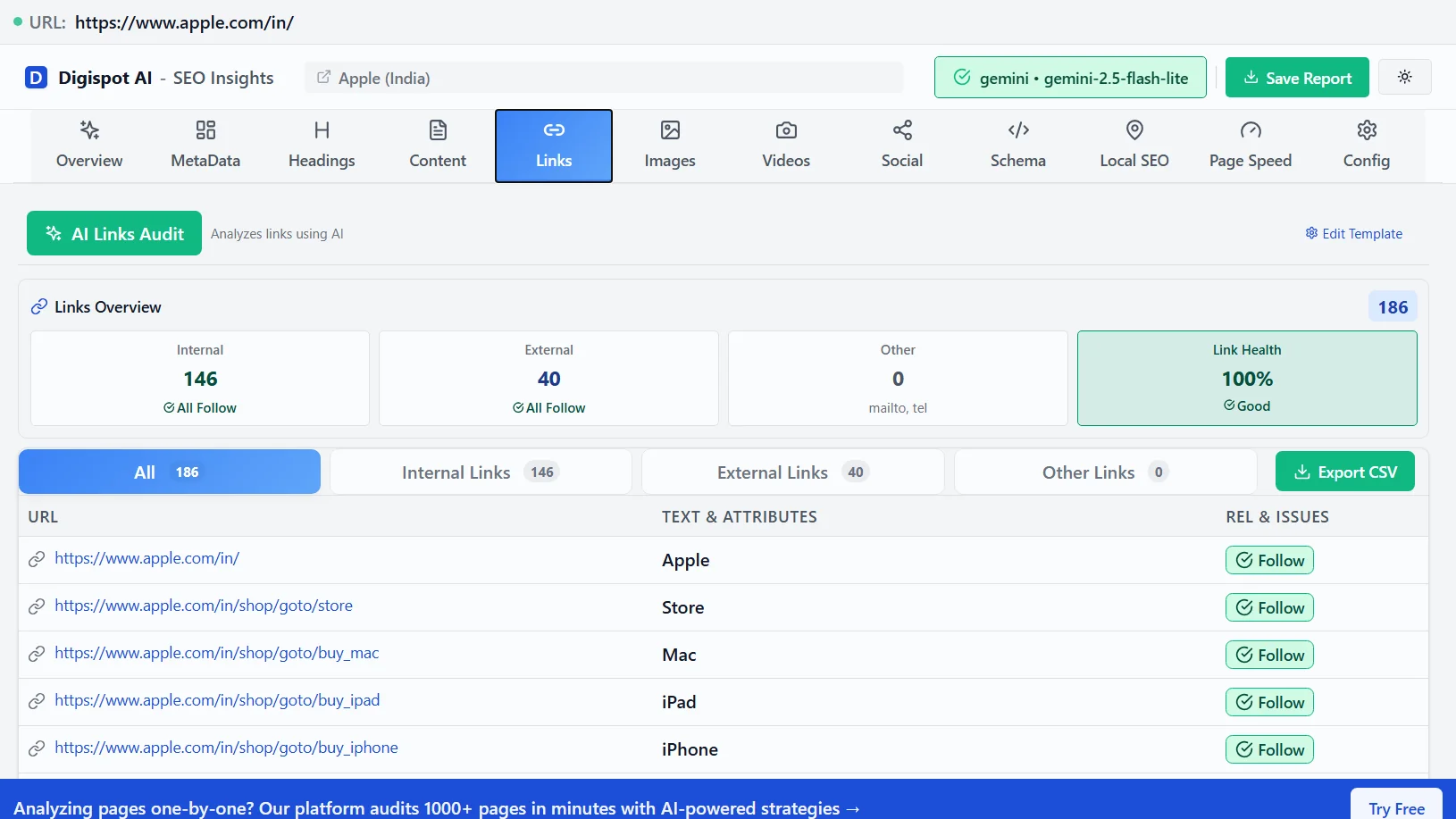
Business Outcomes: The Rewards of Intent Optimization
By embracing search intent optimization, businesses can achieve significant and measurable outcomes. This isn't just about vanity metrics; it's about business health.
- Improved Business Visibility: Ranking higher for truly relevant queries means more eyes on your brand from the people who matter most.
- Increase in Traffic and Business Leads: Attracting visitors who are actively seeking what you offer translates into higher quality traffic. You stop paying for "tire kickers" and start attracting buyers.
- Time and Cost Savings: An optimized strategy means less wasted effort on content that doesn't resonate and a more efficient allocation of your marketing budget. When you know precisely what your audience wants, you don't spend time creating content for the wrong intent.
- Higher Customer Lifetime Value (CLV): By providing helpful content at the informational stage, you build trust. When that user is eventually ready to buy, they are more likely to choose the brand that helped them learn.
Conclusion: Mastering the Art of Connection
Search intent optimization isn't just another SEO buzzword; it's a fundamental shift in how we approach digital marketing. It moves us beyond mere keywords to a deeper understanding of human needs and behaviors. By consistently asking "What does the user really want?", we can create content that not only pleases search engine algorithms but, more importantly, genuinely serves and connects with our audience.
To maintain a healthy website, you need to regularly review your strategy. Use resources like our SEO audit checklist to keep your content fresh and aligned with user needs.
Embrace the power of intent. Use the tools available, like the comprehensive Digispot AI platform for large-scale analysis and the handy Digispot AI Chrome extension for quick, on-the-fly audits. By aligning your content with the "why" behind every search, you won't just rank better; you'll build a more visible, valuable, and ultimately, more successful online presence. It's about building bridges between your solutions and your audience's needs, one perfectly optimized piece of content at a time.
Ready to improve your SEO? Try Digispot AI for comprehensive website audits and actionable recommendations that take the guesswork out of search intent.
Related deep-dives
Continue with these closely related guides:
- search box seo — Search Box SEO: Sitelinks & Schema Optimization
- competitor seo analysis — Competitor SEO Analysis: Winning Strategies
- programmatic seo with ai — Programmatic SEO Guide with AI: Scale Organic Traffic Without Spam
- digital marketing channels — Digital Marketing Channels: SEO, PPC & Strategy Guide
- luxury product seo — Luxury Product SEO: Premium Brand Optimization
- fashion ecommerce seo — Fashion Ecommerce SEO: Rank Your Apparel Store Higher
References
- Understanding Search Intent: Google's Perspective
- Google Search Console
- Google Analytics
- Understand how structured data works | Google Search Central
- Core Web Vitals | Google Search Central
- Mobile-friendly sites | Google Search Central
- Digispot AI - FREE On Page SEO Audit Tool
- Digispot AI - FREE Chrome Extension for SEO Insights
Audit any page in seconds
300+ SEO checks including Core Web Vitals, schema markup, meta tags, and AI readiness — trusted by 1000+ SEO experts and marketers.
Frequently Asked Questions
Here are some of our most commonly asked questions. If you need more help, feel free to reach out to us.
Written by
Maya Krishnan
Digital growth expert
Maya is a seasoned expert in web development, SEO, and digital strategy, dedicated to helping businesses achieve sustainable growth online. With a blend of technical expertise and strategic insight, she specializes in creating optimized web solutions, enhancing user experiences, and driving data-driven results. A trusted voice in the industry, Maya simplifies complex digital concepts through her writing, empowering readers with actionable strategies to thrive in the ever-evolving digital landscape.