Keyword Clustering SEO: Build Topical Authority in 2026
Stop targeting one keyword per page. Learn how to use keyword clustering to build topical authority, prevent cannibalization, and rank for more queries.
 Maya Krishnan
The days of mapping one keyword to one page are over. In the era of semantic search and AI-driven results, that approach is not just inefficient—it actively hurts your performance.
Search engines like Google and Bing, along with AI answer engines like Perplexity and ChatGPT, no longer look at keywords in isolation. They analyze context, intent, and the relationships between concepts. If you aren't grouping your keywords effectively, you are likely diluting your site's authority and confusing search crawlers.
This is where a keyword clustering SEO strategy becomes your strongest asset. By grouping semantically related terms, you can create powerhouse content that ranks for thousands of variations simultaneously, streamlines your site architecture, and future-proofs your brand against algorithmic volatility.
This guide details exactly how to build and execute a clustering strategy that drives traffic and establishes undeniable topical authority.
What is Keyword Clustering?
Keyword clustering is the process of grouping search queries that represent the same user intent into a single "bucket" or cluster. These clusters then inform the creation of a single, comprehensive page rather than multiple thin pages.
The Evolution from 1:1 Mapping
Historically, SEOs practiced a strict 1:1 ratio:
- Page A targets "cheap running shoes"
- Page B targets "affordable jogging sneakers"
- Page C targets "discount athletic footwear"
Today, Google's RankBrain and BERT algorithms understand that these three users want the exact same thing. If you create three separate pages, you force them to fight for the same rankings—a phenomenon known as keyword cannibalization.
Clustering unifies these terms. A single, high-quality page optimized for the cluster "affordable running shoes" can rank for all three variations, plus hundreds of long-tail derivatives.
Why Clustering Is Critical for SEO and AEO
Implementing a clustering strategy isn't just about tidying up your spreadsheets. It impacts your bottom line by addressing how modern search engines function.
1. Establishing Topical Authority
Google prioritizes sites that demonstrate expertise (E-E-A-T). When you cover a keyword cluster comprehensively, you signal that you are an authority on that specific topic. This is essential for ranking in competitive niches.
2. Optimization for AI Search (AEO)
AI platforms like ChatGPT, Claude, and Google's AI Overviews function differently than traditional search. They synthesize information based on semantic relationships.
Digispot AI analyzes these relationships using multi-LLM engines. When your content is clustered effectively, AI models can easily parse the breadth of your knowledge, making it more likely your content will be cited as a source in an AI-generated answer.
3. Maximizing Crawl Budget and Link Equity
Fewer, higher-quality pages are better than thousands of low-value ones. Clustering allows you to consolidate link equity (backlinks) into fewer URLs, making those pages significantly stronger. It also ensures search bots spend their time crawling your most important assets.
The Mechanics: How to Group Keywords
Successful clustering relies on data, not guesses. You cannot simply assume two keywords are related; you must verify how search engines view them.
SERP Overlap Analysis
The gold standard for clustering is SERP Overlap. This metric looks at the top 10 search results for two different keywords to see how many URLs they share.
- High Overlap (3+ shared URLs): Google considers these keywords to have the same intent. Action: Cluster them on one page.
- Low/No Overlap: Google sees these as distinct topics. Action: Create separate pages.
Example:
-
Keyword A: "SEO audit tools"
-
Keyword B: "Website analysis software"
-
Result: Google shows Digispot AI, Semrush, and Ahrefs for both.
-
Conclusion: Cluster together.
-
Keyword A: "SEO audit tools"
-
Keyword B: "How to do an SEO audit"
-
Result: "Tools" shows software homepages; "How to" shows blog guides.
-
Conclusion: Keep separate. One is transactional/investigation; the other is informational.
Step-by-Step Keyword Clustering Strategy
Follow this workflow to transform a list of keywords into an actionable content map.
Step 1: Broad Data Collection
Start by gathering raw keyword data. You want a massive list, not a filtered one.
- Export your existing rankings from Google Search Console (GSC).
- Pull competitor keyword lists.
- Use "People Also Ask" scrapers.
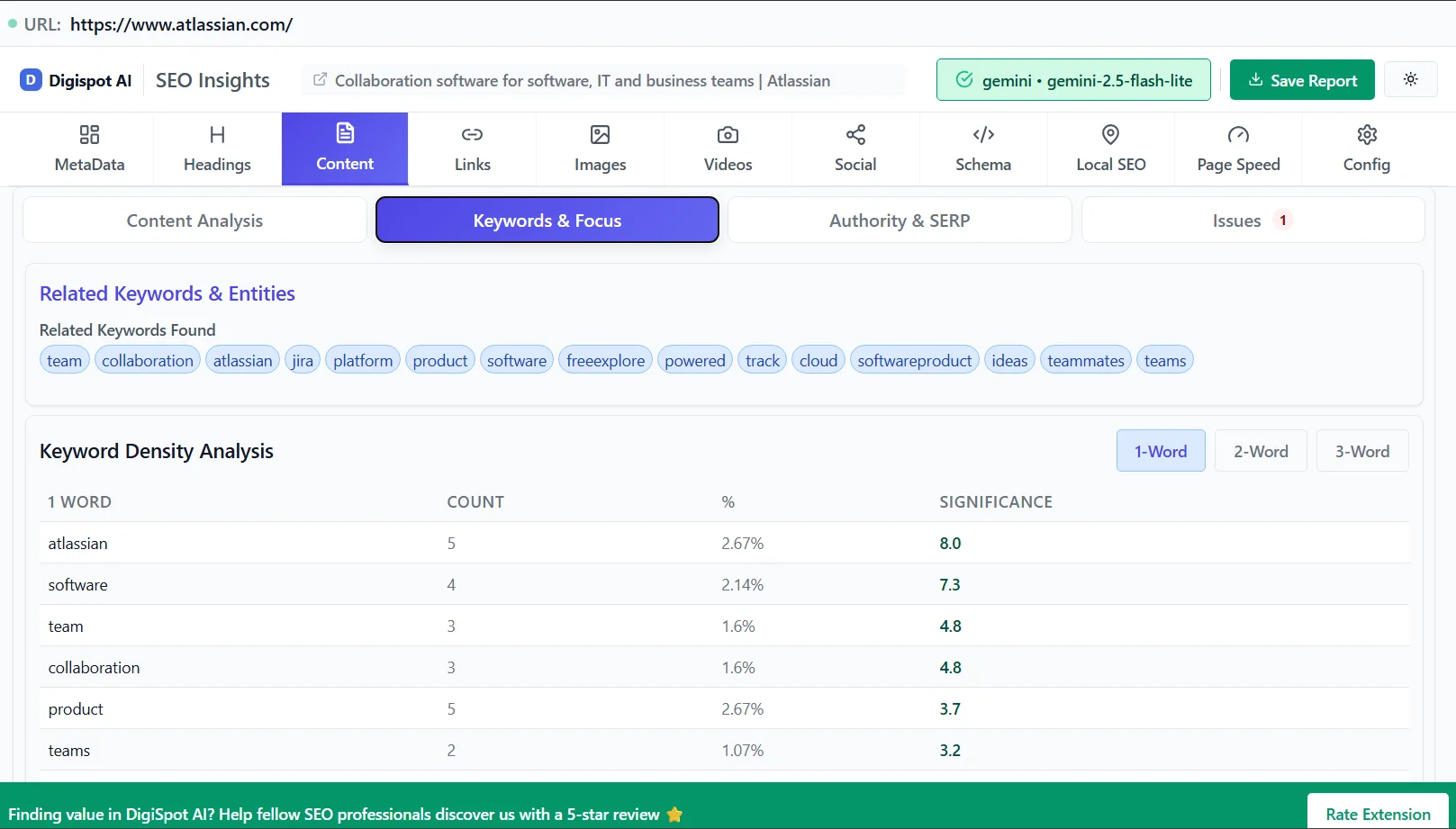
Pro Tip: Don't filter out low-volume keywords yet. Long-tail variations are often the glue that holds a cluster together.
Step 2: Clean and Segment
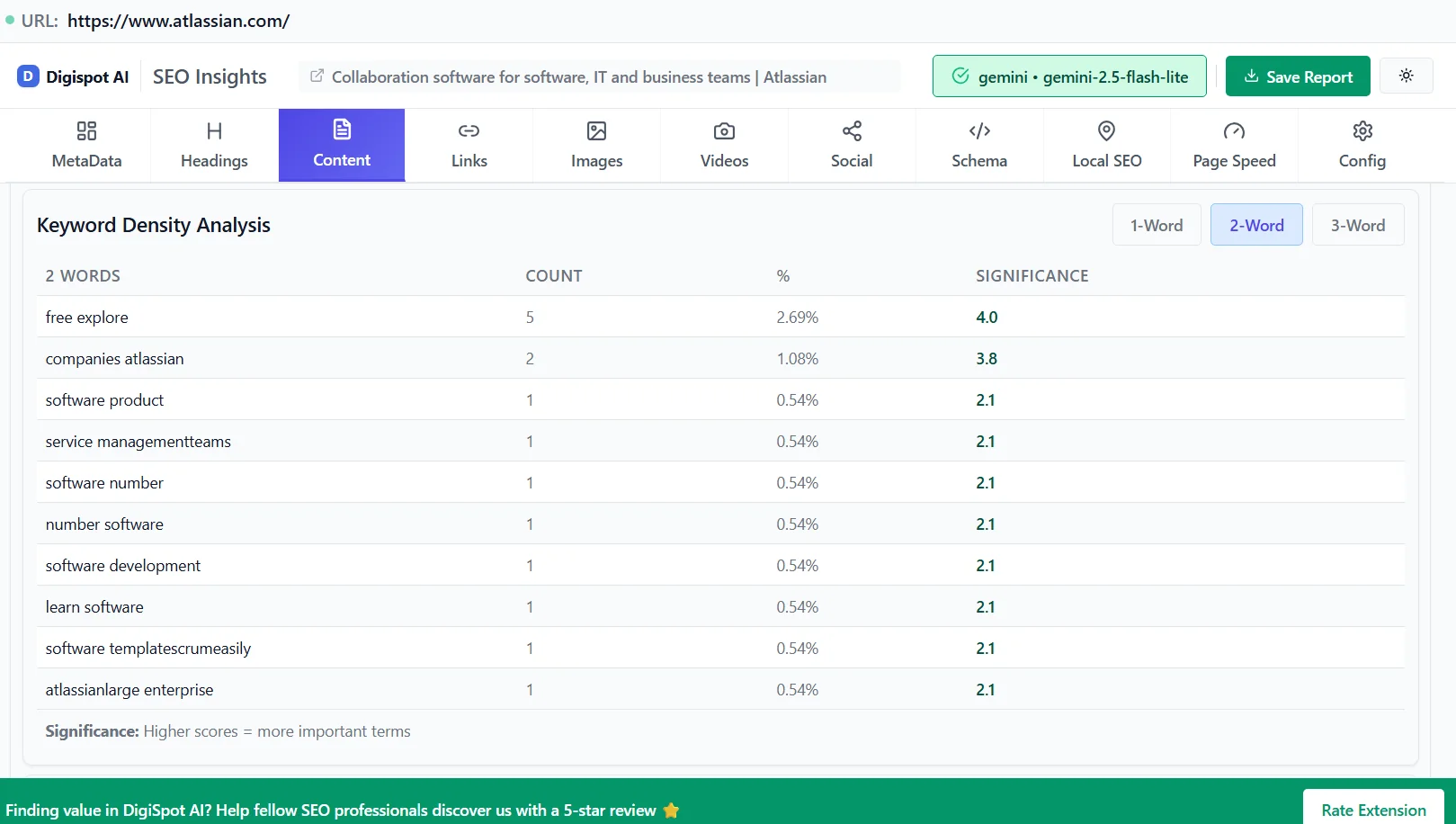
Remove irrelevant terms (e.g., brand names of competitors you don't want to target, or irrelevant locations). Group the remaining list by broad topic buckets (e.g., "Shoes," "Jackets," "Accessories") to make the dataset manageable.
Step 3: Analyze Intent and Overlap
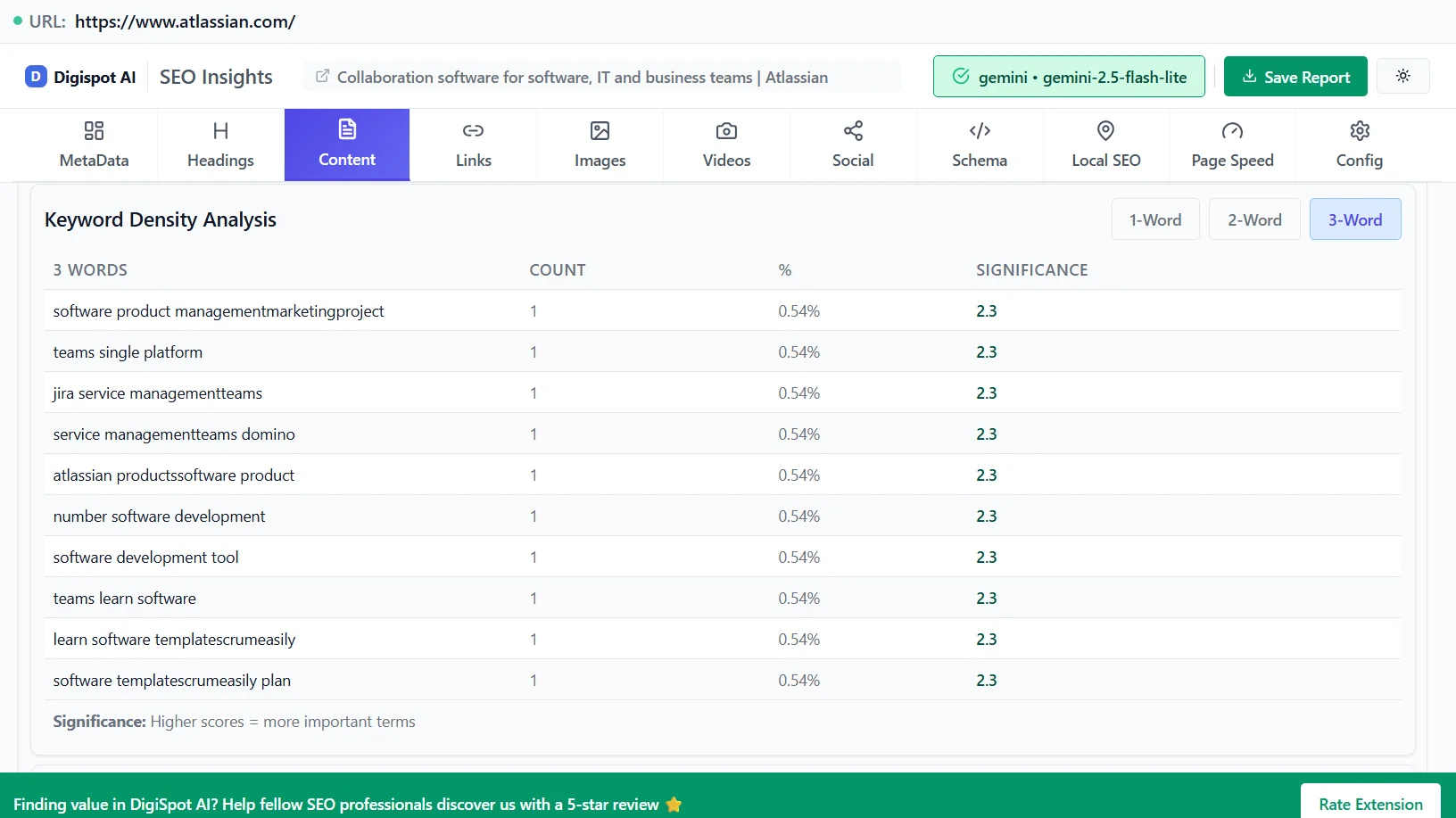
This is the heavy lifting. You need to determine if "best leather cleaner" and "how to clean leather" belong together.
- Informational Intent: Users want to learn (Guides, How-tos).
- Commercial Intent: Users are comparing options (Best X vs Y, Reviews).
- Transactional Intent: Users are ready to buy (Buy X, Coupon).
Use the SERP overlap method described above. If you do this manually, check the top 3 results. If you use tools, look for clustering algorithms.
"Digispot AI can help you identify and fix these issues automatically with AI-powered audits analyzing 300+ ranking factors, ensuring you never target the wrong intent."
Step 4: Define the "Core" Keyword
Every cluster needs a representative keyword—usually the one with the highest search volume or the clearest intent. This becomes the primary focus for your URL slug and H1 tag. All other keywords in the cluster become secondary (H2s, body copy, alt text).
Step 5: Map to Content Types
Once clusters are defined, decide the format:
- Cluster A: "What is schema markup" -> Blog Post
- Cluster B: "Schema markup generator tool" -> Product/Tool Page
- Cluster C: "JSON-LD examples" -> Resource/Cheat Sheet
For technical topics, providing tools is often better than just writing about them. For example, if you are targeting schema terms, use the free Schema Markup Generator to add value, then wrap that tool in content targeting the cluster.
Architecture: The Hub and Spoke Model
Clustering operates at the page level, but it shines when applied to site architecture. This is often called the "Topic Cluster" or "Hub and Spoke" model.
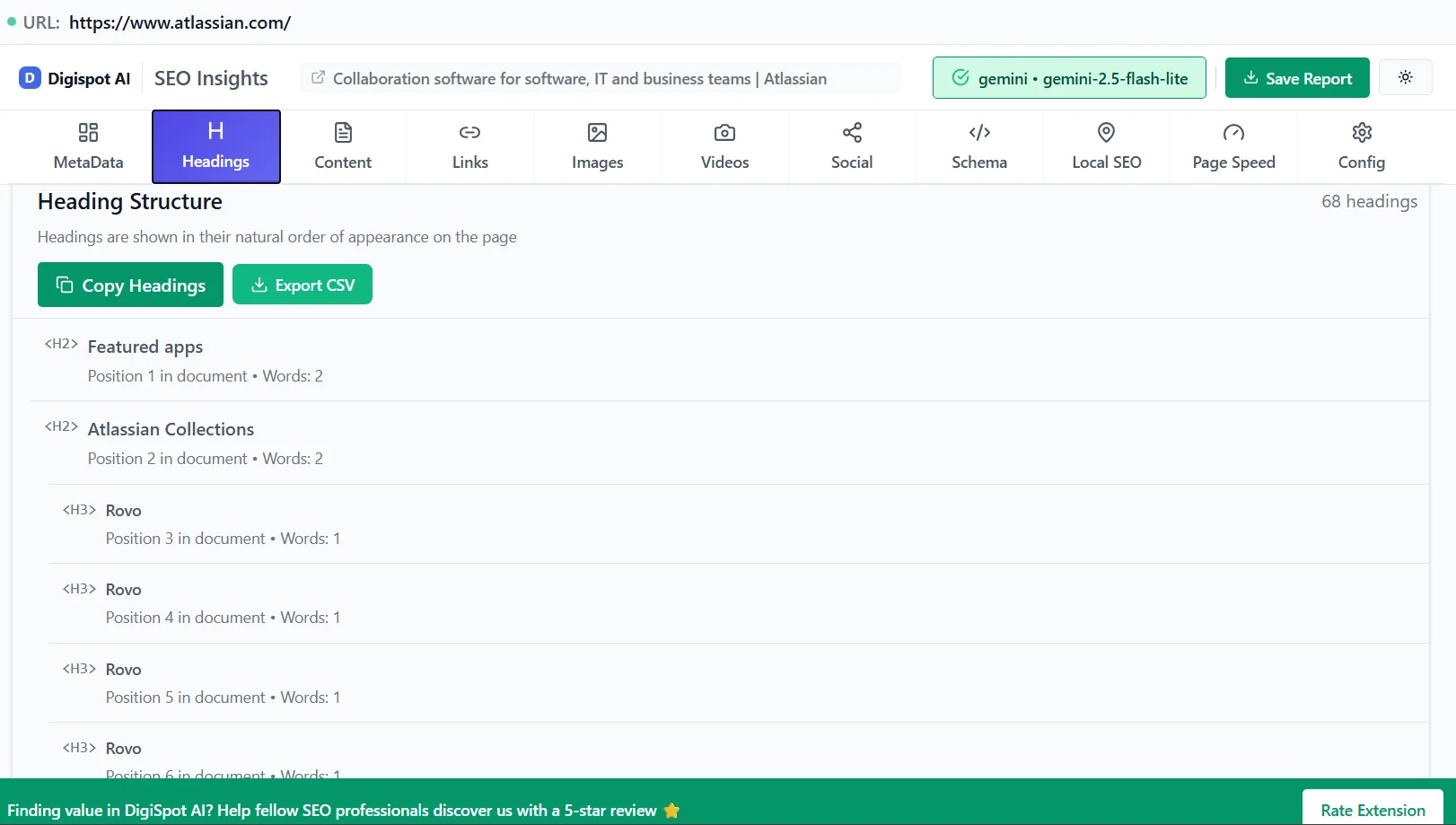
The Pillar Page (The Hub)
This covers the core keyword of a massive cluster broadly. It touches on every sub-topic but doesn't go deep into everything.
- Example: "The Ultimate Guide to Technical SEO"
The Cluster Content (The Spokes)
These are supporting pages targeting smaller, specific clusters related to the Hub. They link back to the Hub and to each other.
- Example: "How to Fix 404 Errors," "Understanding Canonical Tags," "XML Sitemap Best Practices."
Learn more about structuring these relationships in our guide to the Hub and Spoke Strategy.
Internal Linking
Connecting these clusters is non-negotiable. You must use descriptive anchor text to pass relevance between the Hub and Spokes. This helps search crawlers understand the hierarchy and relationship between the pages. Read more about internal linking strategies to distribute link equity effectively.
Solving Cannibalization with Clustering
One of the fastest ways to improve rankings is to fix existing cannibalization. If you have five blog posts all loosely about keyword research, Google will likely rank none of them well because it doesn't know which one is the "authority."
The Fix:
- Identify pages competing for the same keywords.
- Choose the strongest URL (best backlinks, traffic, or age).
- Merge the unique content from the weaker pages into the strong one.
- Set up 301 redirects from the old URLs to the consolidated page.
This aggregates all authority signals (links, clicks, engagement) into one URL.
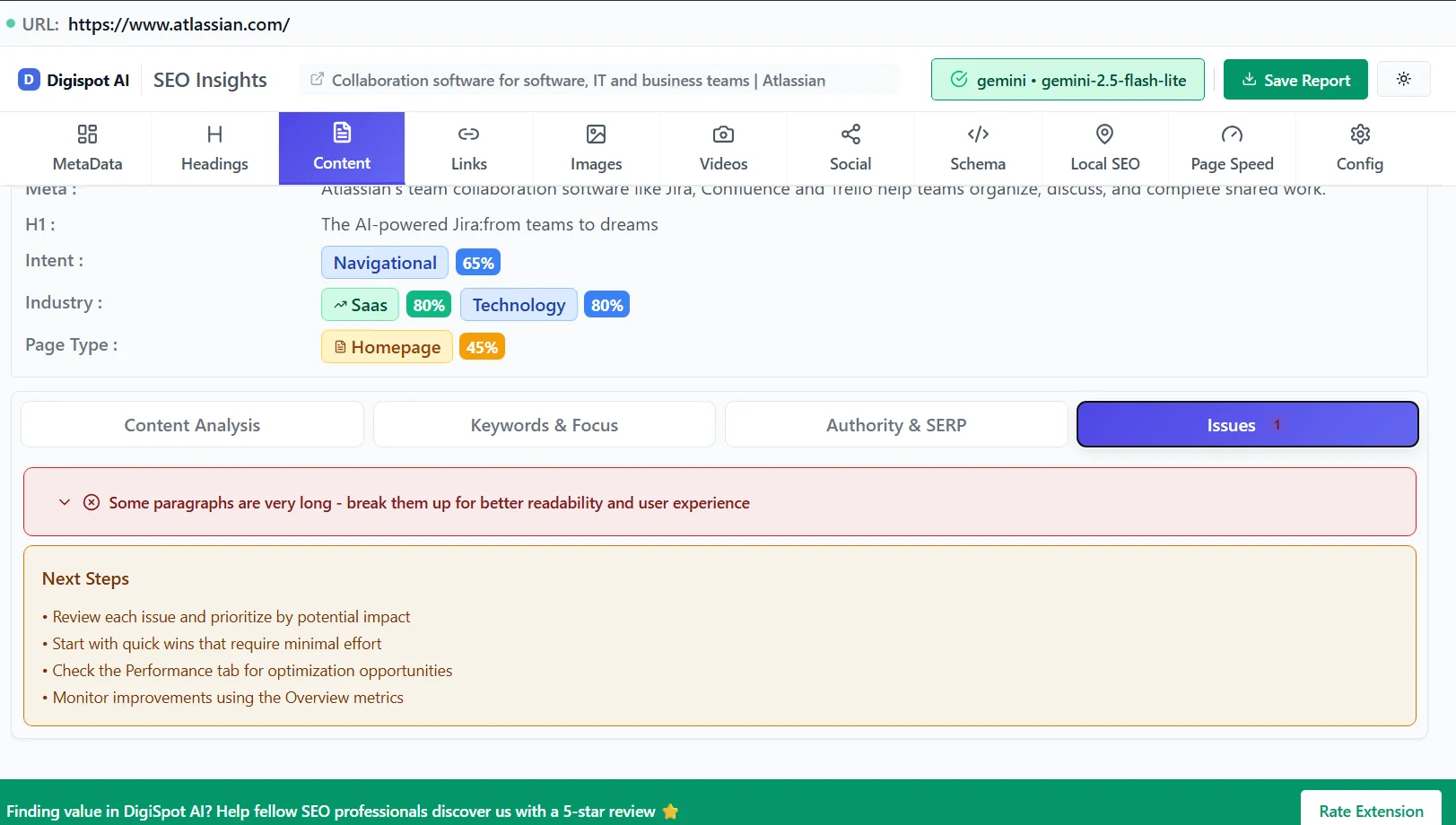
"Get instant SEO insights to spot these issues on any page with our free Chrome extension."
Advanced Clustering: Semantic Relevance
Modern SEO goes beyond simple synonyms. It involves Entities and LSI (Latent Semantic Indexing) concepts.
When targeting a cluster like "Coffee," search engines expect to see related entities such as:
- Beans (Arabica, Robusta)
- Equipment (Grinder, French Press)
- Chemistry (Caffeine, Acidity)
If your cluster content misses these semantic connections, it feels "thin" to an AI.
Using AI for Semantic Gap Analysis
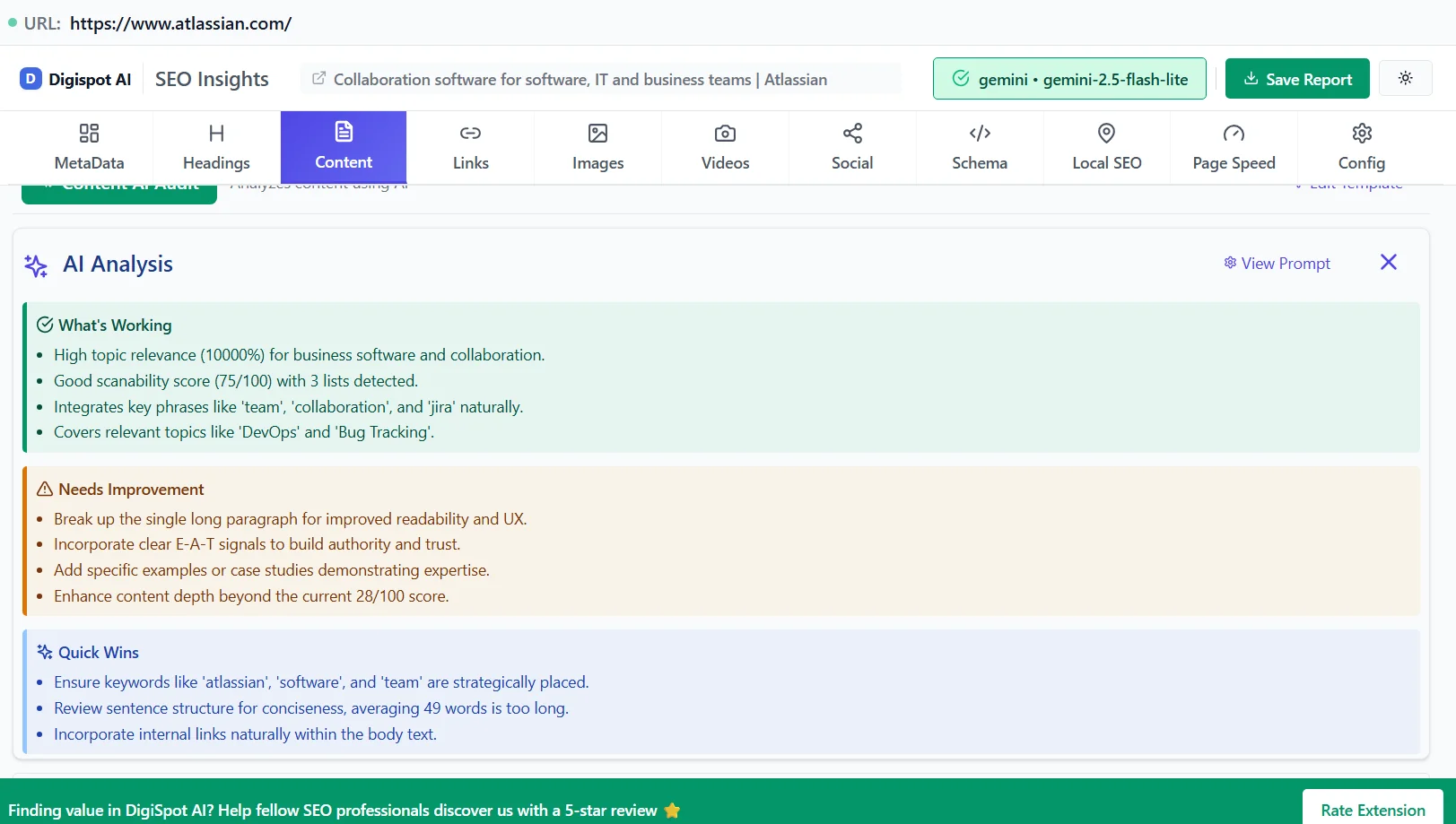
Tools like Digispot AI analyze the top ranking pages for a cluster to identify "missing entities"—concepts your competitors cover that you don't. Including these ensures your content is comprehensively optimized for On-Page SEO Best Practices.
Tools for Automating Keyword Clustering
While you can cluster manually using spreadsheets, it becomes impossible at scale (e.g., 5,000+ keywords).
Manual (Spreadsheets)
- Pros: Free, total control.
- Cons: Extremely slow, prone to human error, lacks real-time SERP data.
- Best for: Small blogs with under 50 pages.
Keyword Clustering Tools
- Pros: Automated SERP overlap analysis, intent categorization, fast processing.
- Cons: Subscription costs.
- Best for: Agencies, enterprise sites, and serious growth strategies.
Digispot AI differentiates itself by using a multi-LLM approach (GPT-4, Claude, etc.) to understand the nuance of keywords, not just string matching. This is vital for complex B2B industries where intent is subtle.
Measuring the Success of Your Clusters
How do you know if your strategy is working? Monitor these KPIs:
- Number of Keywords Ranking per Page: A successful cluster page should rank for dozens, sometimes hundreds, of keywords. Check this in GSC.
- Topical Visibility: Are you ranking for the entire topic, or just one term?
- Engagement Metrics: Users landing on a comprehensive cluster page should spend more time on site (dwell time) because their query was fully answered.
- Zero-Click Appearances: Are your defined answers appearing in Featured Snippets or AI Overviews? Learn more about optimizing for Zero-Click Searches.
Common Clustering Mistakes to Avoid
- Over-Clustering: Grouping loosely related terms that actually have distinct intents. If the SERP results are different, keep them separate.
- Ignoring Search Intent: Grouping "buy shoes" (transactional) with "history of shoes" (informational). These require different page templates.
- Forgetting to Update: Search intent changes. A term that was informational last year might become commercial this year. Regular audits are required. Use our SEO Audit Checklist 2026 to stay on track.
Start Improving Your Keyword Strategy Today
Keyword clustering is the difference between a chaotic, underperforming website and a structured, authoritative brand. By aligning your content with how search engines actually understand language, you build a foundation that withstands algorithm updates and capitalizes on the rise of AI search.
Don't let valuable keyword opportunities slip through the cracks of a disorganized site structure.
Ready to improve your search visibility? Try Digispot AI for comprehensive website audits, automated clustering insights, and actionable recommendations.
References
- Google Search Central: Creating Helpful Content
- Digispot AI: Free On-Page SEO Analysis
- Moz: Beginner's Guide to SEO - Keyword Research
- Search Engine Journal: A Guide to Keyword Clustering
- Digispot AI Chrome Extension
- Semrush: What Is Keyword Cannibalization?
- Google Developers: Understanding Search Intent
Audit any page in seconds
300+ SEO checks including Core Web Vitals, schema markup, meta tags, and AI readiness — trusted by 1000+ SEO experts and marketers.
Frequently Asked Questions
Here are some of our most commonly asked questions. If you need more help, feel free to reach out to us.
Written by
Maya Krishnan
Digital growth expert
Maya is a seasoned expert in web development, SEO, and digital strategy, dedicated to helping businesses achieve sustainable growth online. With a blend of technical expertise and strategic insight, she specializes in creating optimized web solutions, enhancing user experiences, and driving data-driven results. A trusted voice in the industry, Maya simplifies complex digital concepts through her writing, empowering readers with actionable strategies to thrive in the ever-evolving digital landscape.