How to Fix Keyword Cannibalization: A Step-by-Step Guide
Stop competing with yourself in search results. Learn how to identify and fix keyword cannibalization to recover rankings and boost traffic.
 Maya Krishnan
You create high-quality content, build backlinks, and optimize your technical SEO, yet your rankings remain stagnant. Or worse, you see your pages constantly flipping positions in search results—one day your product page ranks, the next day your blog post takes its place.
You might be suffering from keyword cannibalization.
This isn't just about two pages having similar keywords. It's a structural issue where you are forcing Google to choose between your own pages. Instead of telling search engines clearly, "This is my authority page for this topic," you are effectively screaming, "I'm not sure which page is important!"
The result? Search engines split your authority, lower your Click-Through Rate (CTR), and often rank neither page as high as it deserves.
In this guide, we will move beyond the basic definition. You will learn exactly how to identify these conflicts using data, how to fix keyword cannibalization with five specific strategies, and how to prevent it from damaging your long-term SEO and AEO (Answer Engine Optimization) performance. If you're new to mapping queries to pages, our keyword research guide for beginners covers the fundamentals that keep cannibalization from happening in the first place.
Key Takeaways
- Intent, not just keywords, defines cannibalization. Two pages compete when they satisfy the same user need—even if their titles and wording differ completely.
- Diagnose with data before you act. Use the
site:operator for a quick check, but confirm with Google Search Console's Pages tab to see which URLs actually split impressions for a query. - Match the fix to the cause. 301-redirect true duplicates, canonicalize UX variants you must keep, de-optimize a page ranking for the wrong term, and re-optimize valuable pages toward distinct intents.
- Clean up internal anchors. Point exact-match anchor text to one authority page per keyword and use varied anchors for secondary pages.
- Prevention beats recovery. A content calendar, quarterly audits, and a hub-and-spoke structure stop conflicts before they cost you rankings.
What is Keyword Cannibalization? (It's Not Just Keywords)
Keyword cannibalization happens when multiple pages on your website target the same search query or, more importantly, the same search intent.
Many SEOs mistakenly believe it only happens when you put the exact same keyword in the <title> tag of two pages. However, modern search algorithms—including Google's RankBrain and the AI models behind Google AI Overviews—look at intent.
If you have a blog post titled "Best SEO Tools for 2026" and a landing page for "SEO Software Solutions," Google might decide they answer the same user question. If the algorithm cannot distinguish which page is more valuable, it "cannibalizes" your results by:
- Splitting Page Authority: Internal and external links are divided between two pages instead of strengthening one.
- Diluting Crawl Budget: Googlebot wastes resources crawling duplicate value rather than finding new content.
- Confusing Users: A user looking to buy might land on a blog post, while a user looking to learn might land on a sales page.
The "Intent Overlap" Problem
True cannibalization is about intent overlap.
- Page A: "How to fix a leaky faucet" (Informational)
- Page B: "Leaky faucet repair guide" (Informational)
These two pages cannibalize each other because they satisfy the same need. Conversely, if Page A is "How to fix a leaky faucet" and Page B is "Buy Faucet Repair Kits," they likely do not cannibalize each other because the intent (Learn vs. Buy) is different.
Why Keyword Cannibalization Destroys ROI
Ignoring this issue doesn't just hurt vanity metrics; it impacts revenue.
1. Reduced Authority
Page Authority (PA) is a significant ranking factor. When you split your content into two weaker pages, neither accumulates enough depth or backlinks to compete with a competitor's single "Power Page." You are essentially fighting a war on two fronts with half the resources.
2. Fluctuating Rankings (The "Google Dance")
When Google is confused, it often alternates which page it shows. You might see a URL rank #6 on Monday and a different URL rank #12 on Wednesday. This instability kills your organic traffic consistency.
3. Lower Conversion Rates
Cannibalization often leads to the wrong page ranking for a high-intent keyword. If a user searches "buy running shoes" but lands on your blog post about "history of running shoes," they will bounce. You lose the sale because the conversion path wasn't optimized for that query.
Digispot AI can help you identify and fix these issues automatically with AI-powered audits analyzing 300+ ranking factors, ensuring the right page ranks for the right intent.
How to Identify Keyword Cannibalization
Before you can fix the problem, you need to find the specific URLs causing the conflict. Here are three methods, ranging from free manual checks to automated analysis.
Method 1: The "Site:" Search Operator (Manual)
This is the quickest way to spot potential issues for a specific keyword.
Go to Google and search:
site:yourdomain.com "target keyword"
Google will list all pages it considers relevant to that topic. Look at the top 3-5 results.
- Are they distinct topics?
- Do the titles look nearly identical?
- Do they serve the same user intent?
If the top two results look like duplicates in terms of value, you likely have a cannibalization issue.
Method 2: Google Search Console (Data-Driven)
For a more accurate diagnosis based on actual performance data:
- Open Google Search Console.
- Go to Performance > Search Results.
- Click on a high-volume Query you suspect is underperforming.
- Click the Pages tab.
What to look for: If you see two or more URLs with a significant number of impressions and clicks for that same query, you have cannibalization. Ideally, one page should get 99% of the traffic for a specific head term. If the split is 60/40 or 50/50, Google is confused.
Method 3: Digispot AI Audit (Automated)
Manual checking works for five keywords, not five thousand.
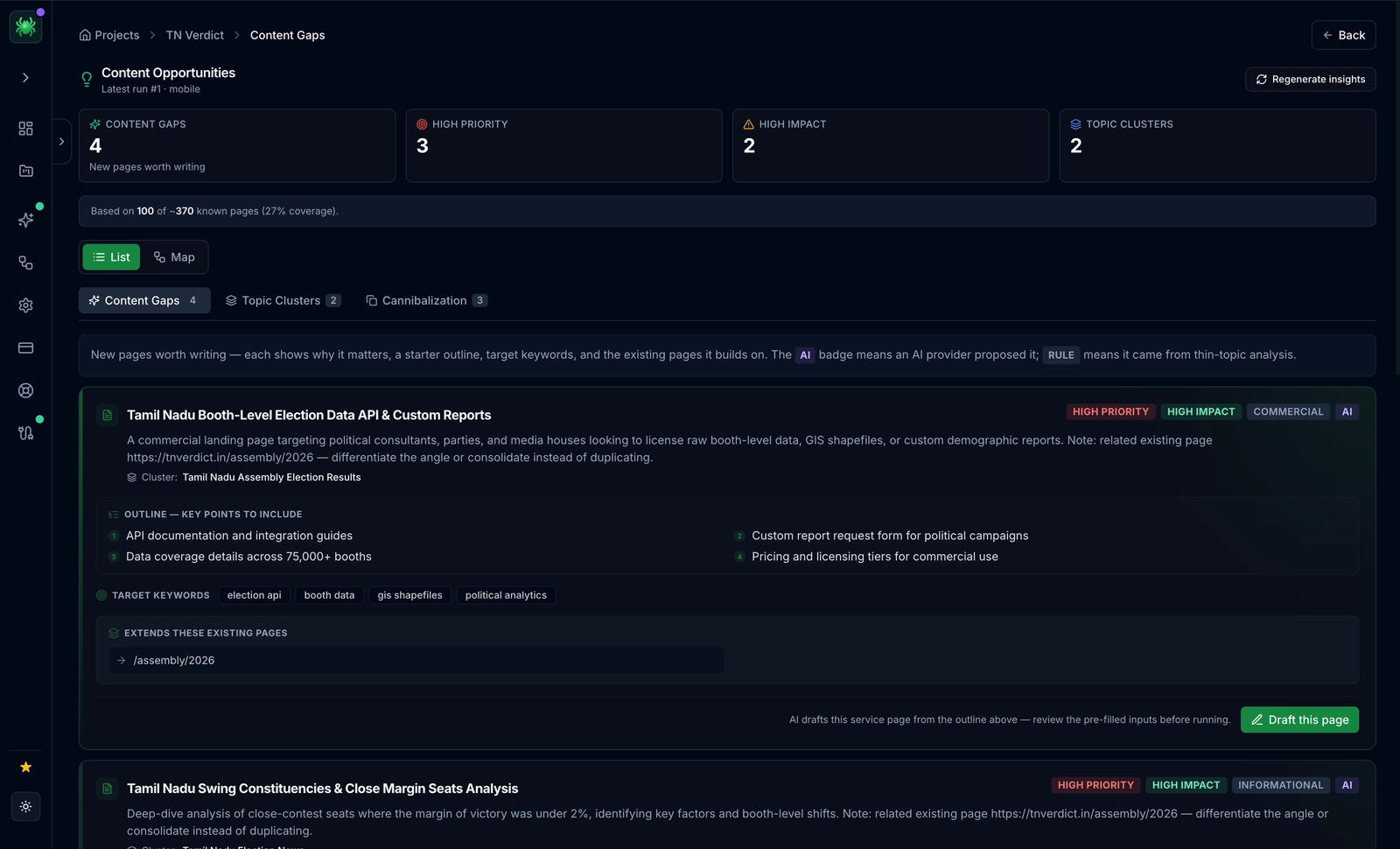
Digispot AI automates this process by scanning your entire site structure. It cross-references your ranking data with on-page content analysis. It doesn't just look for matching keywords; it uses LLMs (like GPT-4 and Claude) to understand semantic intent overlap.
If our system detects that two pages are fighting for the same AEO (AI Engine Optimization) space, it flags them immediately.
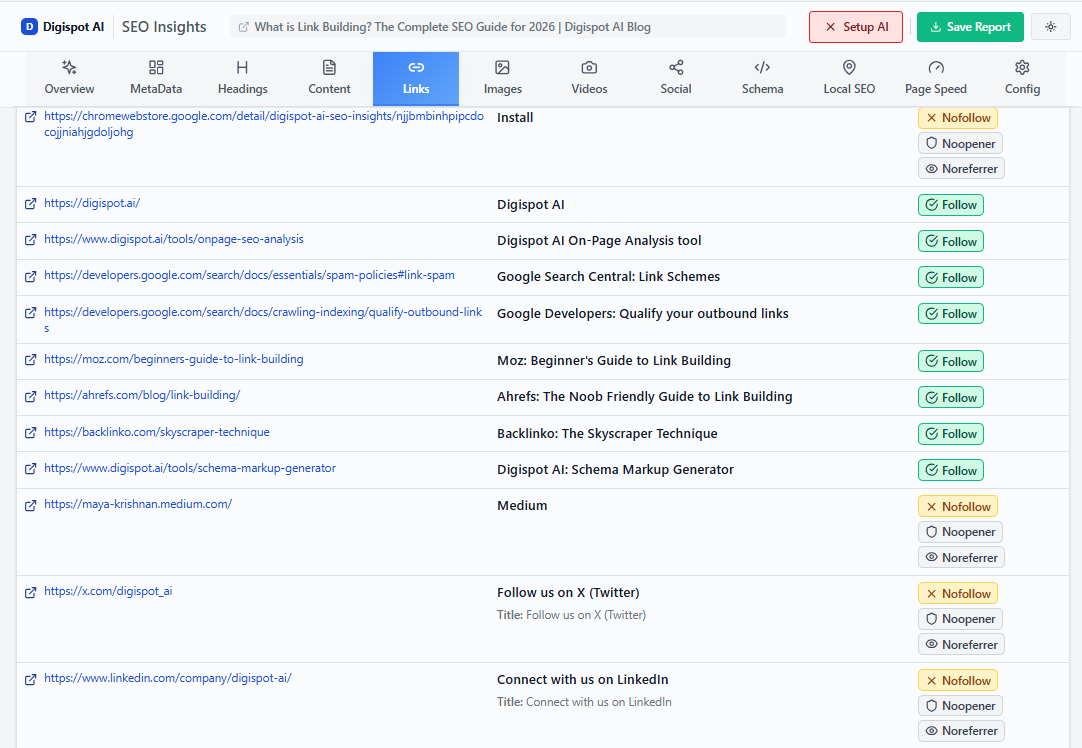
"Get instant SEO insights on any page with our free Chrome extension."
5 Proven Strategies to Fix Keyword Cannibalization
Once you've identified the culprits, use one of these five strategies to resolve the conflict. The right choice depends on the value of the pages involved.
Strategy 1: Consolidate via 301 Redirects (The Strongest Fix)
This is the "Power Move" of SEO. If you have two pages covering the same topic and both have some backlinks, merge them.
Scenario: You have two blog posts, "10 Tips for Email Marketing" (2023) and "Best Email Marketing Strategies" (2024).
Action:
- Identify the stronger page (better URL, more traffic, more backlinks).
- Take any unique, valuable content from the weaker page and add it to the stronger page.
- Set up a 301 redirect from the weaker URL to the stronger URL.
- Update internal links to point directly to the stronger URL.
Result: You create one "Super Page" that inherits the authority and traffic of both. This is one of the most reliable ways to improve rankings quickly. Learn more about maintaining site hygiene in our common SEO mistakes guide.
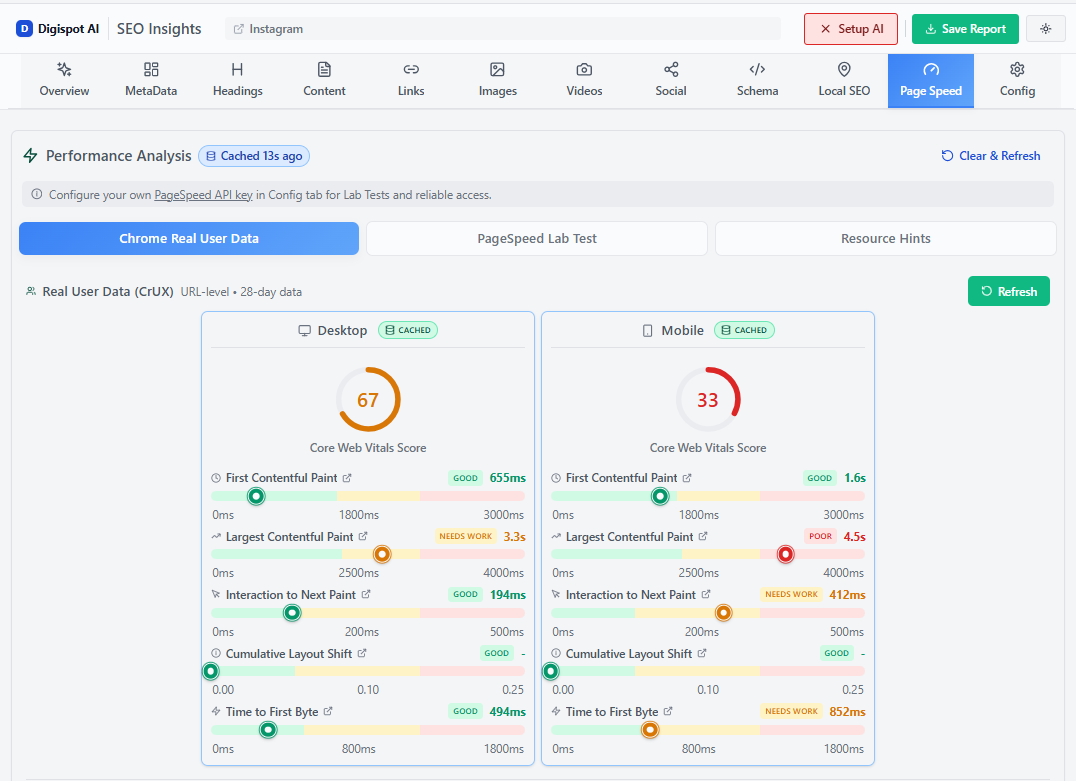
Strategy 2: Canonical Tags (The "Keep But Hide" Fix)
Sometimes you need to keep multiple similar pages for user experience (UX) reasons, even if they confuse search engines.
Scenario: You have a product page for "Blue Running Shoes" and another for "Green Running Shoes." The content is 90% identical, and they cannibalize the term "Running Shoes."
Action:
Choose a main category page or one primary product page as the "master." Add a rel="canonical" tag to the variant pages pointing to the master page.
<link rel="canonical" href="https://yourdomain.com/products/running-shoes-main" />
Result: Users can still browse blue and green shoes separately, but Google knows to attribute all ranking signals to the main page.
"Use the free Schema Markup Generator to create valid structured data and ensure your canonical implementation supports your schema strategy."
Strategy 3: De-Optimization (The Careful Fix)
If you have a page ranking for a keyword you don't want it to rank for (e.g., a category page outranking a specific product), you can "de-optimize" it.
Action:
- Edit the interfering page.
- Remove the specific keyword from the Title Tag and H1.
- Reduce the keyword density in the body text.
- Change internal anchor text pointing to this page to be less specific.
This signals to Google that the page is relevant to a broader topic, not the specific keyword causing the conflict.
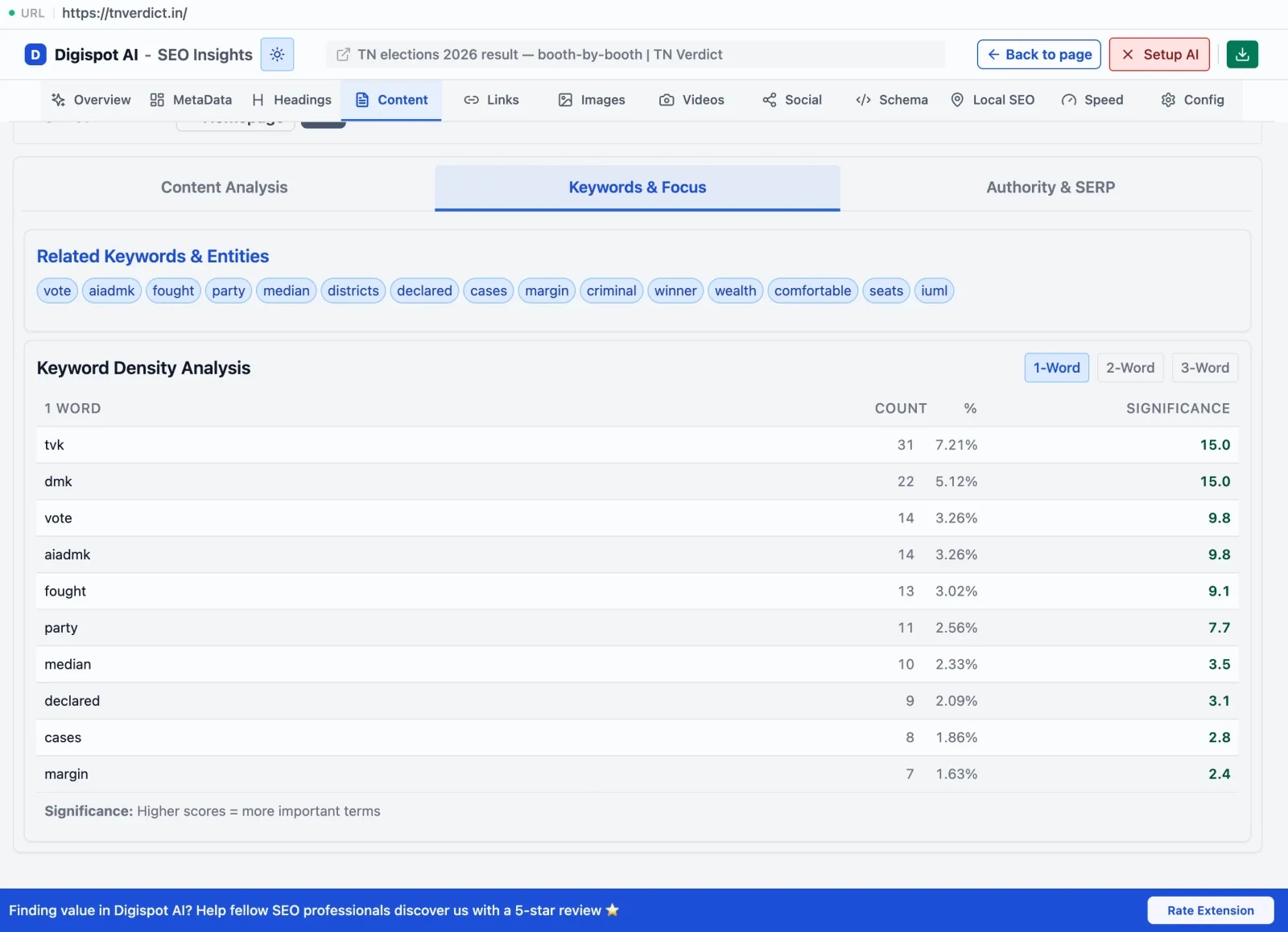
Strategy 4: Re-Optimization for New Intent (Differentiation)
If both pages are valuable but too similar, pivot one of them to target a different angle.
Scenario:
- Page A: "SEO Guide"
- Page B: "SEO Tips"
Action: Keep Page A as the broad "Ultimate Guide to SEO." Rewrite Page B to focus specifically on "SEO Tips for Small Business Owners" or "Advanced Technical SEO Tips."
By narrowing the focus (Long-Tail Keywords), you stop them from competing and start capturing two distinct audiences. This aligns perfectly with high-quality on-page SEO best practices.
Strategy 5: Fix Internal Linking Structure
Often, cannibalization is a self-inflicted wound caused by sloppy internal linking.
If you link to Page A using the anchor text "link building" and then link to Page B using the exact same anchor text "link building," you are telling Google both pages are the authority for that term.
Action: Audit your internal links. Ensure that exact-match anchor text points only to your primary page for that keyword. Use variational anchor text for secondary pages.
- Link to Primary Page: "link building strategies"
- Link to Secondary Page: "link acquisition tactics," "outreach examples"
Start by crawling your site to export every internal link and its anchor text, then group the anchors by target URL. Wherever a single exact-match phrase resolves to two or more destinations, you have a conflict to fix. Pay special attention to sitewide elements—navigation menus, footers, and related-post modules—because a single misconfigured template can send the same anchor to the wrong page across thousands of URLs at once. Once you have consolidated the anchors, add a few descriptive links from your supporting pages to your chosen authority page to reinforce which URL owns the term. For a systematic walkthrough of this process, see our internal linking strategy for SEO guide.
Analyzing Search Intent: The Root Cause
To prevent cannibalization from returning, you must master search intent analysis. Google cares more about why a user searched than what words they used. If you are unsure how to classify a query, our guide on how to optimize for search intent breaks down the signals to look for in the current SERP.
There are four primary types of intent:
- Informational: "What is schema markup?"
- Navigational: "Digispot login"
- Commercial Investigation: "Best SEO tools 2026"
- Transactional: "Buy SEO audit tool"
The Golden Rule: You can have multiple pages for the "same" topic IF they serve different intents.
- Blog Post: "Benefits of Schema Markup" (Informational) -> Safe
- Tool Page: "Schema Markup Generator" (Transactional) -> Safe
These two will not cannibalize each other because Google knows a user searching "how does schema help" wants the blog, and a user searching "create schema code" wants the tool.
However, two blog posts titled "Benefits of Schema" and "Why Use Schema" will clash.
For a deeper dive into creating content that satisfies user needs and builds authority, read our E-E-A-T SEO guide.
Keyword Cannibalization in the Era of AI Search (AEO)
With the rise of Answer Engine Optimization (AEO) for platforms like ChatGPT, Perplexity, and Google AI Overviews, fixing cannibalization is more critical than ever.
AI models look for a "single source of truth." If your website provides conflicting information across multiple pages, or if the AI cannot determine which of your pages is the authoritative source, it is likely to skip your site entirely.
How AEO Changes the Game
- Context Window Limits: AI models process limited context. They prefer one comprehensive, structured page over five fragmented ones. When two of your URLs each cover half a topic, an answer engine is more likely to cite a competitor's single complete resource than to stitch your fragments together.
- Trust Signals: Consistency builds trust. If Page A says "X is true" and Page B implies "X is false," your brand's "knowledge graph" reliability score drops.
- Passage-Level Retrieval: AI Overviews and chat assistants often extract a single passage to answer a query. If that passage lives on your weaker cannibalizing page, the model may surface an outdated or thinner version of your answer, and the click—if there is one—lands on the wrong URL.
Because of this, resolving cannibalization is a prerequisite for answer engine optimization, not a separate task. The same consolidation that fixes flapping Google rankings also gives LLMs the single, authoritative source they need to cite you confidently. If your traffic goals include Google's generative results, pair this cleanup with a dedicated Google AI Overviews strategy.
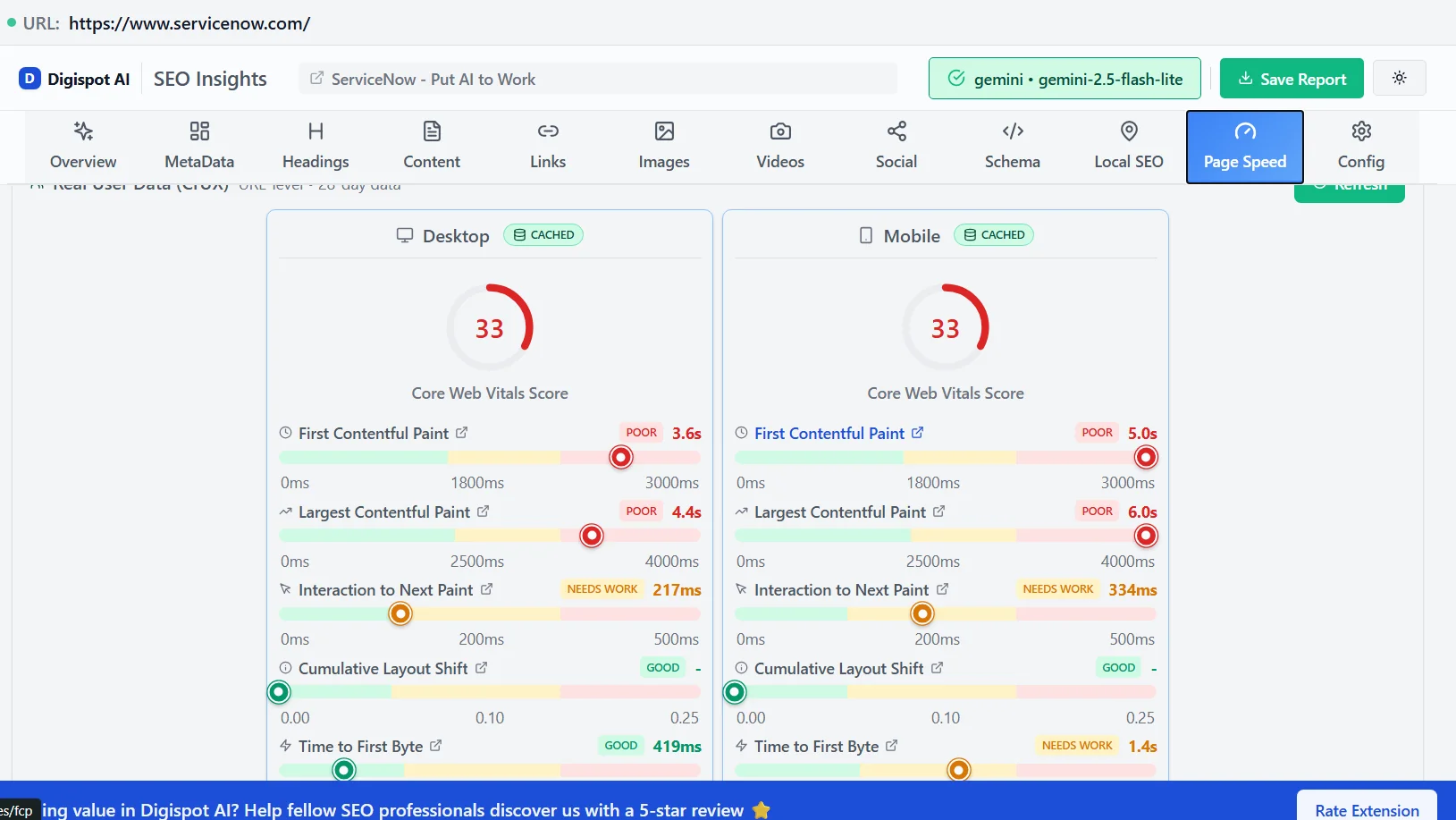
Digispot AI helps you optimize for this by analyzing how AI models perceive your content structure, ensuring you present a unified front to both search algorithms and LLMs.
Preventing Future Cannibalization
Prevention is cheaper than the cure. Implement these workflows to keep your site clean.
1. Maintain a Centralized Content Calendar
Never write a new post without checking what you already have. Your content calendar should list the "Primary Keyword" for every existing URL. Before approving a new topic, search your database (or use Digispot AI) to ensure the keyword isn't already taken.
2. Conduct Regular Content Audits
Quarterly audits are essential. Use the SEO audit checklist for 2026 to systematically review your content inventory. Look for legacy content that is no longer relevant or is competing with newer, better pages.
3. Use Topic Clusters
Organize content into "Hub and Spoke" models.
- Hub Page: Broad keyword (e.g., "Technical SEO")
- Spoke Pages: Specific sub-topics (e.g., "Core Web Vitals," "Robots.txt," "XML Sitemaps")
Link all spokes back to the hub. This structure tells Google clearly: "The Hub is the authority for the broad term; the Spokes are authorities for the narrow terms." This structural hierarchy naturally prevents cannibalization. For a full framework on planning these clusters, see our hub-and-spoke content strategy guide.
Start Improving Your Rankings Today
Keyword cannibalization is an invisible anchor holding back your SEO performance. By identifying these conflicts and implementing a strategy of consolidation and differentiation, you can unlock significant growth without writing a single word of new content.
Your goal isn't just to have more pages indexed; it's to have the right pages ranking.
Ready to improve your search visibility? Try Digispot AI for comprehensive website audits and actionable recommendations that help you build a clean, authoritative, and dominant web presence.
References
Audit any page in seconds
300+ SEO checks including Core Web Vitals, schema markup, meta tags, and AI readiness — trusted by 1000+ SEO experts and marketers.
Frequently Asked Questions
Here are some of our most commonly asked questions. If you need more help, feel free to reach out to us.
Written by
Maya Krishnan
Digital growth expert
Maya is a seasoned expert in web development, SEO, and digital strategy, dedicated to helping businesses achieve sustainable growth online. With a blend of technical expertise and strategic insight, she specializes in creating optimized web solutions, enhancing user experiences, and driving data-driven results. A trusted voice in the industry, Maya simplifies complex digital concepts through her writing, empowering readers with actionable strategies to thrive in the ever-evolving digital landscape.