
Automotive SEO Guide: Drive Dealership Traffic
Master automotive SEO for dealerships and car brands. Attract buyers with local optimization, inventory pages, and vehicle-specific search strategies.
 Maya Krishnan
The monthly traffic report for your dealership's website lands on your desk. The numbers look promising at first glance—thousands of unique visitors. But your showroom floor is quiet, the phones aren't ringing, and your test drive bookings are flat. What’s the disconnect?
The harsh reality is that 90% of that "traffic" is likely hitting your homepage and immediately bouncing. They're lost. They searched for a specific vehicle, a specific service, or a specific answer, and your website didn't deliver it instantly. In the digital age, your website is your primary showroom, and right now, it's a showroom with no salespeople, confusing signage, and the lights turned off.
This guide isn't about chasing generic traffic numbers. It’s a battle-tested playbook for attracting and converting high-intent searchers—the customers typing "used Honda Pilot with leather seats near me" or "best lease deals on a Ford F-150 in Dallas." These are the searches that lead directly to appointments, financing applications, and sales.
With over 95% of the car buying journey now starting online, you can't afford to be invisible. Forget the vague advice and empty promises of "ranking #1 overnight." This is your step-by-step plan for dominating the digital SERPs (Search Engine Results Pages) and turning your website into your most valuable salesperson.
Table of Contents
- What’s Holding Back Your Dealership’s SEO Performance?
- Key Elements of Automotive SEO
- The Ultimate Case Study: Heritage Automotive Group's Turnaround
- Measuring Success
- Future Trends in Automotive SEO
- What’s Holding Back Your Dealership’s SEO Performance?
Most automotive SEO is a colossal waste of money. It’s often sold by agencies as a mystical service focused on vanity metrics like "traffic" and "rankings for 50 keywords" instead of what actually pays the bills: qualified leads, phone calls, and showroom foot traffic.
Your dealership operates in a unique and challenging environment that generic SEO audit checklists simply fail to address. You aren't just a local pizza shop; you are a high-ticket retailer with rapidly changing inventory and intense competition.
Here are the specific hurdles you face:
- Hyper-Competition: You aren't just competing with the dealership across town. You're fighting a digital war against national aggregators with nine-figure marketing budgets like CarGurus, Autotrader, and Cars.com. These giants often dominate the first page of Google for broad terms like "used cars for sale."
- Incredibly Complex Inventory: Your most important content—your vehicles—is in constant flux. Cars are added and sold daily, creating a technical SEO nightmare. If not managed correctly, this leads to thousands of temporary pages, broken links, and thin content that confuses search engines.
- Extreme Local-First Intent: Your most valuable customer isn't across the country; they're likely within a 20-mile radius searching on their phone right now. SEO success for a dealership is won or lost at the hyperlocal level. You need to dominate the map pack, not just the organic listings.
- The Trust Deficit (And Google's E-E-A-T): Google's algorithm heavily prioritizes content that demonstrates E-E-A-T: Experience, Expertise, Authoritativeness, and Trustworthiness. A generic website with stock photos and no personality fails this test. You must prove you're a real, trustworthy business with expert staff and a positive community reputation.
This guide tackles these challenges head-on. We'll show you how to build a digital fortress around your local market, demonstrate your trustworthiness to Google, and turn your website into a lead-generation machine that works 24/7.
Real-World Example: CarMax's Content Strategy
CarMax's success in organic search comes from their comprehensive content strategy:
- Detailed vehicle history reports available upfront.
- Educational content about car financing that simplifies complex terms.
- Interactive car comparison tools that keep users on the page.
- Regular market analysis reports that journalists and bloggers link to.
This strategy has been incredibly effective, with organic traffic for informational queries up 200% and test drive requests from organic search up 45%. Their success shows how providing valuable, comprehensive content can drive both traffic and conversions.
- Key Elements of Automotive SEO
1: Keyword Research - Mapping the Complete Buyer's Journey
Success begins with understanding the exact words and phrases your customers are typing into Google at every single stage of their purchasing process. Don't just target "Honda dealer Chicago." That's only a fraction of the story. You need to be the answer they find, from their first question to their final decision.
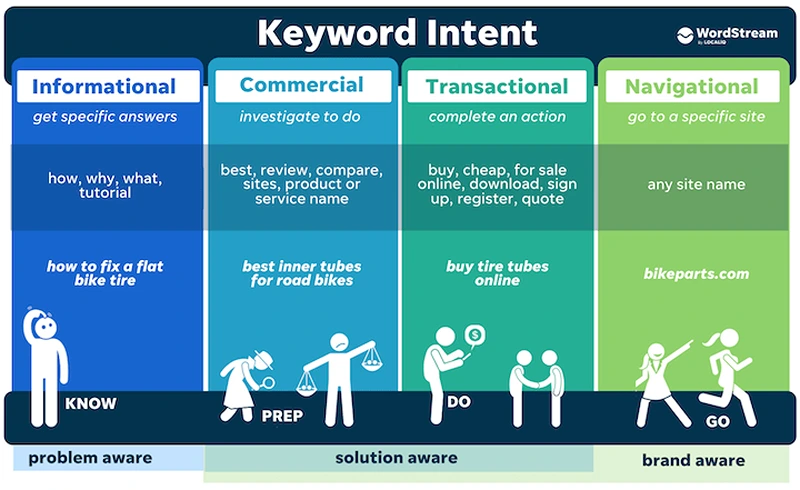
Top of Funnel: Awareness (Broad, Informational Queries)
At this stage, users aren't looking for a dealership; they're looking for solutions to their problems. They might not even know what car they want yet.
- Examples: "Honda dealer Chicago", "Used cars Phoenix", "Toyota service center Miami"
- Long-tail Keywords: "best time to buy a used car in Boston", "certified pre-owned Honda Civic warranty information", "car financing options bad credit Denver"
- Opportunity: Create blog posts and guides that answer these questions without being overly salesy. This builds trust early.
Middle of Funnel: Consideration (Comparison & Specific Queries)
Users have narrowed their options and are now comparing models, features, and financing. They are educated and looking for specific data to make a final choice.
- Examples: "Honda CR-V vs. Toyota RAV4", "Ford F-150 Lariat vs. King Ranch trim", "what is a certified pre-owned warranty", "pros and cons of leasing a car."
- Opportunity: Build comparison pages and "Trim Level Guides" that keep the user on your site instead of sending them to a manufacturer's site or a third-party review.
Bottom of Funnel: Decision (High-Intent, "Money" Queries)
These users are ready to take action. They have their wallets out and are looking for a place to buy today.
- Examples: "used Honda Pilot Elite for sale near me", "Honda dealer in Denver", "CR-V lease deals Chicago", "bad credit car loan Phoenix", "[Your Dealership Name] service center hours."
- Opportunity: Ensure your VDPs (Vehicle Detail Pages) and landing pages are optimized for these specific transactional terms.
Pro Tip: Use the Digispot AI Chrome Extension to instantly analyze your local competitors' pages. See exactly which keywords they target in their title tags and headers, then identify gaps where you can outperform them.
2: On-Site SEO - Building Your High-Performance Digital Showroom
Your website is not a brochure; it's a dynamic, interactive digital showroom. It must be technically flawless, lightning-fast, and incredibly easy to use. If a customer can't find the price or schedule a test drive in three clicks, they are gone.
The Technical SEO Foundation
- Secure with HTTPS: A non-negotiable trust signal for both users and Google. Chrome now flags non-HTTPS sites as "Not Secure," which is a death sentence for lead generation.
- Clean URL Structure: URLs should be readable and logical.
- Good:
.../used-inventory/ford/f-150/ - Bad:
.../inv?id=8231&v=ford&ref=home
- Good:
- Dynamic XML Sitemap: Ensure you have a dynamic XML sitemap that includes all your VDPs and updates automatically as inventory changes. This helps Google find new cars the moment they hit your lot.
A Flawless Mobile-First Experience
Over 70% of automotive research happens on a smartphone, often while on the go or even on a competitor's lot. Google primarily uses the mobile version of your site for ranking (mobile-first indexing). If your site is slow, clunky, or hard to read on a phone, you are actively losing sales.
Test your site on an actual phone. are the "Call Now" buttons easy to tap with a thumb? Do the photos load instantly? Is the text legible without zooming?
Blazing-Fast Page Speed & Core Web Vitals
Page speed isn't just a suggestion; it's a critical ranking factor. Google's Core Web Vitals measure user experience through metrics like Largest Contentful Paint (LCP) and Cumulative Layout Shift (CLS).
- Aim for a load time under 2.5 seconds.
- Action Steps: Compress all images before uploading (use modern formats like WebP), use a Content Delivery Network (CDN) to serve images faster, and work with your website provider to minimize code bloat.
The Anatomy of a Perfect Vehicle Detail Page (VDP)
Your VDPs are your most valuable pages. They are the digital equivalent of a customer walking up to a car on your lot. Each VDP must be a conversion powerhouse.
Your VDP Checklist:
- Unique Title Tag & Meta Description: Automatically generated with Year, Make, Model, Trim, and your dealership name. Avoid generic titles like "Used 2024 Ford."
- High-Quality Photo Gallery: At least 20-30 high-resolution images showing every angle, inside and out. Users want to see the odometer, the tires, and any imperfections.
- Video Walkaround: A 60-90 second video is a massive trust-builder and keeps users on the page longer, signaling high engagement to Google.
- Clear, Transparent Pricing: Show the price, any applicable discounts, and include a payment calculator. Hidden pricing frustrates users and increases bounce rates.
- Detailed Specs & Features List: Don't make users hunt for MPG, engine type, or key features. List them clearly with bullet points.
- Vehicle History Report: Prominently display a link to the CarFax or AutoCheck report. This transparency builds E-E-A-T by proving the quality of your inventory.
- Multiple, Clear Calls-to-Action (CTAs): Use buttons for "Schedule Test Drive," "Check Availability," "Get ePrice," and "Value My Trade."
If you aren't sure if your VDPs are up to par, use our free On-Page SEO Analysis tool to audit a specific car page instantly.
3: Local SEO - Dominating the Google Map Pack
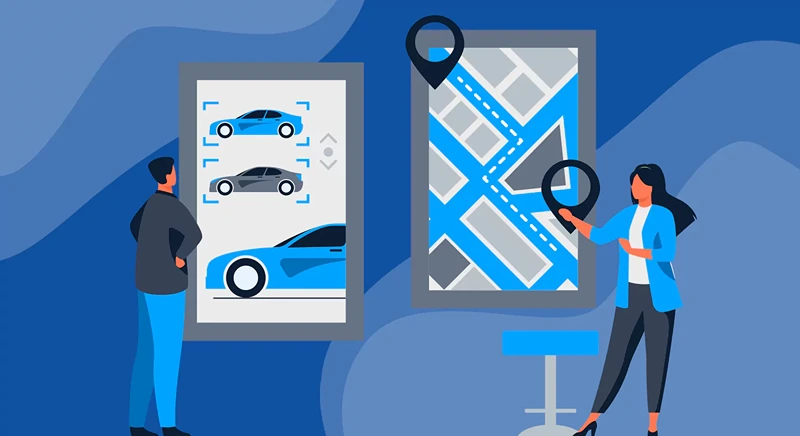
For a dealership, winning in local search is everything. When a customer searches "toyota service near me," the first thing they see is the Google Map Pack (the map with three business listings). Being in that top-three box is the single most impactful SEO result you can achieve.
Relentless Google Business Profile (GBP) Optimization
Your GBP profile is your local search homepage. Treat it with the same care as your website.
- Complete Every Section: Fill out services, products (feature specific vehicles!), attributes (wheelchair accessible, women-led, etc.), and a detailed business description including your main keywords.
- Use Google Posts Weekly: Announce new inventory, promote service specials, or share a recent blog post. This shows Google you are an active business.
- Upload Photos & Videos Constantly: Add new photos of your inventory, your team, and happy customers every week. Geo-tagging these photos can provide additional local signals.
- Answer Q&A Proactively: Populate the Q&A section with common questions ("Do you offer loaner cars?", "What are your service hours?") and answer them yourself.
The Power of Customer Reviews
Reviews are the lifeblood of local SEO. They are a direct signal of trustworthiness to Google and potential customers.
- Actively Request Reviews: Use an automated system (via text or email) to ask every single happy sales and service customer for a review. Make it easy for them with a direct link.
- Respond to Every Single Review: Thank positive reviewers. For negative reviews, respond professionally and empathetically within 24 hours. A thoughtful response to a bad review can win more trust than ten 5-star reviews because it shows you care about customer satisfaction.
NAP Consistency and Local Citations
Your Name, Address, and Phone number (NAP) must be 100% identical across the internet. This includes your website, GBP, Yelp, Facebook, and hundreds of other online directories. If your website says "Main St" but Yelp says "Main Street," it can cause data confusion. Inconsistencies erode Google's trust in your location data.
4: Content Strategy - From Blogger to Trusted Authority
Stop writing boring, self-serving blog posts like "5 Tips for Washing Your Car." Create content that genuinely helps your customers, answers their real questions, and positions your dealership as the go-to expert in your area. This builds immense trust and attracts top-of-funnel traffic that you can nurture into a sale.
Case Study: BMW of Silicon Valley's Content Hub
Problem: As a luxury brand in a tech-heavy area, they needed to connect with a sophisticated, research-obsessed audience interested in complex EV technology. Generic ads weren't working.
Action: They built a "Future of Driving" content hub on their site. This wasn't a blog; it was a resource library. It included detailed video walkarounds of new EV models, technical articles comparing charging times and battery tech, and even an interactive map of local public charging stations embedded on their site.
Result: This targeted content strategy led to a 234% increase in organic traffic from informational queries (like "BMW i4 range in cold weather") and a 67% increase in test drive bookings that originated directly from their content hub. They educated their audience and became the undisputed local expert.
Content Ideas That Drive Real-World Results:
- Model vs. Model Comparisons: "Ford F-150 vs. Chevy Silverado: An Honest Comparison" — Be objective. If the competitor wins in one area, admit it. This builds credibility.
- Trim Level Breakdowns: "Toyota RAV4 LE vs. XLE vs. Limited: Which Trim is Right for You?" — Help users decipher the confusing alphabet soup of trim levels.
- Service Department Content: "Why Is My Check Engine Light Flashing? 5 Common Causes" — Capture users when they have a problem, then offer your service center as the solution.
- Local Guides: "The Top 5 EV-Friendly Road Trips from [Your City]" — Connect your vehicles to the local lifestyle.
- Team Spotlights: "Meet Our Master Certified Technician, Jane Doe" — Humanize your dealership and showcase your expertise.
For more ideas on structuring your content to build authority, read our guide on on-page SEO best practices.
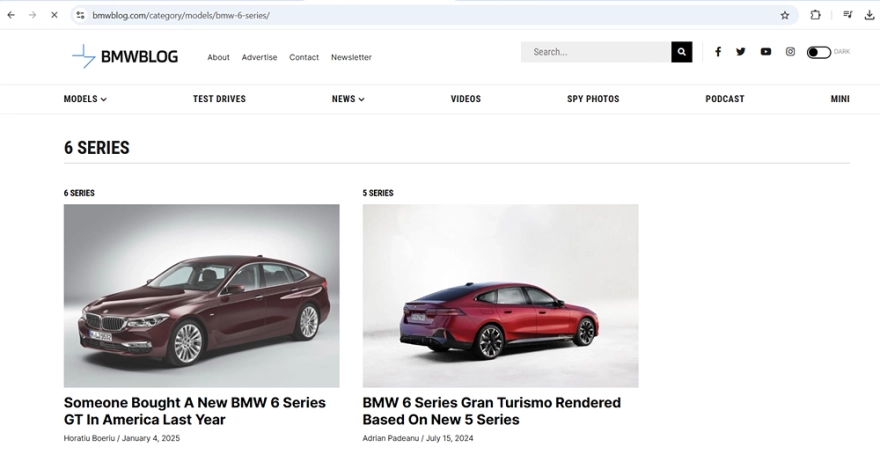
- Technical SEO Implementation
A difficult challenge with regard to technical SEO in the auto industry is mainly due to a vehicle inventory system as well as dynamically large content in terms of both quantity and periodic updates. Proper technical SEO solutions must therefore support such complexities at the cost of site performance that should not degrade.
Ensure your website's technical foundation is solid:
- Implement proper schema markup: This helps search engines understand that a page is about a car for sale, not just a blog post about a car.
- Optimize site speed and Core Web Vitals: Google punishes slow sites.
- Ensure proper indexing and crawlability: Use
robots.txtto prevent Google from crawling low-value pages like internal search results or sort filters (e.g., "Price Low to High"). - Create an XML sitemap: Ensure it auto-updates when cars are sold or added.
- Use clean URL structures: Avoid using session IDs in URLs.
The Magic of Schema Markup
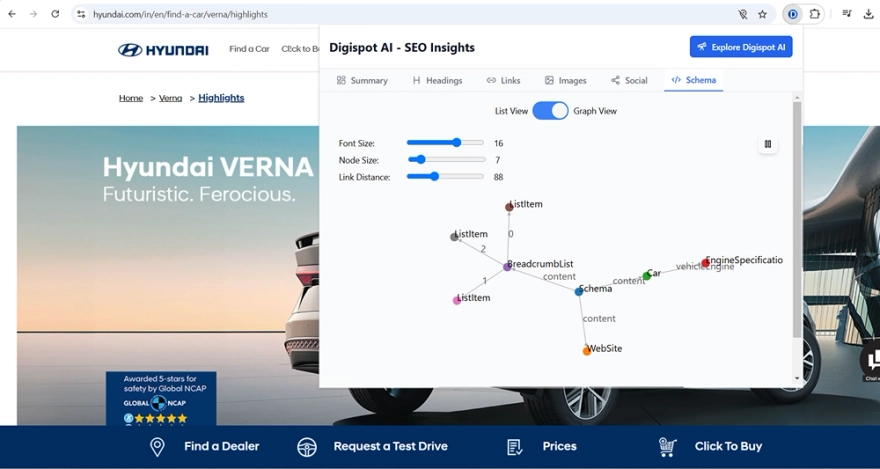
Schema markup is code that helps search engines understand your content. For dealerships, VehicleListing and AutoDealer schema are essential. They allow Google to display rich snippets—showing price, availability, and mileage directly in the search results.
Here is how schema markup can be applied to a vehicle listing:
{
  "@context": "https://schema.org",
  "@type": "Vehicle",
  "name": "2024 Honda CR-V EX-L",
  "manufacturer": {
    "@type": "Organization",
    "name": "Honda"
  },
  "model": "CR-V",
  "vehicleConfiguration": "EX-L",
  "mileageFromOdometer": {
    "@type": "QuantitativeValue",
    "value": "15000",
    "unitCode": "SMI"
  },
  "offers": {
    "@type": "Offer",
    "price": "34950",
    "priceCurrency": "USD",
    "availability": "https://schema.org/InStock",
    "itemCondition": "https://schema.org/UsedCondition"
  }
}
Tool Tip: Don't write this code by hand. Use the free Schema Markup Generator to create valid structured data for your inventory in minutes.
- The Ultimate Case Study: Heritage Automotive Group's Turnaround
Let's look at a comprehensive case study of successful automotive SEO implementation to see how these pieces fit together.
The Challenge: Heritage Automotive Group was bleeding market share. They faced over 50 competitors in a dense metro market. Their website traffic was stagnant, but worse, their foot traffic was declining. Their site was built on an outdated platform with poor mobile performance, and they had virtually no visibility for "near me" searches.
The Strategy & Implementation:
-
Technical Overhaul (Months 1-2):
- They migrated to a modern, mobile-responsive platform.
- They implemented Vehicle Schema across all 400+ inventory pages.
- They fixed 2,000+ broken links from old sold inventory by implementing a smart redirect strategy (redirecting sold VDPs to the relevant model category page instead of a 404 error).
- Result: Site speed improved by 60%, and crawl errors dropped to near zero.
-
Content & Authority Building (Months 3-6):
- They launched a "Car Care" blog focusing on specific service questions ("How often to change synthetic oil in a Honda Civic").
- They created 200+ "Model Landing Pages" (MLPs) targeting specific city keywords (e.g., "Used Honda Civic for sale in [City Name]").
- They added virtual 360-degree showroom tours to their Google Business Profile.
-
Local SEO & Reputation Management (Ongoing):
- They implemented an SMS review request system for every service customer.
- They optimized their GBP with "Service" and "Parts" as separate nested listings to capture specific repair traffic.
- They built local backlinks by sponsoring high-profile community events and getting listed on local chamber of commerce sites.
The Results (12-Month Mark): After one year of consistent effort, Heritage Automotive Group achieved:
- 312% increase in organic traffic.
- 89% rise in overall lead generation.
- 67% increase in test drive appointments directly attributed to organic search.
- 45% boost in service department bookings.
- Top 3 rankings for over 75 high-value local keywords.
This wasn't magic; it was the result of executing a holistic strategy that combined technical excellence with genuine user value.
Measuring Success
Traffic is vanity; revenue is sanity. You must look beyond simple pageviews to understand if your SEO is actually selling cars. Here are the metrics that matter:
- Organic Lead Conversion Rate: How many visitors from Google actually fill out a form, call, or chat? Track this in Google Analytics 4 (GA4).
- Keyword Rankings for "Transactional" Terms: Are you ranking for "buy," "lease," and "dealer" keywords? Use Google Search Console to filter by intent.
- Google Maps Visibility: How often do you appear in the Map Pack? Insights in your Business Profile will show you "Direction Requests" and "Calls"—these are high-intent actions.
- Assisted Conversions: SEO often starts the journey, but the user might return later via a direct visit or ad to buy. Check "Assisted Conversions" in GA4 to give SEO credit for the assist.
- VDP Views per Session: Are organic visitors looking at cars? If they land on a blog post and leave, you need better internal linking to your inventory.
Digispot AI simplifies this by integrating data from GSC, GA4, and your own site audits into one dashboard, helping you see the direct line between SEO tweaks and showroom visits.
Things to Watch Out For
- Missing Mobile Experience: Most car searches are currently via mobile. A bad mobile experience will undermine your success. If your chat pop-up covers the entire screen on a phone, you are killing conversions.
- Local SEO Neglect: Failure to realize local SEO means missing your most valuable potential customers. Do not ignore your Google Business Profile.
- Low-Quality Content: Using generic or duplicate content (like copying the manufacturer's description for every car) is a penalty risk. Write unique notes for your cars.
- Inconsistent NAP Information: Different business information across various platforms confuses both users and search engines.
- Ignoring "Sold" Inventory: Deleting a page the second a car sells creates a 404 error. Instead, leave the page up for a few days with a "This car is sold, but here are similar models" banner to capture that residual traffic.
Future Trends in Automotive SEO
The digital landscape never stops moving. Here is what is coming next for automotive search:
Voice Search & AEO (Answer Engine Optimization) With the rise of AI assistants like Siri, Alexa, and now ChatGPT, users are searching differently. They are asking complex questions like, "What is the best 3-row SUV for a family of five with a budget of $40k?" To capture this traffic, your content needs to be conversational and directly answer these specific questions.
The EV Revolution Electric vehicles are creating entirely new search categories. Dealerships that create content around charging infrastructure, battery life warranties, and local tax incentives are winning a new demographic of buyers.
Visual Search Users are increasingly searching with images (using Google Lens) to identify cars they see on the street. High-quality, original images of your inventory, optimized with descriptive file names and alt text, will help you show up in these visual results.
Start Improving Your Dealership SEO Today
Success in automotive SEO requires a comprehensive approach, both highly technical and customer-focused. It is understood that this is quite overwhelming, but maintaining consistency in your efforts will help you build a solid foundation of online presence that drives real business results.
Don't try to fix everything at once. Start with your Google Business Profile and your VDP technicals. Once those are solid, expand into content marketing and authority building.
Ready to see exactly where your dealership stands? Try Digispot AI for comprehensive website audits and actionable recommendations that prioritize the fixes with the highest ROI. Turn your website into the 24/7 salesperson your business deserves.
Related deep-dives
Continue with these closely related guides:
- seo for banks & — SEO for Banks & Financial Institutions: The Complete 2026 Guide
- comprehensive seo for ngos — Comprehensive SEO Guide for NGOs and Non-Profits
References
-
Google Search Central - Automotive SEO Guide: Google Search Documentation
-
Search Engine Journal - Automotive Industry SEO Guide 2024: SEJ Automotive
-
Schema.org - Vehicle & Automotive Business Markup: Schema Documentation
-
Moz - Local SEO for Car Dealerships: Moz Guide
Audit any page in seconds
300+ SEO checks including Core Web Vitals, schema markup, meta tags, and AI readiness — trusted by 1000+ SEO experts and marketers.
Frequently Asked Questions
Here are some of our most commonly asked questions. If you need more help, feel free to reach out to us.
Written by
Maya Krishnan
Digital growth expert
Maya is a seasoned expert in web development, SEO, and digital strategy, dedicated to helping businesses achieve sustainable growth online. With a blend of technical expertise and strategic insight, she specializes in creating optimized web solutions, enhancing user experiences, and driving data-driven results. A trusted voice in the industry, Maya simplifies complex digital concepts through her writing, empowering readers with actionable strategies to thrive in the ever-evolving digital landscape.