Top 10 SEO Tools in 2026: Essential Software Guide
Discover the best SEO tools for 2026. Compare features, pricing, and capabilities of essential software for keyword research, audits, and rank tracking.
 Maya Krishnan
Why SEO Tools are Essential in 2026
Building a robust online presence isn't just about keywords anymore; it's about engineering visibility in an AI-saturated world. Search engines have evolved into "answer engines," utilizing sophisticated Neural Matching and MUM (Multitask Unified Model) algorithms to understand intent better than ever before. Manual optimization is no longer feasible when you are competing against real-time algorithm shifts and AI-generated answers.
Modern SEO tools have transformed from simple rank trackers into comprehensive intelligence suites. They now harness predictive analytics, natural language processing (NLP), and machine learning to decode the complexities of search visibility. These platforms don't just report data; they interpret it. They help you navigate the shift towards Answer Engine Optimization (AEO), ensuring your content is visible not just on Google, but also on platforms like ChatGPT, Perplexity, and Claude.
Whether you run a local boutique or manage a multinational enterprise, the right software stack is the difference between dominating the SERP (Search Engine Results Page) and digital obscurity.
Understanding the SEO Tool Landscape
Your SEO stack works like diagnostics: different tools expose different layers—technical SEO (structure and crawl), links (authority and trust), and content (relevance and entities). Picking the right category for each job is how you stay ahead in 2026.
1. Keyword Research Tools
These tools shape strategy: they surface how people search, intent (informational, transactional, commercial), competition, and opportunity—not just raw volume.
Key Features
- Search Intent Classification: Tags keywords by user goal.
- SERP Feature Analysis: Surfaces Featured Snippets, Knowledge Panels, and AI Overview opportunities.
- Keyword Difficulty (KD): Estimates authority and links needed to rank.
- Long-tail Variations: Surfaces lower-competition, high-conversion queries.
Popular Tools
- Semrush: Huge database; Keyword Magic Tool clusters related terms.
- Google Keyword Planner: Paid-search–grounded volumes; strong for broad trends.
- Moz Keyword Explorer: Strong KD modeling and organic CTR estimates.
Digispot AI leans on on-page and technical depth; GSC/GA4 integration still gives keyword performance tied to real acquisition.
2. Technical SEO Tools
They audit architecture, responses, and rendering—because if bots cannot crawl or render a page, content quality cannot save it.
Key Features
- Crawlability Analysis: Maps how bots move through the site.
- JavaScript Rendering: Verifies JS-loaded content is visible to crawlers.
- Core Web Vitals Monitoring: Tracks LCP, INP, and CLS (UX signals).
- Schema Validation: Checks structured data for rich-result eligibility.
Popular Tools
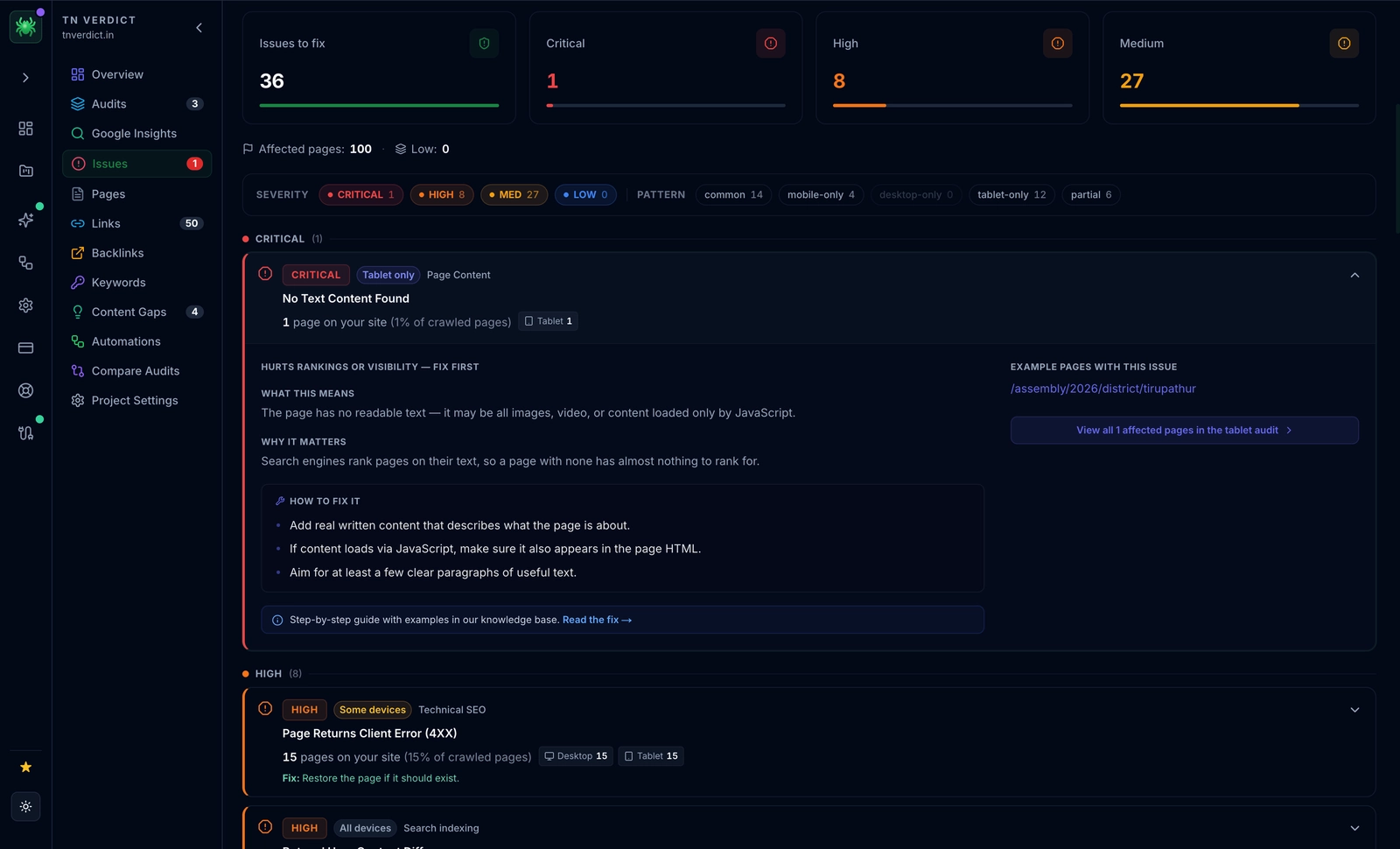
- Digispot AI: Custom browser and LLM bots mirror how AI-era crawlers see your site; Digispot AI flags issues across 300+ ranking factors and helps fix them in flow.
- Screaming Frog: Deep, spreadsheet-friendly crawl exports.
- Google PageSpeed Insights: Google’s own performance and CWV readout.
More pitfalls: common SEO mistakes to avoid.
3. Content Optimization Tools
NLP-driven editors compare your draft to winners in the SERP—entities, coverage, tone—so pages stay comprehensive, not just keyword-stuffed.
Key Features
- Semantic Entity Extraction: Surfaces topics and entities top results share.
- Readability Scoring: Keeps copy matched to the audience.
- Plagiarism Detection: Protects originality.
- Structure Analysis: Suggests heading depth and section balance.
Popular Tools
- Surfer SEO: Correlational scoring vs. the top ~10 for a query.
- Frase.io: Briefs and cluster research from SERP patterns.
- Digispot AI: On-page signals plus schema to strengthen entity recognition.
4. Rank Tracking Tools
They are the ROI scorecard: device, geo, volatility, and SERP features (e.g. People Also Ask).
Key Features
- Local Rank Tracking: City- or ZIP-level precision.
- Share of Voice: Visibility vs. competitors in one view.
- SERP Feature Tracking: Alerts on snippet wins and losses.
Popular Tools
- Ahrefs Rank Tracker: Long history graphs for trend spotting.
- SEMrush Position Tracking: Daily refresh; copes with noisy SERPs.
5. Backlink Analysis Tools
They map who endorses you via links. In 2026, quality and risk matter more than raw count—toxic patterns vs. trusted endorsements.
Key Features
- Toxic Link Identification: Surfaces penalty-risk patterns.
- Link Velocity: Pace of new links (natural vs. suspicious).
- Anchor Text Analysis: Catches over-optimization and footprint issues.
Popular Tools
- Majestic SEO: Link graphs and topical trust signals.
- Ahrefs Site Explorer: Fast crawler; large live index.
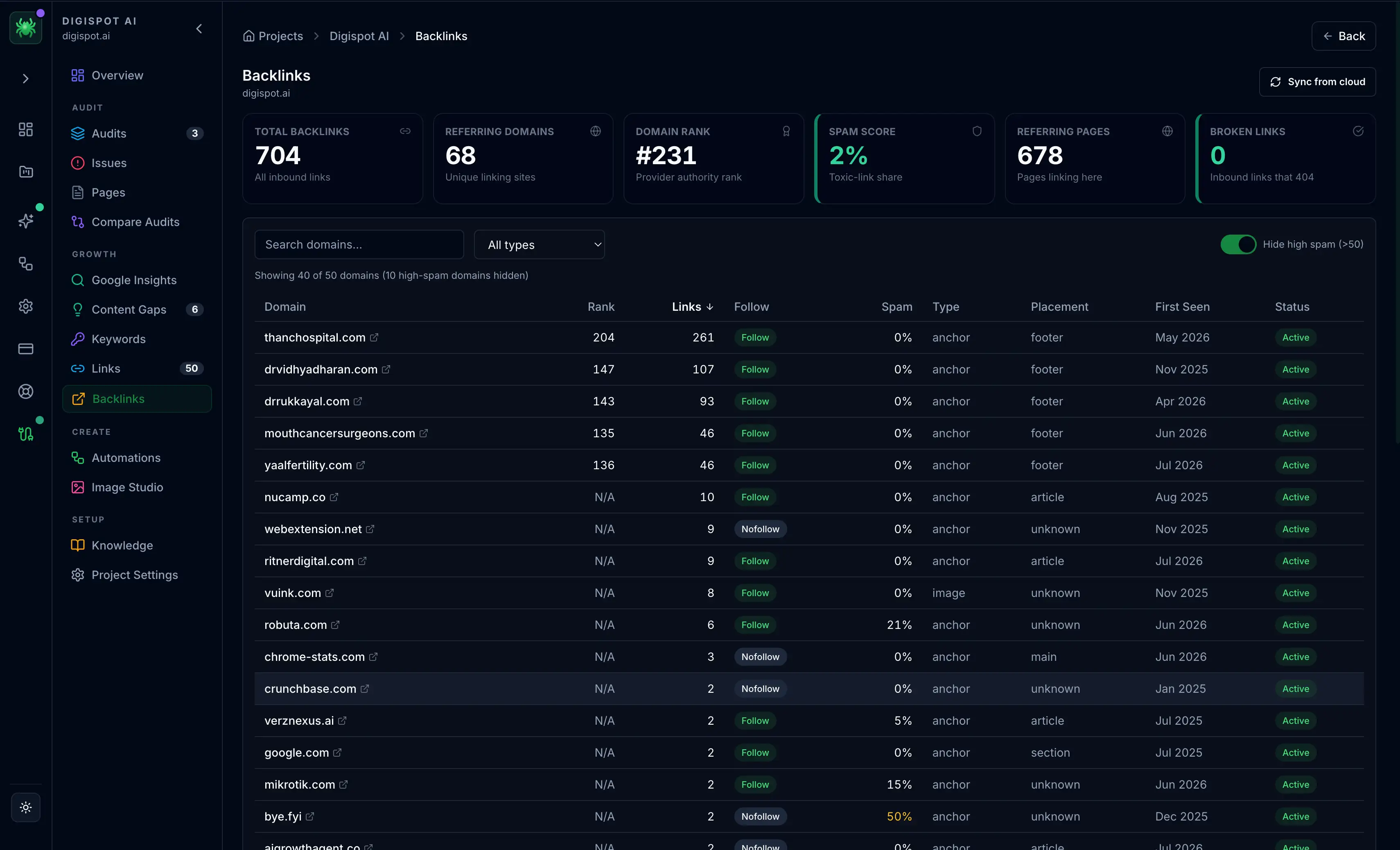
Digispot AI surfaces the same essentials—referring domains, domain rank, spam/toxic-link share, and broken inbound links—in one view, so you can spot risk fast.
6. Competitor Analysis Tools
Reverse-engineer rivals: their keywords, links, ads, and traffic mix—then close gaps deliberately.
Key Features
- Keyword Gap Analysis: Terms they rank for, you do not.
- Backlink Gap: Domains linking to competitors, not you.
- Traffic Estimation: Modeled clicks and behavior on competitor URLs.
Popular Tools
- SpyFu: Paid-search creatives, spend proxies, and history.
- SEMrush Competitor Toolkit: Full-funnel rival snapshots.
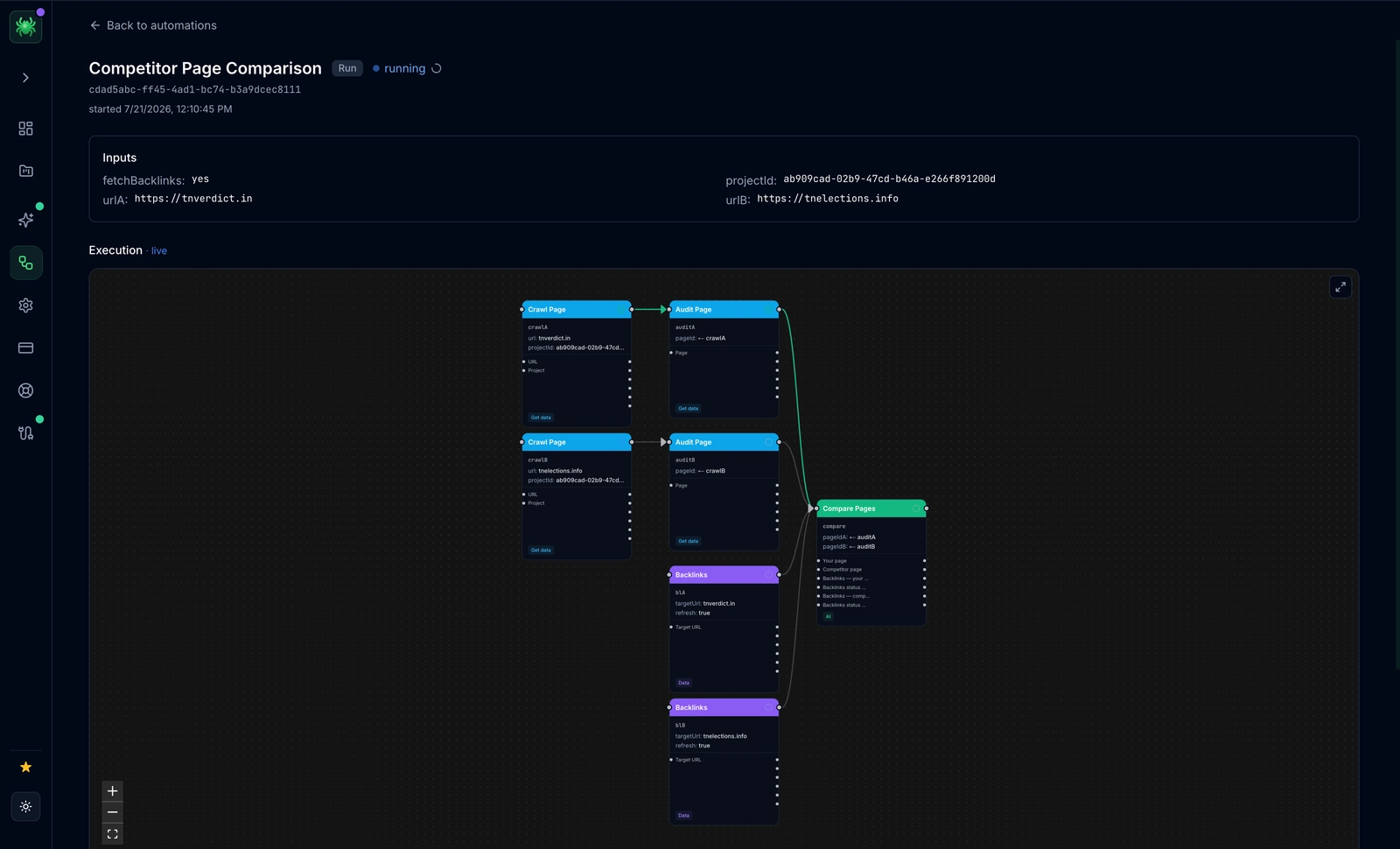
- Digispot AI: Low-footprint technical scans of competitor stacks to expose weak spots.
The Top 10 SEO Tools for 2026
1. Digispot AI - The Next-Generation AI-Driven SEO Intelligence Platform
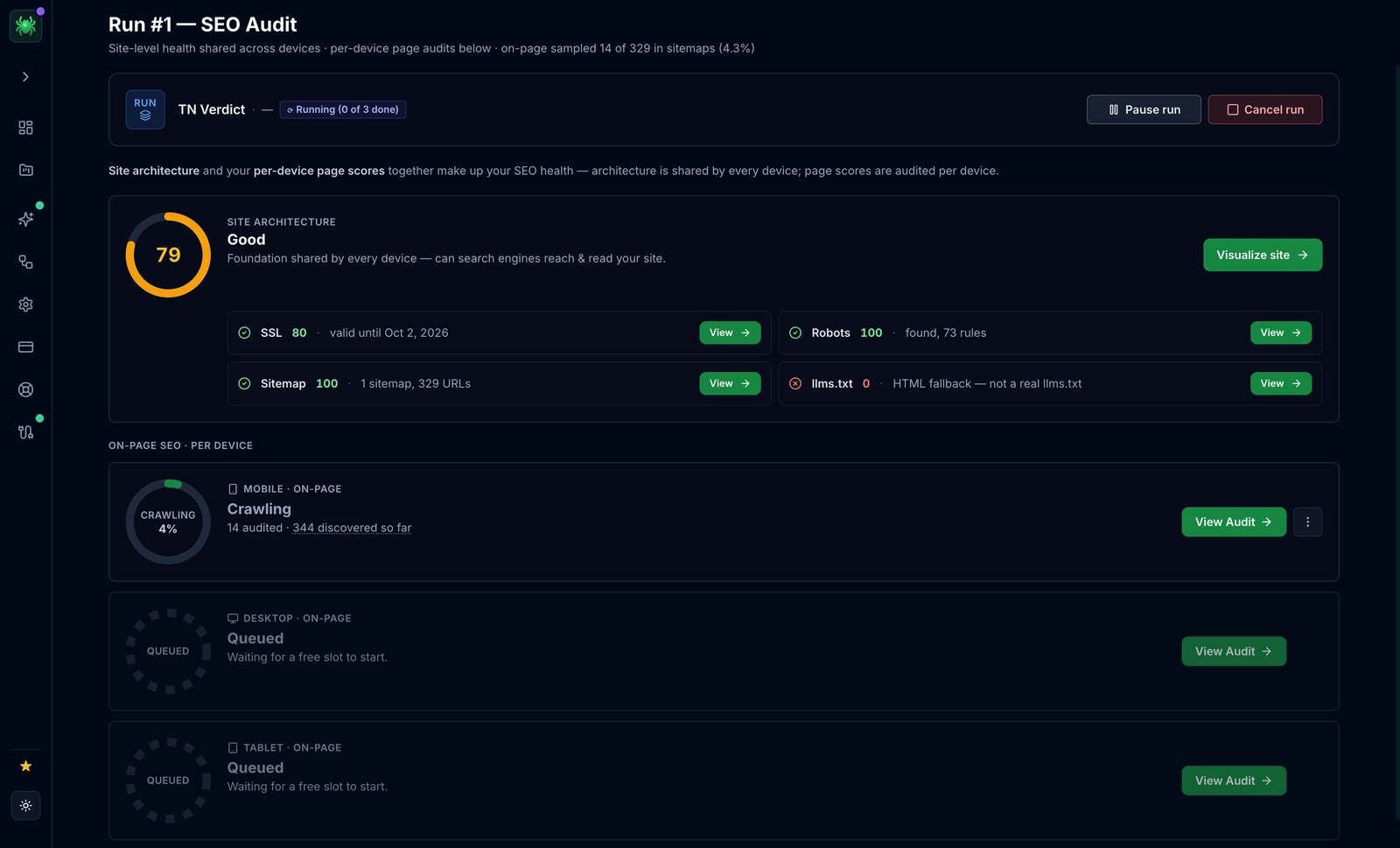
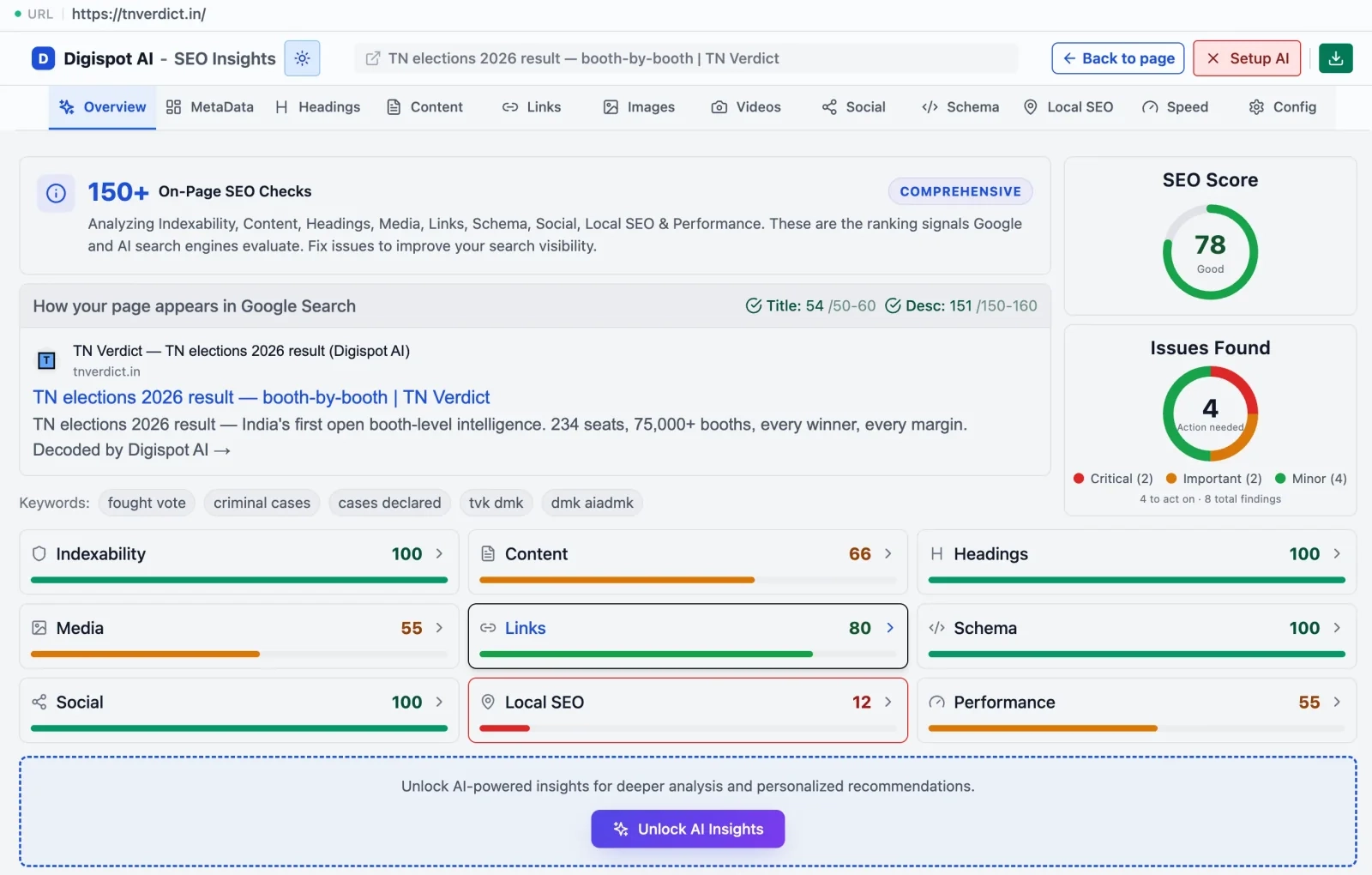
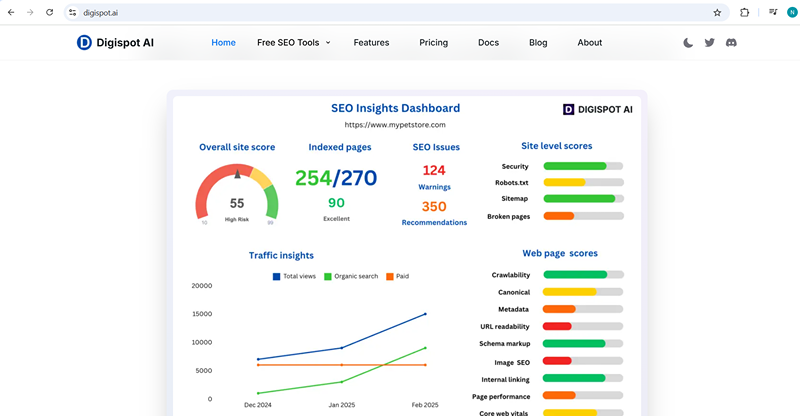
Digispot AI is redefining SEO with a "Multi-LLM" approach, optimizing websites not just for traditional search engines, but for the new wave of AI answer engines. Unlike legacy tools that only simulate Googlebot, Digispot AI simulates multiple crawlers—including Bing, Google, and LLM-based bots (like GPTBot and ClaudeBot)—to provide precise visibility insights.
What Makes Digispot AI the Ultimate SEO Solution?
- AEO & AI Search Readiness: We track how your content appears in AI-generated answers, helping you optimize for platforms like Perplexity and ChatGPT.
- Deep Technical Analysis: Our engine evaluates 300+ ranking factors, far exceeding standard audits. We look at server security, HTTP headers, and advanced rendering performance.
- JavaScript Rendering: Modern web frameworks (React, Vue, Angular) can confuse standard crawlers. Digispot uses full Chromium rendering to see exactly what the user sees.
- Privacy-First Architecture: We process data locally where possible, ensuring your sensitive strategy data isn't exposed.
- Security Integration: We go beyond SEO by monitoring SSL vulnerabilities and mixed content issues that damage user trust.
What truly sets Digispot AI apart is the focus on entity visibility. We help search engines understand the meaning behind your content, not just the keywords.
Not just a cloud platform — it ships as a desktop crawler too. The Digispot AI SEO Spider, billed as "the only SEO crawler your AI agent can run," renders every page in a real browser like Googlebot and runs the same 300+ SEO and AEO checks per URL. Critically, it doesn't hand you a flat list of errors — it ranks each issue by the organic traffic it's putting at risk, so you fix the pages that actually move revenue first. It syncs with Google Search Console and GA4, and its built-in MCP server lets an AI agent (Claude, Cursor, and others) run the crawl and apply the fixes for you — from $14/mo. It's the closest thing on this list to a desktop crawler like Screaming Frog that also understands what it finds.
Pro Tip: Use the Digispot Chrome Extension to run instant checks on competitor pages to see their schema markup and Core Web Vitals instantly.
2. Semrush: The Swiss Army Knife of SEO
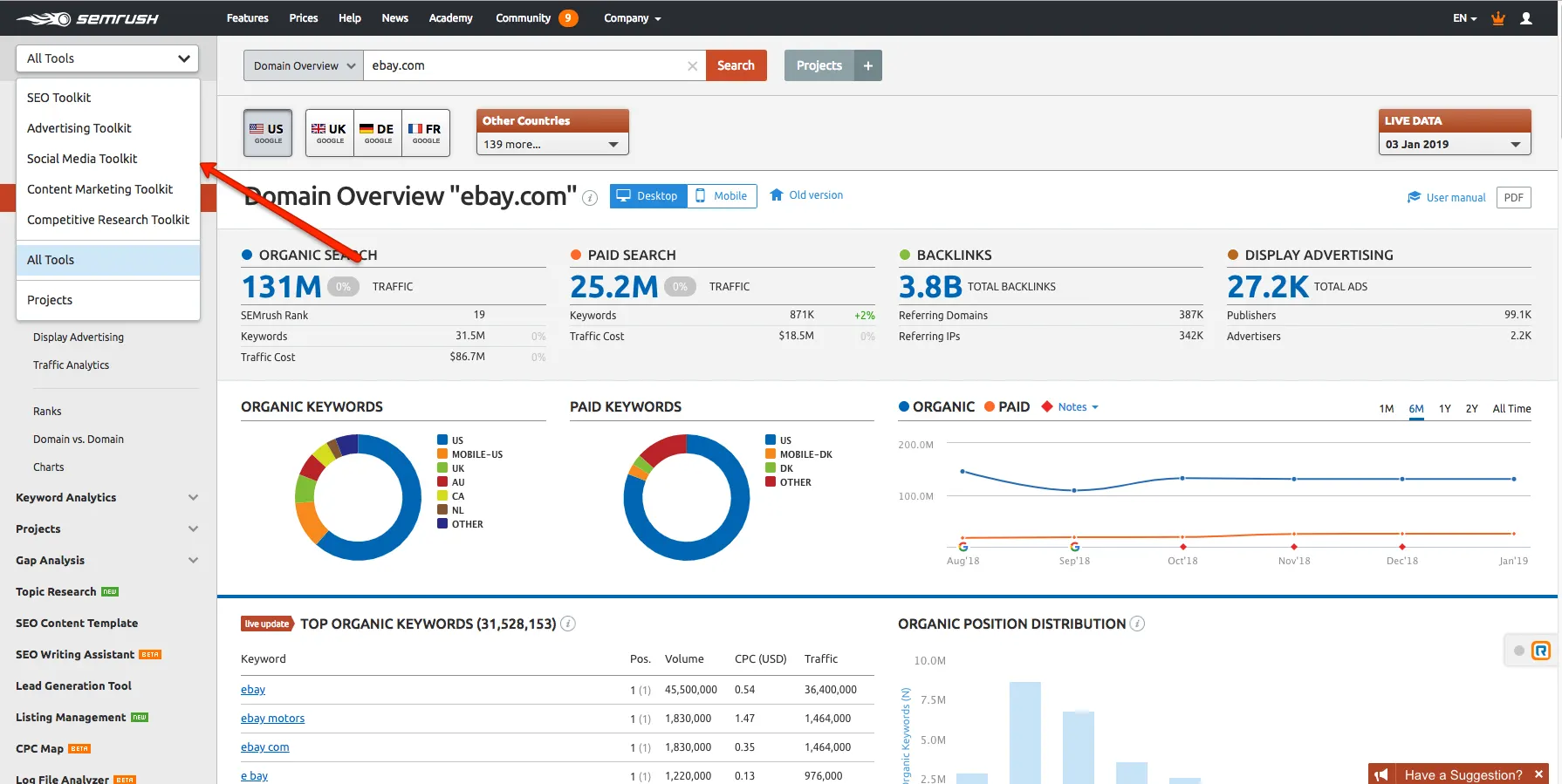
Semrush has earned its reputation as the "Swiss Army Knife" of digital marketing. It is comprehensive, covering everything from SEO to social media and paid advertising. The 2026 iteration brings powerful AI features that streamline workflow and data processing.
The platform stands out at:
- Domain Overview: Get an instant health check and authority score for any website.
- Keyword Magic Tool: Access the largest keyword database on the market to find low-competition gems.
- Position Tracking: Monitor your visibility across different devices and geographic locations (GEO) with high precision.
- Backlink Audit: Automatically detect and disavow toxic links that could harm your rankings.
- Content Marketing Toolkit: Manage your editorial calendar and audit existing content for freshness.
Why it matters in 2026: Semrush's Neural Network Analysis helps predict SERP volatility. Instead of reacting to algorithm updates, you can see potential shifts coming and adjust your strategy proactively.
3. Google Search Console: The Must-Have Free Tool
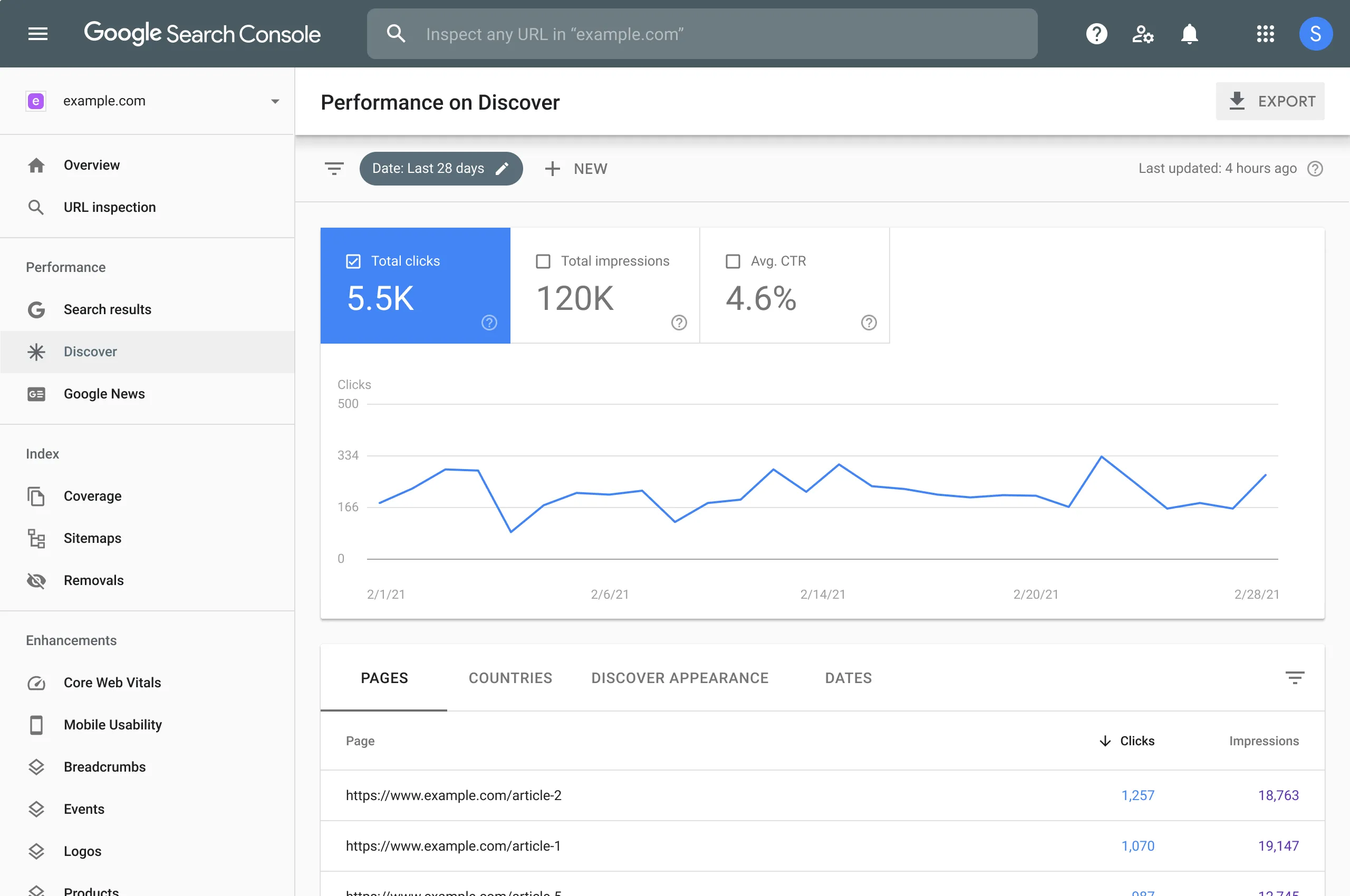
You cannot effectively do SEO without Google Search Console (GSC). It is the only tool that provides data directly from the source. It tells you exactly how Google views your site, which queries are driving clicks, and which technical errors are blocking indexing.
Notable features include:
- Performance Reports: accurate data on clicks, impressions, CTR, and average position.
- Index Coverage: pinpoint exactly why pages aren't indexed (e.g., "Crawled - currently not indexed" vs "Discovered - currently not indexed").
- Page Experience: Detailed reports on Core Web Vitals and HTTPS compliance.
- Rich Results Testing: Verify that your product snippets, reviews, and FAQs are eligible for display.
Strategic Use: Don't just look at the graphs. Use the data to find "striking distance" keywords—queries where you rank on page 2 (positions 11-20). Optimizing these pages often yields the fastest traffic gains. Learn more about interpreting this data in our guide to SEO analytics and insights.
4. Surfer SEO: The Content Optimizer
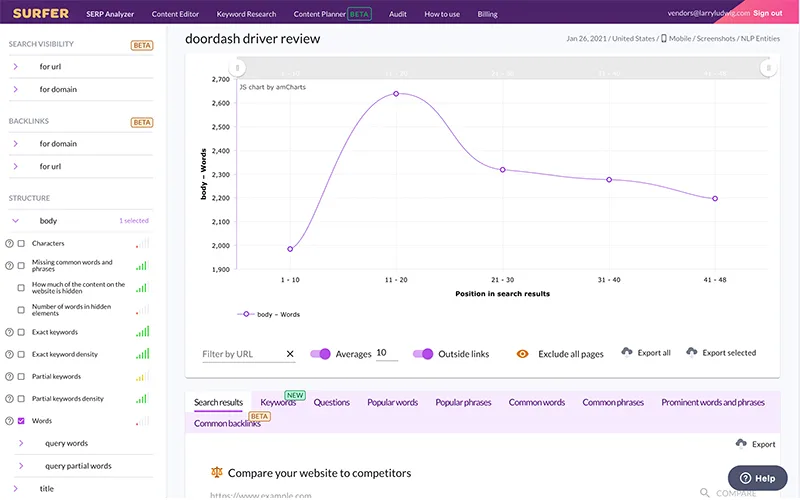
Surfer SEO removes the guesswork from writing. It analyzes the top-ranking pages for your target keyword and reverses-engineers their success. It tells you word count, paragraph structure, image density, and exact keyword usage required to compete.
Some of its notable features are:
- Content Editor: A real-time writing assistant that grades your content as you type.
- SERP Analyzer: A visual breakdown of why the top pages are ranking (correlation analysis).
- Keyword Surfer Extension: Free search volume data directly in Google search results.
- Grow Flow: AI-generated tasks to improve your site's authority incrementally.
The 2026 Advantage: The tool now includes prediction models for content decay, alerting you when a post is likely to lose rankings so you can refresh it before traffic drops.
5. Screaming Frog SEO Spider: Website Crawler
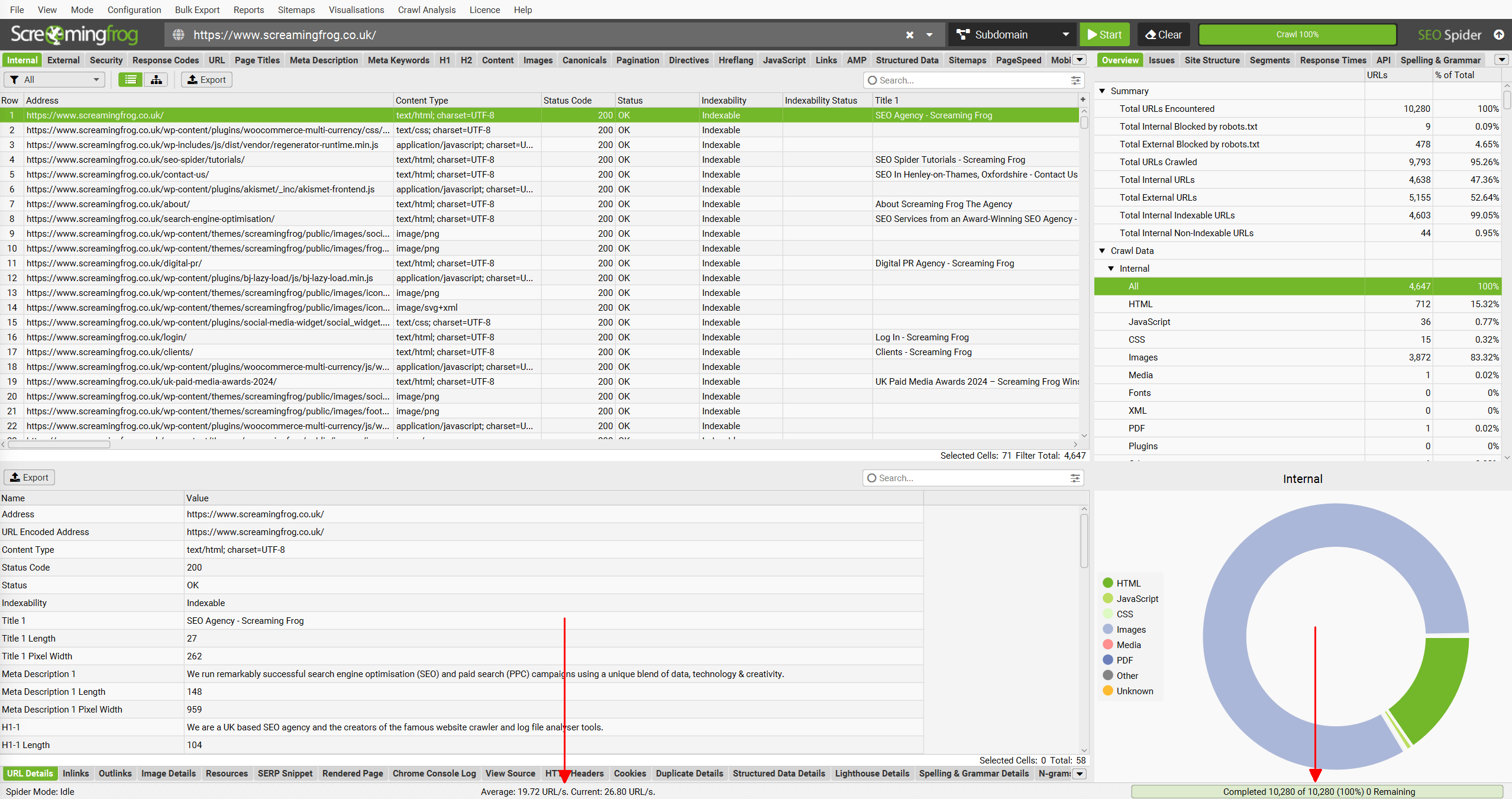
Screaming Frog is a desktop application that crawls websites exactly like a search engine. It is indispensable for technical audits, site migrations, and deep architectural analysis. While it has a steeper learning curve, the depth of data is unmatched.
Key capabilities include:
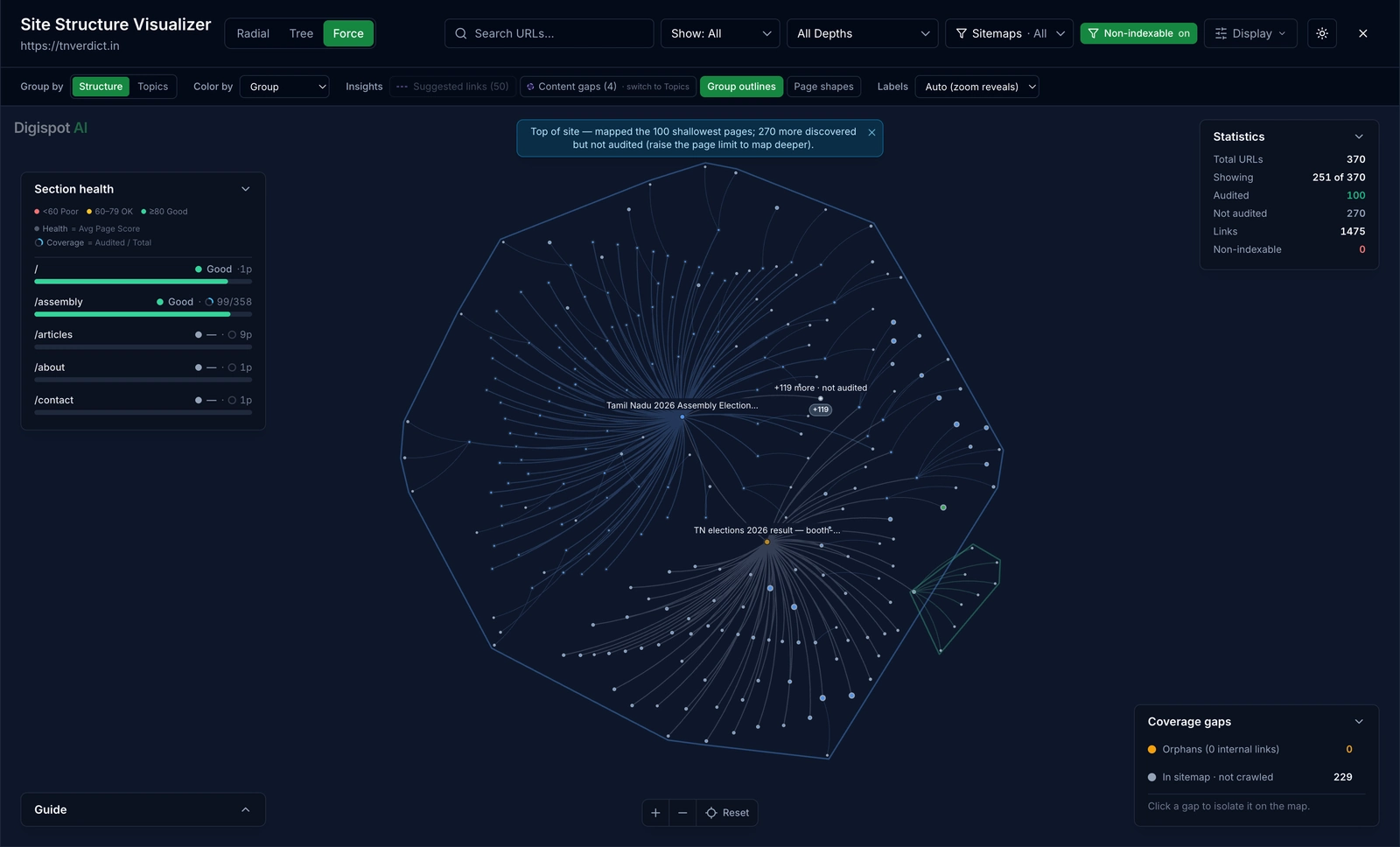
- Visualizing Site Architecture: See the depth of your crawl paths and internal linking structure.
- Audit Redirects: Identify loops, chains, and broken redirects instantly.
- Duplicate Content: Find exact duplicates and near-duplicates using MD5 checksums.
- Custom Extraction: Scrape specific data (like prices or SKU numbers) from HTML across thousands of pages.
Pro Tip: Use Screaming Frog to find "orphan pages"—pages that exist on your server but have no internal links pointing to them. These are invisible to users and often ignored by Google.
Prefer an AI-native alternative? If you love the depth of a desktop crawler but don't love exporting thousands of rows to a spreadsheet, the Digispot AI SEO Spider crawls and visualizes your site architecture and internal-link graph the same way — then layers on full real-browser rendering, 300+ SEO/AEO checks, live GSC and GA4 data, and an MCP server so your AI agent can run the audit and fix what it surfaces. Instead of a raw data dump, you get issues already prioritized by traffic at risk.
6. Moz Pro: The AI-Powered Analyst
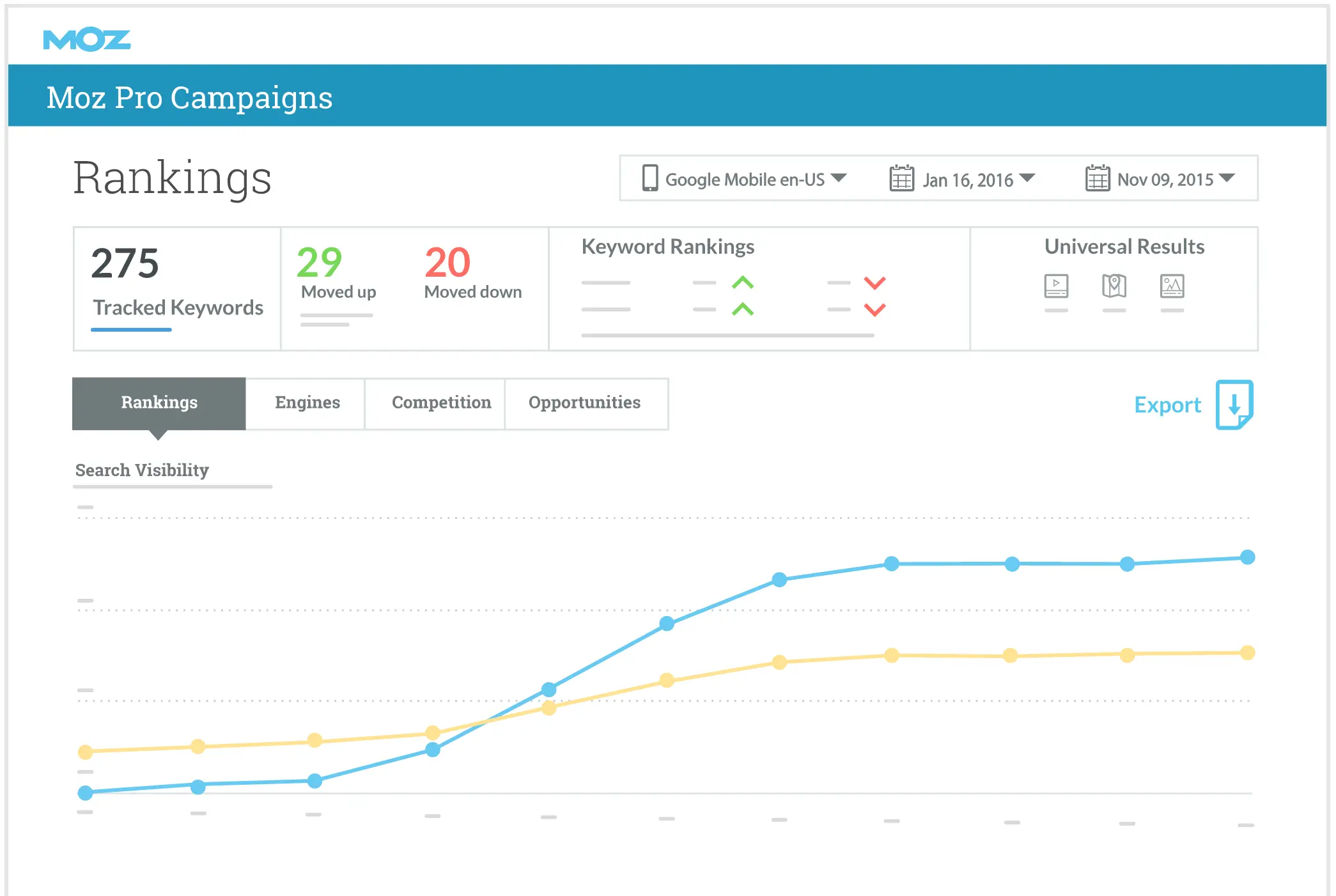
Moz Pro balances power with usability. It created the industry-standard metric "Domain Authority" (DA). It remains one of the best tools for beginners and intermediate SEOs who want clear, actionable data without being overwhelmed by technical jargon.
Notable features:
- Domain Authority (DA): The most widely used metric for predicting ranking potential.
- Keyword Explorer: Known for its "Priority Score," which combines volume, difficulty, and opportunity.
- Link Explorer: A massive index of backlinks to check your authority and find spam.
- On-Page Grader: Simple checklists to optimize individual URLs.
2026 Update: Moz has enhanced its local market analytics, making it a top choice for brick-and-mortar businesses targeting specific metro areas.
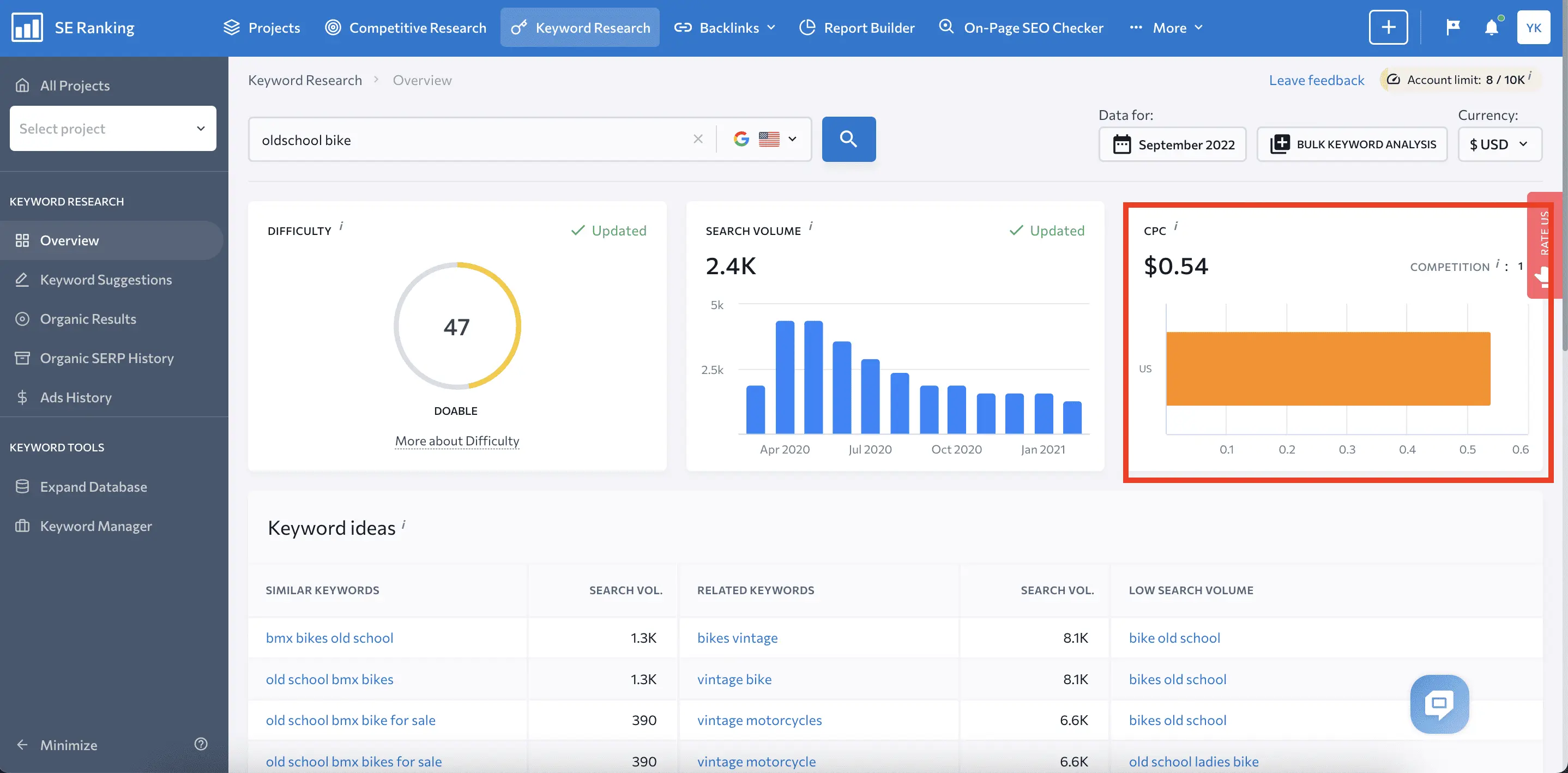
7. SE Ranking: The All-In-One Solution
SE Ranking is a challenger that has rapidly gained market share by offering enterprise-level features at agency-friendly prices. It is particularly strong for agencies that need white-label reporting and client management tools.
Important features include:
- 100% Accurate Rank Tracking: Checks rankings daily with high precision.
- Marketing Plan: A checklist-based system that guides you through SEO tasks—great for teams.
- Social Media Management: Schedule and track social posts alongside SEO data.
- White Label Reporting: Send automated, branded PDF reports to clients.
Why choose it: If you need to manage multiple projects on a budget without sacrificing data accuracy, SE Ranking is often the most cost-effective choice.
8. Majestic SEO: The Backlink Specialist
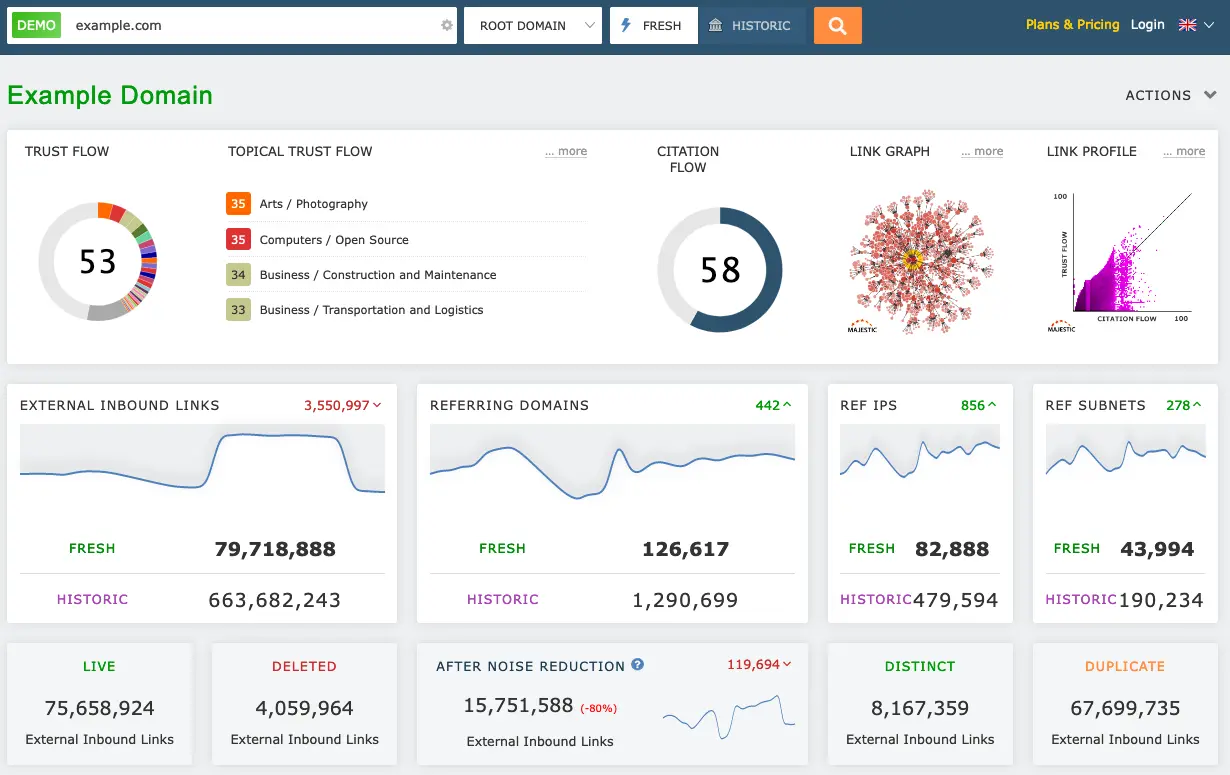
Majestic is a specialist tool focused entirely on backlinks. It doesn't do keyword research or rank tracking; it maps the internet. Its metrics are used by many other tools as a measure of trust.
Core features are:
- Trust Flow: Measures the quality and trustworthiness of a URL based on its proximity to trusted seed sites.
- Citation Flow: Measures the sheer volume of links (quantity).
- Topical Trust Flow: Tells you the category of your authority (e.g., "Health" or "Technology").
- Link Context: Analyzes where a link appears on a page (header, footer, or body text) to value it correctly.
Strategic Use: Use the Trust Flow vs. Citation Flow ratio to detect spam. A high Citation Flow but low Trust Flow usually indicates a spammy link profile.
9. Ubersuggest: The Keyword Research Tool
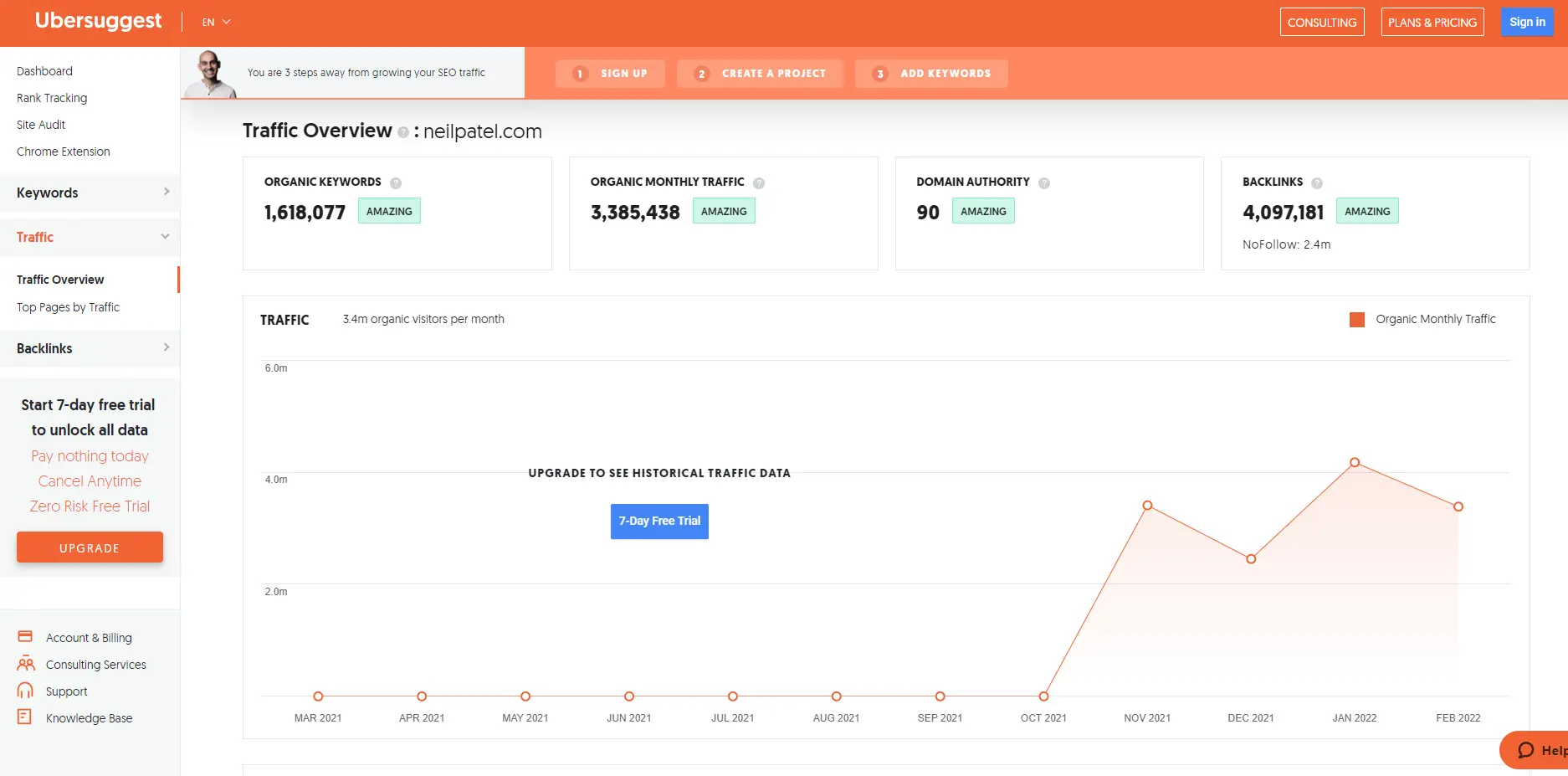
Created by Neil Patel, Ubersuggest democratized SEO data. It is an excellent entry point for small businesses and content creators. It simplifies complex data into understandable metrics like "SEO Difficulty" and "Paid Difficulty."
Key features involve:
- Keyword Ideas: Generates hundreds of long-tail suggestions from a seed term.
- Content Ideas: Shows which articles have performed best for a topic on social media.
- Top Pages: See exactly which pages drive the most traffic for competitors.
- Site Audit: A basic but effective health check for common errors.
Best for: Startups and bloggers who need solid data but don't require the enterprise depth of Semrush or Ahrefs.
10. Rank Math: The WordPress SEO Plugin
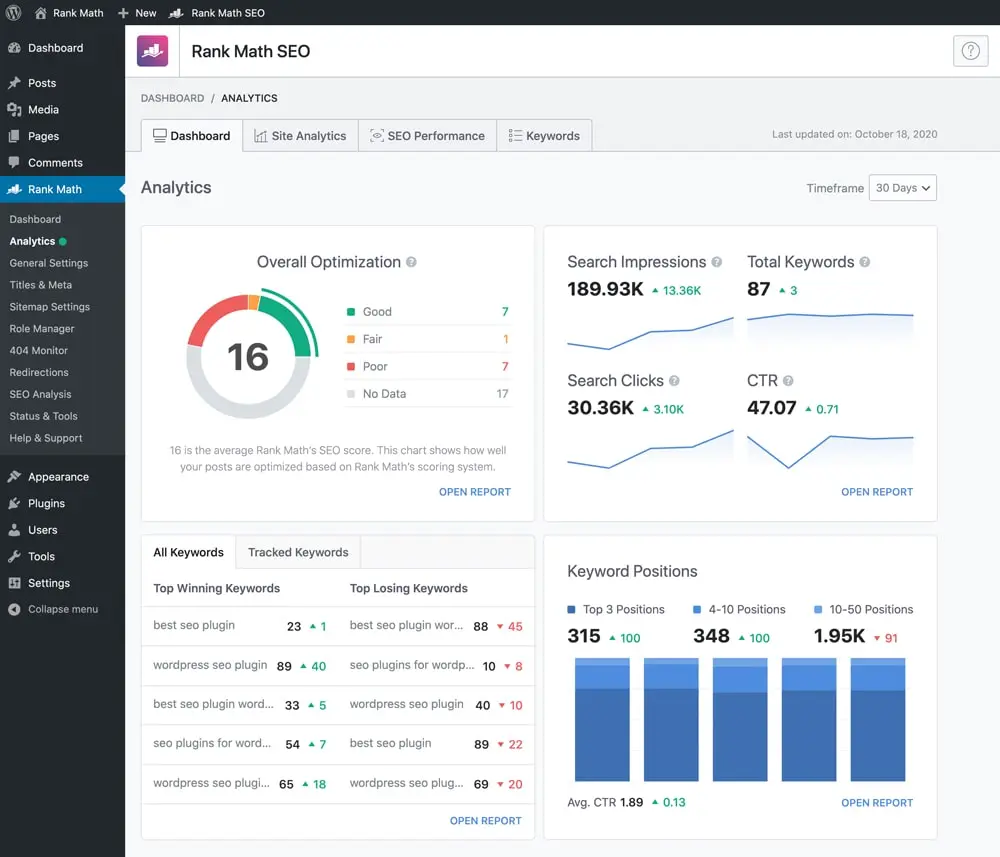
Rank Math is arguably the most powerful SEO plugin for WordPress. It is lightweight, fast, and packed with features that used to require multiple plugins. It handles on-page technicalities directly inside the CMS.
Key features include:
- Advanced Schema Generator: Add Article, Product, Recipe, or Event schema with a few clicks.
- 404 Monitor: Tracks when visitors hit dead ends on your site.
- Redirections Manager: Create 301 redirects easily without touching .htaccess files.
- Content AI: Suggestions for keywords and internal links while you write posts.
Integration: It pulls GSC and GA4 data directly into your WordPress dashboard, keeping your analytics where you work. If you are struggling with structured data, you can also try our free Schema Markup Generator to create code snippets manually.
Additional Free SEO Tools
You don't always need a paid subscription to get results. These free utilities are essential for specific tasks:
- Google Trends: Essential for news jacking and planning seasonal content calendars.
- Google Keyword Planner: The best source for commercial intent data directly from Google Ads.
- Answer The Public: Visualizes search questions (Who, What, Where, Why) to help you capture featured snippets.
- PageSpeed Insights: The definitive test for Core Web Vitals.
- Digispot On-Page SEO Analysis: Try the free On-Page SEO Analysis tool to audit any URL instantly for meta tags, headers, and keyword density.
How to Choose the Right SEO Tool for Your Needs
Selecting the right software is about matching capabilities to your specific bottleneck. A small business with a WordPress site has different needs than an enterprise e-commerce platform.
For Small Businesses & Local SEO
Focus on budget-friendly, all-in-one tools. Ubersuggest or SE Ranking paired with Google Business Profile is a powerful combination. Your priority is local visibility and review management.
For Content Creators & Bloggers
Your bottleneck is usually content production and relevance. Surfer SEO or Frase will give you the highest ROI by ensuring every article you write has ranking potential.
For Technical SEOs & Agencies
You need raw data and crawl depth. Screaming Frog and Digispot AI are non-negotiable. You need to see the code, the headers, and the render path. If you are handling complex migrations, see our SEO audit checklist for 2026.
For Enterprise & E-Commerce
You need scale. Semrush or Ahrefs are required for their API capabilities and massive databases. You also need a tool like Digispot AI to handle the heavy JavaScript rendering typical of modern e-commerce frameworks.
Best Practices for Using SEO Tools
Success comes from the strategist, not the tool. A hammer doesn't build a house; the carpenter does. Here is how to get the most out of your stack:
- Don't Obsess Over Vanity Metrics: Domain Authority (DA) and Toolbar PageRank are third-party estimates. Focus on traffic, conversions, and revenue.
- Triangulate Your Data: No single tool has 100% of the data. Use GSC for your own performance, Semrush for market trends, and Digispot for technical health.
- Automate Reporting: Set up automated alerts for critical issues (like site downtime or massive rank drops) so you can react immediately.
- Validate with Manual Checks: Tools can produce false positives. Always manually verify a reported "error" before making changes.
- Focus on E-E-A-T: Tools can help you structure content, but they can't fake experience. Ensure your content demonstrates real expertise. Read our E-E-A-T guide to understand how to signal trust to Google.
Start Improving Your Search Visibility Today
The SEO tool landscape in 2026 is vast, but it doesn't have to be overwhelming. The goal is clarity. You need tools that cut through the noise and tell you exactly what to fix and where to grow.
Start with the essentials: a solid technical foundation, a clear understanding of your keywords, and a way to track progress. As you scale, invest in specialized tools that give you a competitive edge in content and authority.
Remember, the most expensive tool isn't always the best—it's the one that fits your workflow. If you're ready to see your website through the eyes of next-gen AI crawlers, try Digispot AI. Our platform bridges the gap between traditional SEO and the new era of AI search, ensuring you are visible everywhere your customers are looking.
Have you experimented with AI-driven SEO tools yet? Share your experiences in the comments below. If you're stuck on a technical issue, drop a question—we're here to help you navigate the future of search.
Related deep-dives
Continue with these closely related guides:
- seo analytics — SEO Analytics: Track & Improve Website Ranking
References and Additional Resources
Audit any page in seconds
300+ SEO checks including Core Web Vitals, schema markup, meta tags, and AI readiness — trusted by 1000+ SEO experts and marketers.
Frequently Asked Questions
Here are some of our most commonly asked questions. If you need more help, feel free to reach out to us.
Written by
Maya Krishnan
Digital growth expert
Maya is a seasoned expert in web development, SEO, and digital strategy, dedicated to helping businesses achieve sustainable growth online. With a blend of technical expertise and strategic insight, she specializes in creating optimized web solutions, enhancing user experiences, and driving data-driven results. A trusted voice in the industry, Maya simplifies complex digital concepts through her writing, empowering readers with actionable strategies to thrive in the ever-evolving digital landscape.