Travel & Hospitality SEO: Booking Guide 2026
Master travel and hospitality SEO for hotels and tourism. Attract travelers, optimize for destination searches, and increase direct bookings organically.
 Maya Krishnan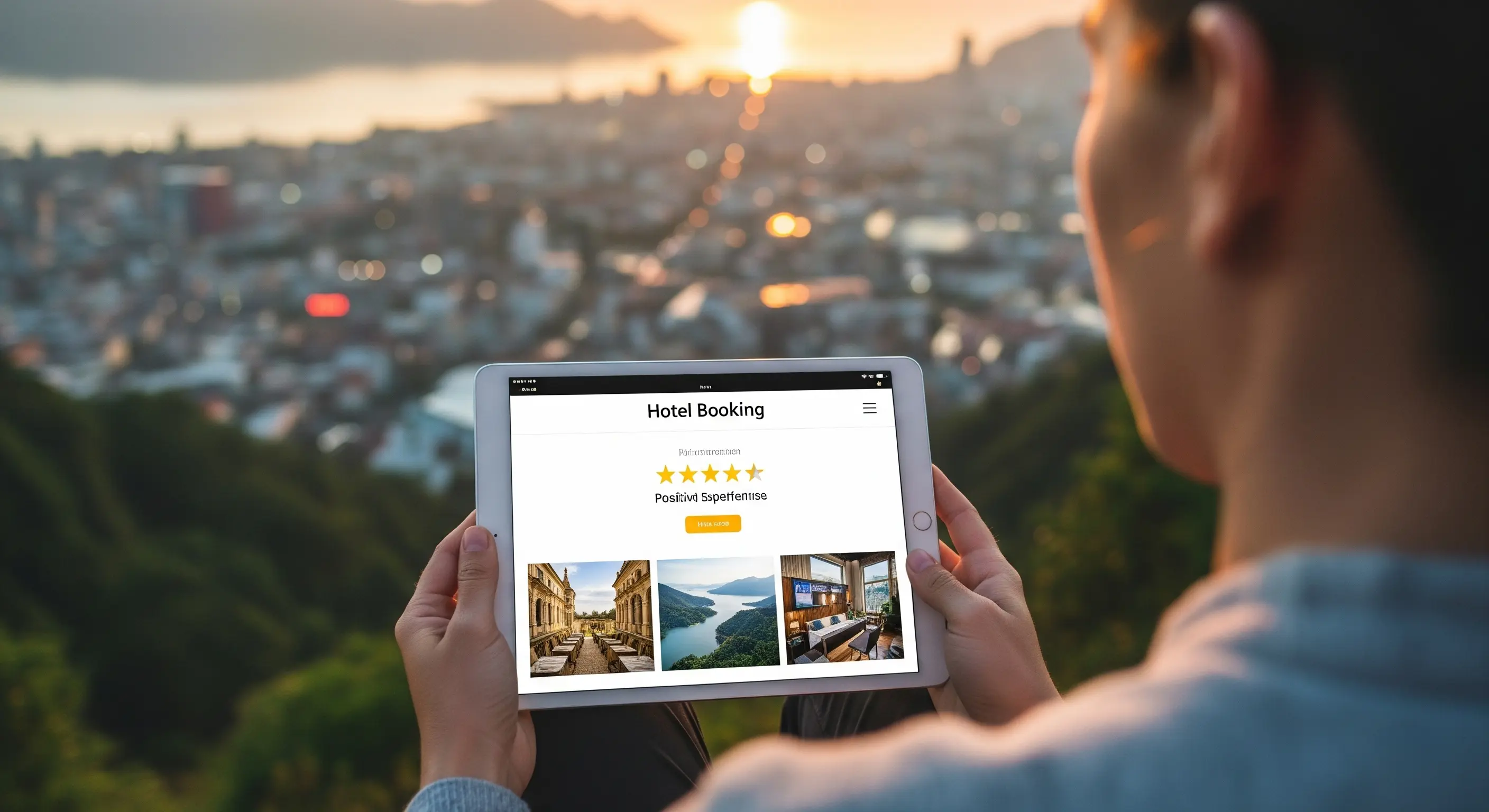
The modern traveler no longer relies on dusty maps or worn-out guidebooks. Their journey begins with a scattered digital footprint: a voice command to a smart speaker, a query on an AI chatbot, or a quick search on a mobile map. The digital age has transformed the travel industry into a fiercely competitive online marketplace where visibility is paramount and the right digital strategy serves as the new compass.
For travel agencies, tour operators, and hospitality businesses, mastering Search Engine Optimization (SEO) is the vessel that carries them to their desired audience. In an era where Google pushes organic results further down the page in favor of ads and AI overviews, technical precision and content relevance are your only defenses against obscurity.
This guide provides a comprehensive roadmap for navigating the intricate landscape of travel SEO in 2026. We will examine core principles—from keyword intent and content mapping to advanced technical audits—and explore specific strategies for hospitality professionals. You will learn how to leverage local optimization, decode the psychology of the traveler's journey, and prepare for the disruption of Answer Engine Optimization (AEO).
The Bedrock of Visibility: Why SEO is Revenue-Critical
The statistics paint an undeniable picture: a staggering 76% of travelers begin their trip planning on search engines. Furthermore, 61% of bookings originate from websites that secure a coveted spot on the first page of search results. If your travel business isn't visible on page one, you are essentially invisible to the majority of your potential revenue.
However, the value of SEO extends beyond simple visibility. It acts as a powerful trust signal. When a user sees your hotel or tour operator ranking highly for a specific query like "luxury eco-lodge Costa Rica," it creates a subconscious association of authority. In an industry where trust is the currency of conversion, this initial impression is a massive differentiator against generic Online Travel Agencies (OTAs).
Unlike paid advertising (PPC), which stops delivering the moment you stop paying, organic SEO builds a sustainable asset. By investing in the fundamental health of your domain, you reduce your reliance on third-party booking platforms that charge 15-25% commissions. This "direct booking" strategy is the holy grail of hospitality marketing, significantly improving profit margins.
The Billboard Effect It is important to acknowledge that many users discover hotels on OTAs (like Expedia or Booking.com) but then search for the brand directly to book. A strong SEO presence ensures that when they do search for your brand, your website appears first, not the OTA's ad for your property.
Decoding Traveler Intent: Advanced Keyword Strategy
At the heart of any successful campaign lies a deep understanding of keywords—the language your customers use to articulate their travel dreams. Effective research moves beyond search volume to understand the intent behind the query.
Digispot AI can help you identify these intent shifts automatically with AI-powered audits that analyze over 200 ranking factors, ensuring you aren't just guessing what travelers want.
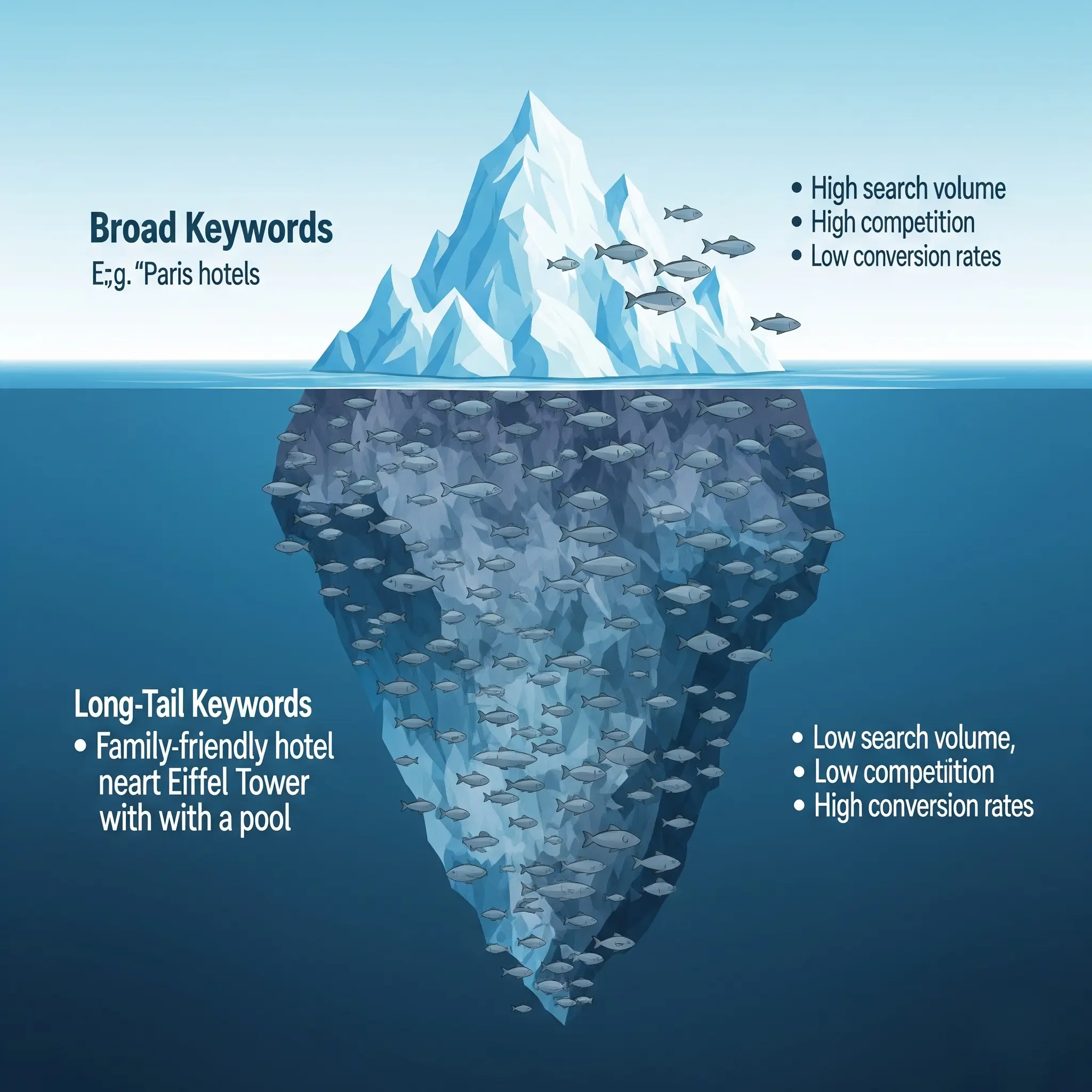
The Power of Long-Tail Keywords Broad terms like "Paris hotels" are vanity metrics for most businesses—they are intensely competitive and often signal low intent. A user searching for "Paris hotels" is likely just browsing.
Contrast this with the long-tail keyword: "boutique hotel in Le Marais with balcony." The search volume is lower, but the conversion rate is exponentially higher. This user knows the neighborhood they want, the type of accommodation they prefer, and specific amenities. They have their credit card ready. Targeting these specific phrases allows smaller operators to outrank global giants by being more relevant to the specific user.
Introducing Transformer Keywords A 2022 research paper, "Predictive SEO for Tourism Websites Through Transformer Keyword Identification," introduced the concept of "transformer keywords." These are terms that capture emerging trends before they saturate the market. For example, spotting a rise in searches for "digital nomad visas Portugal" before major competitors create content around it.
To leverage this, use Google Trends and content gap analysis to identify rising queries. The study outlines a six-step process, but you can simplify it by monitoring "Rising" queries in your niche quarterly.
Practical Keyword Research Steps:
-
Brainstorm Core Topics: List your unique selling points (e.g., "pet-friendly," "sustainable," "adults-only").
-
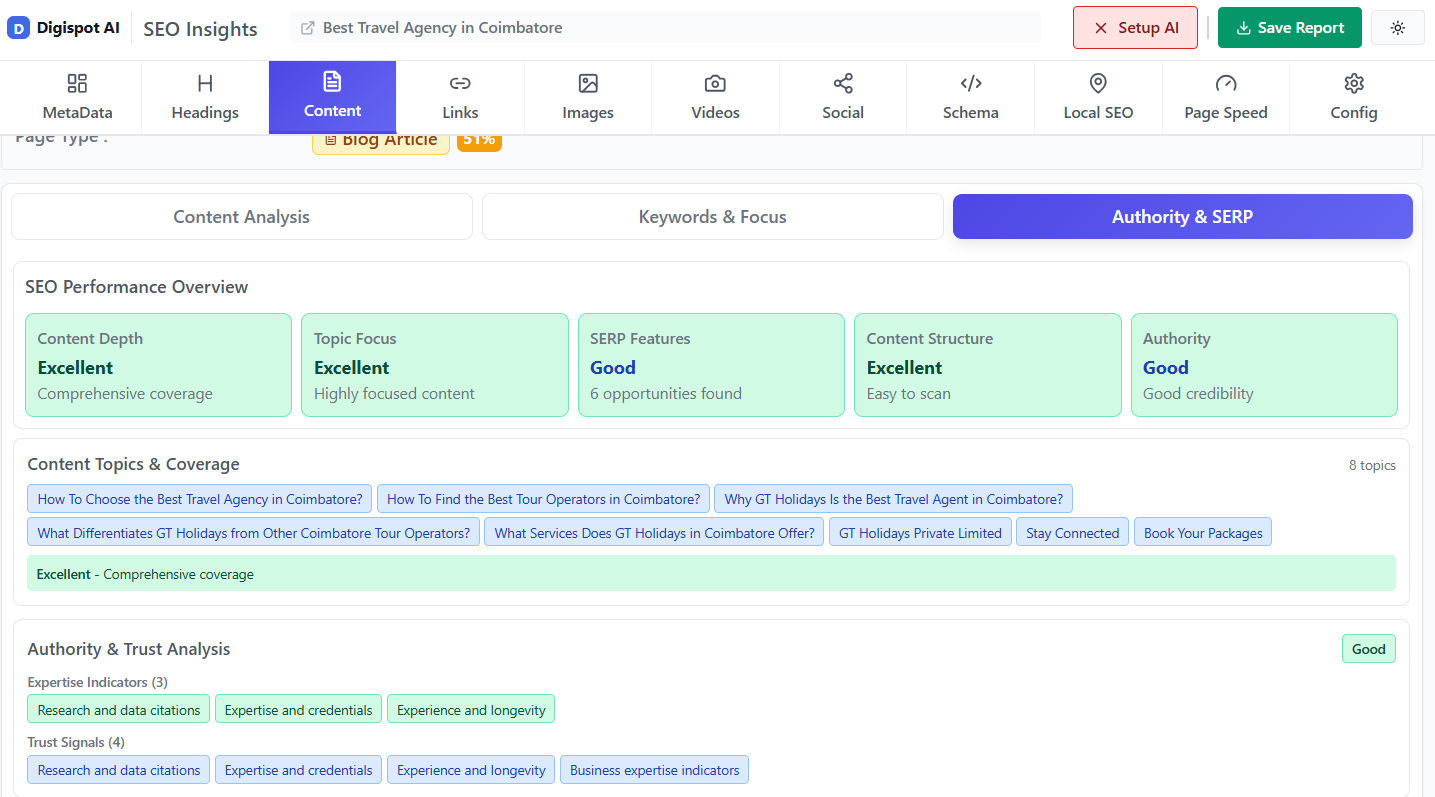
Competitor Analysis: Don't just look at local rivals. Look at the SERP (Search Engine Results Page). Who owns the featured snippet? Get instant SEO insights on any competitor page with our free Chrome extension.
-
Analyze Search Intent: Is the user looking for information ("best time to visit Tokyo") or transaction ("book Tokyo guided tour")?
-
Localize Your Terms: Incorporate neighborhood names, landmarks, and colloquial terms locals use but travelers might search for after reading blogs.
Crafting Narratives: Content for the User Journey
Travel is an emotional purchase. You aren't selling a bed; you are selling the promise of a memory. Your content must bridge the gap between inspiration and transaction.
Mapping Content to Funnel Stages:
- Dreaming (Top of Funnel):
- Goal: Inspire and capture attention.
- Content: High-gloss "Best of" lists, immersive video tours, destination guides (e.g., "10 Hidden Gems in Kyoto").
- Strategy: Use visual-heavy formats. Embed Instagram Reels or TikToks directly into blog posts to increase dwell time.
- Planning (Middle of Funnel):
- Goal: Educate and assist decision-making.
- Content: Itineraries (3-day, 5-day), comparison tables (Bus vs. Train), packing lists, and weather guides.
- Strategy: Address friction points. If travelers worry about safety or transport, write a comprehensive guide addressing those specific concerns.
- Booking (Bottom of Funnel):
- Goal: Convert.
- Content: Landing pages with high-resolution room photos, clear amenity lists, "Book Now" buttons, and FAQs regarding cancellation policies.
- Strategy: Use urgency signals and social proof (e.g., "Rated 4.9/5 by families").
- Experiencing/Sharing (Retention):
- Goal: Advocacy.
- Content: User-generated content campaigns, hashtags, and "Welcome Back" email offers.
E-E-A-T: The Trust Factor Google’s E-E-A-T (Experience, Expertise, Authoritativeness, and Trustworthiness) is critical for "Your Money or Your Life" (YMYL) topics, which includes travel booking. To strengthen your E-E-A-T profile:
- Experience: Don't use stock photos. Use real images of your property or tours. Have guides write blog posts about their daily experiences.
- Expertise: demonstrate deep local knowledge. Explain why a specific hiking trail is dangerous in winter, rather than just listing it.
- Trustworthiness: Ensure your site has a visible SSL certificate, clear privacy policies, and a physical address in the footer. Read our full E-E-A-T SEO guide for a deep dive into building authority.
Technical Foundation: Performance and Crawlability
A beautifully written travel guide is useless if the page takes 8 seconds to load on a 4G connection. Technical SEO ensures search engines can crawl, index, and understand your site structure.
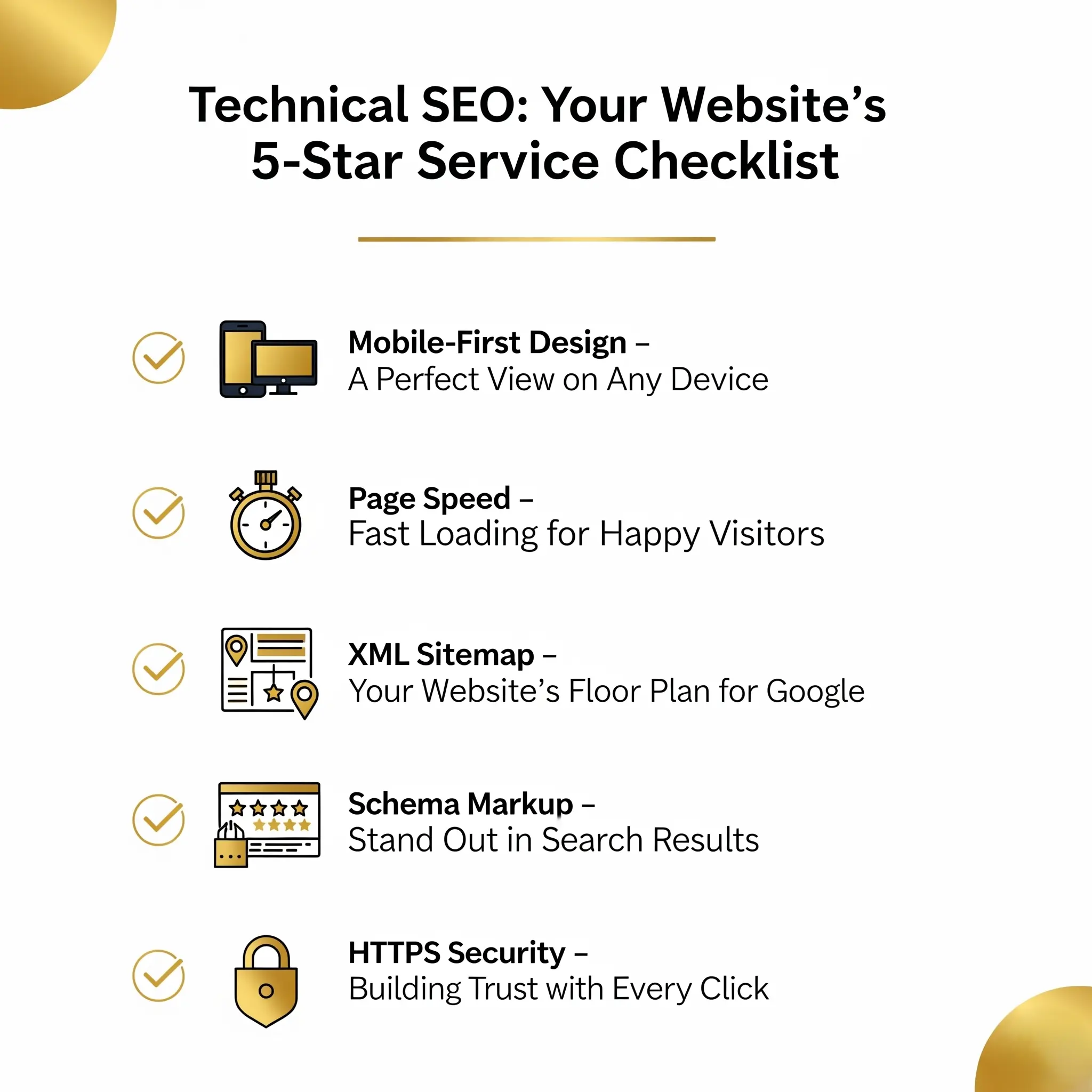
Mobile-First Indexing Google predominantly uses the mobile version of the content for indexing and ranking. In travel, this is critical because users often search "restaurants near me" or "last minute hotels" while physically in the destination. If your mobile menu is broken or your booking engine isn't thumb-friendly, you will lose rankings and revenue.
Core Web Vitals & Page Speed Travel sites are image-heavy, which often kills load speed. Focus on:
- LCP (Largest Contentful Paint): Ensure your hero image is optimized (WebP format) and preloaded.
- CLS (Cumulative Layout Shift): Prevent booking bars or ads from jumping around as the page loads. High CLS frustrates users trying to click buttons.
- For a complete breakdown on fixing these metrics, refer to our Core Web Vitals guide.
Structured Data: The Secret Weapon Schema markup helps Google understand your content is about a "Hotel" or "Event," not just a generic web page.
- Accommodation Schema: define check-in times, star ratings, and price range.
- Review Schema: Display gold stars in search results to improve Click-Through Rate (CTR).
- Breadcrumbs: Help users navigate complex site structures (Home > Asia > Japan > Tokyo Hotels).
Use the free Schema Markup Generator to create valid JSON-LD code for your travel business in minutes. For more complex implementations, check our advanced schema guide.
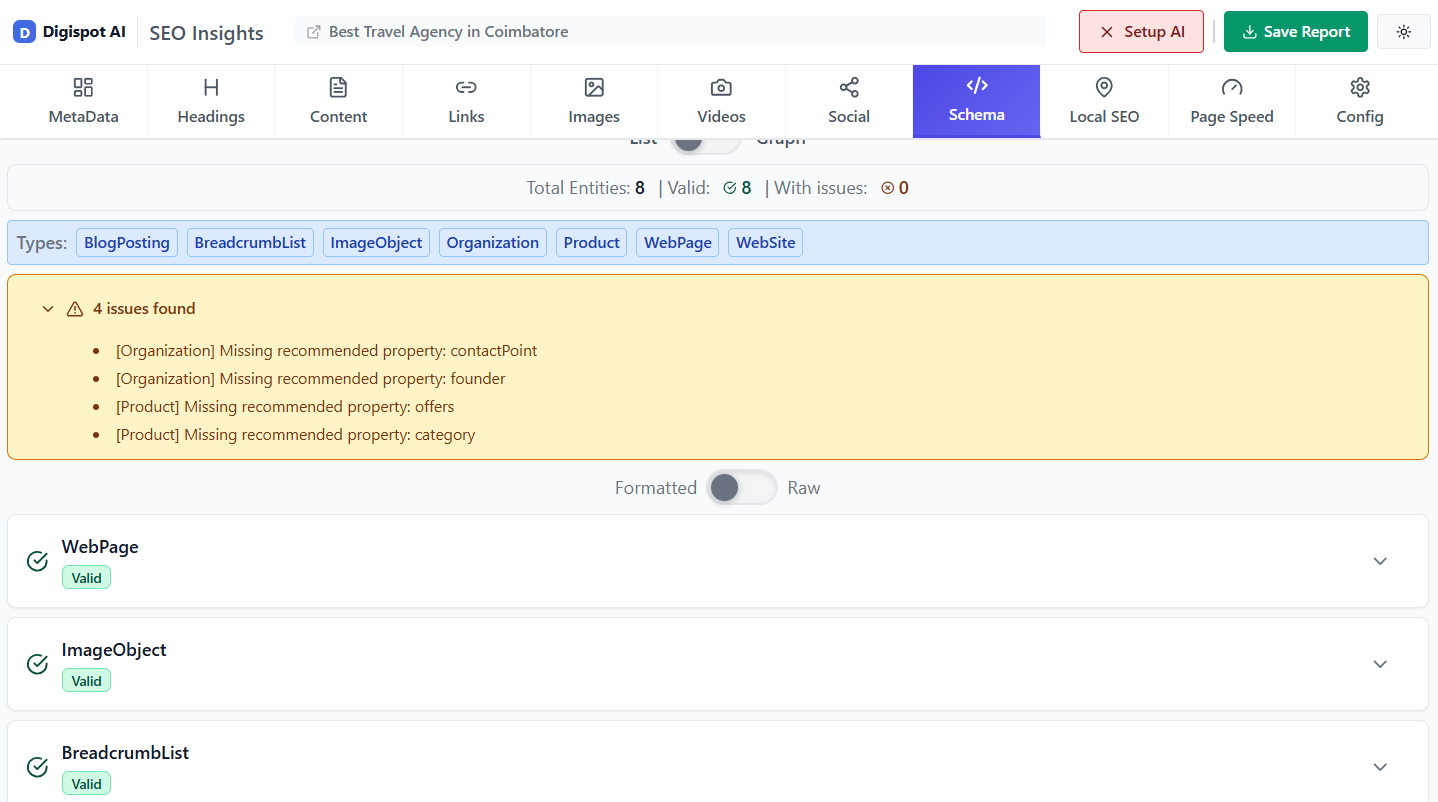
Turn invisible SEO data into clear visuals with our Free Chrome extension.
Beyond Your Website: Off-Page and Local SEO
Off-page SEO builds the reputation of your website through external signals. In travel, this often overlaps with Digital PR.
Building High-Quality Backlinks Avoid spammy directory links. Focus on relevance:
- Guest Blogging: Write for niche travel blogs (e.g., "Sustainable Travel" or "Backpacking Europe").
- Influencer Collaboration: Instead of just paying for an Instagram post, ask for a blog feature on the influencer's site with a "dofollow" link.
- Linkable Assets: Create resources that others naturally reference, such as a "2026 Price Index for Local Attractions."
Local SEO dominance For physical businesses, Local SEO is non-negotiable.
- Google Business Profile (GBP): complete every field. Upload photos of the exterior, interior, and amenities regularly.
- NAP Consistency: Ensure Name, Address, and Phone number are identical across TripAdvisor, Yelp, Booking.com, and your website.
- Reviews: Respond to all reviews. A thoughtful response to a negative review can sometimes be more powerful than a generic positive one. Learn more about optimizing your presence in our Local SEO complete guide.
The Future: AI and Answer Engine Optimization (AEO)
The travel industry is at the forefront of the AI revolution. Tools like Google's AI Overviews (SGE), Perplexity, and ChatGPT are changing discovery. Travelers are now asking questions like, "Plan a 3-day romantic itinerary in Rome under $500," and receiving complete plans without visiting a website.
To survive in an AEO world:
- Answer Directly: Start your blog posts with a direct answer to the user's query before diving into details.
- Entity Optimization: Ensure Google understands your brand as a distinct entity. Use schema to link your social profiles, Wikipedia page (if applicable), and official site.
- Conversational Content: Optimize for voice search by including natural Q&A sections. Think about how a concierge speaks to a guest—helpful, direct, and authoritative.
The Final Itinerary: Strategies for 2026
The journey to SEO success requires consistency and adaptation. By focusing on the strategies outlined above, you move beyond simple keyword stuffing and into the realm of holistic digital experience.
Key Takeaways:
- Prioritize Intent: Target long-tail, high-intent keywords over vanity metrics.
- Create Assets: Build content for every stage of the traveler's journey, from dreaming to booking.
- Technical Health: Fix Core Web Vitals and implement rigorous Schema markup.
- Local Authority: Dominate the map pack with a pristine Google Business Profile.
Ready to improve your search visibility? Try Digispot AI for comprehensive website audits and actionable recommendations that bridge the gap between technical SEO and revenue growth. By following this modern compass, your travel business can navigate the digital frontier with confidence, reaching new horizons of success.
Related deep-dives
Continue with these closely related guides:
- restaurant seo — Restaurant SEO: Hospitality Booking Guide
References
Audit any page in seconds
300+ SEO checks including Core Web Vitals, schema markup, meta tags, and AI readiness — trusted by 1000+ SEO experts and marketers.
Frequently Asked Questions
Here are some of our most commonly asked questions. If you need more help, feel free to reach out to us.
Written by
Maya Krishnan
Digital growth expert
Maya is a seasoned expert in web development, SEO, and digital strategy, dedicated to helping businesses achieve sustainable growth online. With a blend of technical expertise and strategic insight, she specializes in creating optimized web solutions, enhancing user experiences, and driving data-driven results. A trusted voice in the industry, Maya simplifies complex digital concepts through her writing, empowering readers with actionable strategies to thrive in the ever-evolving digital landscape.