How to Get More Google Reviews: 12 Proven Strategies
Generate authentic Google reviews with compliant strategies. Boost Local SEO, win AI search (AEO), and build trust using automation and schema markup.
 Maya Krishnan
In the trust economy of 2026, your Google reviews are no longer just social proof—they are your digital survival kit.
With the rise of AI-powered search engines like Google AI Overviews, Perplexity, and ChatGPT, the rules of visibility have shifted. These platforms don't just count stars; they read the content of your reviews to understand if you are the "best Italian restaurant" or the "most reliable emergency plumber."
If you aren't actively managing your review profile, you aren't just losing human customers—you're becoming invisible to the AI algorithms that power modern search.
This guide covers 12 data-backed strategies to get more Google reviews ethically and effectively. We will move beyond basic advice and explore how to leverage automation, NFC technology, and technical SEO to turn your happy customers into your most powerful marketing engine.
Key Takeaways
- Ask at peak satisfaction. Request the review the moment a positive outcome is delivered—not days later—while the customer's goodwill is highest.
- Kill the friction. NFC cards, QR codes, and direct short links convert far better than "Google us when you get home."
- Never gate reviews. Ask everyone, every time; selectively filtering out unhappy customers violates Google's policy and can wipe your review history.
- Feed the AI, not just the star count. Encourage keyword-rich reviews and respond to every one so answer engines learn what you do well.
- Build velocity, not spikes. A steady, ongoing stream of authentic reviews outperforms a sudden solicited flood that looks manipulative.
Why Google Reviews Are Critical in 2026
Before we dive into the how, it is vital to understand the why. The landscape of search has evolved, and reviews play a dual role:
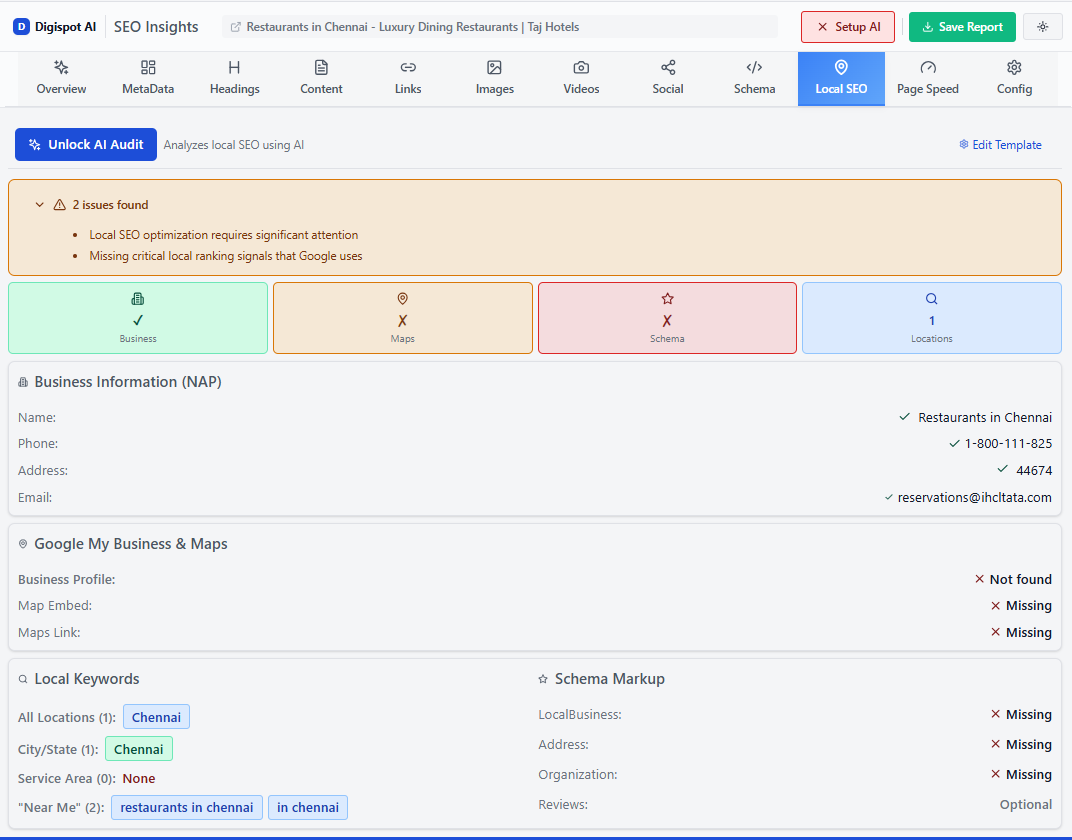
- Local SEO Dominance: According to recent industry studies, review signals (quantity, velocity, diversity) make up over 15% of the Local Pack ranking factors. Without them, you simply won't appear in the "Map Pack."
- AEO (Answer Engine Optimization): AI models read reviews to extract semantic meaning. When a user asks an AI, "Who is the most trustworthy mechanic in Austin?", the AI synthesizes data from review sentiment to form its answer. If you're new to optimizing for these systems, our answer engine optimization guide breaks down how to structure content that AI models cite.
Pro Tip: It's not just about the star rating. It's about the keywords inside the reviews. AI models look for specific terms like "punctual," "honest," or "clean" to match user intent.
1. The "Peak Satisfaction" Timing Strategy
The biggest mistake businesses make is asking too late. The "Peak Satisfaction" window is the brief period immediately after a positive outcome is achieved.
- For Service Businesses: Ask the moment the job is signed off.
- For E-commerce: Ask upon delivery confirmation (not order placement).
- For SaaS: Ask after a "success milestone" (e.g., a user exports their first report).
Why this works: Dopamine levels are highest when a problem is solved. If you wait 3 days to send an automated email, that emotional high has faded, and the request becomes a chore.
2. Frictionless Requests with NFC Cards
In 2026, friction is the enemy of conversion. Asking a customer to "Google us when you get home" has a success rate of less than 5%.
NFC (Near Field Communication) cards have revolutionized in-person review generation. These are physical cards that staff can carry. When tapped against a customer's smartphone, they instantly open your specific Google Review form.
Implementation Steps:
- Purchase blank NFC cards or branded "Google Review Cards."
- Program the card with your direct Google Review short link (found in your GBP dashboard).
- Train staff to say: "If you're happy with the service, would you mind tapping this card to leave a quick rating? It helps us a ton."
3. The "Review Sandwich" Email Template
When sending email requests, structure is everything. Avoid generic "Rate Us" blasts. Use the "Review Sandwich" method: Gratitude + Ask + Value.
Here is a template you can adapt:
Subject: Quick question about your [Product/Service]
Hi [Name],
Thanks again for choosing us for [specific service]. We loved helping you achieve [specific result].
The Ask: Would you mind taking 30 seconds to share your experience on Google? It helps local families find trustworthy providers like us.
[Link: Click here to leave a review]
If there was anything we could have done better, please reply to this email directly so we can fix it immediately.
Best, [Your Name]
This template works because it reminds them of the value received before asking for the favor.
4. Leverage SMS Automation
SMS open rates hover around 98%, compared to 20% for email. For local service businesses (HVAC, dentists, auto repair), SMS is the gold standard.
However, you must be respectful.
- Rule 1: Only send ONE review request via text. Do not spam.
- Rule 2: Keep it under 160 characters.
- Rule 3: Include the direct short link.
"Digispot AI helps you monitor the impact of these campaigns by tracking your ranking fluctuations in real-time as your review count grows."
5. Generate a QR Code for Physical Touchpoints
QR codes are back and essential for physical businesses. Don't just stick a QR code on the door; place it where the customer has "idle time."
- Restaurants: On the payment receipt or table tent.
- Auto Shops: On the mirror hang-tag left in the car.
- Waiting Rooms: On a nicely designed placard near the exit.
Technical Tip: Use a dynamic QR code so you can track how many scans leads to actual reviews. This helps you measure the ROI of your signage.
6. Technical SEO: AggregateRating Schema
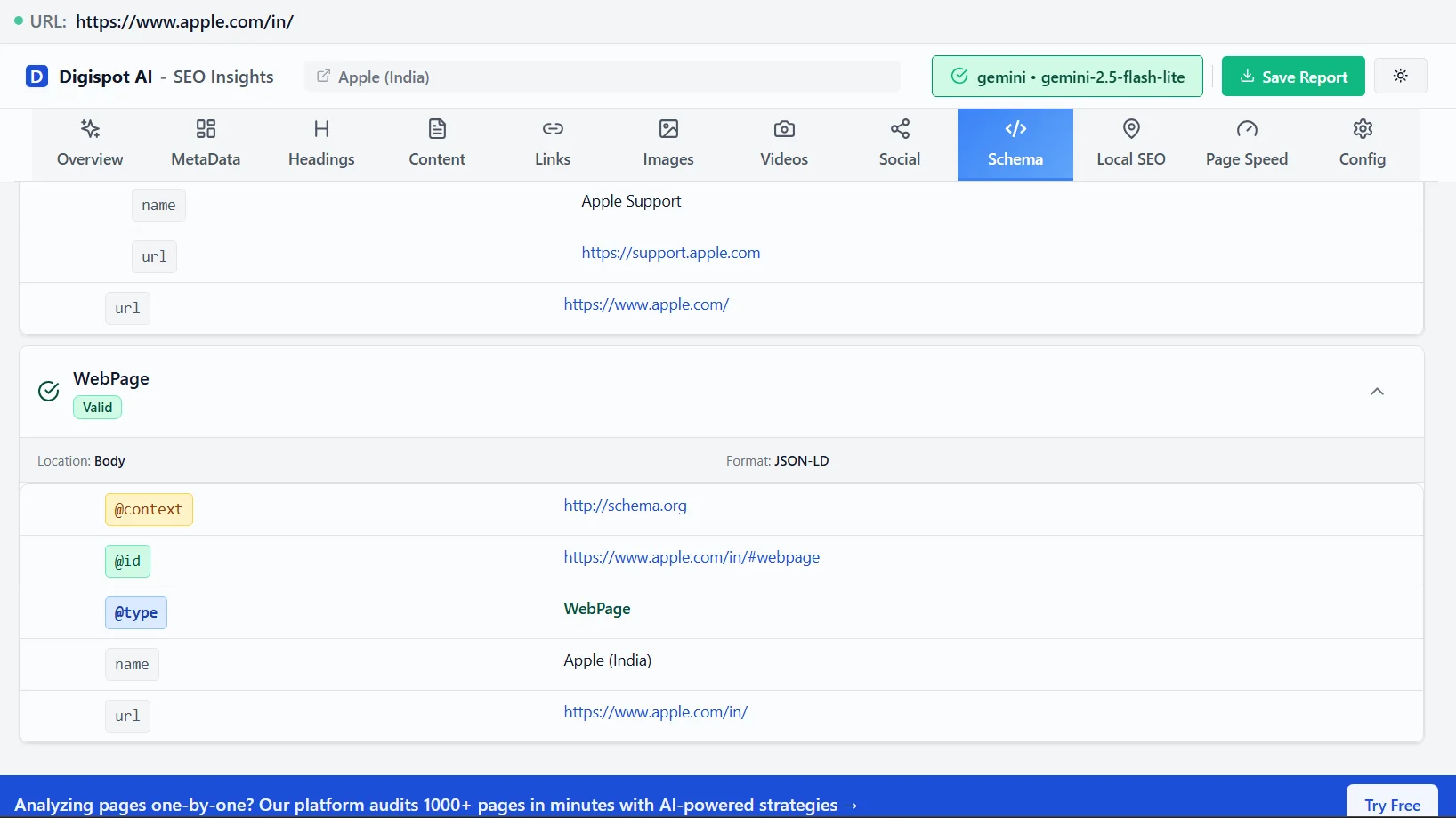
Reviews shouldn't just live on Google Maps; they should boost your website's organic visibility too. By implementing Structure Data (Schema), you can display star ratings next to your organic search results.
This is known as a "Rich Snippet." It draws the eye and can meaningfully improve your click-through rate by making your result stand out in a crowded results page.
Code Snippet Example (JSON-LD):
<script type="application/ld+json">
{
  "@context": "https://schema.org/",
  "@type": "LocalBusiness",
  "name": "Digispot AI Agency",
  "aggregateRating": {
    "@type": "AggregateRating",
    "ratingValue": "4.9",
    "reviewCount": "1250"
  }
}
</script>
Don't want to mess with code? Use the free Schema Markup Generator to create valid structured data for your site in minutes.
7. The "Review Gating" Trap (And How to Avoid It)
Warning: In an attempt to get a perfect 5.0 rating, many businesses use "gating." This involves sending a survey first ("Did you have a good experience?") and only sending the Google Review link to those who say "Yes."
This is a violation of Google's policy. If caught, Google can wipe your entire review history.
The Compliant Approach: You must ask everyone for a review. However, you can frame your request to encourage direct feedback for issues.
- Correct phrasing: "We strive for 5 stars. If we didn't achieve that, please call us immediately so we can make it right. If we did, please share your thoughts on Google."
8. Respond to EVERY Review (The AI Signal)
Responding to reviews is not just polite; it's a ranking signal.
- For Positive Reviews: Reinforce keywords.
- Customer: "Great pizza."
- You: "Thanks! We're glad you loved our wood-fired pepperoni pizza. Hope to see you back for lunch soon!"
- For Negative Reviews: Show professionalism. AI models analyze your responses to determine if you are a responsible business. A calm, helpful response to a bad review can actually increase trust with future customers.
9. Analyzing Competitor Reviews for Intelligence
Your competitors' reviews are a goldmine of data. Read their 1-star reviews to find their weaknesses, and their 5-star reviews to find their strengths.
- If competitors often get complaints about "long wait times," make "Fast Service" a core pillar of your marketing.
- If they are praised for "friendly staff," ensure your team training emphasizes hospitality.
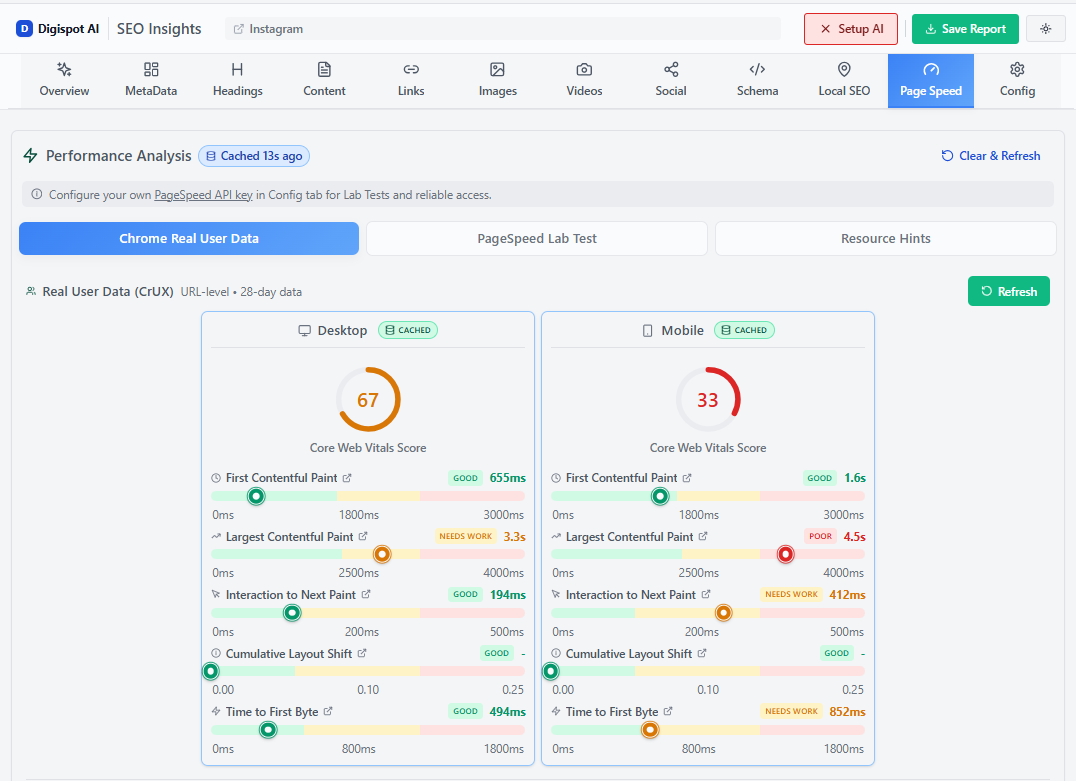
Get instant SEO insights on any competitor page to see how they position themselves using our free Chrome extension.
10. Incorporate Reviews into Website Content
Don't let reviews die on your Google Profile. Embed them on your website's "Service" and "About" pages.
Why this helps SEO:
- Fresh Content: Dynamic review widgets keep page content updating regularly.
- Keyword Density: Customers use natural language and long-tail keywords that you might miss in your own copywriting.
- Conversion: Social proof on landing pages increases conversion rates.
Where to place them for maximum effect: Put testimonials next to the decision point, not in a buried "Reviews" tab. On a service page, drop a relevant quote directly beneath the pricing or "Book Now" button so it answers the customer's last objection at the moment of hesitation. On location pages, feature reviews that mention the neighborhood or specific service so the copy naturally reinforces local intent.
When you embed the reviews as marked-up content rather than an image or an iframe, search engines can read the text and, with the right structured data and schema, tie those ratings back to the page itself. That combination of crawlable social proof and rich snippets is what turns an embedded testimonial from a nice touch into a genuine ranking and click-through asset.
11. Train Your Team (The Human Element)
No software can replace a genuine human connection. Incentivize your staff to mention reviews.
Gamification Idea: Run a monthly contest. If a customer mentions a staff member by name in a 5-star review, that employee gets a bonus. This encourages staff to deliver 5-star service and ask for the review.
Build it into the workflow, not memory. The teams that consistently generate reviews treat the ask as a fixed step in the closing process—the same way a checkout prompt or a "sign here" moment is scripted. Give staff a one-line, natural ask they can say verbatim so they never have to improvise, and pair it with the physical prop (NFC card, receipt QR) so the request and the action happen in the same breath.
Track it at the person level. Add a simple weekly tally of "reviews mentioning a team member" to your standup. Celebrating the top performer publicly does more than any policy memo, and it surfaces which staff naturally earn the keyword-rich, specific reviews that feed both the Local Pack and AI answers. Just keep the incentive tied to service quality and asking—never to the star rating itself, which would tempt gating. Because those name-checked reviews also strengthen the local relevance signals that help you rank for "near me" searches, the payoff compounds well beyond a single listing.
12. Monitoring Your AI Visibility (AEO)
As we move deeper into 2026, you need to know how AI sees your brand. Traditional rank trackers only show you where you rank on a list. They don't tell you what ChatGPT thinks of you.
You need to monitor:
- Sentiment Analysis: Is the overall tone positive, neutral, or negative?
- Entity Association: Does Google associate your brand with your target keywords (e.g., "Digispot AI" + "SEO Tools")?
Ready to improve your search visibility? Try Digispot AI for comprehensive website audits and actionable recommendations that bridge the gap between traditional SEO and the new world of AI Search.
Conclusion: Start Building Your Trust Moat
Getting more Google reviews isn't just about vanity metrics; it's about building a "Trust Moat" around your business. In an era of AI content and automated responses, authentic human feedback is the most valuable currency you have.
Start small. Choose one strategy from this list—perhaps the NFC cards or the SMS automation—and implement it this week. Consistency is key. A steady trickle of honest reviews will always outperform a sudden flood of solicited ones.
Remember to audit your current standing first. Try the free On-Page SEO Analysis tool to ensure your website is technically sound and ready to convert the traffic your new reviews will bring.
Related deep-dives
Continue with these closely related guides:
- google business profile — Google Business Profile Guide: Master Local Search & Maps Ranking (2026)
- google business profile — Master Google Business Profile SEO: The 2026 Ranking Framework
- what is local seo? — What Is Local SEO? A Complete Beginners Guide for 2026
- top google business profile — Top Google Business Profile Ranking Factors for 2026: The Complete Guide
References
Audit any page in seconds
300+ SEO checks including Core Web Vitals, schema markup, meta tags, and AI readiness — trusted by 1000+ SEO experts and marketers.
Frequently Asked Questions
Here are some of our most commonly asked questions. If you need more help, feel free to reach out to us.
Written by
Maya Krishnan
Digital growth expert
Maya is a seasoned expert in web development, SEO, and digital strategy, dedicated to helping businesses achieve sustainable growth online. With a blend of technical expertise and strategic insight, she specializes in creating optimized web solutions, enhancing user experiences, and driving data-driven results. A trusted voice in the industry, Maya simplifies complex digital concepts through her writing, empowering readers with actionable strategies to thrive in the ever-evolving digital landscape.