Diagnostic Services SEO: Local Patient Guide
Optimize diagnostic labs and centers for local SEO success. Rank higher on Google Maps, attract patients searching for labs nearby, and grow appointments.
 Maya Krishnan
When a patient needs a diagnostic service—whether it's an urgent X-ray, a routine blood panel, or a specialized MRI scan—their journey almost always begins with a search engine. They aren't just browsing; they are hunting for immediate answers, querying voice assistants while driving, or scanning Google Maps for the nearest facility with high ratings.
For diagnostic centers, digital discoverability is no longer a "nice-to-have" supplement to physician referrals. It is the fundamental engine of patient acquisition. If your lab doesn't appear when a patient searches "blood test near me" or "diagnostic center open Sunday," you effectively don't exist for that user.
This guide details the mechanics of Search Engine Optimization (SEO) specifically tailored for diagnostic services. We will break down how to align with Google's strict healthcare algorithms, rank for local intent, and leverage modern tools to automate this complex workflow.
What is Diagnostic Services SEO?
Diagnostic Services SEO is the strategic optimization of your center’s digital assets to rank prominently for high-intent medical queries. Unlike general retail SEO, this involves a specialized approach that respects patient privacy, medical accuracy, and local urgency.
When a user types "CT scan cost in [City]" or "pathology lab for thyroid test," search engines must decide which result is most relevant, trustworthy, and geographically convenient. Diagnostic SEO ensures your facility is the answer to those questions. It bridges the gap between patient needs and your medical services.
This process is distinct from general marketing because it targets users who already have a demonstrated need. You aren't convincing them to get a test; you are convincing them to choose your facility for the test they already require.
Why is SEO Crucial for Your Diagnostic Business?
Traditional advertising relies on interruption—showing ads to people who may not need your services right now. SEO relies on intent. It captures demand at the exact moment it exists.
Consider the shift in patient behavior. Reliance on physical directories is extinct. Even direct referrals from doctors are often double-checked online by patients looking for reviews, hours, or insurance compatibility. If your competitors dominate the top spots on Google, they capture the lion's share of this high-intent traffic.
Table 1: Traditional Marketing vs. SEO for Diagnostic Services
| Feature | Traditional Marketing (e.g., Print Ads, Billboards) | Diagnostic Services SEO (Digital Marketing) |
|---|---|---|
| Reach | Limited to geographic area or specific publication; static audience. | Global potential, but easily localized; reaches active searchers in real-time. |
| Cost | High initial investment (CPM); costs recur for every new campaign. | High ROI over time; organic traffic effectively lowers Cost Per Acquisition (CPA) continuously. |
| Measurability | Difficult to track direct ROI or attribution to specific appointments. | Highly measurable via analytics (clicks, calls, appointments, rankings). |
| Targeting | Broad; impressions wasted on healthy individuals not seeking care. | Precision targeting; connects only with individuals actively seeking your specific tests. |
| Longevity | Short-term impact; visibility stops the moment you stop paying. | Long-term asset; high-quality content continues to generate traffic for years. |
| Credibility | Perceived as paid advertising, often ignored or blocked. | Seen as an organic, unbiased recommendation by search engines, building authority. |
SEO ensures your diagnostic center is not just a participant in the local market but the dominant authority. It positions your brand as the most accessible and reliable choice before a patient even picks up the phone.
Understanding the Landscape: Key Aspects of Diagnostic Services SEO
Mastering SEO for diagnostic centers requires navigating a complex ecosystem of ranking factors. Google holds healthcare websites to a higher standard known as YMYL (Your Money or Your Life), meaning accuracy and trust are non-negotiable.
What are the Core Components?
An effective strategy is built on five interconnected pillars. Neglecting one often undermines the others.
1. Local SEO for Diagnostic Centers
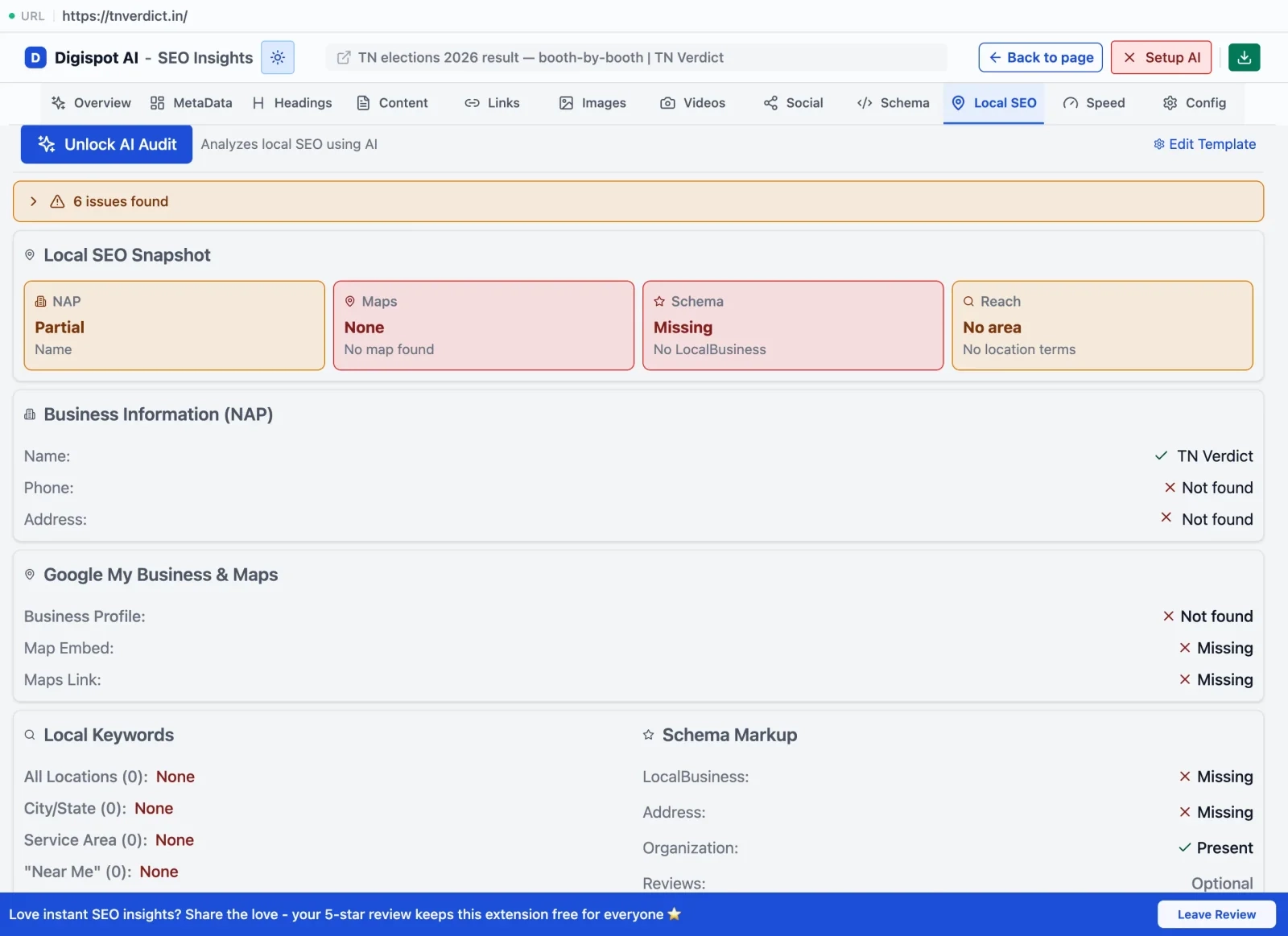
For labs and imaging centers, "local" is the primary driver of revenue. Patients rarely travel far for routine diagnostics unless the service is highly specialized. Local SEO ensures you dominate the "near me" searches.
- Google Business Profile (GBP) Mastery: Your GBP is your digital storefront. It must be more than just "claimed." It requires meticulous optimization: accurate operating hours (especially for holidays), specific categories (e.g., "Medical Laboratory," "MRI Center"), and high-quality photos of the facility and waiting areas.
- Reputation Management: Actively soliciting and responding to reviews is vital. A steady stream of fresh reviews signals to Google that your business is active and trusted by the community.
- Local Citations: Your Name, Address, and Phone number (NAP) must be identical across the web (Yelp, Healthgrades, Apple Maps). Inconsistencies here confuse search algorithms and can tank your local rankings. For a deeper dive into these strategies, read our complete guide to local SEO.
2. Technical SEO for Healthcare Websites
Technical SEO is the infrastructure that allows your content to be found. In healthcare, where patients may be anxious or in a rush, site performance is a trust signal.
- Core Web Vitals: Google measures user experience through loading speed, interactivity, and visual stability. A site that shifts around while loading or takes 5 seconds to appear will be abandoned by mobile users immediately. Learn more about optimizing these metrics in our Core Web Vitals guide.
- Mobile Responsiveness: With over 60% of healthcare searches occurring on mobile devices, your site must offer a flawless mobile experience. Buttons for "Call Now" or "Book Appointment" must be thumb-friendly and easily accessible.
- Security (HTTPS): Google flags non-secure sites. For a diagnostic center handling potential patient data (even just appointment forms), SSL encryption is mandatory for both security and rankings.
- Schema Markup: This is the language of search engines. By adding
MedicalBusinessorMedicalTestschema, you explicitly tell Google, "This page offers an MRI service." This can trigger rich snippets, showing prices, hours, or FAQs directly in search results.
Get instant SEO insights on any page, including schema detection, with our free Chrome extension.
3. Content Marketing for Diagnostic Services
Content in the diagnostic space must bridge the gap between medical terminology and patient questions.
- Service Pages: Do not just list "Ultrasound." Create a dedicated page for "Abdominal Ultrasound," "Pelvic Ultrasound," and "Doppler Ultrasound." Detail the procedure, preparation (e.g., fasting requirements), and typical turnaround times.
- Educational Blogging: Target "Top of Funnel" queries. Patients often search symptoms or test explanations before booking. Articles like "Why do I need a lipid profile?" or "MRI vs. CT Scan: What's the difference?" establish authority.
- Patient Resources: Preparation guides (PDFs or pages) reduce patient anxiety and appointment cancellations, while also ranking for specific queries like "preparation for colonoscopy."
4. On-Page SEO Best Practices
On-page SEO involves fine-tuning individual URLs to maximize relevance.
- Keyword Mapping: naturally integrate terms like "X-ray center in [Neighborhood]" into H1 tags, URL structures, and meta descriptions.
- Internal Linking: Link your blog posts to your service pages. For example, a blog about "Heart Health" should link to your "Cardiac Diagnostic Services" page. This distributes "link equity" and helps Google crawl your site effectively.
- Image Optimization: Diagnostic centers use heavy imagery. Ensure images of equipment or facilities are compressed for speed and include descriptive alt text (e.g., "Open MRI machine for claustrophobic patients"). Check our on-page SEO best practices for a detailed checklist.
5. Off-Page SEO and Link Building
Authority is built through association. Backlinks from reputable sources act as votes of confidence.
- Medical Backlinks: Aim for links from local hospitals, medical journals, or healthcare directories.
- Community Engagement: Sponsoring local health runs or partnering with local clinics can earn high-value local backlinks from news sites or community portals.
How Google and AI Search Engines Rank Diagnostic Services?
Modern search engines, including AI-driven platforms like Perplexity or ChatGPT (AEO), prioritize context and credibility over simple keyword matching.
- E-E-A-T (Experience, Expertise, Authoritativeness, Trustworthiness): For YMYL topics, Google asks: "Who wrote this?" Ensure your content is reviewed by medical professionals (e.g., "Medically reviewed by Dr. Smith, Radiologist"). Display accreditations (NABL, CAP, ISO) prominently in the footer and on About pages.
- User Intent: Google distinguishes between someone asking "what is a blood test" (Informational) and "blood test lab open now" (Transactional). Your site must have content that satisfies both intents.
- Proximity Signals: For local packs, the physical distance between the searcher and your center is a primary ranking factor. You cannot change your location, but you can maximize visibility within your radius by reinforcing local keywords.
Table 2: Key SEO Ranking Factors for Diagnostic Services
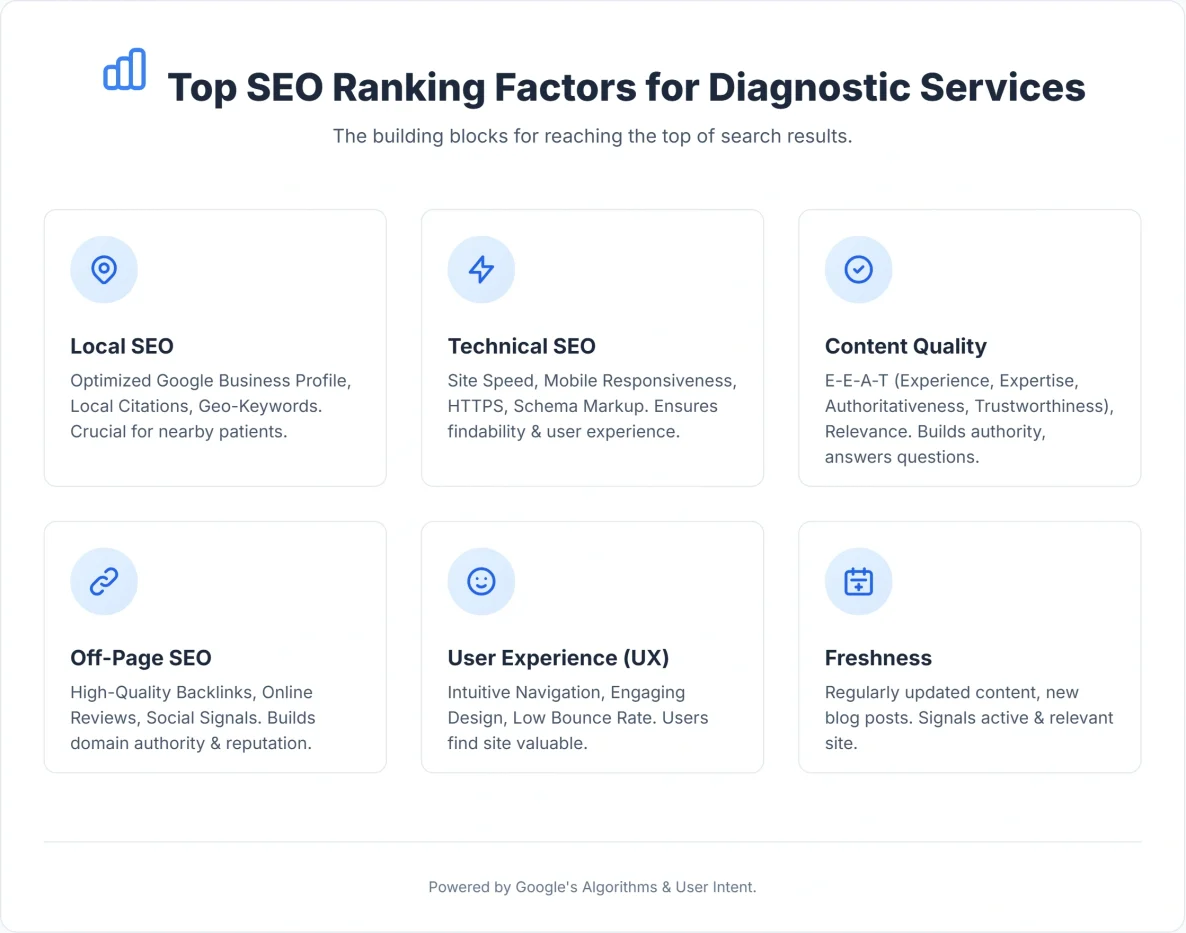
| Ranking Factor | Why It Matters for Diagnostic Centers | Optimization Action |
|---|---|---|
| Google Business Profile (GBP) | Primary driver for Maps visibility and "near me" searches. | Verify listing, select accurate categories, post weekly updates. |
| E-E-A-T Signals | Critical for YMYL (medical) content to prove safety and accuracy. | Add author bios, medical credentials, and accreditation badges. |
| Review Velocity & Sentiment | Determines local rank and patient trust. | Implement automated post-appointment review request SMS/emails. |
| On-Page Relevance | Helps Google match specific services to queries. | Create distinct pages for every test type (e.g., separate pages for X-ray vs. MRI). |
| Backlink Profile | Signals authority to search algorithms. | Earn links from local health directories, partners, and news outlets. |
| Mobile Performance | Most health searches happen on phones; slow sites lose rank. | Optimize Core Web Vitals and ensure responsive design. |
Benefits of a Robust Diagnostic Services SEO Strategy
Investing in SEO is investing in the digital infrastructure of your business. The returns compound over time.
1. Increased Visibility and Online Presence
When you rank in the "Local Pack" (the map section with three business listings), you occupy the most valuable real estate on the search results page. This visibility puts your brand top-of-mind for patients who may not even click immediately but will remember your name when the need arises.
2. Higher Patient Traffic and Lead Generation
SEO traffic is "pre-qualified." These visitors are not browsing for fun; they have a medical necessity. Consequently, organic search traffic for diagnostic centers typically has a higher conversion rate than social media traffic. A user searching for "walk-in X-ray" is ready to go now.
3. Enhanced Credibility and Trust
Patients unconsciously associate Google rankings with quality. If Google trusts you enough to put you first, patients assume you are a leading facility. This "halo effect" reduces friction in the decision-making process. High rankings combined with a 4.5+ star rating make you the obvious choice.
4. Cost-Effective Marketing
Pay-Per-Click (PPC) ads are effective but expensive—you pay for every single visitor. SEO requires upfront effort, but once you rank, the traffic is free. Over a 12-month period, the cost-per-acquisition (CPA) for organic search is often significantly lower than paid channels.
5. Competitive Advantage
Many diagnostic centers still rely on outdated websites or purely on doctor referrals. By adopting a modern SEO strategy, you can leapfrog competitors who have been in business longer but have neglected their digital presence. A new center with great SEO can outrank an established center with a poor website.
Table 3: Benefits of a Comprehensive Diagnostic Services SEO Strategy
| Benefit | Description | Outcome for Your Business |
|---|---|---|
| Improved Visibility | Your center appears higher in search results for relevant queries. | More people find your services when they need them. |
| Increased Patient Traffic | More qualified visitors land on your website. | Higher potential for new patient appointments and inquiries. |
| Enhanced Credibility | Top rankings and positive reviews build trust with potential patients. | Patients perceive your center as reliable and authoritative. |
| Cost Efficiency | Organic traffic is "free" per click, reducing marketing spend long-term. | Lower customer acquisition costs, better ROI. |
| Competitive Edge | Outrank rivals by proactively optimizing for search engines. | Capture a larger market share, strengthen brand position. |
| Better Patient Experience | A well-optimized site is fast, mobile-friendly, and easy to navigate. | Higher patient satisfaction from initial online interaction. |
How to Implement an Effective Diagnostic Services SEO Strategy?
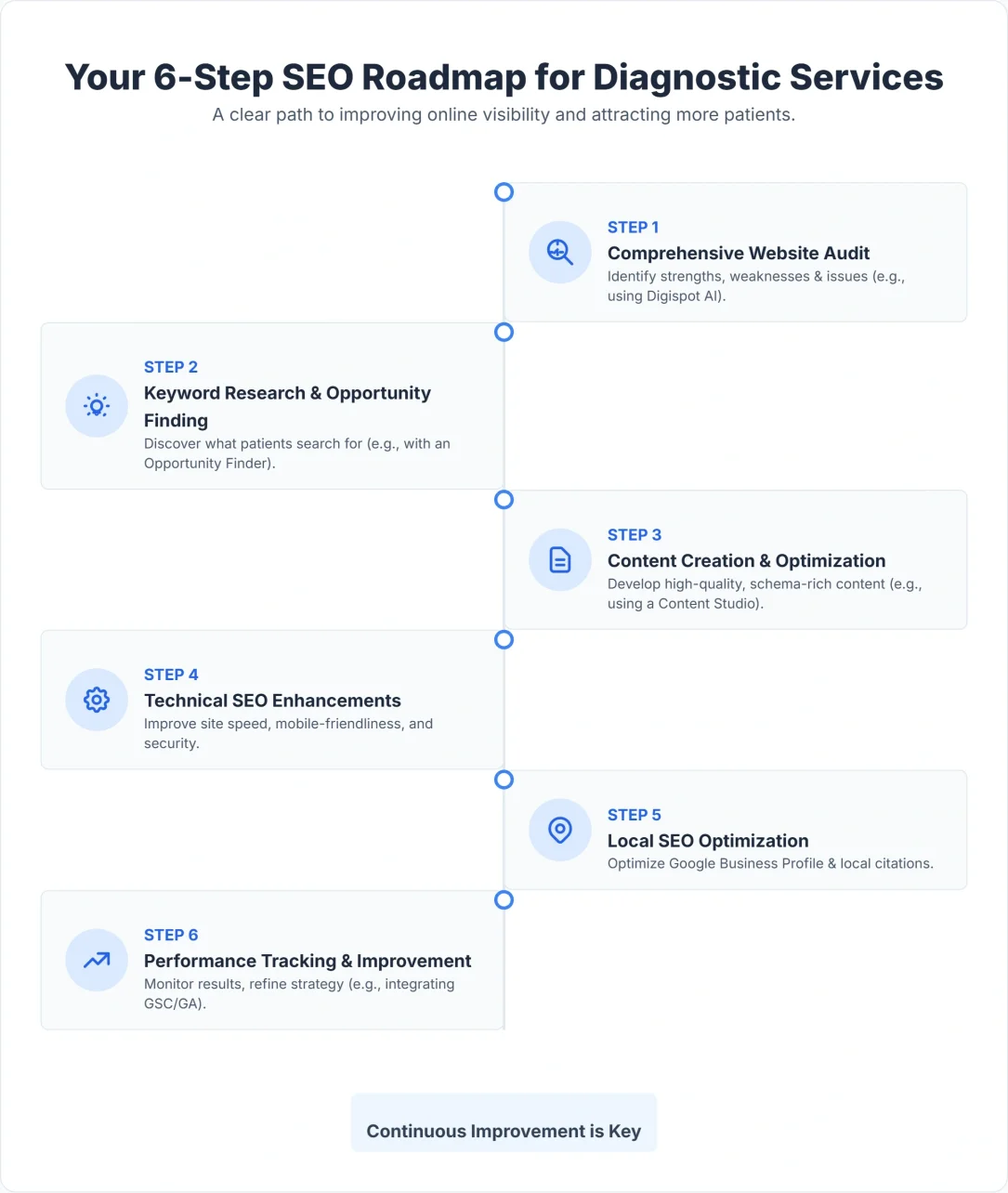
A systematic approach prevents SEO from becoming overwhelming. Follow this roadmap to build a dominant local presence.
Step 1: Comprehensive Website Audit
You cannot fix what you cannot see. An audit is a health check for your website.
- Technical Health: Identify "404 Not Found" errors that frustrate users. Check for duplicate content (common in healthcare where service descriptions are similar).
- Local Consistency: Verify that your address and phone number are identical on your footer, contact page, and GBP.
- User Experience: Test your appointment booking flow. Is it easy? Does it work on mobile?
Digispot AI can help you identify and fix these issues automatically with AI-powered audits analyzing 300+ ranking factors, ensuring no technical stone is left unturned. For a DIY approach, consult our SEO audit checklist.
Step 2: Keyword Research and Opportunity Finding
Move beyond generic terms. Understand the language of your patients.
- Intent Segmentation:
- Informational: "Symptoms of thyroid problems" (Blog content)
- Commercial Investigation: "Best MRI center in [City]" (Home/About pages)
- Transactional: "Book blood test online" (Service pages)
- Long-Tail Mastery: Target specific phrases like "open MRI for obese patients" or "pediatric blood draw specialists." These have lower volume but extremely high conversion rates.
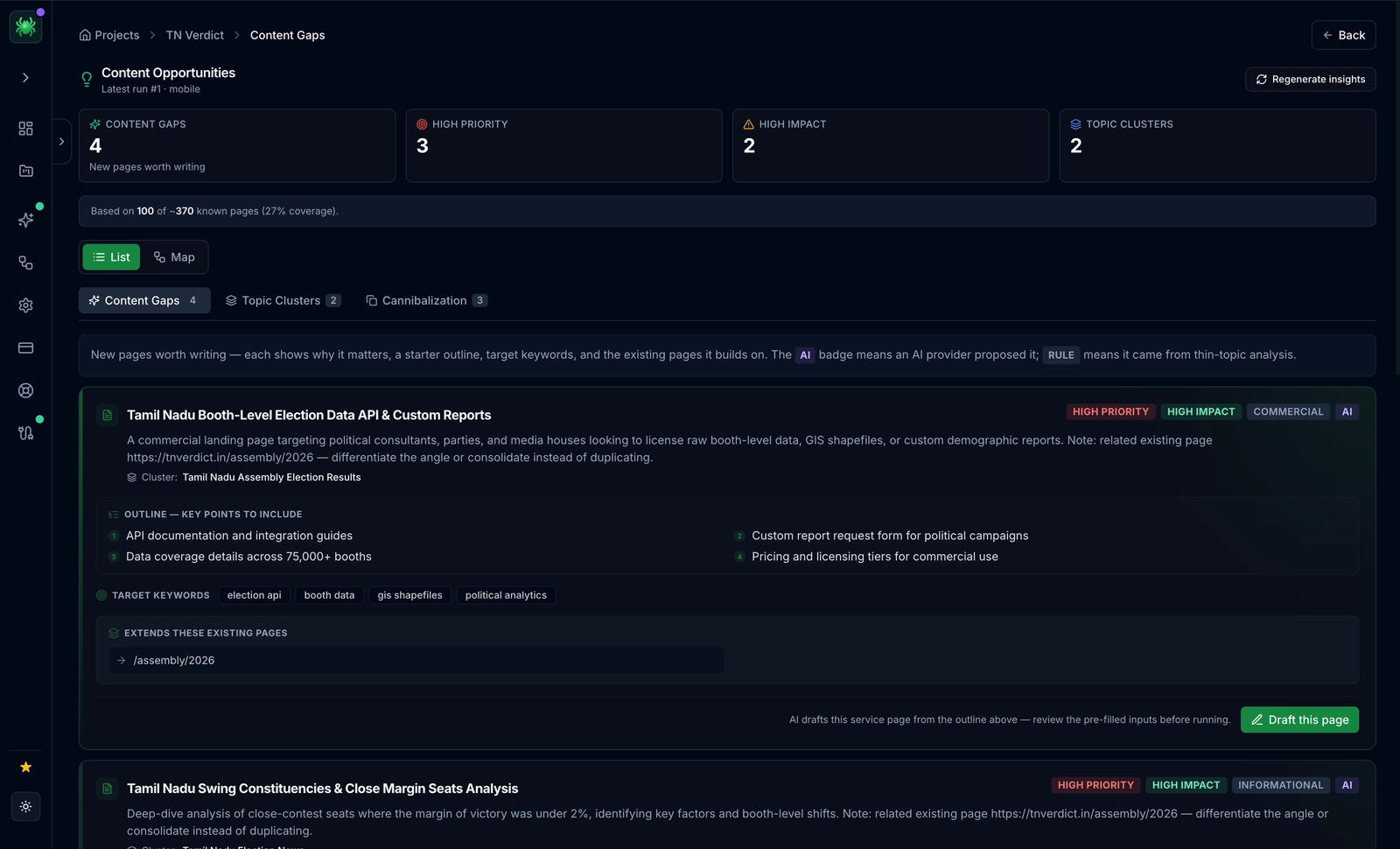
- Competitor Analysis: Look at what keywords your competitors rank for but you don't. This is your "content gap."
Step 3: Content Creation and Optimization
Content is the vehicle for your keywords. It must be authoritative and helpful.
- Service Page Depth: Don't just list a service; explain it. Include sections for "What to expect," "How to prepare," "Risks," and "Results turnaround."
- Readability: Medical topics can be dense. Use bullet points, simple language, and short paragraphs.
- Schema Implementation: Structured data is non-negotiable for modern SEO. It helps Google parse your data.
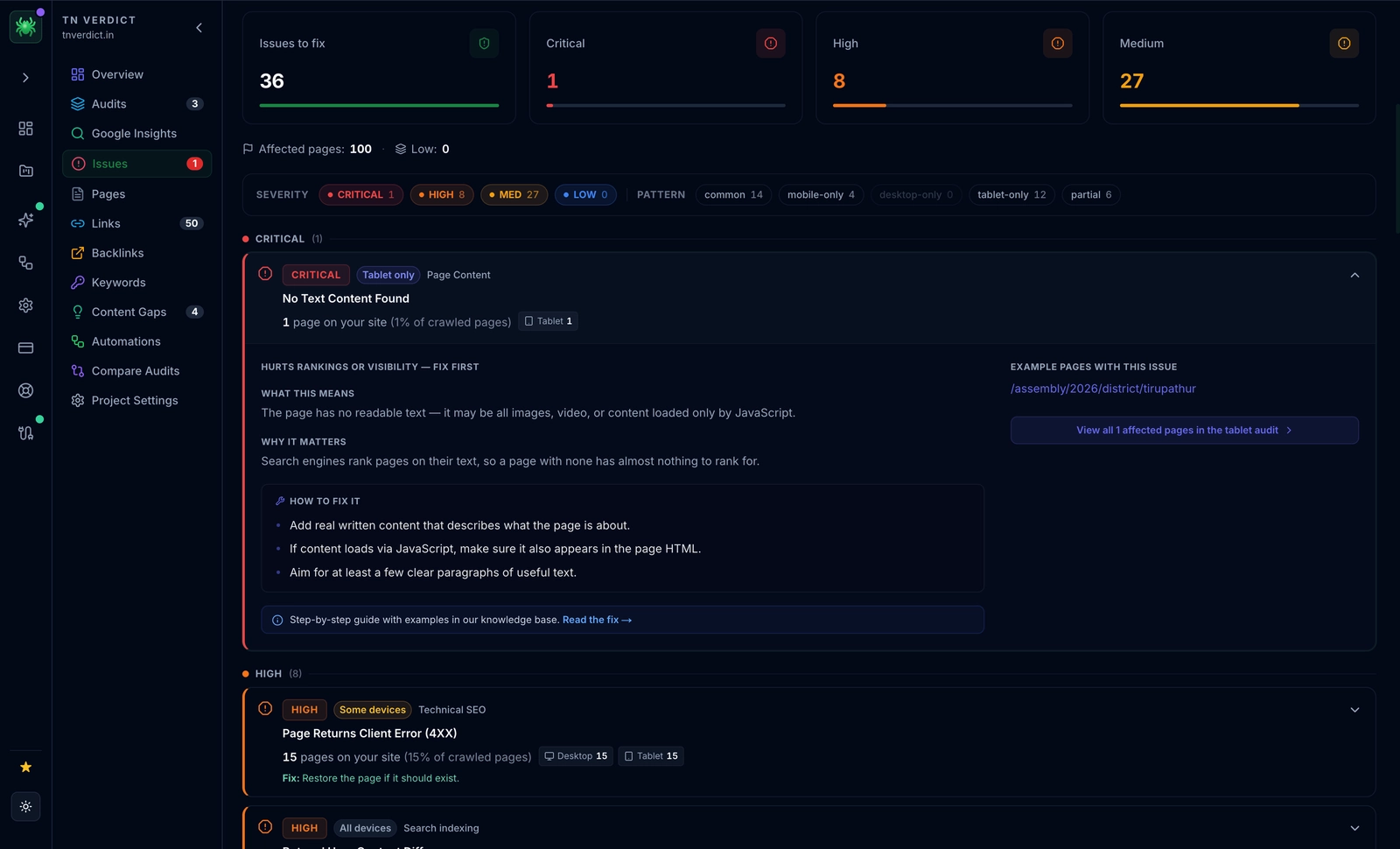
Table 4: Key Schema Markup Types for Diagnostic Services
| Schema Type | Description | Example Use Case for Diagnostic Services |
|---|---|---|
LocalBusiness | Provides details about a local business, including address, phone, hours. | Your main diagnostic center contact page. |
MedicalBusiness | A specialized type of LocalBusiness for medical practices. | Your "About Us" page, overall website footer. |
Service | Describes a service offered by your business. | Individual pages for "MRI Scans," "Pathology Lab," "Ultrasound." |
MedicalTest | Specific schema for diagnostic tests. | Detailed pages explaining specific tests like "CBC" or "Lipid Profile". |
Review | Displays user reviews and average ratings for your services/business. | On service pages to show patient satisfaction ratings. |
FAQPage | Helps present a list of questions and answers. | For an FAQ section on your website or within a service page. |
Use the free Schema Markup Generator to create valid structured data code in minutes without needing a developer.
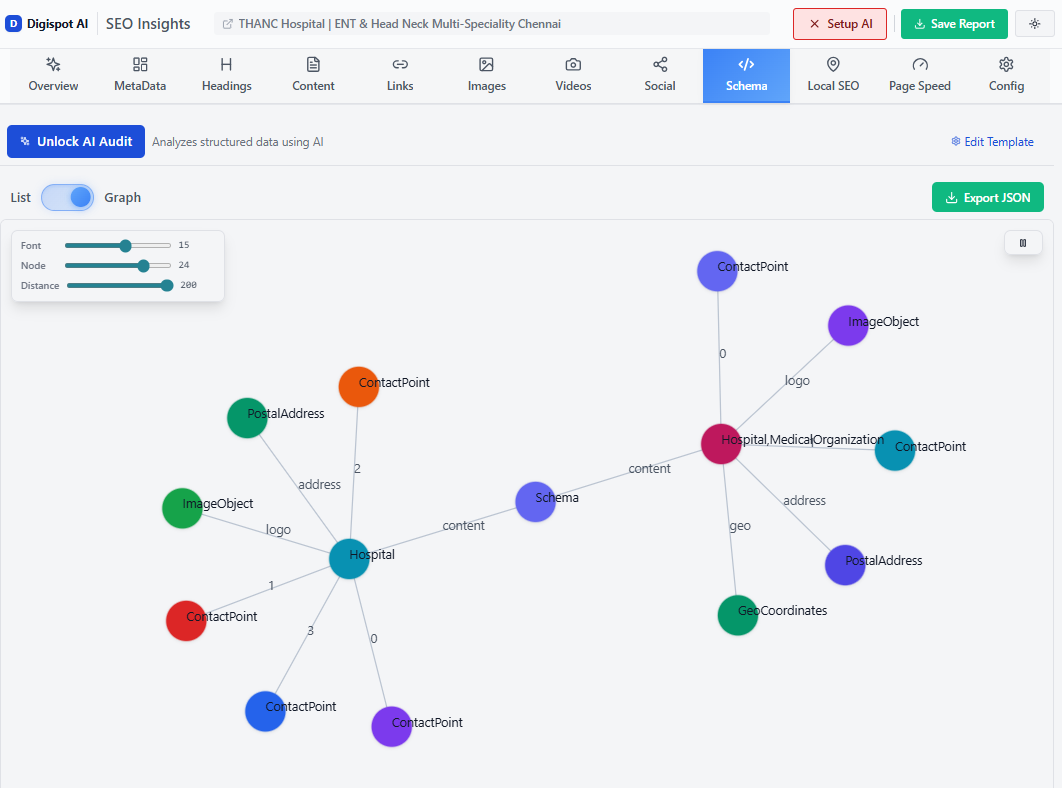
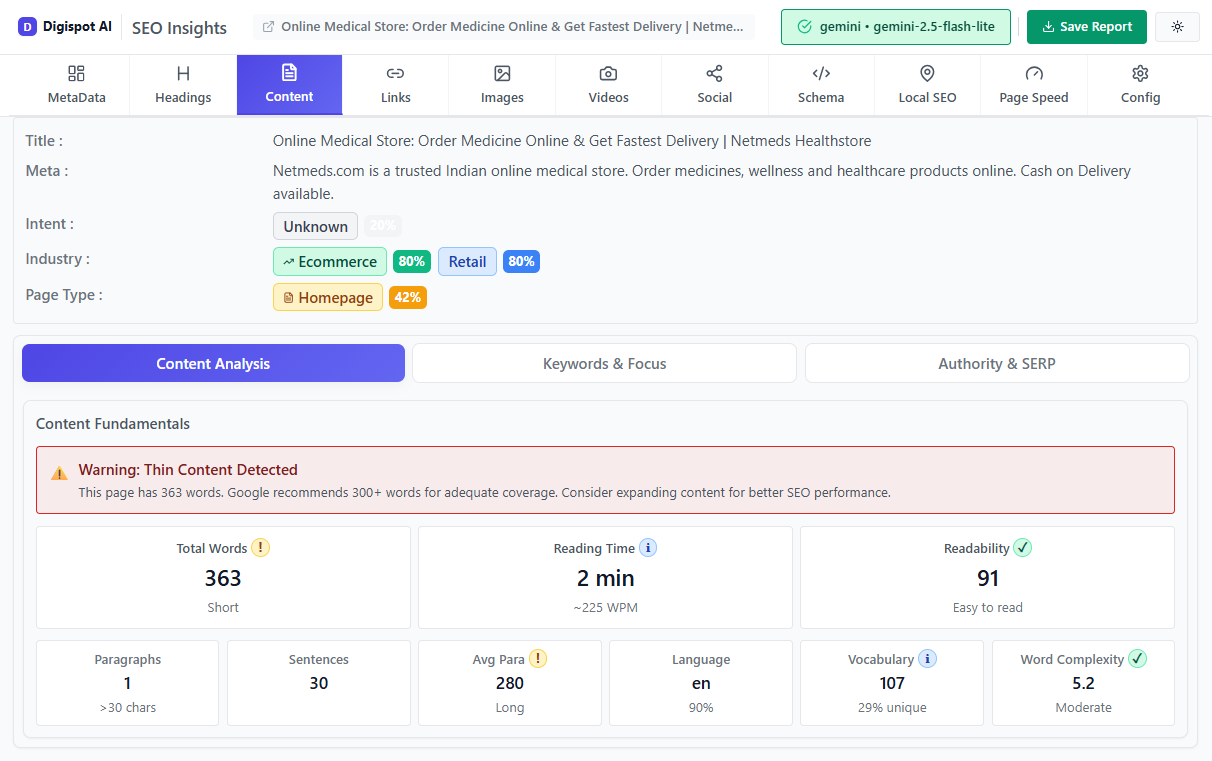
Turn invisible SEO data into clear visuals with our Free Chrome extension.
Step 4: Technical SEO Enhancements
Speed and security form the bedrock of your site.
- LCP (Largest Contentful Paint): Ensure your main hero image loads in under 2.5 seconds.
- CLS (Cumulative Layout Shift): Prevent elements from jumping around as the page loads. This is often caused by ads or un-sized images.
- Robots.txt & Sitemaps: Ensure your sitemap.xml is submitted to Google Search Console so bots can find your new service pages immediately.
Step 5: Local SEO Optimization
- Google Business Profile: Use the "Q&A" feature on GBP to pre-emptively answer questions like "Do you accept [Insurance Name]?" or "Is parking available?".
- Hyper-Local Content: Write blogs about local health issues or community events your center participates in. This reinforces local relevance.
- Review Strategy: Train front-desk staff to ask happy patients for reviews. A simple "If you were happy with our service, please leave us a review on Google" works wonders. For specific healthcare nuances, see our guide on healthcare local SEO.
Step 6: Performance Tracking and Improvement
Data dictates strategy.
- Google Search Console: Monitor "Impressions" vs. "Clicks." High impressions but low clicks suggests your title tags or meta descriptions need work.
- Rank Tracking: Monitor your position for key terms in specific zip codes.
- Conversion Tracking: Set up goals in Google Analytics to track how many form fills or "Call" button clicks originated from organic search.
Leveraging Tools for Diagnostic Services SEO: A Smart Approach
SEO is labor-intensive. Manual audits and keyword research are no longer feasible at scale. Leveraging the right technology is essential for efficiency.
The Power of AI in SEO
AI has shifted SEO from reactive to proactive. AI tools can predict search trends, generate draft content based on top-ranking competitors, and identify technical errors that human eyes might miss. For diagnostic centers, this means you can compete with large hospital chains without needing a massive marketing team.
How a Platform Like Digispot AI Can Help
Digispot AI is built to democratize enterprise-level SEO. It acts as a 24/7 analyst for your diagnostic center.
- Holistic Website Audits: Digispot scans your site against 300+ ranking factors. It doesn't just say "site is slow"; it tells you exactly which images or scripts are causing the delay.
- AI Search Visibility (AEO): As patients start using tools like ChatGPT for health advice, Digispot helps track and optimize your visibility on these new platforms.
- Content Studio: Need a page about "Digital Mammography"? The AI agents can structure an optimized draft complete with headings, keywords, and schema suggestions.
- Competitor Intelligence: See exactly where your local competitors are getting their backlinks and what keywords they are targeting.
The Free Digispot AI Community Chrome Extension
For quick, on-the-fly analysis, browser extensions are invaluable. The Digispot AI Chrome extension offers:
- Instant Page Audits: View title tags, meta descriptions, and header structures of any page you browse.
- Schema Visualization: Instantly see if a competitor is using
MedicalBusinessschema and how they structured it. This is a powerful way to reverse-engineer success. - Core Web Vitals Check: Get real-time data on page speed and user experience metrics directly in your browser.
Ready to improve your search visibility? Try Digispot AI for comprehensive website audits and actionable recommendations that drive patient growth.
Common Challenges and How to Overcome Them
Even with a solid plan, hurdles exist.
- Stiff Competition: Large hospital networks often dominate broad terms. Solution: Focus on niche, specific long-tail keywords and hyper-local terms where you can win (e.g., "fast turnaround blood test [neighborhood]").
- YMYL Rigor: Google's filters are strict. Solution: Double down on E-E-A-T. Ensure every medical claim is cited and reviewed by a professional. Avoid "miracle cure" language.
- Technical Debt: Older websites may be hard to optimize. Solution: If your site is ancient, a migration to a modern CMS might be necessary. While painful initially, the SEO gains are worth it. Avoid common SEO mistakes like neglecting mobile users or ignoring broken links during this process.
Conclusion: Start Improving Your Patient Reach Today
For diagnostic centers, SEO is the bridge between your medical expertise and the patients who need it. It is not about "gaming the system"; it is about organizing your information so that it is accessible, accurate, and helpful to your community.
By implementing a strategy that combines technical health, local optimization, and authoritative content, you build a digital asset that drives appointments 24/7. Don't let your community search in the dark. Illuminate your services with strong SEO.
Start small: audit your site, claim your Google Business Profile, and begin answering patient questions with your content.
Try the free On-Page SEO Analysis tool to audit your most important service page right now and take the first step toward better visibility.
References
- A Guide to Google Search's Core Web Vitals
- Schema.org - MedicalBusiness
- Schema.org - Service
- Google Business Profile Help
- Google Search Console
- Google Analytics
- Google's E-E-A-T: What it is and why it matters
- Google Search Essentials: Mobile-first indexing
- How to check your site's HTTPS security
- Improve your page speed and crawl efficiency | Google Search Central
- Digispot AI - AI SEO Platform (Main Website)
- Digispot AI - FREE On Page SEO Audit Tool
- Digispot AI - FREE Chrome Extension for SEO Insights
Audit any page in seconds
300+ SEO checks including Core Web Vitals, schema markup, meta tags, and AI readiness — trusted by 1000+ SEO experts and marketers.
Frequently Asked Questions
Here are some of our most commonly asked questions. If you need more help, feel free to reach out to us.
Written by
Maya Krishnan
Digital growth expert
Maya is a seasoned expert in web development, SEO, and digital strategy, dedicated to helping businesses achieve sustainable growth online. With a blend of technical expertise and strategic insight, she specializes in creating optimized web solutions, enhancing user experiences, and driving data-driven results. A trusted voice in the industry, Maya simplifies complex digital concepts through her writing, empowering readers with actionable strategies to thrive in the ever-evolving digital landscape.