
Electronics SEO: Tech Product Optimization Guide
Master electronics e-commerce SEO for tech products. Optimize specifications, comparisons, and technical content to rank for high-intent buyer searches.
 Maya Krishnan
The electronics industry moves at a velocity that few other sectors can match. Innovation cycles are short, specifications are dense, and consumer demand shifts with every keynote announcement. For retailers and brands, simply stocking the latest hardware isn't enough. You need to be visible exactly when a user types a specific model number or a vague feature request into their search bar.
Search Engine Optimization (SEO) for electronics is a distinct discipline. It requires balancing technical precision with persuasive marketing. You aren't just selling a "television"; you are selling an "LG OLED C3 65-inch 4K Smart TV with 120Hz refresh rate." The difference between ranking for the generic term and the specific model can be the difference between a browser and a buyer.
This guide outlines exactly how to engineer your digital presence to capture high-intent traffic, manage complex product catalogs, and outmaneuver massive competitors using data-driven SEO strategies.
What Exactly is SEO for Electronics?
SEO for electronics is the strategic process of optimizing technical architecture, product data, and content to maximize visibility for technology-related queries. It functions as your digital storefront's primary discovery engine, ensuring that when a user searches for a solution—whether it's a specific graphics card or a general query about smart home security—your site appears as the authoritative answer [cite: search_result 2, 4].
Why This Vertical is Unique
The electronics sector faces specific hurdles that standard e-commerce SEO often overlooks:
- Complex Technical Specifications: Users search by highly specific attributes (RAM, storage type, screen resolution). Search engines must understand these structured data points, not just prose text.
- Rapid Product Lifecycles: Products launch, peak, and become obsolete within 12-18 months. Managing the SEO transition from "New Arrival" to "Discontinued" without losing authority is a critical technical challenge.
- High Research Volume: Because electronics are often high-ticket items, the customer journey involves extensive research. Buyers read reviews, watch comparisons, and check specs before committing [cite: content_marketing_result 1, 3].
- Aggregated Listings Competition: You are often competing against the manufacturers themselves (Samsung, Apple) and massive aggregators (Amazon, Best Buy).
- Visual and Video Importance: Shoppers need to see the product from every angle. Image and video optimization are direct ranking factors in this niche.
Success requires a holistic approach that marries strict technical SEO with helpful, expert content that simplifies complex purchasing decisions [cite: search_result 2].
The Undeniable Benefits of SEO for Your Electronics Business
Investing in a robust SEO strategy for your electronics brand is a necessity for sustained growth. Unlike paid ads, which stop driving traffic the moment you stop spending, SEO builds a compounding asset.
| Benefit | How SEO for Electronics Achieves It |
|---|---|
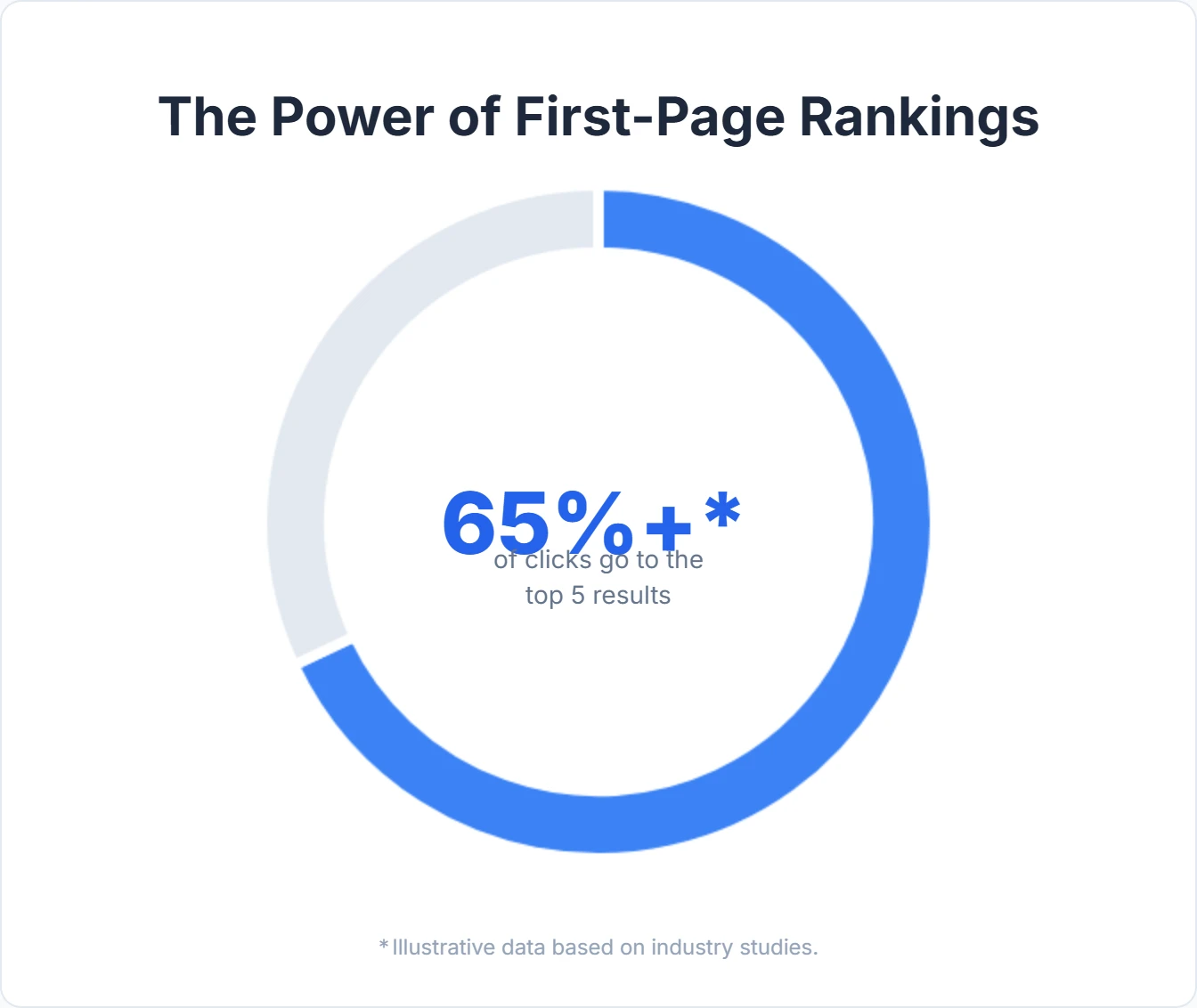
| Improved Visibility | By optimizing for relevant keywords and technical factors, your website ranks higher in search results. Being on the first page of results significantly increases your chances of being seen, as over 65% of clicks go to the top five results [cite: search_result 2]. |
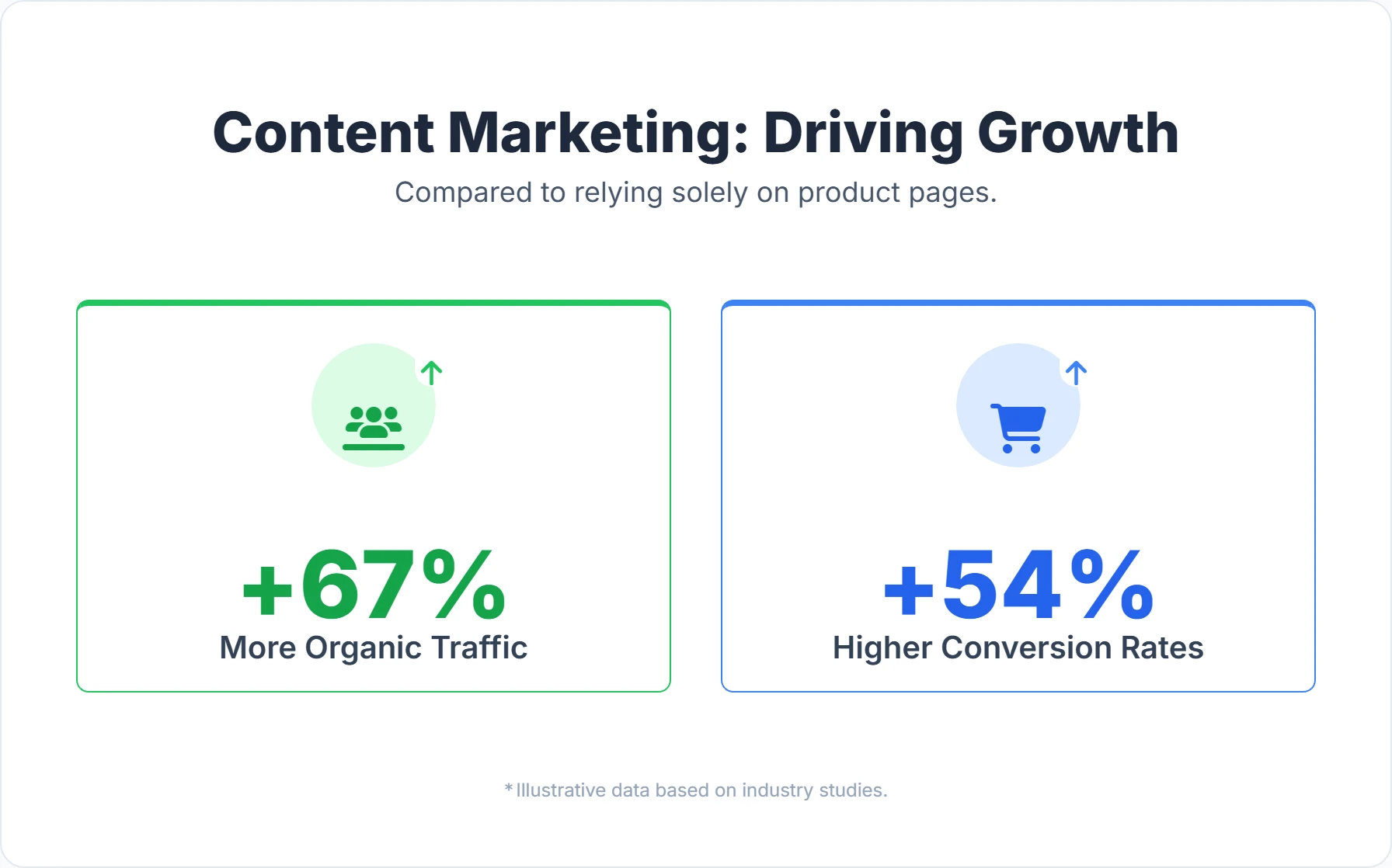
| Increased Organic Traffic | Targeting specific model numbers and technical queries brings in "free" traffic. These users are often further down the funnel and actively looking for availability and pricing. |
| Higher Conversion Rates | SEO targets users with high purchase intent. When they find exactly what they're looking for—supported by comprehensive product specs, schema-rich reviews, and a fast site—they are much more likely to convert [cite: content_marketing_result 1]. |
| Enhanced Brand Authority | Consistently ranking for technical "how-to" queries and comparisons establishes your brand as a subject matter expert. This builds the trust required for spending $1,000+ on a new device. |
| Cost Savings | Electronics keywords in PPC (Pay-Per-Click) are expensive. Organic rankings reduce your blended Customer Acquisition Cost (CAC), offering a higher return on investment over time. |
| Better User Experience | Technical SEO enforces fast load times and mobile responsiveness. Since many tech shoppers browse on mobile, this directly correlates with lower bounce rates and higher sales [cite: search_result 1, 2, 4]. |
These outcomes collectively contribute to business growth, turning online searches into real-world leads and sales.
How to Master SEO for Electronics: Core Strategies
Achieving top rankings for your electronics products requires a multi-faceted approach. You must excel in six key areas: Keyword Research, On-Page Optimization, Technical Architecture, Content Marketing, Local SEO, and Off-Page Authority.
1. Keyword Research: The Foundation of Discovery
In electronics, keyword research is more than just finding high-volume terms; it's about understanding the specific attributes users care about. You need to map keywords to every stage of the funnel [cite: search_result 1, 2, 4, 5].
The Electronics Keyword Hierarchy:
- Head Terms (Awareness): Broad category searches like "gaming laptops" or "wireless earbuds." These are high volume but low conversion. Use these for category pages.
- Attribute-Driven (Consideration): Searches focusing on features, such as "144hz monitor 27 inch" or "lightweight laptop with long battery life." These users know what they want but not which model.
- Comparison Queries (Decision): "Sony A7IV vs Canon R6" or "iPhone 15 Pro Max vs S24 Ultra." These are critical battlegrounds where you can sway a decision.
- Transactional/Model Specific (Purchase): "Buy RTX 4090," "Dell XPS 13 Plus price." These have the highest conversion rates.
- Support/Troubleshooting (Retention): "How to reset AirPods," "Fix blue screen error." Great for building trust and bringing users back.
Finding the Hidden Gems Don't just look for "Best [Product]." Look for the problems the product solves. Use tools to find "Zero Search Volume" keywords—terms that tools show as having no volume but are highly specific (e.g., "connecting legacy printer to windows 11"). These often convert at 100% because the user is desperate for that specific solution.
For a deeper understanding of how to map these keywords to user needs, read our guide on search intent optimization.
2. On-Page SEO: Optimizing Your Product Pages and Beyond
Your product page is your sales floor. If it's cluttered, confusing, or lacks information, the customer leaves. On-page SEO ensures Google and users find value immediately [cite: search_result 4].
Product Descriptions: Ban the Boilerplate A common mistake in electronics retail is using the manufacturer's default description. If you and 50 other retailers use the same text provided by Samsung, Google has no reason to rank you first.
- Strategy: Rewrite the intro and conclusion of the description. Focus on benefits rather than just features. Instead of just listing "20,000mAh battery," say "Charges your iPhone 14 up to 5 times on a single charge."
- Unique Value: Add a "Our Expert's Take" section to every product page. Even 50 words of unique, expert opinion differentiates your page from Amazon.
Optimizing Technical Specs Don't hide specifications in a PDF or an image. Render them as HTML text in a table. This allows Google to index parameters like dimensions, weight, and compatibility, helping you rank for attribute-based searches.
Meta Tags at Scale For large catalogs, writing manual meta descriptions is impossible. Use dynamic templates.
- Pattern:
[Product Name] - [Key Feature 1] | [Price] - Buy at [Brand] - Example: "Sony WH-1000XM5 - Industry Leading Noise Cancellation | $349 - In Stock at Digispot Electronics"
- Tip: Digispot AI can help you automate the analysis of these tags to ensure your templates aren't truncating important model numbers.
Learn more about crafting effective titles and descriptions in our meta tags optimization guide.
Image Optimization Electronics rely heavily on visuals.
- File Size: Use WebP format to keep quality high and file size low.
- Alt Text: Be descriptive. Instead of "laptop.jpg," use "MacBook-Air-M3-Midnight-Side-View.jpg."
- Multi-Angle: Google Shopping feeds require clean, white-background images, but your product page should also feature lifestyle shots showing the device in use.
3. Technical SEO: The Architecture of Scale
Technical SEO is the backbone of your online store. For electronics retailers with thousands of SKUs and complex filtering options, technical health is often the primary growth lever [cite: technical_seo_challenges_result 5].
The Faceted Navigation Trap
Electronics sites often allow users to filter by brand, price, screen size, color, RAM, etc. This creates millions of URL combinations (e.g., /laptops?color=black&ram=16gb&brand=dell).
- The Risk: Googlebot can get trapped crawling near-infinite useless variations, wasting your crawl budget.
- The Fix: distinct strategies for filters.
- Indexable: High-value combinations with search demand (e.g., "Gaming Laptops" + "ASUS").
- Non-Indexable: Low-value or granular combinations (e.g., "Laptops" + "Price: $500-$550"). Use
robots meta tag: noindexorcanonicaltags pointing back to the main category page.
Managing Product Lifecycles Electronics go obsolete quickly. Handling discontinued pages is an art.
- Don't Delete (404): You lose all the backlinks and SEO history that page built up.
- Redirect (301): If there is a direct successor (e.g., iPhone 13 -> iPhone 14), 301 redirect the old URL to the new one.
- Soft 404 / Informational Page: If the product is famous but gone, keep the page live. Mark it as "Discontinued," remove the "Add to Cart" button, and prominently link to "Newer Model Available." This keeps the traffic effectively.
Core Web Vitals & Speed Tech-savvy users have zero patience for slow sites.
- Lazy Load: Defer loading of off-screen images.
- Script Management: Electronics sites often run heavy scripts for chat bots, reviews, and analytics. Audit these rigorously.
- Mobile First: Ensure your complex tables and comparison charts are readable on mobile screens without breaking the layout [cite: search_result 1, 4].
Get instant SEO insights on any page, including speed and schema checks, with our free Chrome extension.
Structured Data (Schema Markup): Speaking Google's Language
This is critical. Schema markup transforms your snippet from a plain text link into a "Rich Result" with stars, pricing, and availability [cite: schema_markup_result 2, 4, 5].
Essential Schema Types:
- Product: The baseline. Includes Name, Image, Description, Brand, SKU, GTIN (very important for Google Shopping matching).
- Offer: Nested inside Product. details Price, Currency, and Availability.
- Pro Tip: Use
ItemAvailabilityto automatically update search results to show "In Stock" or "Out of Stock." This reduces bounce rates from users clicking on out-of-stock items.
- Pro Tip: Use
- MerchantReturnPolicy: A newer property that Google highlights. Showing "Free 30-Day Returns" directly in search results increases trust.
- ProductGroup / Variation: Use this for products that are identical except for one variant (like color or storage size) to help Google understand they belong to the same parent product [cite: schema_markup_result 1, 3].
To implement this correctly without coding errors, use our Product Schema Implementation guide or our free Schema Markup Generator.

Turn invisible SEO data into clear visuals with our Free Chrome extension.
4. Content Marketing: Educating and Engaging Your Audience
In the electronics space, content serves two purposes: guiding the confused buyer and validating the expert buyer's choice.
The "Versus" Strategy Electronics buyers are obsessed with comparisons.
- Head-to-Head: Create dedicated pages comparing top models. "Sonos Arc vs Bose 900."
- Spec-Focused: "OLED vs QLED vs Mini-LED: Which is best for gaming?"
- Format: Use comparison tables. Google loves extracting data from tables for "Featured Snippets" and AI Overviews.
Buying Guides and Explainers Help users navigate jargon.
- "What do CPU Cores actually do?"
- "The Ultimate Guide to Mechanical Keyboard Switches."
- These posts capture top-of-funnel traffic. Link from these guides to specific category pages to pass authority [cite: content_marketing_result 1, 3].
Video Content Integration Embed YouTube reviews and unboxings directly onto product pages.
- SEO Benefit: Increases "Dwell Time" (time spent on page), a positive user engagement signal.
- Schema: Wrap videos in
VideoObjectschema to rank in Google's Video tab [cite: content_marketing_result 4].
5. Local SEO: Connecting with Nearby Customers
The "ROPO" effect (Research Online, Purchase Offline) is massive in electronics. People want to see the TV screen quality or test the headphones fit before buying [cite: content_marketing_result 5].
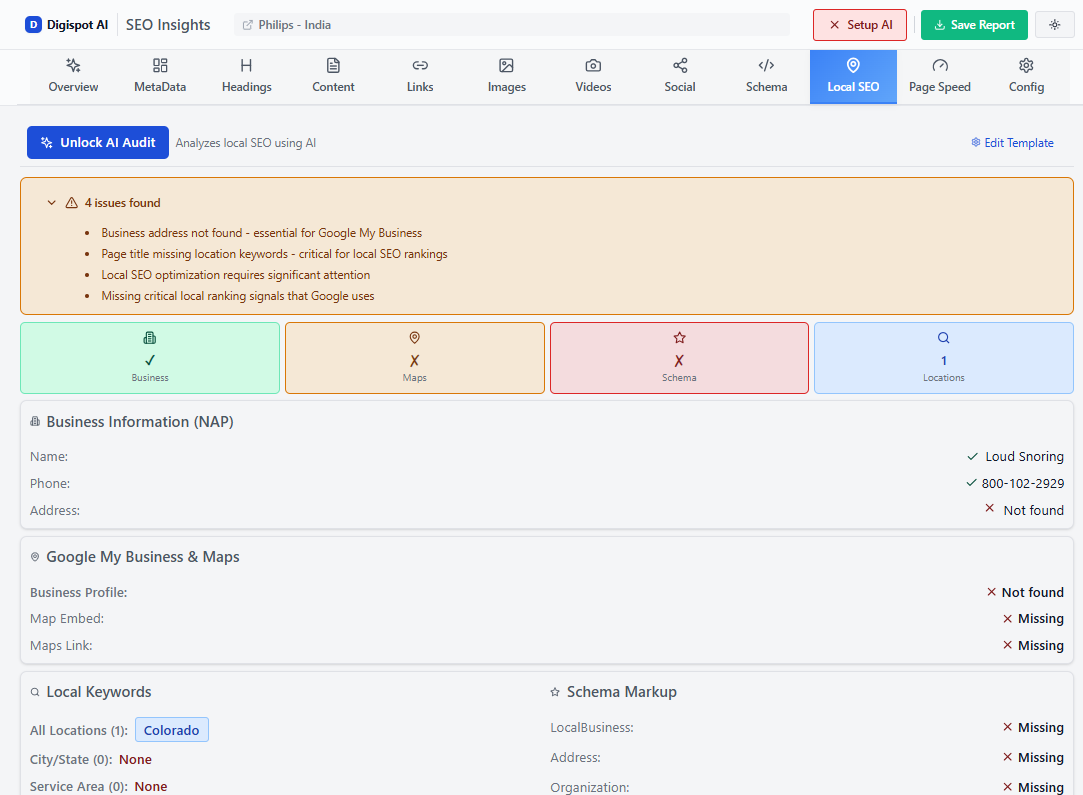
Local Inventory Ads (LIA) & Organic If you have physical stock, ensure your Google Merchant Center feed is set up for Local Inventory. This allows a user searching "buy hdmi cable near me" to see that your store 0.5 miles away has it in stock right now.
Google Business Profile (GBP)
- Categories: Be specific. Use "Computer Store," "Cell Phone Store," "Home Audio Store" rather than just "Electronics Store."
- Q&A: Pre-populate your GBP Q&A with common questions like "Do you do screen repairs?" or "Do you buy used electronics?"
6. Off-Page SEO: Building Authority and Trust
Off-page SEO builds the "Authority" in E-E-A-T. In electronics, authority comes from tech experts [cite: search_result 4].
Tech Reviewer Outreach Get your products (or your brand) featured on reputable tech blogs (The Verge, TechRadar, Tom's Guide) or influential YouTube channels. A backlink from a high-authority tech site is worth gold.
- Strategy: Offer unique data or "first looks" to journalists. If you sell refurbished tech, pitch a story about "The environmental impact of e-waste" with your internal data.
Warning on Black Hat Tactics Avoid buying cheap links or using private blog networks (PBNs). In the competitive electronics niche, Google's spam filters are aggressive. Focus on earning links through quality content. Read more about risks in our article on blackhat SEO techniques.
Navigating the Complexities with Smart Tools: The Digispot AI Advantage
The landscape of SEO for electronics can seem overwhelming, given its technical demands, content requirements, and the sheer volume of data involved. Managing thousands of SKUs manually is impossible. This is precisely where intelligent platforms like Digispot AI step in, transforming complexity into manageable, automated processes.
Automated Audits: Uncovering Hidden Opportunities
What if you could have an expert constantly scrutinizing your website for any SEO weaknesses, across all devices? Digispot AI offers comprehensive website audits in both mobile and desktop modes. It analyzes your site against over 300+ ranking factors, meticulously identifying issues that could be hindering your performance.
For electronics retailers, this is vital for catching:
- Broken links on discontinued products.
- Missing schema on new arrivals.
- Slow-loading images on category pages.
Digispot AI can help you identify and fix these issues automatically with AI-powered audits.
Performance Tracking: Integrating with Google Search Console & Analytics
Understanding your performance is crucial for iterative improvement. Digispot AI seamlessly integrates with essential tools like Google Search Console and Google Analytics. This allows you to visualize which technical specs or model numbers are driving the most traffic and revenue, all within a unified dashboard.
Opportunity Finder: Spotting Untapped Potential
The electronics market is ever-evolving. Digispot AI's "Opportunity Finder" feature is designed to keep you ahead of the curve. It intelligently spots new content gaps—perhaps a rising trend in "AI PCs" or "Smart Rings"—that your competitors haven't covered yet.
The Free Digispot AI Chrome Extension: Your On-Demand SEO Assistant
For immediate insights and on-the-go analysis, the Digispot AI free community Chrome extension is an invaluable tool.
- Audit Pages Instantly: Get a quick SEO audit of any webpage directly in your browser.
- Schema Visualization: Instantly verify if your
ProductandOfferschema are rendering correctly. - Competitor Analysis: Peek at your competitor's meta tags and header structure to see how they are targeting specific keywords.
Try the free On-Page SEO Analysis tool to audit any URL instantly or download the extension for your daily workflow.
Addressing Common Challenges in Electronics SEO
Even with powerful tools, the sector presents unique hurdles:
- Duplicate Content: With thousands of products varying only by color, use
canonicaltags aggressively to point to the main product URL. - Seasonal Spikes: Black Friday and Cyber Monday can crash servers. Ensure your hosting infrastructure (and technical SEO) is ready for 10x traffic loads.
- Third-Party Marketplaces: Amazon is a competitor, but also a channel. Ensure your own site offers unique value (better bundles, extended warranty, expert support) to justify buying direct.
The Future of Electronics SEO: What's Next?
The digital realm is always evolving. For electronics, staying ahead means optimizing for the machines that help humans decide.
- AEO (Answer Engine Optimization): As users ask ChatGPT or Gemini "What is the best laptop for video editing under $1500?", your content needs to be structured clearly enough for AI to parse. Detailed specs tables and clear "Best for X" headings help AI cite you as the source.
- Visual Search: Google Lens allows users to snap a photo of a gadget and find where to buy it. Ensure your high-res product images are indexable and marked up with structured data.
- Experience-Based Content: Google's "Hidden Gems" update rewards forum discussions and real user experiences. Encourage genuine, detailed reviews on your site to capture this "experience" signal.
Conclusion: Empowering Your Electronics Business Online
Successfully selling electronics online in today's competitive market isn't about luck; it's about a strategic, informed, and diligent approach to SEO. By understanding what SEO entails—from managing complex technical catalogs to crafting expert guides—you empower your business to thrive.
Don't let technical debt or massive competitors obscure your products. Start by auditing your current standing. Are your schemas valid? Are your discontinued products redirecting correctly? Is your content answering the specific technical questions your customers are asking?
Tools designed to streamline and automate these processes can be transformative. Platforms that offer comprehensive auditing, seamless integration with analytics, and convenient browser extensions for real-time analysis turn overwhelming tasks into strategic advantages.
Ready to improve your search visibility? Try Digispot AI for comprehensive website audits and actionable recommendations that help you connect your cutting-edge technology with the customers who are searching for it right now.
References
- Benefits of SEO for Electronics Industry in Singapore
- What Is SEO for Electronics Stores - Revenue Boomers
- 10 Key Benefits Of SEO For Your Business - Forbes
- On-Page SEO For E-commerce: 13 Tips To Rank Higher - Phillip Stemann
- E-Commerce SEO Best Practices for 2025 (Guaranteed to Boost Sales) - HigherVisibility
- Technical SEO for Ecommerce: How to Optimize an Online Store Effectively
- The Ultimate Guide to Technical SEO for eCommerce - Boardfy
- Why Is Schema Important? Understanding Its Benefits for SEO and More - Stega Creative
- The increasing importance of Schema markup for Google product search results
- Content Marketing Ideas for Electronics Brands: Go Beyond Product Pages | 1Center
- Top Strategies for Online Consumer Electronics Marketing - Sell on Amazon Australia
- Digispot AI - FREE On Page SEO Audit Tool
- Digispot AI - FREE Chrome Extension for SEO Insights
Audit any page in seconds
300+ SEO checks including Core Web Vitals, schema markup, meta tags, and AI readiness — trusted by 1000+ SEO experts and marketers.
Frequently Asked Questions
Here are some of our most commonly asked questions. If you need more help, feel free to reach out to us.
Written by
Maya Krishnan
Digital growth expert
Maya is a seasoned expert in web development, SEO, and digital strategy, dedicated to helping businesses achieve sustainable growth online. With a blend of technical expertise and strategic insight, she specializes in creating optimized web solutions, enhancing user experiences, and driving data-driven results. A trusted voice in the industry, Maya simplifies complex digital concepts through her writing, empowering readers with actionable strategies to thrive in the ever-evolving digital landscape.