Jewelry SEO: Rank Higher & Sell More Online
Comprehensive jewelry SEO guide for e-commerce success. Optimize product pages, build authority, target high-intent keywords, and attract luxury buyers in 2026.
 Maya Krishnan
The sparkle of a perfectly cut diamond, the gleam of polished gold, the intricate dance of design and craftsmanship – the world of jewelry is synonymous with beauty, emotion, and enduring value. For centuries, jewelers have mastered the art of presenting their treasures to captivated audiences in velvet-lined cases. Today, however, that audience often begins its journey not in a physical storefront, but with a tap, click, or voice command on an AI search engine.
Imagine a potential customer, anywhere in the world, dreaming of an engagement ring, a statement necklace, or a personalized anniversary gift. Their first step is almost invariably an online search. If your exquisite creations aren't discoverable in that split second of intent, they might as well be hidden in a vault. This is where the strategic power of Search Engine Optimization (SEO) for the jewelry industry comes in – it’s about ensuring your brilliance shines brightest in the vast digital cosmos.
But the digital landscape is shifting. It's no longer just about ranking for "gold ring." It's about answering complex questions on ChatGPT, appearing in visual searches on Google Lens, and dominating the "near me" maps for local buyers. This guide will illuminate the path to online visibility for jewelers, demystifying the essentials of SEO and showcasing how strategic digital practices can transform your business. We’ll explore what makes jewelry SEO unique, the incredible benefits it offers, and practical strategies to elevate your online presence.
What is Jewelry Industry SEO, and Why Does it Matter So Much?
Jewelry Industry SEO is the art and science of making your jewelry website irresistible to search engines like Google and, increasingly, AI-powered search platforms like Perplexity and Gemini. It involves optimizing your online content, technical infrastructure, and off-site signals so that when someone searches for "vintage diamond earrings," "custom gold pendant," or "best local jewelers," your website appears prominently in the search results.
Unlike fast fashion or general retail, jewelry carries a significant emotional weight and often represents a considerable financial investment. This unique context shapes how customers search and what they look for online. This sector falls under what Google calls "YMYL" (Your Money or Your Life), meaning the standards for trust and accuracy are significantly higher. Effective jewelry SEO acknowledges these nuances, focusing on:
- Visual Storytelling: Jewelry is inherently visual. SEO here means optimizing not just text, but also high-resolution images and videos that convey beauty and detail without slowing down the site.
- Trust and Authority (E-E-A-T): Customers need assurance when making a significant purchase online. SEO helps build this by demonstrating Experience, Expertise, Authoritativeness, and Trustworthiness through certifications, expert content, and secure policies. To understand how to build this foundation, read our guide to E-E-A-T in SEO.
- Emotional Keywords: Searches often include terms related to occasions (engagement, anniversary), feelings (love, luxury), or personalization (engraved, bespoke).
- Local Intent: Many jewelry purchases still involve visiting a physical store for sizing or viewing, making local SEO incredibly vital for brick-and-mortar jewelers.
- AEO (Answer Engine Optimization): With users asking AI agents questions like "What is the best metal for a sensitive skin wedding band?", your content needs to be structured to provide direct, authoritative answers.
How does this translate into concrete action? It means thinking about every element of your website and online presence through the lens of a search engine algorithm and, more importantly, a human customer. It’s about ensuring that from the moment they type a query to the instant they land on your product page, their experience is seamless, informative, and compelling.
The Dazzling Benefits: Why Jewelers Can't Afford to Ignore SEO
Investing in SEO for your jewelry business isn't just a marketing tactic; it's a critical asset for sustainable growth. The benefits are far-reaching and directly impact your bottom line.
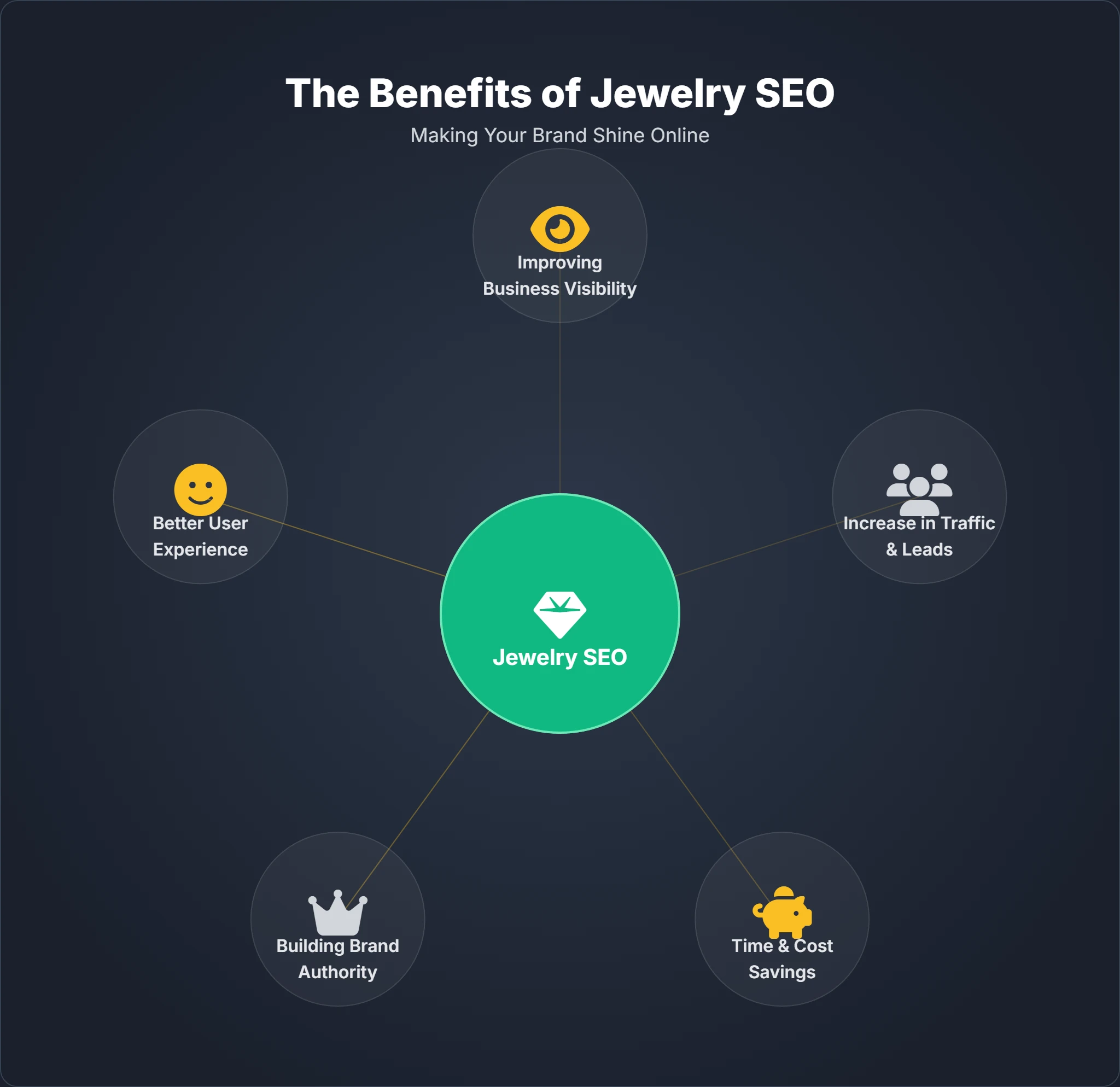
1. Improving Business Visibility: Shine Brighter than the Competition In a crowded online marketplace, visibility is paramount. Appearing on the first page of search results dramatically increases the likelihood that potential customers will discover your brand. Think of it as having your store on the busiest, most prestigious street, rather than hidden down a quiet alley. Enhanced visibility means more eyes on your unique collections and less reliance on expensive paid ads.
2. Increase in Traffic and Business Leads: More Potential Customers at Your Digital Door Higher rankings translate directly to more organic traffic – visitors who actively searched for what you offer. This traffic is highly qualified because these individuals are already interested in purchasing jewelry. Unlike social media scrolling, search intent is active. More visitors to your site naturally lead to a greater number of inquiries, showroom visits, and ultimately, sales leads.
3. Time and Cost Savings: An Efficient Path to Growth Compared to paid advertising (PPC), which stops delivering results the moment your budget runs out, SEO offers a sustainable long-term strategy. Once your website ranks well, it continues to attract traffic without ongoing per-click costs. While SEO requires an initial investment in time and resources, the compounding returns make it incredibly efficient. You are building digital real estate that gains value over time.
4. Building Brand Authority and Trust: Becoming a Reputable Gem A strong SEO presence signals to both search engines and customers that your website is a reliable source. Consistently high rankings for educational terms like "how to choose a diamond" establish your brand as an expert. This fosters trust – an indispensable element when customers are considering sending thousands of dollars online.
5. Better User Experience: A Polished Online Journey Many SEO practices, like improving site speed, ensuring mobile responsiveness, and creating intuitive navigation, directly enhance the user experience. A website that is fast and easy to navigate keeps visitors engaged, reduces bounce rates, and encourages deeper exploration of your collections. Happy users are more likely to become loyal customers. For a deeper dive into these metrics, check out our Core Web Vitals SEO guide.
6. Understanding Your Market: Insightful Data at Your Fingertips SEO tools and analytics provide invaluable insights into customer behavior. You can discover what keywords people are using, which products are most popular, where your customers are located, and how they interact with your site. This data empowers you to refine your offerings, tailor your marketing, and identify new opportunities before your competitors do.
How to Master Jewelry SEO: A Multi-faceted Approach
Achieving top rankings requires a comprehensive strategy that addresses various aspects of your online presence. Let's break down the core components.
1. On-Page SEO: Polishing Your Content and Product Pages
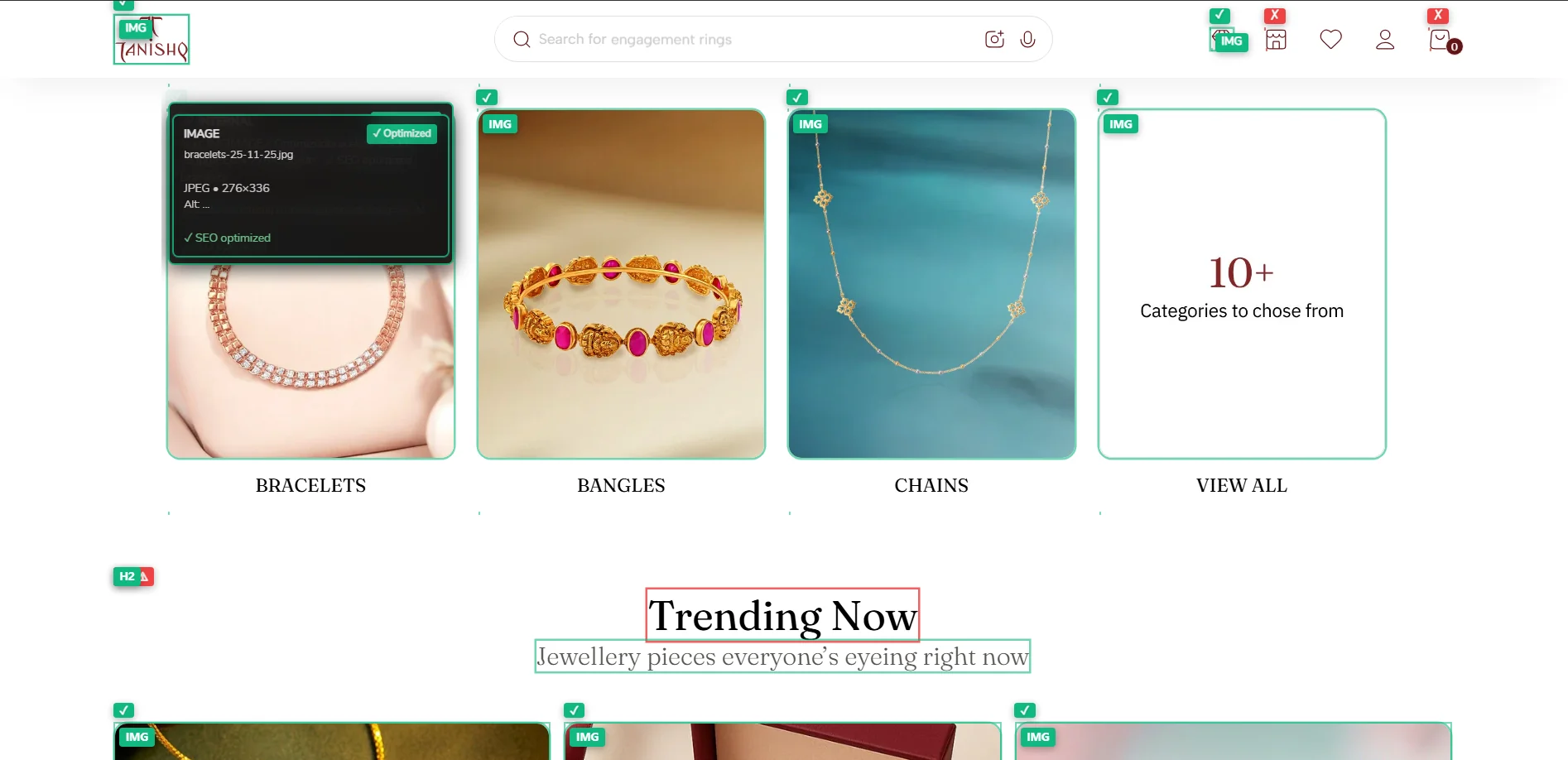
On-page SEO refers to all the optimizations you make directly on your website. For jewelers, this is particularly crucial as product pages are the primary landing spots for transaction-ready buyers.
a. What is Keyword Research for Jewelry? Finding the Right Sparkle
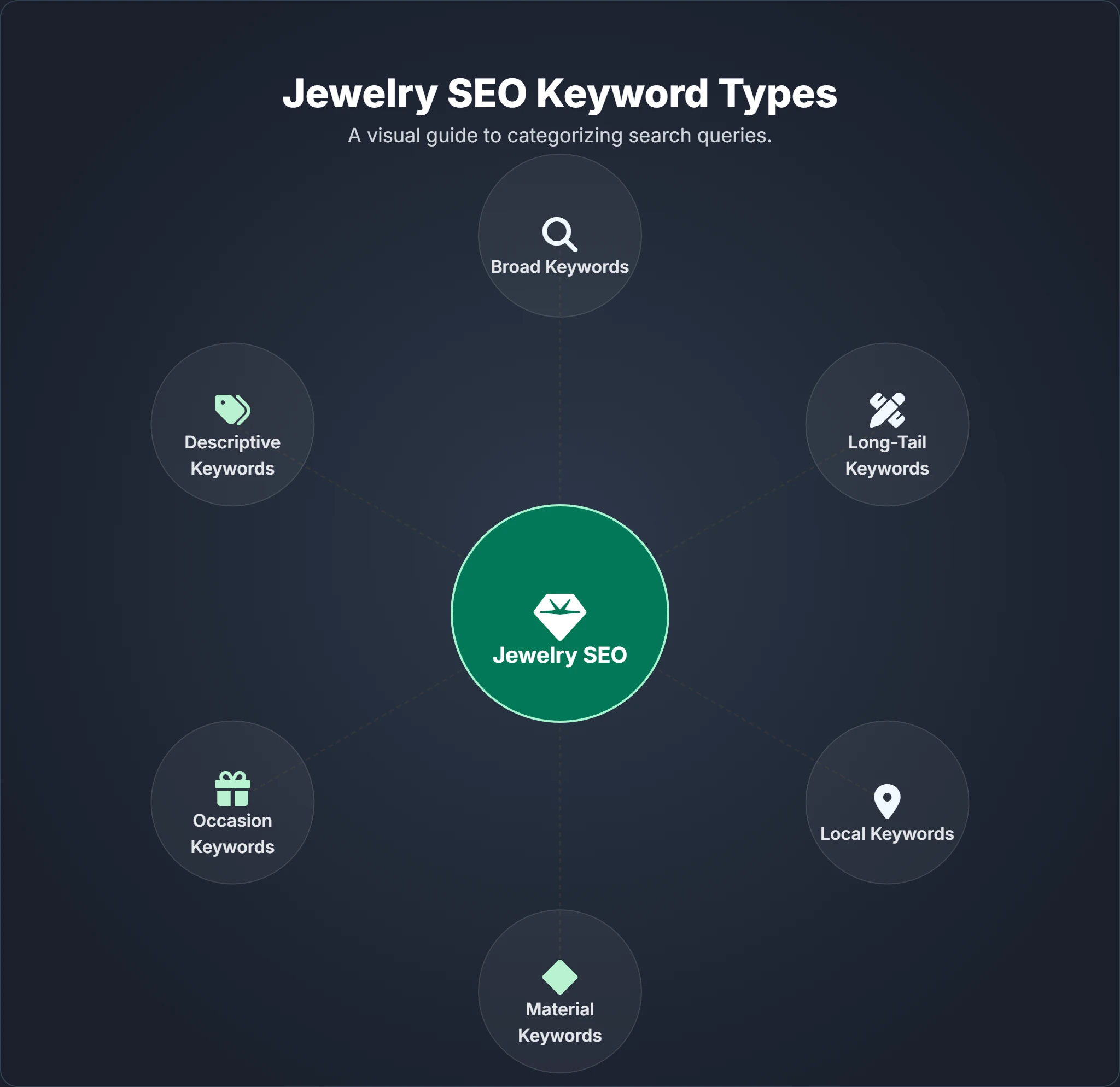
Keyword research is the bedrock of your strategy. For jewelry, this means identifying the exact words potential customers use. It's vital to move beyond generic terms and understand the intent behind the search.
| Keyword Type | Examples | Why it Matters for Jewelers |
|---|---|---|
| Broad Keywords | "diamond ring," "gold necklace" | High search volume, good for category pages but highly competitive. |
| Long-Tail Keywords | "vintage emerald cut engagement ring," "custom rose gold pendant with birthstone" | Lower volume, but much higher purchase intent; targets specific needs. |
| Local Keywords | "jeweler near me," "engagement rings [city name]," "jewelry repair [city name]" | Essential for brick-and-mortar stores to drive local foot traffic. |
| Material/Gemstone | "platinum wedding bands," "sapphire earrings," "ethical diamonds" | Appeals to specific material preferences and values (e.g., sustainability). |
| Occasion-Based | "anniversary gift for wife," "graduation necklace," "push present jewelry" | Taps into emotional buying triggers and specific gift-giving moments. |
| Descriptive | "delicate gold chain," "art deco inspired jewelry," "minimalist silver rings" | Helps users find styles matching their aesthetic preferences. |
How to find these keywords? Utilize tools like Google Keyword Planner, SEMrush, or the suggestions in the Google search bar. Also, look at "People Also Ask" to see questions like "Is 14k or 18k gold better for a ring?" and answer them in your content.
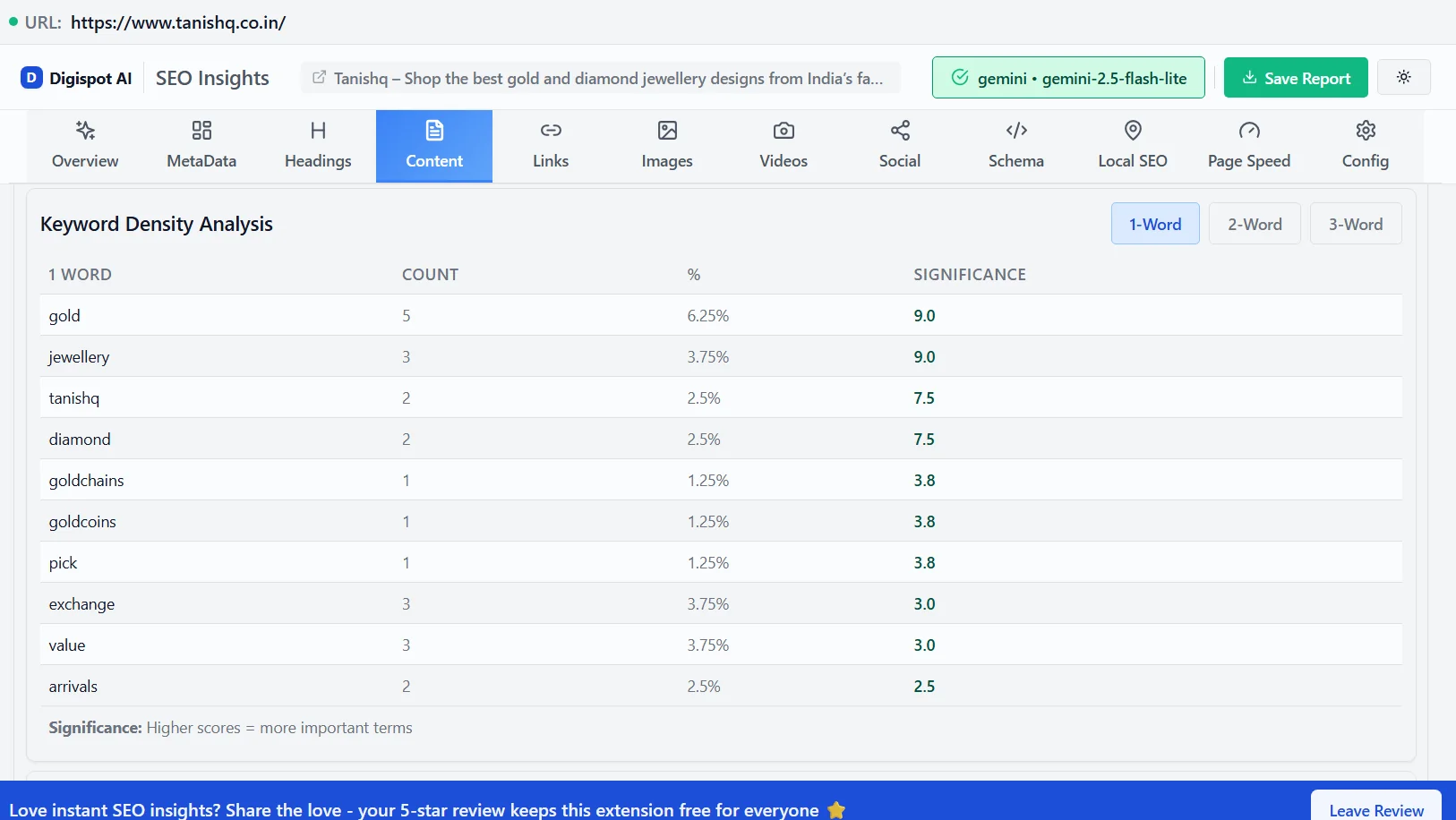
b. How to Create Irresistible Content: Beyond Product Descriptions Your website needs more than just listings; it needs rich, engaging content that answers customer questions and showcases your expertise. Avoid the common mistake of using manufacturer-provided descriptions, which causes duplicate content issues.
- Detailed Product Descriptions: Go beyond features. Tell a story. Describe the inspiration, the craftsmanship, and the emotions each piece evokes. Include technical details like carat weight, metal type, dimensions, and clasp type. Use your researched keywords naturally.
- Educational Blogging: A blog is an incredible asset for capturing early-stage buyers. Write about:
- "What to look for in an engagement ring"
- "How to clean your silver jewelry at home"
- "The history and meaning of birthstones"
- "Understanding the 4 Cs of diamonds"
- "Lab-grown vs. Natural Diamonds: A Buyer's Guide"
- Buying Guides: Create comprehensive guides on choosing specific types of jewelry. This positions you as an industry authority and helps with internal linking.
- Customer Testimonials: Share authentic experiences. This builds social proof.
For more techniques on content structure, read our article on on-page SEO best practices.
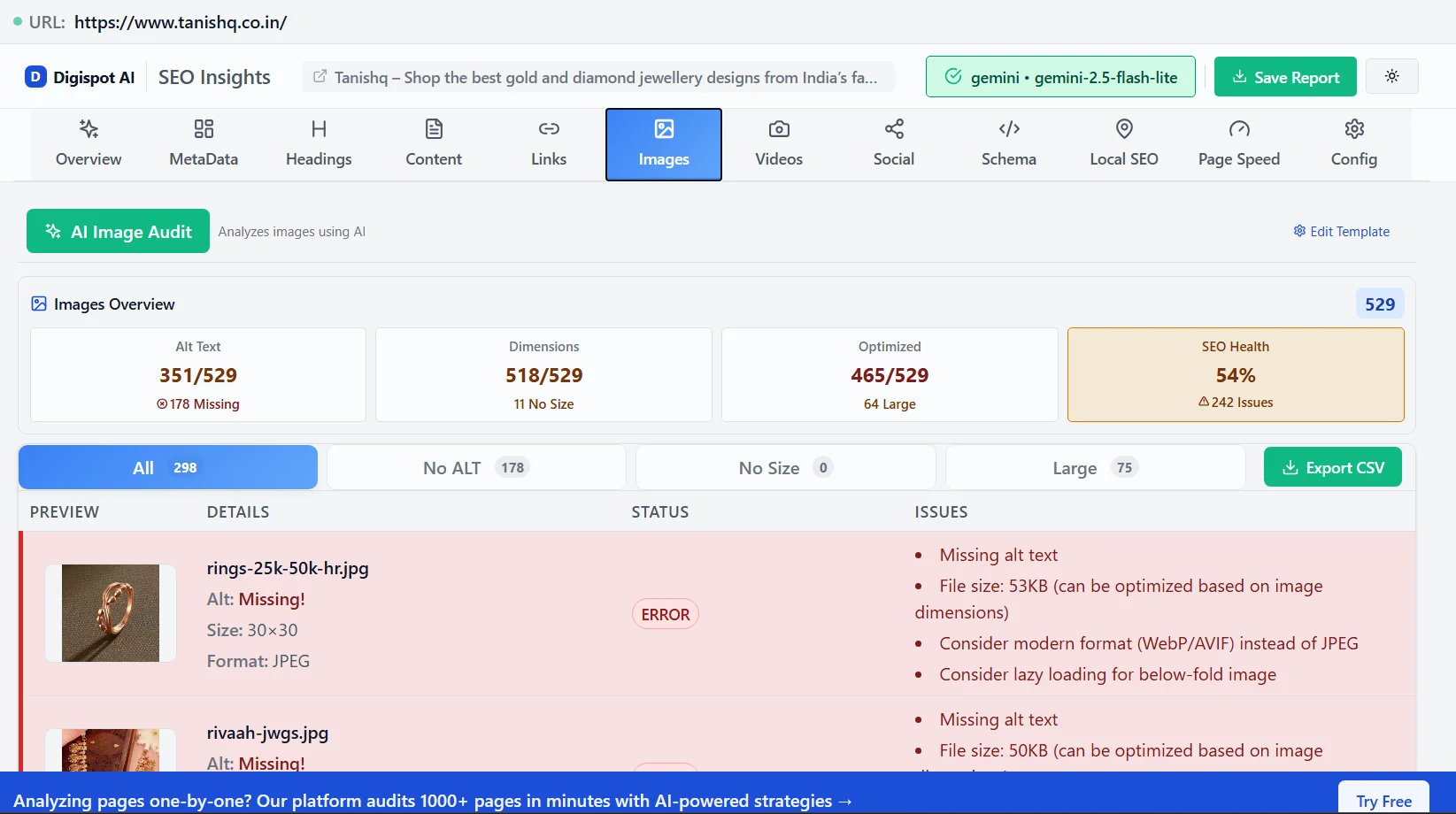
c. Optimizing Images and Videos: Visual Appeal Meets Technical Precision Given the visual nature of jewelry, image optimization is non-negotiable. Google Images is a massive source of traffic for jewelry retailers.
- High-Quality, Multiple Angles: Showcase pieces from every angle, including on-model lifestyle shots to show scale.
- Next-Gen Formats: Convert images to WebP or AVIF formats. These provide high quality at significantly smaller file sizes than JPEGs or PNGs.
- Descriptive Alt Text: "Alt text" describes an image for search engines. Instead of
ring.jpg, usealt='vintage emerald cut diamond engagement ring in platinum'. This is crucial for accessibility and image search ranking. - Image Sitemaps: Submit an image sitemap to Google to ensure all your product images are discovered.
d. Schema Markup: Speaking Google's Language Schema markup is microdata added to your HTML that helps search engines understand your content. For jewelry, specific schema types are powerful:
- Product Schema: Marks up price, availability, SKU, and brand. This leads to rich snippets where your price and "In Stock" status appear directly in search results.
- AggregateRating: Displays star ratings from reviews in search results, increasing click-through rates (CTR).
- LocalBusiness Schema: Crucial for physical stores, detailing address, hours, and geo-coordinates.
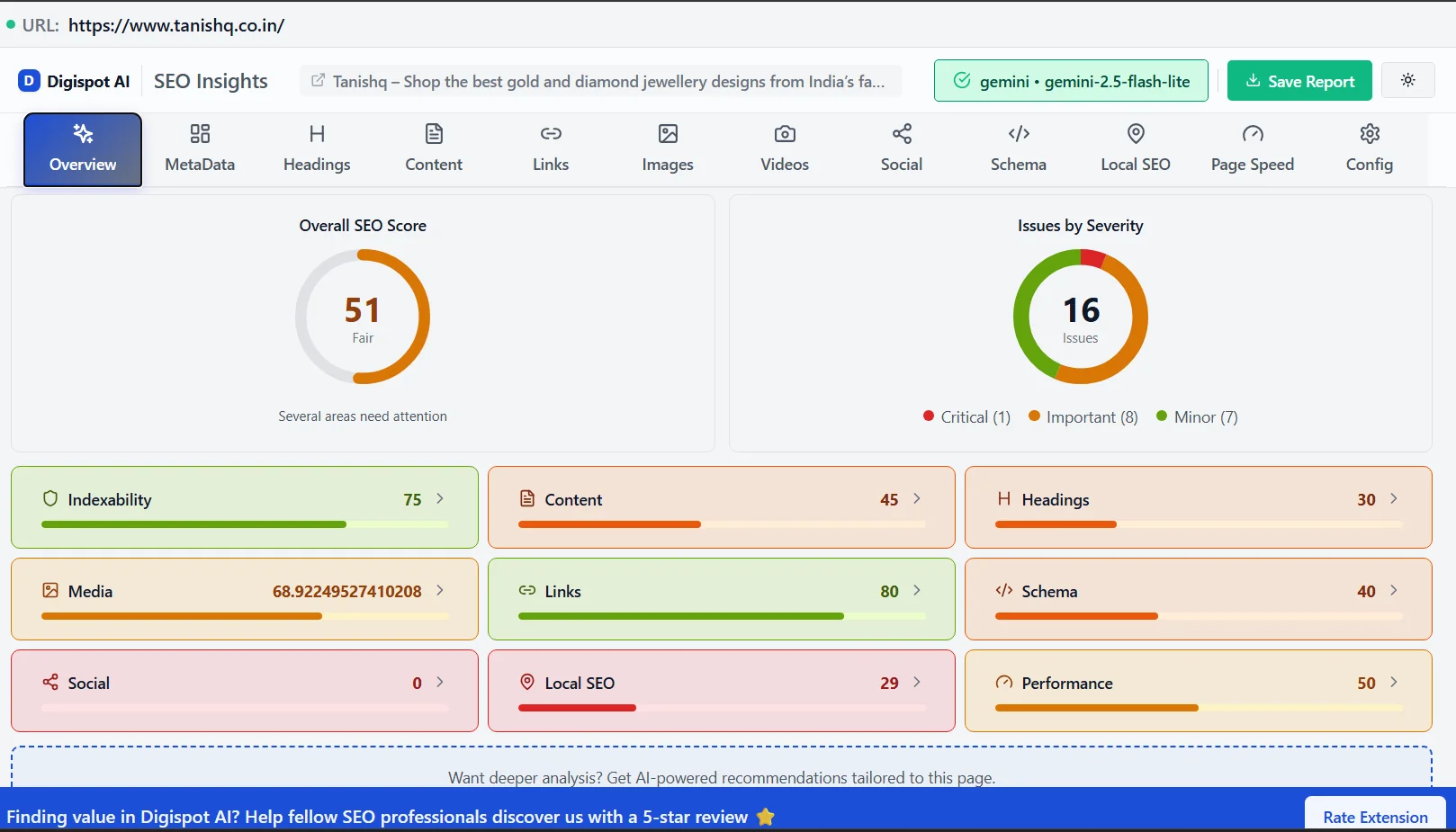
Pro Tip: Manually coding schema is complex and prone to errors. Use the Digispot AI Schema Markup Generator to create valid structured data in minutes. You can then verify your implementation with our Schema Visualizer or the Digispot AI Chrome extension, which allows you to audit schema directly in your browser.
2. Technical SEO: The Foundation of Your Digital Storefront
Technical SEO focuses on the backend elements that influence crawlability, indexability, and performance. Without a solid foundation, your content won't rank.
a. Site Speed: A Swift and Seamless Experience Jewelry sites are image-heavy, which can kill page speed. Users expect pages to load in under 2 seconds. Slow sites lead to high bounce rates and lost sales.
- Optimize Images: Compress images before uploading.
- Lazy Loading: Implement lazy loading so off-screen images don't load until the user scrolls to them.
- Minimize Code: Minify CSS and JavaScript files.
- Hosting: Invest in high-performance hosting.
b. Mobile Responsiveness: Designed for Every Device Most jewelry browsing happens on mobile. Your site must adapt perfectly to any screen. Google uses mobile-first indexing, meaning it ranks your site based on its mobile version. Buttons must be clickable, and text readable without zooming. The Digispot AI platform helps by auditing websites in both mobile and desktop modes, identifying distinct issues that could hinder mobile performance.
c. Site Structure and Faceted Navigation Jewelry sites often use extensive filters (faceted navigation) for metal, stone, price, and style. If not handled correctly, this creates thousands of near-duplicate pages (e.g., "Gold Rings" vs "Rings Gold").
- Canonical Tags: Use canonical tags to tell Google which version of a page is the "master" copy to prevent duplicate content penalties.
- Breadcrumbs: Provide clear navigation paths (Home > Rings > Diamond Rings > Solitaire) to help users and bots understand hierarchy.
- Internal Linking: Link relevant pages to distribute authority. For example, link "diamond education" guides to your "diamond rings" category page. Learn more about effective internal linking strategies here.
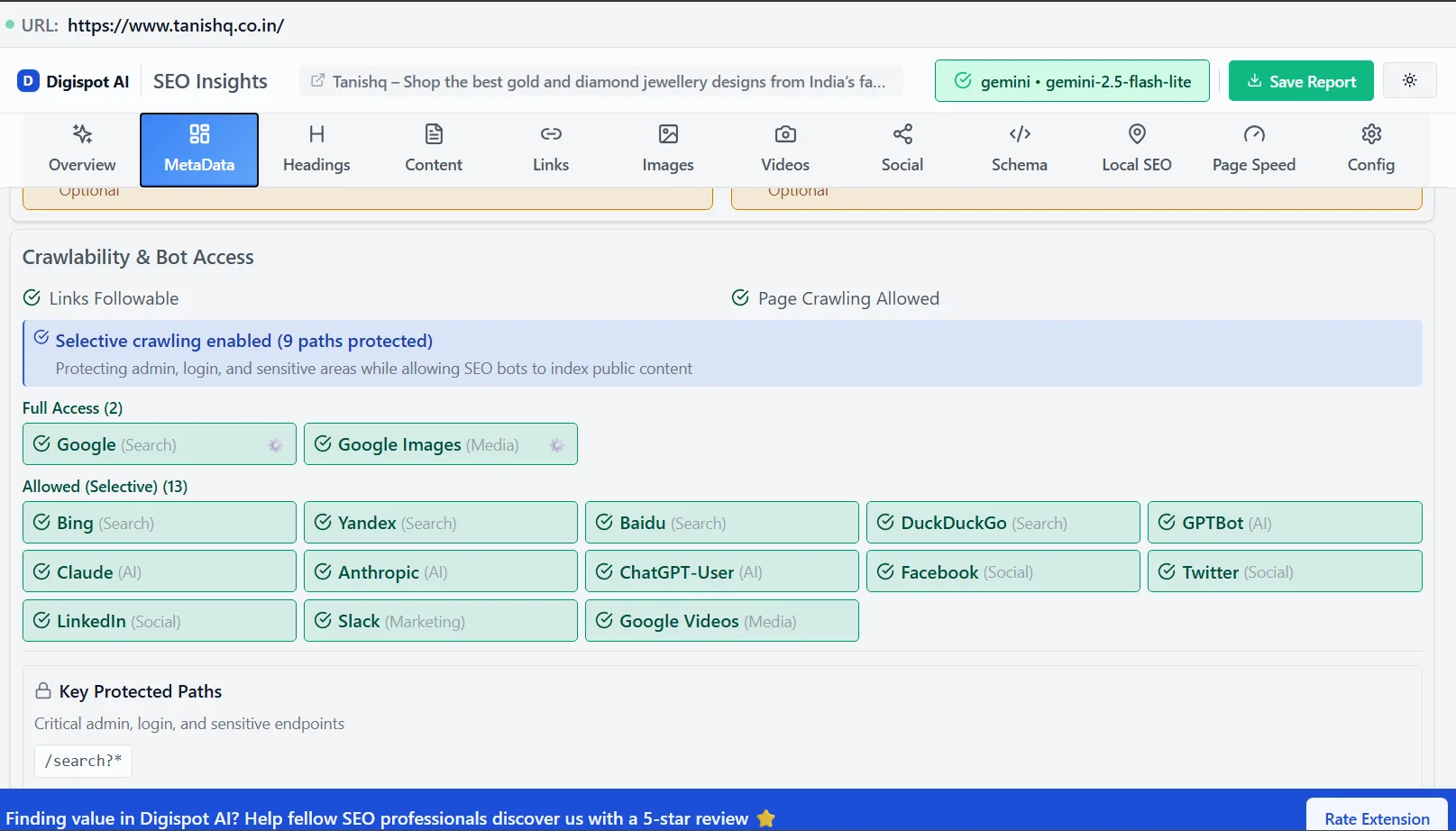
d. Crawlability and Indexability Search engines must be able to "crawl" your site to find your content.
- XML Sitemaps: Submit a dynamic XML sitemap to Google Search Console.
- Robots.txt: Ensure you aren't accidentally blocking important product pages.
- SSL Certificate (HTTPS): Security is non-negotiable for e-commerce. An SSL certificate encrypts data and is a ranking factor.
If you suspect technical issues are holding you back, Digispot AI can help you identify and fix these issues automatically with AI-powered audits analyzing 300+ ranking factors.
3. Off-Page SEO: Building Your Reputation Beyond Your Website
Off-page SEO builds authority and trust through external signals. It tells Google that others vouch for your brand.
a. Link Building: Earning Endorsements Backlinks (links from other sites to yours) are one of the strongest ranking factors.
- Digital PR: Get featured in gift guides (e.g., "Best Valentine's Gifts 2026") on fashion and lifestyle blogs.
- Unlinked Mentions: Find articles that mention your brand but don't link to you, and politely ask for the link.
- Supplier Links: Ask your gemstone or metal suppliers to list you as an authorized retailer on their websites.
- Guest Blogging: Write expert articles for wedding or fashion blogs in exchange for a backlink.
b. Social Media Marketing: Showcasing Your Sparkle While social signals aren't a direct ranking factor, they drive traffic and engagement.
- Pinterest SEO: Pinterest is a visual search engine massive for jewelry. Optimize your pins with keywords and links back to product pages.
- Instagram & TikTok: Use these for brand awareness. User-generated content (customers wearing your jewelry) builds massive trust.
c. Online Reviews and Reputation Management Positive reviews are crucial for local SEO and conversion.
- Google Business Profile: Actively encourage happy customers to leave reviews here. Respond to every review—good or bad.
- Third-Party Sites: Reviews on Trustpilot, Yelp, and The Knot also signal authority to Google.
4. Local SEO for Jewelers: Dominating Your Neighborhood
For jewelers with showrooms, capturing the local market is essential.
a. Optimizing Your Google Business Profile (GBP): Your GBP is your digital storefront on Google Maps.
- Complete All Sections: Ensure your name, address, and phone number (NAP) are consistent across the web.
- Categories: Choose primary categories like "Jewelry Store" and secondary ones like "Jewelry Repair Service," "Diamond Dealer," or "Appraiser."
- Products: Upload your inventory directly to your GBP "Products" section.
- Updates: Post weekly updates about new arrivals or events.
b. Local Citations: Ensure your business is listed accurately in local directories (Chamber of Commerce, Yellow Pages). Inconsistent address data confuses Google and hurts rankings.
c. Geo-Targeted Keywords: Create location-specific content. If you are in Chicago, create pages like "Custom Engagement Rings in Chicago" or "Jewelry Repair Loop District."
5. Understanding Your Performance: Tracking and Improvement
SEO is an iterative process. You must measure what works to improve.
- Google Analytics 4 (GA4): Track ecommerce events like
view_item,add_to_cart, andpurchase. Analyze which organic landing pages drive the most revenue. - Google Search Console (GSC): Monitor your performance in search results. Look for "Image" search performance specifically, as it's huge for jewelry. Watch for crawl errors that might be hiding your products.
- Regular Audits: Perform quarterly SEO audits to catch technical debt. A comprehensive SEO audit checklist is essential for staying on track.
The Digispot AI platform integrates with Google Search Console and Google Analytics to help you track and improve performance in one dashboard. Its Opportunity Finder feature highlights keyword gaps your competitors are winning, empowering you to make data-driven decisions.
Unlocking Advanced SEO with AI and Automation
The landscape of search is evolving. With the rise of AI Overview results in Google and standalone AI search engines, traditional SEO is expanding into AEO (Answer Engine Optimization).
AI-powered platforms streamline complex tasks and provide deeper insights. The Digispot AI cloud platform brings in all SEO best practices in an automated model, helping business websites rank better in Google and AI search engines. It analyzes your site for 300+ ranking factors, including content, tech SEO, local SEO, and page performance.
Leveraging AI for Content: A particularly powerful feature for jewelers is the Content Studio, which helps generate SEO-optimized content using AI agents. Imagine generating engaging articles about "The History of Rubies" or "How to Layer Necklaces" in minutes, ensuring they are optimized for both keywords and readability.
Real-Time Optimization: For immediate insights, the Digispot AI free community Chrome extension is indispensable. It helps you audit your website page directly in your browser, powered by popular LLM models. Beyond just identifying issues, it supports schema markup detection and visualization, giving you a clear picture of how structured data is implemented on any page. Get instant SEO insights on any page with our free Chrome extension.
Conclusion: Your Digital Crown Awaits
The world of jewelry is defined by enduring beauty and unparalleled craftsmanship. In the digital age, showcasing that brilliance requires a strategic, data-driven approach to SEO. By understanding the nuances of jewelry SEO—from the emotional intent of keywords to the technical precision of schema markup—you can ensure your exquisite pieces are discovered by the customers who will cherish them most.
Remember, SEO is not a one-time fix but a commitment to quality and user experience. Start by auditing your current site to find technical gaps. Focus on building high-trust content that answers your customers' questions. And don't underestimate the power of local visibility.
Tools like the Digispot AI platform and its convenient Chrome extension offer a powerful advantage, providing comprehensive audits and actionable insights. They simplify complex SEO tasks, allowing you to focus on what you do best: creating and selling beautiful jewelry.
Ready to improve your search visibility? Try Digispot AI for comprehensive website audits and actionable recommendations that turn your website into your most productive salesperson. It's time to let your digital storefront gleam as brilliantly as your physical one.
Related deep-dives
Continue with these closely related guides:
- fashion ecommerce seo — Fashion Ecommerce SEO: Rank Your Apparel Store Higher
- law firm seo — Law Firm SEO - The Ultimate Guide to Getting More Clients
References
- Mobile-first indexing (MFI) best practices | Google Search Central
- Understanding page experience in Google Search results | Google Search Central
- Understand how structured data works | Google Search Central
- Product snippets | Google Search Central
- Local business structured data | Google Search Central
- About Google Business Profile | Google Business Profile Help
- Introduction to Google Analytics
- Google Search Console
- Optimize images for search engines | Google Search Central
- Robots.txt Introduction and Guide | Google Search Central
- Digispot AI - FREE On Page SEO Audit Tool
- Digispot AI - FREE Chrome Extension for SEO Insights
Audit any page in seconds
300+ SEO checks including Core Web Vitals, schema markup, meta tags, and AI readiness — trusted by 1000+ SEO experts and marketers.
Frequently Asked Questions
Here are some of our most commonly asked questions. If you need more help, feel free to reach out to us.
Written by
Maya Krishnan
Digital growth expert
Maya is a seasoned expert in web development, SEO, and digital strategy, dedicated to helping businesses achieve sustainable growth online. With a blend of technical expertise and strategic insight, she specializes in creating optimized web solutions, enhancing user experiences, and driving data-driven results. A trusted voice in the industry, Maya simplifies complex digital concepts through her writing, empowering readers with actionable strategies to thrive in the ever-evolving digital landscape.