SEO Guide for Lifestyle Products & Services
Want your lifestyle content noticed? Learn SEO tricks to grow your fashion, food, or personal blog. Perfect for beginners, with tips from successful creators!
 Maya Krishnan
Introduction
Global revenue for lifestyle products and services hit $4.7 trillion in 2024. This market is massive, driven by a consumer shift toward personal wellbeing, conscious living, and self-improvement. But for businesses in this sector, size brings competition. Simply having a great product isn't enough when thousands of brands are fighting for the same eyeballs on Google and social platforms.
Lifestyle consumers behave differently than typical buyers. A staggering 78% of purchases start with an online search, but the journey is rarely linear. These buyers browse for inspiration on Pinterest, compare specs on blogs, and seek validation through reviews before spending a dime. To capture these customers, your SEO strategy must be present at every touchpoint—from the initial "how-to" query to the final "buy now" click.

Understanding Lifestyle Products and Services
Lifestyle brands succeed by selling an aspiration, not just a utility. Whether it's making life easier, more stylish, or healthier, the connection is emotional. From an SEO perspective, this means your content must bridge the gap between technical search intent and emotional resonance. Let's analyze how successful categories operate in search.
Product Categories
Fashion and Accessories
Fashion SEO is fast-paced and highly visual. Brands like ASOS and Fashion Nova dominate because they master detailed filtering and trend-based keywords. They don't just rank for "jeans"; they target specific long-tail queries like "high-waisted vintage mom jeans." This granularity helps them capture high-intent traffic from users who know exactly what look they want.
Beauty and Personal Care
The beauty sector relies heavily on "ingredient-first" searches. The Ordinary revolutionized this by ranking for chemical names like "Niacinamide" rather than just vague benefits. Consumers now search for scientific solutions. Brands like Glossier leverage user-generated content (UGC) to rank for review-based keywords, creating a feedback loop that signals trust to search engines.
Health and Wellness Products
Trust is the currency here. For products like Athletic Greens or HidrateSpark, ranking requires strong E-E-A-T (Experience, Expertise, Authority, Trust) signals. Google needs to verify that health claims are backed by credible sources. Successful brands use expert-reviewed content to rank for problem-solution queries like "how to improve gut health naturally."
Home and Living Essentials
Home decor search is visually driven. Parachute Home and The Home Edit excel by optimizing image search. They use descriptive file names and alt text that describe the style (e.g., "minimalist linen bedding beige") rather than just the product SKU. This captures users searching Google Images or Pinterest for aesthetic inspiration.
Fitness Equipment and Gear
This category blends hardware with lifestyle content. Peloton and Lululemon create content ecosystems. They rank for workout tips, community stories, and technical gear specs simultaneously. This "topic cluster" strategy positions them as authorities in the fitness niche, not just retailers of bikes or leggings.
Sustainable and Eco-friendly Products
Values drive these searches. Brands like Allbirds and Lush target keywords related to ethics and materials, such as "zero waste shampoo" or "wool runners." Their product pages often feature sustainability certifications, which serve as trust signals for both users and search algorithms prioritizing high-quality, transparent merchants.
Digital Lifestyle Products
For intangible goods like Spotify Premium or Headspace, SEO focuses on problem-solving. These brands target queries related to states of mind—"music for focus," "meditation for anxiety." They capture users at the point of need, offering their app as the immediate solution.
Service Categories
Personal Styling and Shopping Services
Services like Stitch Fix rely on "discovery" SEO. They target questions like "how to dress for a new job" or "subscription boxes for men." By answering lifestyle questions on their blog, they funnel readers into their styling service as the logical next step.
Wellness Coaching and Consulting
Platforms like BetterHelp and Noom are masters of local and informational SEO. They create vast libraries of content addressing specific symptoms or goals. Their strategy involves capturing top-of-funnel traffic with educational articles before introducing their paid coaching or therapy services.
Fitness Training and Programs
Local SEO is critical for in-person studios, while apps like Nike Training Club focus on app store optimization (ASO) and broad fitness terms. ClassPass aggregates local data to rank for "yoga classes near me" across thousands of cities, leveraging a massive programmatic SEO strategy.
Life Coaching Services
Keywords here are often question-based. Coaches target "how to find my career path" or "relationship advice for introverts." Successful coaches build personal brands that serve as the primary ranking entity, leveraging their name recognition alongside service keywords.
Interior Design Services
Services like Havenly use "Before and After" content to rank. Visual transformations are powerful link magnets. By showcasing case studies with detailed descriptions of the design process, they attract backlinks from design blogs, boosting their domain authority.
Meal Planning and Nutrition Services
HelloFresh and MyFitnessPal dominate by targeting recipe keywords. They understand that a user searching for "healthy 30-minute dinner" is a prime candidate for a meal kit or tracking app. They convert informational traffic into transactional customers through strategic internal linking.
Lifestyle Photography Services
Photographers must blend local SEO with visual portfolio optimization. Ranking for "wedding photographer in [City]" is the baseline. The best expand their reach by blogging about venues and photo shoot tips, signaling local relevance to Google while helping potential clients plan their events.
SEO Foundations for Lifestyle Businesses
SEO ensures your brand appears when it matters most. For lifestyle businesses, this means being visible during the "inspiration" phase and the "transaction" phase. You need a strategy that covers the entire funnel.
Keyword Research Strategies
Finding the Right Words Keywords define your connection with the user. You must identify the specific terms your audience uses. A general term like "backpack" is too broad and competitive. Instead, a travel brand should target "waterproof anti-theft travel backpack." This specific phrasing indicates a buyer who knows what they need and is ready to purchase.
Targeting User Intent Understanding why someone searches is as important as what they search.
- Informational Intent: "How to style a scarf" (Blog content opportunity)
- Commercial Intent: "Best silk scarves 2026" (Comparison/Category page)
- Transactional Intent: "Buy floral silk scarf online" (Product page) Aligning your content with these intents ensures you satisfy the user's needs, which is a primary ranking factor.
Location-Based Keywords For service providers, local modifiers are non-negotiable. A "personal shopper" will struggle to rank nationally against giants. But "personal shopper in Mumbai for weddings" is a winnable battle. Use tools to find local volume and incorporate neighborhood names where relevant.
Staying Competitive Analyze your competitors' top-performing pages. If a rival ranks for "organic smoothies," don't just copy them. Pivot to a gap they missed, like "protein-rich organic smoothies for post-workout." You can identify these content gaps by auditing competitor URLs. Get instant SEO insights on competitor pages with our free Chrome extension.
Making Your Website Stand Out
Optimization is about communicating clearly with search crawlers.
Enhancing Product Pages Generic manufacturer descriptions kill rankings. Every product page needs unique, benefit-driven copy. For running shoes, don't just list "rubber sole." Explain that the "high-traction rubber sole ensures stability on wet city pavements." This adds context that helps Google match the product to specific user scenarios. Learn more about on-page SEO best practices to perfect your product descriptions.
Highlighting Services Service pages must function as landing pages. They need clear value propositions, trust signals (reviews), and explicit details on what is included. A fitness trainer should list specific deliverables: "Weekly 60-minute video calls, custom meal plans, and daily WhatsApp support."
Organizing Categories Effectively Your site structure dictates how link equity flows. A flat structure with minimal clicks to product pages is ideal. Use descriptive category names like "Sustainable Winter Wear" rather than just "Jackets." This helps you rank for mid-tail keywords that drive qualified traffic.
Optimizing Images for Better Reach Lifestyle content is visual. Search engines cannot "see" images; they read alt text and filenames.
- Bad:
IMG_5923.jpg - Good:
minimalist-wooden-coffee-table-living-room.jpgAlt text is also crucial for accessibility and rankings. It should describe the image content specifically.
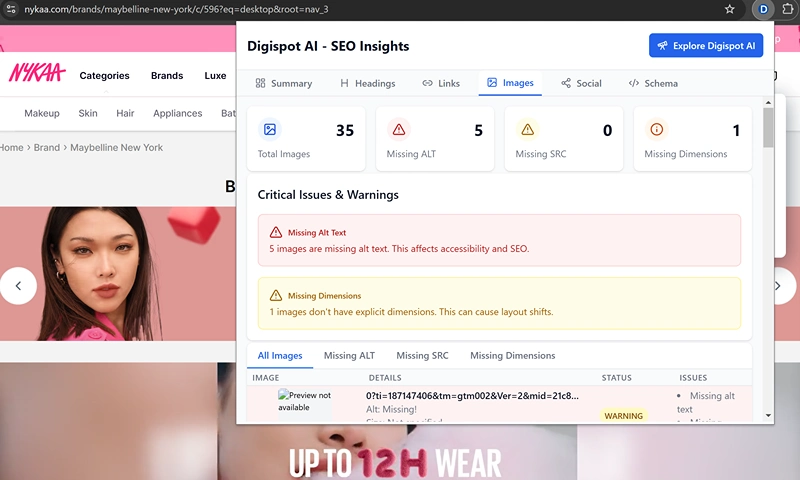
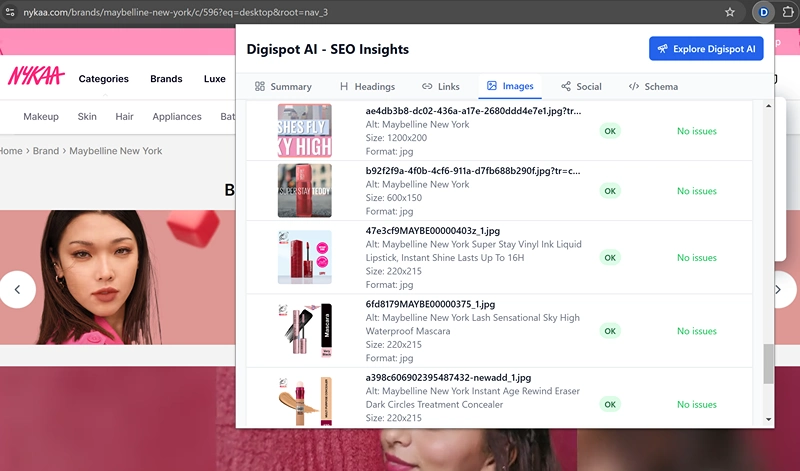
Try the free On-Page SEO Analysis tool to check if your images are missing alt text.
Product Content
Bringing Products to Life Your product description acts as your 24/7 sales associate. It must answer questions before they are asked. Does the fabric stretch? Is the fit true to size? By addressing these details, you reduce bounce rates and return rates, both of which impact your SEO performance indirectly.
Providing Helpful Details Detailed specs reduce ambiguity. A size guide, material composition list (e.g., "100% Organic Cotton"), and care instructions add semantic richness to the page. Google's algorithms reward pages that provide comprehensive information because they satisfy user queries more effectively.
Sharing Real Experiences User-generated content (UGC) is gold for SEO. Reviews often contain natural long-tail keywords that you wouldn't think to write yourself, such as "great dress for curvy figures" or "blender handles frozen fruit easily." This fresh, constantly updating content keeps your product pages alive in search results.
Service Content
Clear Descriptions Build Confidence Ambiguity creates friction. If you offer "Lifestyle Coaching," define the methodology. Do you use CBT techniques? Is it career-focused? Specificity helps you rank for niche queries like "career transition coaching for creatives" rather than getting lost in broad terms.
Transparent Pricing and Options While not always possible to list exact prices, giving a range or starting price helps qualify leads. Users often bounce back to SERPs if they can't find pricing, signaling to Google that your page wasn't helpful. "Packages starting at $500" is better than "Contact for quote" for user experience.
Building Trust Through Testimonials Embed reviews directly on your service pages using schema markup. This allows review stars to appear in search results (Rich Snippets), which can increase your Click-Through Rate (CTR) by up to 30%. Use the free Schema Markup Generator to create Review schema for your services.
Answering Common Questions An FAQ section on service pages serves two purposes: it overcomes objection barriers for customers and provides content for Google's "People Also Ask" boxes. Structure your answers concisely to improve your chances of winning these featured snippets.
Supporting Content
Guides That Inspire "How-to" content attracts top-of-funnel traffic. A furniture brand writing "How to style a small balcony" attracts users who might not be ready to buy yet but are looking for ideas. Once they land on your site, you can retarget them or guide them to product pages.
Comparisons That Clarify Choices "Best X vs Y" articles are powerful for capturing decisions near the bottom of the funnel. If you sell skincare, a post comparing "Retinol vs Bakuchiol" establishes your authority and guides the user to the product that suits them best.
Spotlighting Trends Lifestyle is trend-driven. Use tools like Google Trends or Digispot AI to identify rising topics before they peak. Creating content around "Pantone Color of the Year" or "Cottagecore aesthetics" when the trend is rising can result in massive traffic spikes.
Technical SEO Implementation
You can have the best content in the world, but if your site is slow or broken, you won't rank. Technical SEO builds the infrastructure for success.
E-commerce Optimization
Making Products Easy to Find (Schema) Structured data (Schema) is a code language that helps search engines understand your content. For e-commerce, Product Schema is vital. It displays price, availability, and ratings directly in search results. This visual advantage draws the eye and improves click-through rates.
Streamlining Shopping Feeds If you use Google Merchant Center, your feed data must be pristine. Ensure your GTINs, MPNs, and brand attributes are accurate. This data powers the "Shopping" tab results and free listings, a huge source of traffic for lifestyle products.
Efficient Inventory Management Out-of-stock pages are SEO leaks. Don't 404 a page just because a product is temporarily unavailable. Instead, leave the page up, mark it as "out of stock" in schema, and recommend similar products. This preserves the page's ranking power and keeps the user on your site.
Navigating Filters Effectively
Faceted navigation (filtering by color, size, price) can create thousands of duplicate URLs (e.g., ?color=red&size=small). This dilutes your ranking power. Use canonical tags to tell Google which version of the category page is the "master" version to index.
Enhancing the Cart and Checkout Process While checkout pages are usually no-indexed, their performance matters. A slow site frustrates users, leading to cart abandonment. Core Web Vitals, specifically Largest Contentful Paint (LCP), must be optimized to ensure your visual assets load instantly.
Service Page Optimization
Reaching Local Audiences For local services, your Google Business Profile (GBP) acts as your second homepage. Ensure your Name, Address, and Phone number (NAP) are consistent across your website and all directories. Embed a Google Map on your contact page to reinforce your location signals.
Seamless Booking Integration If you use a third-party booking tool (like Calendly or Mindbody), ensure it doesn't slow down your page. Embed it efficiently or use a distinct CTA button. Slow scripts can hurt your page speed scores, impacting mobile rankings.
Making Information Search-Friendly Use LocalBusiness and Service schema. This tells Google exactly what you do and where you do it. For example, a yoga studio can specify "openingHours," "priceRange," and "address," making it eligible for rich results in Google Maps and Search.
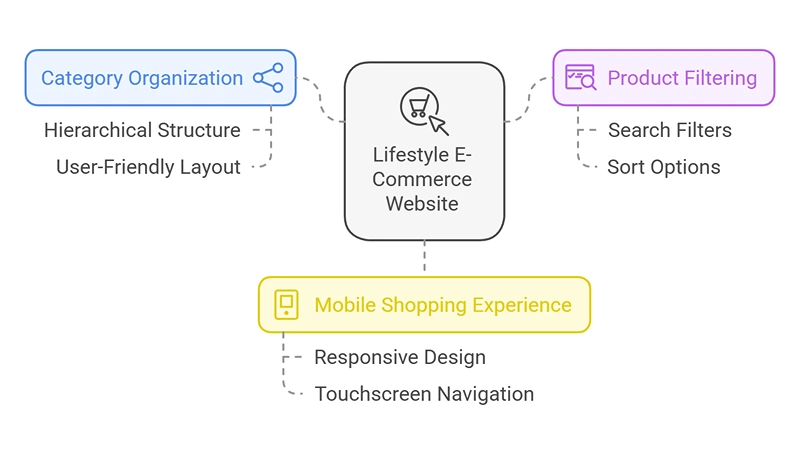
Optimizing for Mobile Devices Lifestyle searches are overwhelmingly mobile. Test your site's tap targets—can a user easily hit "Add to Cart" with their thumb? Are pop-ups covering the main content? Google penalizes intrusive interstitials that ruin the mobile experience. Check your mobile performance with our Core Web Vitals SEO guide.
Speeding Things Up Lifestyle sites are image-heavy. Use modern image formats like WebP or AVIF and implement lazy loading. This ensures images only load as the user scrolls down, keeping the initial page load lightning fast.
User Experience and Conversion
SEO brings the horse to water; UX makes it drink. Google measures user satisfaction through metrics like "dwell time" and "pogo-sticking" (users quickly bouncing back to search results). High-quality UX signals to Google that your page is a good result.
Website Structure
Keeping Categories Clear Your menu should mirror user logic, not internal jargon. Use card sorting techniques to see how real users group your products. A clean hierarchy (Home > Women > Shoes > Running) helps crawl bots discover all your pages efficiently.
Helpful Filtering Systems Filters should be fast and intuitive. Users shouldn't have to wait for the page to reload every time they check a box. AJAX-based filtering allows for a smooth, app-like experience. Ensure that important filter combinations (like "Red Dresses") generate unique, indexable URLs for SEO capture.
Effortless Service Booking Reduce friction. Every extra field in a form lowers conversion rates. If you only need a name and email to start the conversation, don't ask for a phone number or address yet. Auto-fill capabilities help mobile users breeze through forms.
Making Searches Simple On-site search is a goldmine of data. Track what users type into your search bar—these are keywords they expect to find. If they search for items you don't have, it's a product gap. If they search for items you do have but can't find, it's a navigation issue.
Conversion Optimization
Engaging Product Pages High-resolution zoom, 360-degree views, and product videos increase dwell time. When users spend more time interacting with your page, it signals high engagement to search algorithms.
Compelling Service Pages Use trust signals above the fold. "Trusted by 500+ clients" or "As seen in Vogue" builds immediate credibility. This is part of the "Trust" in E-E-A-T. Learn how to boost your credibility signals in our E-E-A-T SEO guide.
Action-Oriented Design Your Primary CTA should be the most visually distinct element on the page. Use contrasting colors. Avoid generic text like "Submit." Use benefit-driven text like "Get My Free Style Guide" or "Start Your Transformation."
Building Trust Through Signals Security badges (SSL), payment icons (Visa/Paypal), and money-back guarantees reduce purchase anxiety. For lifestyle brands, social proof is vital—display Instagram feeds of real customers using your products to validate the lifestyle you are selling.
Marketing Integration
SEO does not exist in a vacuum. It works best when integrated with your broader marketing ecosystem. A multi-channel approach builds brand authority, which is a powerful ranking signal.
Social Media Strategy
Showcasing Products Creatively While social likes don't directly boost rankings, social traffic helps. Viral content on TikTok drives brand searches (e.g., users searching for your brand name on Google). This surge in "Branded Search Volume" is a strong signal to Google that your entity is popular and authoritative.
Promoting Services Effectively LinkedIn and Instagram are perfect for service professionals. Share snippets of your blog content. Instead of just linking to the post, share a key insight or infographic. This builds your personal authority. When users recognize your name, they are more likely to click your website in organic search results.
Partnering with Influencers Influencer marketing generates backlinks. When a blogger reviews your product and links to your site, it passes "link juice." Ensure these partnerships include a link to your specific product page or a dedicated landing page, not just your homepage.
Content Marketing
Crafting Engaging Blog Content Your blog is your SEO engine. It captures the informational queries that product pages can't. A "Style Guide for Summer 2026" can link to 10 different product pages. This internal linking structure passes authority from your high-traffic blog posts to your money-making product pages.
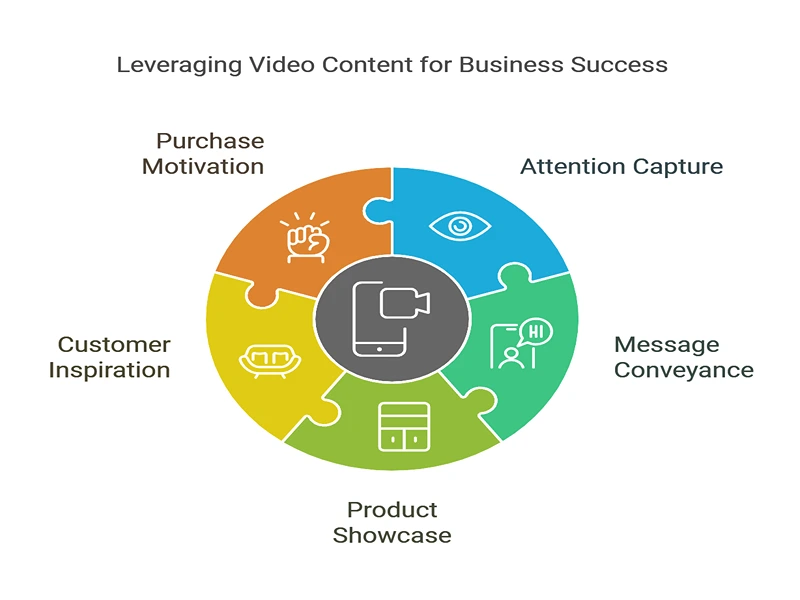
Creating Impactful Videos YouTube is the second largest search engine. Embed product videos on your site to increase dwell time. Video results also appear in Google SERPs, giving you a second chance to rank for the same keyword.
Encouraging User Contributions Launch campaigns that encourage users to post content with your brand hashtag. Curate this content on your site. It keeps your pages fresh and dynamic, which Google loves, without you having to write new copy constantly.
Analytics and Performance
You can't improve what you don't measure. Analytics provides the feedback loop necessary to refine your SEO strategy.
Tracking and Measurement
Key Performance Indicators (KPIs) Look beyond vanity metrics.
- Organic Traffic: Are you growing?
- Keyword Rankings: Are you winning your target terms?
- Click-Through Rate (CTR): Are your titles enticing?
- Bounce Rate: Is your content satisfying the user intent?
- Revenue per Organic Visit: Is your SEO traffic actually buying?
Product Performance Metrics Identify which products drive the most organic entry traffic. You might find that a specific accessory brings in thousands of visitors who then browse and buy other items. Optimize these "gateway products" to maximize their reach.
Conversion Tracking Set up goals in GA4 (Google Analytics 4). Track specific events like "Added to Cart," "Started Checkout," and "Booked Consultation." This granular data helps you spot where users drop off. Avoid analytics pitfalls by reading about common SEO mistakes.
ROI Measurement SEO is an investment. Calculate your Customer Acquisition Cost (CAC) for organic search versus paid ads. Usually, organic CAC is lower over time, providing a compelling argument for continued investment in content and optimization.
Optimization Opportunities
A/B Testing Strategies Test your meta titles and descriptions. Does "Best Yoga Mat" work better than "Non-Slip Yoga Mat for Beginners"? Small tweaks in wording can lead to massive improvements in CTR and traffic.
Customer Feedback Integration Mine your customer support tickets and reviews for keyword ideas. If users keep asking, "Is this gluten-free?", and you don't have that on your page, you are missing a keyword opportunity and a conversion trigger.
Competitor Analysis Monitor your competitors' backlink profiles. If a magazine links to them, reach out and pitch your product too. Tools like Digispot AI can help automate this competitive intelligence. Digispot AI helps you identify and fix these issues automatically with AI-powered audits analyzing 300+ ranking factors.
Advanced SEO Strategies
Once the basics are mastered, these advanced tactics will give you the edge in competitive lifestyle markets.
International SEO for Global Markets
If you ship globally, you need hreflang tags. These tags tell Google which version of your site to show in which country (e.g., en-us for USA, en-gb for UK). This prevents duplicate content issues and ensures users see the correct currency and shipping options.
Voice Search Optimization
With the rise of smart speakers, people are searching differently. "Where can I find the best pizza?" is a voice query. To rank for these, target natural language phrases and Question keywords. Lifestyle content is perfect for this—optimize for direct answers to questions like "How do I remove wine stains?"
Visual Search Optimization
Google Lens allow users to search with their cameras. To win in visual search:
- Use high-quality, original images (no stock photos).
- Ensure images are sharp and well-lit.
- Use structured data to label products clearly within images.
Mobile-First Indexing
Google predominantly uses the mobile version of the content for indexing and ranking. Ensure your mobile site contains the same valuable content as your desktop site. Do not hide descriptions or reviews behind "read more" buttons if possible, or ensure they are accessible to crawlers.
Core Web Vitals Optimization
These are specific speed metrics Google uses as ranking factors:
- LCP (Loading): How fast the main content appears.
- FID (Interactivity): How fast the page reacts to a click.
- CLS (Stability): Does the layout shift while loading?
For lifestyle sites with heavy imagery, CLS is a common killer. Ensure all image tags have
widthandheightattributes defined to reserve space on the screen.
Future of Lifestyle E-commerce
The digital landscape changes fast. Staying ahead means preparing for the next wave of search behavior.
Emerging Technology Integration (AEO)
We are moving from SEO to AEO (Answer Engine Optimization). AI platforms like ChatGPT, Perplexity, and Google's AI Overviews provide direct answers rather than a list of links. To appear here, your content must be factually accurate, highly structured, and authoritative. Digispot AI specializes in tracking visibility on these new AI platforms.
AI and Personalization
AI will enable hyper-personalized shopping experiences. Imagine a search result that adapts to the user's past style preferences. Structuring your product data meticulously now prepares you for this future where algorithms will "match-make" products to users.
Sustainability Trends
"Green" SEO is rising. Users filter for sustainability. Highlighting eco-credentials in your schema and meta data will become a significant visibility factor as platforms introduce "Eco-friendly" filters and badges.
Social Commerce Evolution
The line between social media and e-commerce will vanish. SEO will involve optimizing your products for discovery on platforms like TikTok Shop and Instagram Checkout. Your "search" strategy must encompass these closed ecosystems.
Virtual and Augmented Reality
AR "Try-On" features increase engagement metrics significantly. While Google doesn't index AR directly yet, the behavioral signals (increased time on site, lower return rates) are powerful indirect ranking factors.
Start Improving Your Lifestyle SEO Today
The lifestyle market is crowded, but specific, high-quality, and technically sound websites always rise to the top. By focusing on user intent, optimizing your visual assets, and keeping your technical infrastructure solid, you can turn your passion project or brand into a search engine powerhouse.
Don't leave your rankings to chance. Audit your site, fix the errors, and start creating content that converts.
Ready to elevate your lifestyle products and services website to the top of search results? Leverage the facilities provided by Digispot AI and get started today!
Related deep-dives
Continue with these closely related guides:
- product lifecycle seo — Product Lifecycle SEO: Optimize Every Stage
- video seo — Video SEO: The Ultimate YouTube Ranking Guide (2026)
- find trending keywords — Find Trending Keywords: Capture Rising Search Demand
References
Audit any page in seconds
300+ SEO checks including Core Web Vitals, schema markup, meta tags, and AI readiness — trusted by 1000+ SEO experts and marketers.
Frequently Asked Questions
Here are some of our most commonly asked questions. If you need more help, feel free to reach out to us.
Written by
Maya Krishnan
Digital growth expert
Maya is a seasoned expert in web development, SEO, and digital strategy, dedicated to helping businesses achieve sustainable growth online. With a blend of technical expertise and strategic insight, she specializes in creating optimized web solutions, enhancing user experiences, and driving data-driven results. A trusted voice in the industry, Maya simplifies complex digital concepts through her writing, empowering readers with actionable strategies to thrive in the ever-evolving digital landscape.