Keyword Mapping: A Strategic Blueprint for Higher Rankings
Stop keyword cannibalization and dominate search. Build a semantic keyword map that aligns content with user intent and AI search algorithms.
 Maya Krishnan
Imagine trying to build a skyscraper without a blueprint. You might have excellent materials and skilled workers, but without a plan, you’ll end up with a structurally unsound mess.
SEO works the same way. You can write incredible content and build high-quality backlinks, but if your site lacks a structural plan—a keyword map—you are actively sabotaging your efforts.
I see this constantly in site audits: distinct pages fighting for the same rankings, critical high-volume keywords buried on low-authority blog posts, and search engines utterly confused about which page is the authority on a specific topic.
Keyword mapping is not just an administrative task; it is the strategic backbone of your SEO and AEO (Answer Engine Optimization) success. It transforms a chaotic list of keywords into a streamlined architecture that Google, Bing, and AI engines can understand and rank.
In this guide, we will move beyond basic spreadsheet tactics. You will learn how to build a semantic keyword map that prevents cannibalization, guides your internal linking, and positions your brand for the future of generative search.
What is Keyword Mapping?
At its core, keyword mapping is the process of assigning specific keywords to specific URLs on your website. It answers the question: "Which page is the single source of truth for this topic?"
However, in modern SEO, it goes deeper than just matching words to pages. It involves grouping keywords by search intent and ensuring that your site structure reflects the way users (and AI models) categorize information.
The Three Pillars of a Solid Map
- The Primary Keyword: The main term with the highest volume or strongest intent that a page targets.
- The Cluster: A group of secondary keywords, synonyms, and long-tail variations that share the same intent as the primary keyword.
- The URL: The specific destination where this cluster "lives."
Why You Can't Ignore This
Without a map, you drift into keyword cannibalization. This occurs when multiple pages on your site target the same term. Google's algorithm doesn't know which page to prioritize, so it often splits the "link equity" and authority between them. The result? Neither page ranks on Page 1.
Furthermore, AI search engines like ChatGPT and Google's AI Overviews rely on clear entity relationships. A messy site structure signals low authority. A clean keyword map helps these Large Language Models (LLMs) understand your topical authority, increasing your chances of being cited in AI-generated answers.
Step 1: Strategic Keyword Discovery & Intent Analysis
Before you can map anything, you need raw data. But don't just export a list of 10,000 keywords and dump them into a sheet. You need to analyze them through the lens of intent.
Identify Your Core Topics
Start by identifying the broad topics your business covers. If you sell project management software, your core buckets might be:
- Task Management
- Time Tracking
- Agile Workflows
- Team Collaboration
Gather Data with Context
Use your preferred keyword research tools to generate lists for these topics. As you gather data, look for three metrics:
- Search Volume: How many people are looking for this?
- Keyword Difficulty: Can we realistically rank?
- Search Intent: This is crucial. Is the user looking to buy (transactional), learn (informational), or find a specific page (navigational)?
Pro Tip: Don't ignore zero-volume keywords. Learn more about zero-click searches strategy to see why "low volume" often means "high value."
The "SERP Check" Technique
If you are unsure if two keywords should map to the same page or different pages, type them both into Google.
- Scenario A: The results are identical. (e.g., "cheap laptop" vs. "affordable laptop"). Action: Map to the same page.
- Scenario B: The results are totally different. (e.g., "laptop repair" vs. "buy laptop"). Action: Map to different pages.
Step 2: Semantic Clustering (The "Parent-Child" Method)
Old-school SEO involved creating a separate page for every slight variation of a keyword. That is now considered spammy and ineffective. Modern algorithms understand semantics—meanings, not just strings of text.
Grouping by Intent
You must cluster your keywords. Pick one "Parent" keyword that represents the core topic. Then, group all "Child" keywords under it.
Example Cluster:
- URL:
/best-running-shoes - Parent Keyword: "best running shoes"
- Child Keywords:
- "top rated running sneakers"
- "running shoes reviews 2026"
- "comfortable shoes for jogging"
- "good running footwear"
All of these terms share the same intent: the user wants a comparison or list of high-quality running shoes. If you created separate pages for "sneakers" vs. "shoes," you would cannibalize your own rankings.
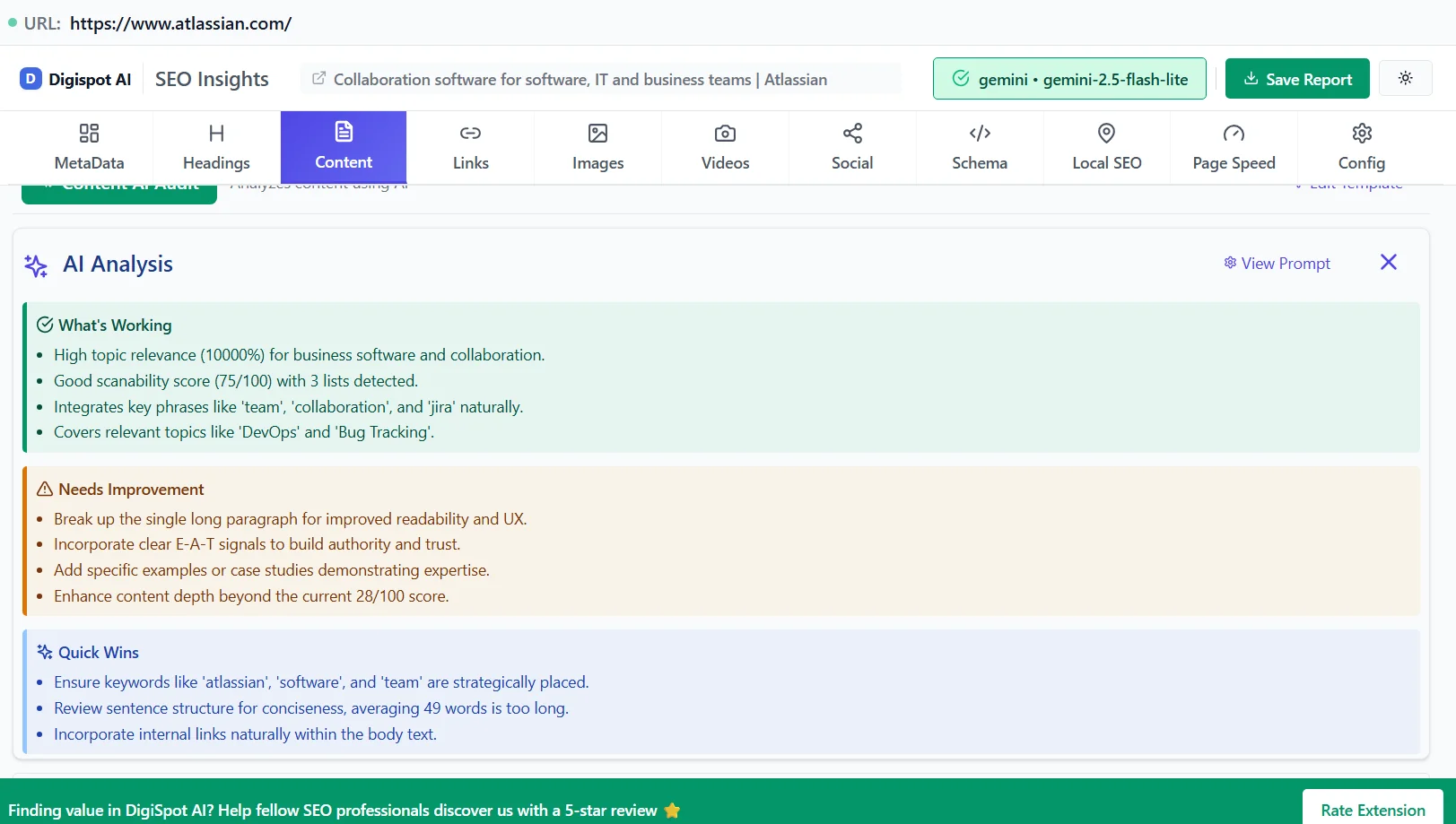
Digispot AI helps you identify and fix these overlap issues automatically with AI-powered audits that analyze over 200 ranking factors, helping you spot where your clusters are breaking down.
Step 3: Building the Map (The Actionable Framework)
Now, let's build the actual document. You can use a spreadsheet for this. Your columns should look like this:
- Page Type: (Blog, Product Page, Category Page, Homepage)
- Parent Topic: (The broad category)
- Target URL: (The existing or proposed slug)
- Primary Keyword: (The main term)
- Search Volume: (For the primary term)
- Secondary Keywords: (Comma-separated list of the cluster)
- Current Status: (Live, Needs Update, To Be Created, Prune)
- Internal Link Targets: (Which other pages should this link to?)
Mapping to Existing Content
Most of you aren't starting from scratch. You have hundreds of blog posts already.
- Export all your URLs.
- Identify which keyword each page currently ranks for (using GSC or Digispot).
- Assign that page to the keyword in your map.
The Hard Decision: If you find two pages targeting the same cluster (e.g., "10 SEO Tips" and "SEO Best Practices"), you must choose a winner. Keep the one with better backlinks and traffic. Redirect (301) the loser to the winner.
Mapping New Content
Identify the gaps. Which keyword clusters have no assigned URL? These become your content calendar. By planning this way, you ensure every new piece of content has a pre-determined purpose and doesn't conflict with existing assets.
For a deeper dive into finding these missing opportunities, read our guide on content gap analysis.
Step 4: Optimizing On-Page Elements Based on the Map
Once your map is defined, it becomes your instruction manual for on-page optimization. Every time you touch a page, consult the map.
URL Structure
Your URL should reflect the Primary Keyword where possible.
- Good:
digispot.ai/blog/keyword-mapping-strategy - Bad:
digispot.ai/blog/post-124-how-to-do-seo
Title Tags and H1s
Include the Primary Keyword in your H1 and Title Tag. Use the Secondary Keywords in your H2s and H3s.
For example, if your secondary keyword is "keyword mapping tools," ensure there is a section in your article with the header <h2>Top Keyword Mapping Tools</h2>. This signals to Google that your page is comprehensive.
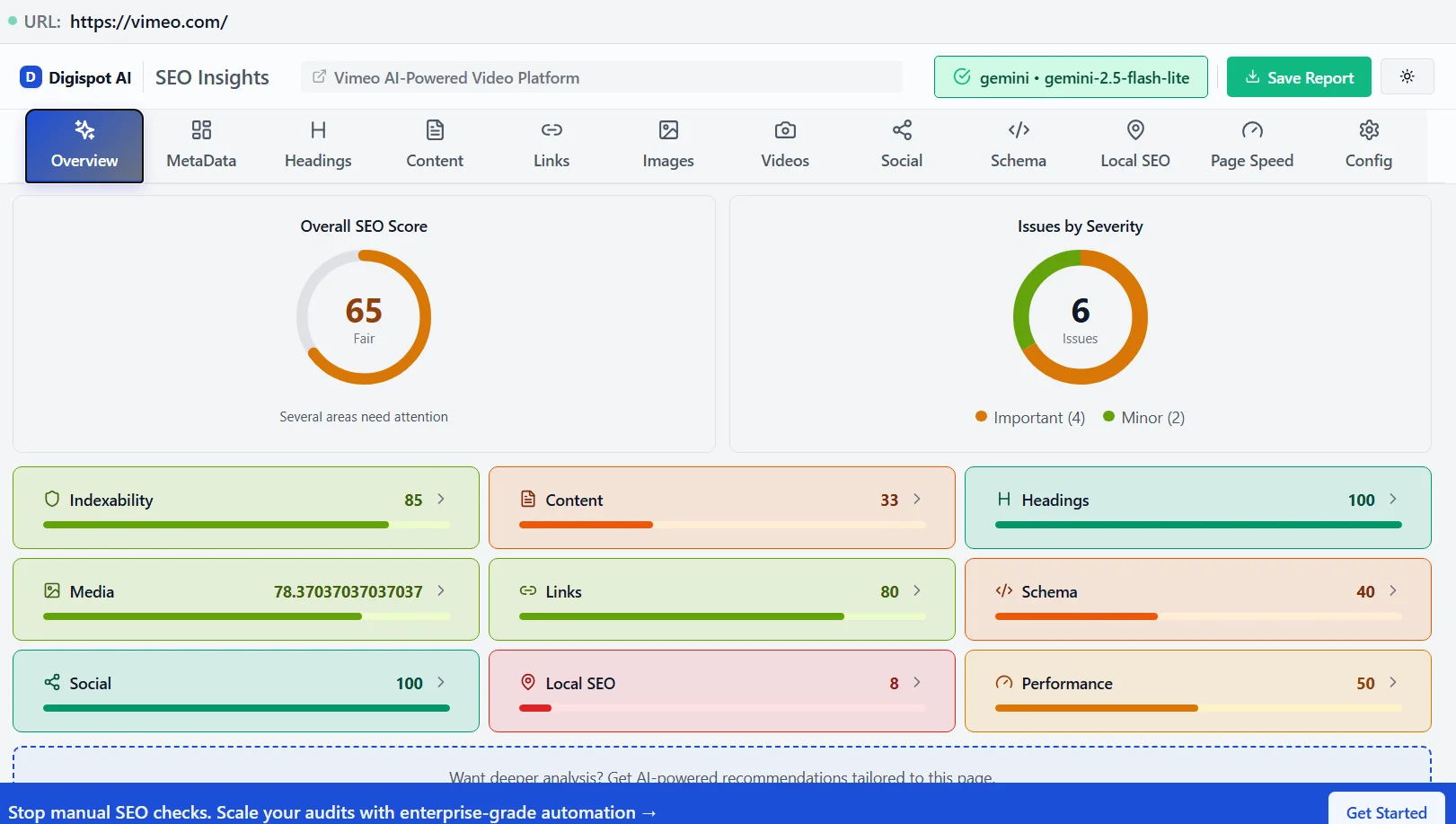
Get instant SEO insights on any page to see if your current headings match your map with our free Chrome extension. It visualizes your heading hierarchy instantly.
Meta Descriptions
While not a direct ranking factor, the description affects Click-Through Rate (CTR). Use secondary keywords here naturally to bold matching terms in search snippets.
Step 5: Mapping for AI & Semantic Authority
We are moving into the era of Answer Engine Optimization (AEO). AI models (GPT-4, Claude, Gemini) don't just scan for keywords; they build a knowledge graph of entities.
Entity-Based Mapping
When mapping keywords, think about the entities involved. If you are mapping a page about "iPhone Repair," the AI expects to see related entities like "screen replacement," "battery life," "Apple Store," and "warranty."
Ensure your map includes a column for "Related Entities" or "LSI Keywords." This prompts your writers to cover the topic with the depth required for Google's E-E-A-T standards.
For more on establishing authority, review our E-E-A-T SEO guide, which breaks down how to signal expertise to algorithms.
Schema Markup
Your map should also dictate your structured data strategy.
- Product Pages: Map to
Productschema. - Blog Posts: Map to
ArticleorBlogPostingschema. - Local Landing Pages: Map to
LocalBusinessschema.
Use the free Schema Markup Generator to create valid structured data in minutes once you've decided which schema applies to which URL.
Step 6: Internal Linking Strategy
A keyword map is useless if your pages exist in isolation. The map must dictate how pages link to one another.
Parent-Child Linking
- Parent Page: Link down to all child/supporting pages.
- Child Pages: Link up to the Parent page using the Primary Keyword as anchor text.
This creates a "silo" or "cluster" that passes authority efficiently. If you have a "Hub" page about "Technical SEO," it should link to "Schema Markup," "Core Web Vitals," and "Robots.txt." Those sub-pages should all link back to the main "Technical SEO" guide.
Learn more about distributing link equity in our internal linking strategy guide.
Step 7: Advanced Scenarios
Ecommerce Keyword Mapping
Ecommerce sites face unique challenges due to product variants.
- Category Pages: These should target broad, high-volume terms (e.g., "Men's Running Shoes").
- Product Pages: These target specific, low-volume, high-intent terms (e.g., "Nike Air Zoom Pegasus 40 Size 10").
Common Mistake: optimizing a product page for the broad category term. A single product page will rarely rank for "Men's Shoes" against category pages from Amazon or Zappos. Check our Ecommerce SEO complete guide for specific architectural advice.
Local SEO Mapping
For businesses with multiple locations, mapping is geographic.
- Service Pages: Target "Service + General" (e.g., "Emergency Plumbing").
- Location Pages: Target "Service + City" (e.g., "Emergency Plumbing in Austin").
Never target the city-specific keyword on your general service page if you have a dedicated location page. This is a classic cannibalization error. See our Local SEO complete guide for handling multi-location maps.
Step 8: Maintenance and Evolution
A keyword map is a living document. The search landscape changes daily.
Triggers for Updating Your Map
- New Product Launches: Add new clusters.
- Algorithm Updates: If Google shifts how it interprets a query (e.g., changing a keyword from informational to transactional), you may need to remap that keyword to a product page instead of a blog post.
- Performance Decay: If a page starts losing traffic, check if the search intent has shifted or if a competitor has created a better cluster.
Monitoring Cannibalization
Use Google Search Console or Digispot AI to monitor pages that swap positions frequently. If URL A ranks on Monday and URL B ranks on Tuesday for the same term, you have a mapping problem.
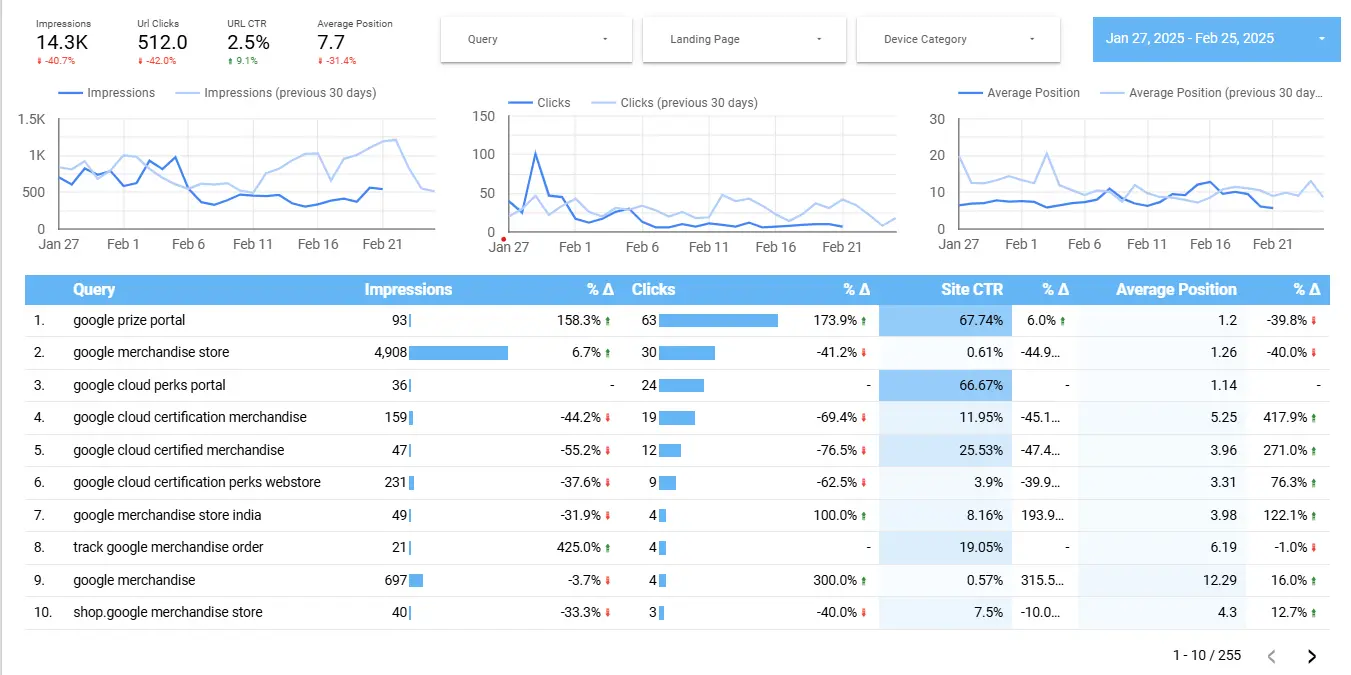
Ready to improve your search visibility? Try Digispot AI for comprehensive website audits. Our platform tracks AEO visibility and automatically detects when your site structure deviates from best practices.
Start Improving Your Ranking Architecture Today
Keyword mapping is the difference between throwing spaghetti at the wall and executing a military-grade strategy. It clarifies your content goals, cleans up your site architecture, and provides a clear path for search engines to crawl and index your value.
Do not wait until your site is penalized or your traffic plateaus. Start small. Audit your top 20 pages. Assign them specific intents. Fix the overlaps. As you expand your map, you will see your authority—and your rankings—grow.
Related deep-dives
Continue with these closely related guides:
- google discover optimization — Google Discover Optimization: The 2025 Strategy Guide for Publishers
- keyword search volume — Keyword Search Volume: Target the Right SEO Terms
References
Audit any page in seconds
300+ SEO checks including Core Web Vitals, schema markup, meta tags, and AI readiness — trusted by 1000+ SEO experts and marketers.
Frequently Asked Questions
Here are some of our most commonly asked questions. If you need more help, feel free to reach out to us.
Written by
Maya Krishnan
Digital growth expert
Maya is a seasoned expert in web development, SEO, and digital strategy, dedicated to helping businesses achieve sustainable growth online. With a blend of technical expertise and strategic insight, she specializes in creating optimized web solutions, enhancing user experiences, and driving data-driven results. A trusted voice in the industry, Maya simplifies complex digital concepts through her writing, empowering readers with actionable strategies to thrive in the ever-evolving digital landscape.