Local SEO Checklist 2026: Rank in Maps & AI Search
Master local search in 2026 with a 50-point local SEO checklist. Optimize Google Business Profiles, win AI Overviews, and drive foot traffic.
 Maya Krishnan
The landscape of local search is shifting beneath our feet. In 2026, ranking locally isn't just about securing a spot in the Google "Map Pack"—it's about visibility across a fragmented ecosystem that includes AI Overviews, voice assistants, and visual search tools.
If you are a business owner or marketer, the pressure is on. "Near me" searches have evolved into complex, conversational queries like "find a top-rated Italian restaurant open now with outdoor seating." If your data isn't structured to answer that specific intent, you are invisible.
This isn't just a list of basics. This is a strategic local SEO checklist for 2026 designed to help you build a fortress of relevance around your business. We will cover the technical foundations, the content strategies, and the new rules of Answer Engine Optimization (AEO). New to the topic? Our guide to what local SEO is and how it works covers the fundamentals first.
Phase 1: Google Business Profile (The Core)
Your Google Business Profile (GBP) remains the single most influential factor for local visibility. However, simply "claiming" it is no longer enough. You must actively manage it as a social channel.
Verification and Access
- Audit Ownership: Ensure only current employees have admin access. Remove former agencies or staff immediately.
- Video Verification: Google is aggressively moving toward video verification to combat spam. Have a video ready showing your signage, unlocking the door, and your workspace.
- Category Precision: Select a primary category that describes what you are, not just what you do. Use secondary categories to cover specific services.
Content and Engagement
- Complete Every Field: Fill out the "From the business" description, opening date, and amenities. Attributes like "Women-led" or "Wheelchair accessible" are now filtering factors in voice search.
- Product & Service Editor: Don't just list "Plumbing." List "Emergency Leak Repair," "Water Heater Installation," and include prices if possible. This helps match specific long-tail queries.
- Q&A Seeding: Don't wait for customers to ask questions. Post your own FAQs to the Q&A section (e.g., "Do you offer free parking?") and answer them. This provides text for AI to crawl.
- Visual Proof: Upload high-quality photos of your exterior, interior, team, and work. AI vision models now analyze images to verify if a business matches the searcher's intent (e.g., "cozy atmosphere").
Review Management Strategy
- Velocity Matters: A steady stream of new reviews beats a stagnant 5-star rating. Implement an automated request system via email or SMS.
- Keyword-Rich Responses: When replying to reviews, mention the service provided.
- Bad: "Thanks!"
- Good: "Thank you, Sarah! We're glad our team could fix your AC unit so quickly during the heatwave."
Pro Tip: Managing multiple locations? Digispot AI can help you identify profile inconsistencies and audit your competitors' GBP strategies instantly.
Phase 2: Technical Local SEO & Schema
In 2026, technical SEO is how you communicate with machines. Search engines and Large Language Models (LLMs) like GPT-4 and Gemini read code before they read copy.
Structured Data (Schema Markup)
This is non-negotiable for AEO. You must wrap your address and business details in LocalBusiness schema.
- Implement JSON-LD: Add
LocalBusinessmarkup to your homepage and contact page. - Specific Type: Be precise. Use
Dentistinstead ofMedicalOrganization, orHVACBusinessinstead ofHomeAndConstructionBusiness. - "HasMap" Property: Include a link to your Google Maps ID in the schema.
- "SameAs" Property: Link to your verified social profiles and major directory listings (Yelp, TripAdvisor) to build an entity graph.
- AreaServed: clearly define the cities and zip codes you service in the code.
Use the free Schema Markup Generator to create valid structured data in minutes without writing a single line of code.
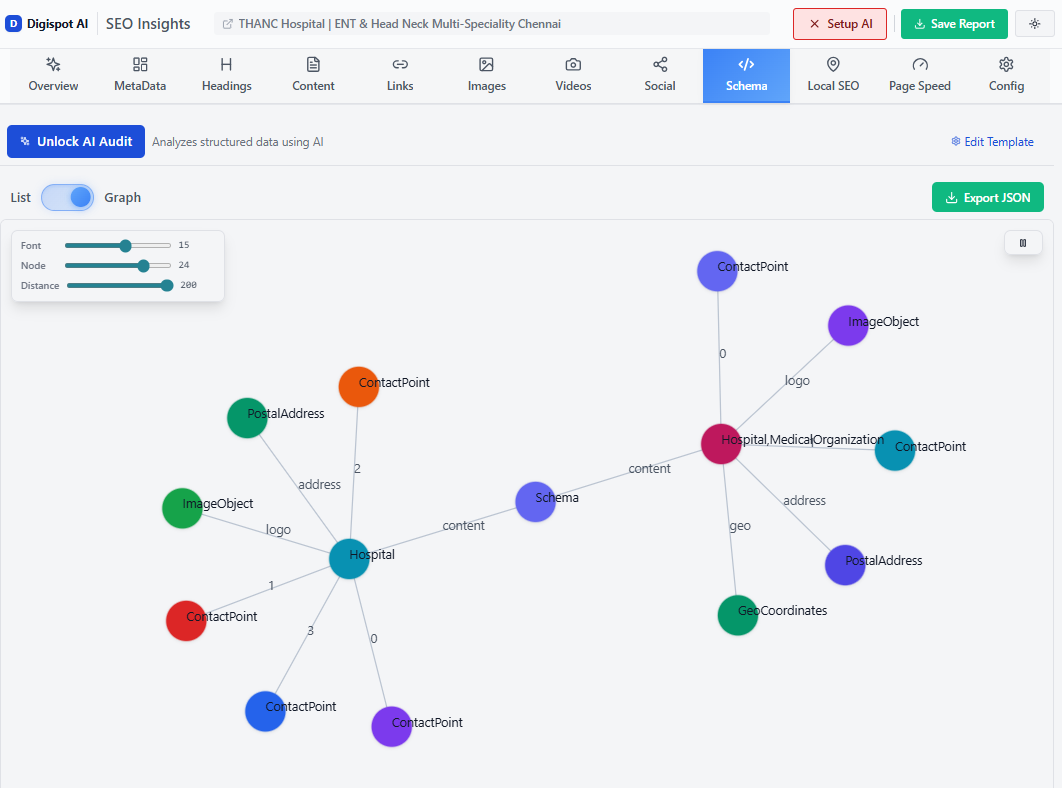
Turn invisible SEO data into clear visuals with our Free Chrome extension.
Website Structure & Performance
- Mobile-First Indexing: 76% of people who search on their smartphones for something nearby visit a business within a day. Your site must load in under 2.5 seconds on 4G networks.
- Core Web Vitals: Ensure your Cumulative Layout Shift (CLS) is near zero. Elements moving around frustrate users trying to click "Call Now."
- SSL Security: HTTPS is a trust signal. Non-secure sites are often demoted in local rankings.
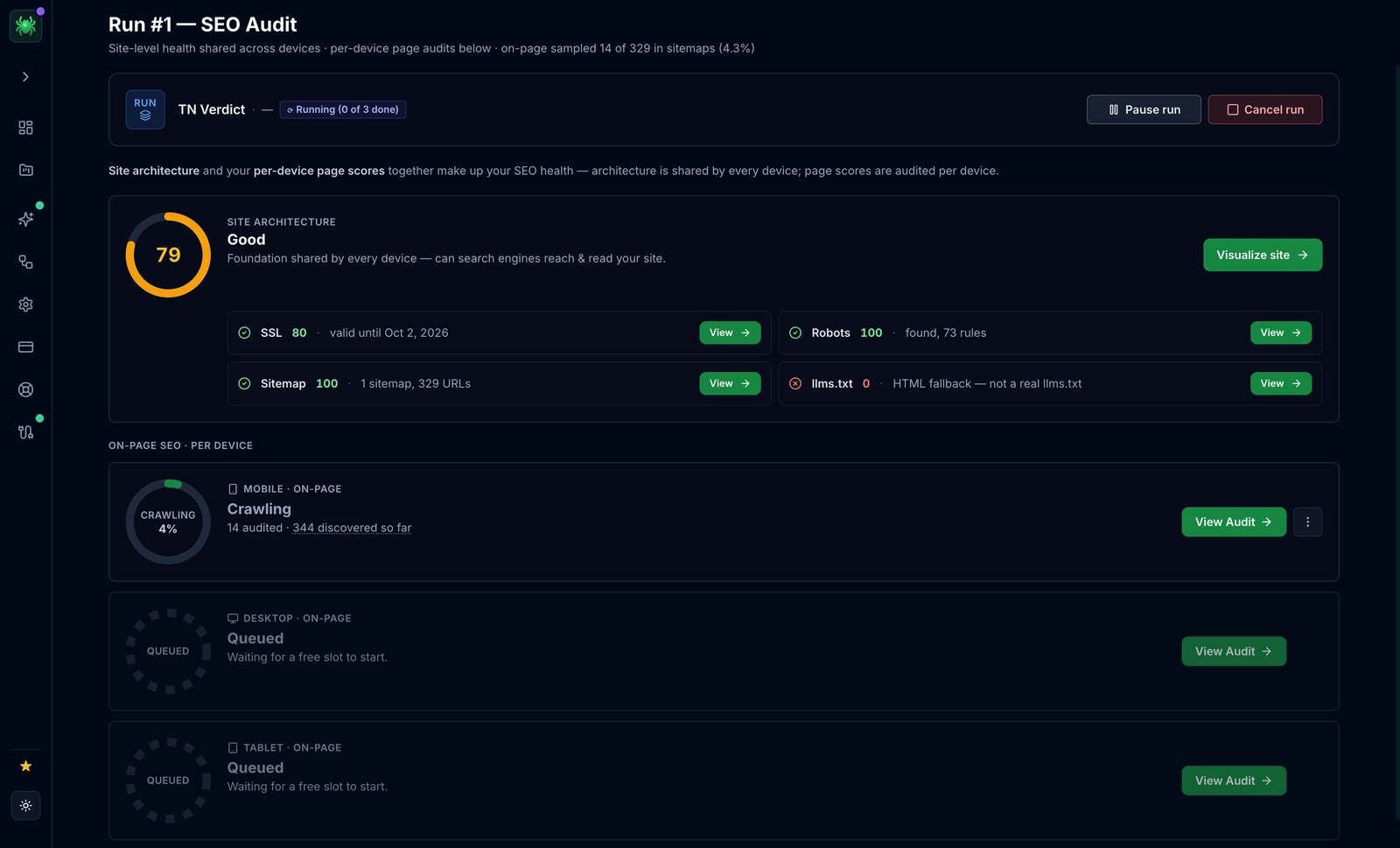
For a deeper dive into technical health, refer to our SEO audit checklist for 2026 to future-proof your technical foundation.
Phase 3: On-Page Localization
Your website needs to prove to Google that you are relevant to the geographic area you claim to serve.
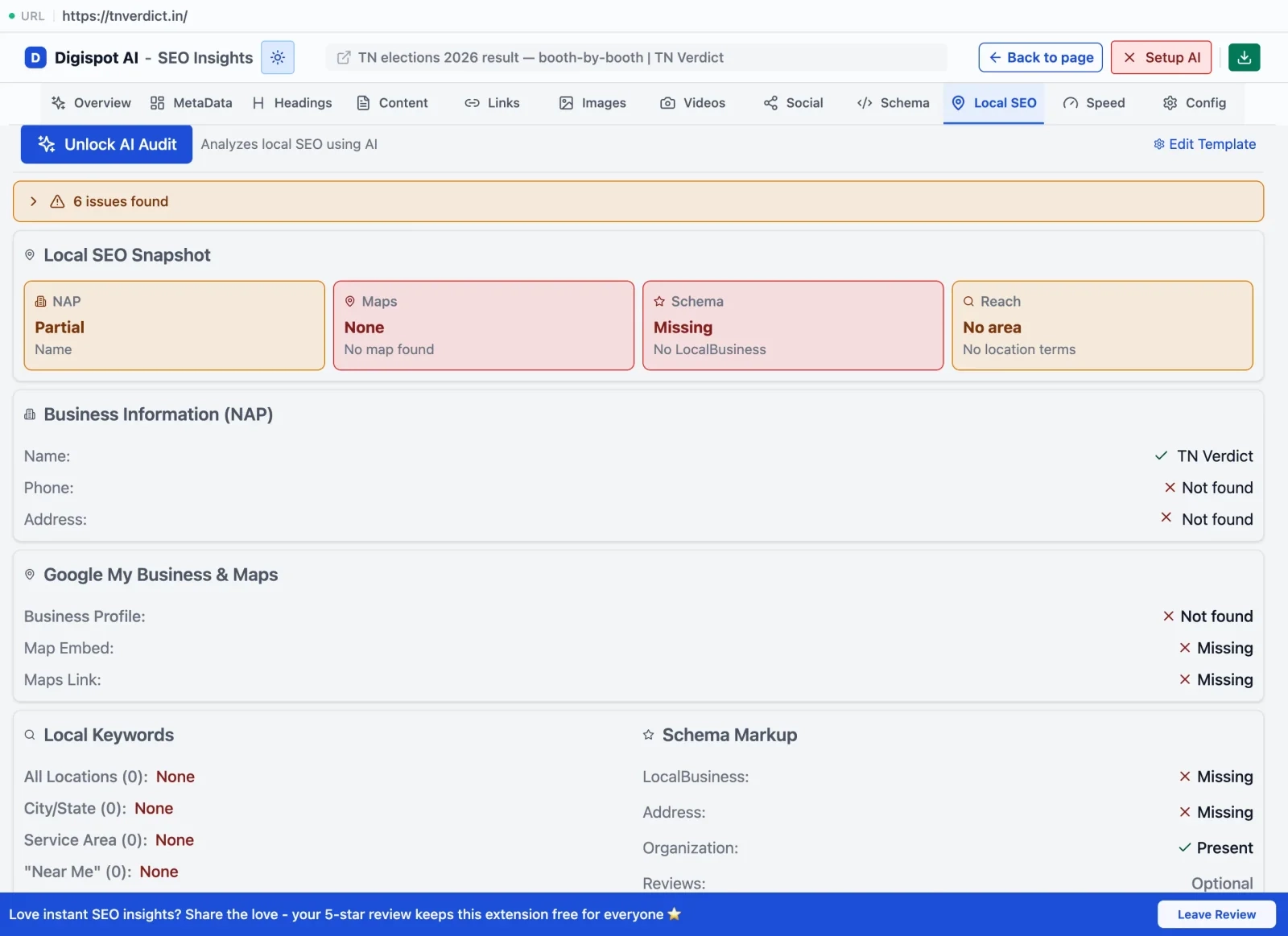
NAP Consistency
- The Golden Rule: Your Name, Address, and Phone number (NAP) must be identical on your footer, contact page, and GBP.
- Phone Numbers: Use a local area code number rather than a toll-free (800) number if possible. It signals local presence.
Location Pages
If you serve multiple cities, do not just list them in a comma-separated line in your footer. Create dedicated location pages.
Checklist for Location Pages:
- Unique URL Structure:
domain.com/locations/city-service - Custom H1: "Plumbing Services in [City] | [Brand Name]"
- Local Specifics: Mention local landmarks, neighborhoods, or nearby intersections. "Located across from City Hall."
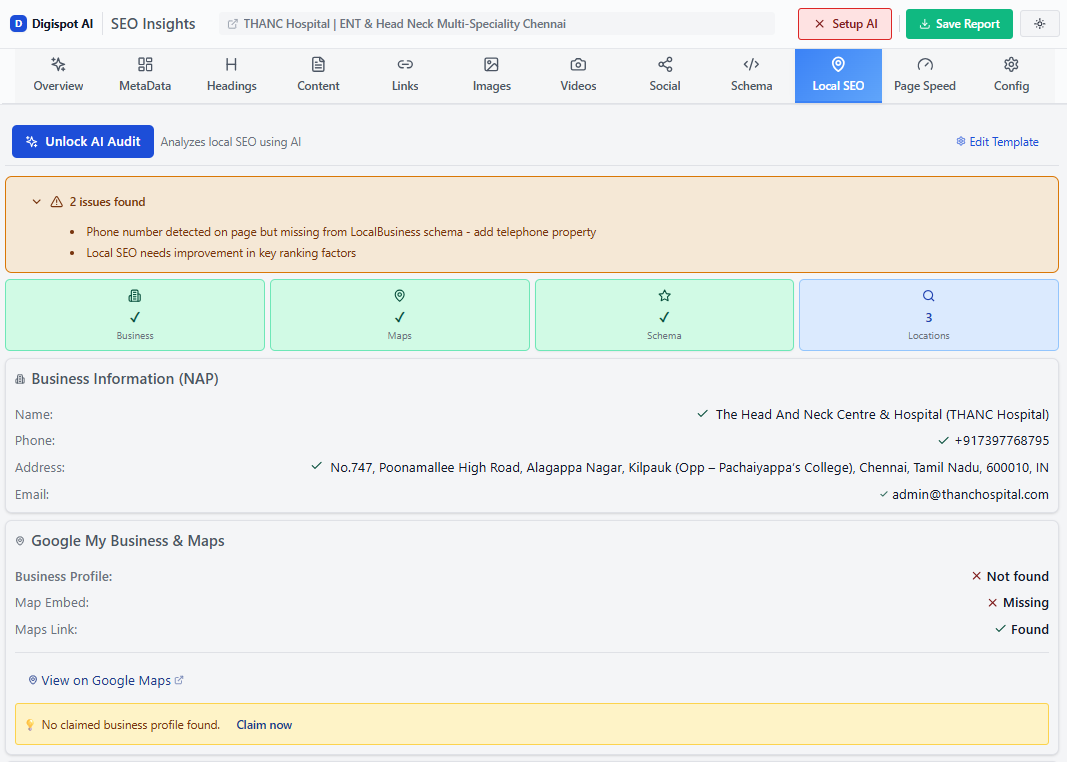
- Embedded Map: Embed the Google Map specific to that location (not just a generic city map).
- Local Proof: Display reviews and project photos specifically from that location.
Need to check if your location pages are optimized? Get instant SEO insights on any page with our free Chrome extension.
Local Keyword Optimization
- Service + Location: Optimize Title Tags and Meta Descriptions with "[Service] in [City]".
- LSI Keywords: Include neighborhood names, colloquial terms for the area (e.g., "The Tri-State Area" or "SoHo"), and zip codes naturally in the content.
- Internal Linking: Link your blog posts to your location pages. Learn more about effective internal linking strategies to distribute authority to these money pages.
Phase 4: AEO and Voice Search Optimization
As users shift to asking "Siri" or "ChatGPT" for recommendations, your content must be conversational. This is Answer Engine Optimization (AEO).
Conversational Content
- FAQ Pages: Build robust FAQ pages that answer Who, What, Where, When, and How.
- Natural Language: Write how people speak. Instead of "Acme Corp provides HVAC solutions," try "Looking for AC repair in Austin? We fix units same-day."
- Featured Snippets: Structure your content with clear H2s and bullet points to capture "Position Zero" in Google results, which often feeds voice assistants.
Brand Entity Strength
AI models rely on "entity authority." They need to know your brand is a real, trusted entity.
- About Page: Beef up your About page with history, mission, and verified author bios for your blog.
- Press: Get mentioned in local news outlets. A link from a local newspaper is a powerful signal of local relevance.
For more on establishing trust, review our E-E-A-T SEO guide to understand how Experience and Authority impact rankings.
Phase 5: Local Content Strategy
Blogging isn't dead, but generic blogging is. You cannot rank locally by writing "Why Plumbing is Important." You rank by writing local-first content.
Hyper-Local Topics
- Local Events: "Best places to see 4th of July Fireworks in [City]."
- Case Studies: "How we restored a historic Victorian home in [Neighborhood]."
- Resource Lists: "Top 10 Wedding Venues in [City]" (even if you are a photographer, this attracts your target audience).
- Local News: Comment on local regulations or news that affects your industry (e.g., "New Zoning Laws in Seattle: What Homeowners Need to Know").
This approach builds "Topical Authority" within a specific geography. See our complete local SEO guide for advanced content frameworks.
Phase 6: Citations and Reputation Management
While the weight of citations (directory listings) has decreased, they are still a foundational trust signal. Inconsistency here confuses the algorithm.
Citation Hygiene
- The Big Aggregators: Ensure your data is correct on Foursquare, Data Axle, and Neustar Localeze. These feed hundreds of smaller directories.
- Tier 1 Directories: Yelp, Bing Places, Apple Maps, YellowPages, TripAdvisor, BBB.
- Niche Directories: If you are a lawyer, be on Avvo and FindLaw. If you are in healthcare, verify your profiles on Healthgrades. Check our healthcare local SEO guide for medical-specific tactics.
- Duplicate Suppression: Use tools to find and delete duplicate listings that split your link equity.
Review Acquisition
- Diversify: Don't put all your eggs in the Google basket. Get reviews on Facebook and Yelp too.
- In-Store Signage: Use QR codes at the register or on receipts that link directly to the review form.
- Response Rate: Aim to respond to 100% of reviews, both positive and negative. This signals to Google that you are an active business.
Phase 7: Analytics and Tracking
You can't improve what you don't measure. In 2026, tracking "rankings" isn't enough because personalized search results vary wildly.
Setup GA4 for Local
- Conversion Events: Track "Click to Call," "Get Directions," and "Contact Form Submit" as key events.
- Location Reports: Use the "User > Demographic > City" report to see if traffic is actually coming from your target service area.
Google Search Console
- Performance Report: Filter queries by your city name to see how you perform for localized keywords.
- Click-Through Rate (CTR): If your impressions are high but clicks are low, your Meta Title or Description isn't compelling enough.
Try the free Meta Preview tool to visualize and optimize how your site appears in search results before you publish.
Monitoring AI Visibility
Standard rank trackers don't show you if ChatGPT recommends your business. You need tools that monitor AEO visibility. Digispot AI provides specific metrics on how your brand appears in AI-generated answers, giving you an edge over competitors who are only looking at Google.
Start Improving Your Local Rankings Today
Local SEO in 2026 is a ecosystem of signals—from the technical code on your website to the responsiveness of your customer service in reviews. By following this checklist, you are not just ticking boxes; you are building a resilient brand that can weather algorithm updates and the shift to AI search.
Don't let technical errors or inconsistent data hold your local business back.
Ready to improve your search visibility? Try Digispot AI for comprehensive website audits, automated citation checks, and actionable recommendations to dominate your local market.
Related deep-dives
Continue with these closely related guides:
- nap consistency — NAP Consistency: The Foundation of Local SEO and AEO Success
- dominate local search — Dominate Local Search: 9 Advanced Near Me SEO Optimization Strategies
References
Audit any page in seconds
300+ SEO checks including Core Web Vitals, schema markup, meta tags, and AI readiness — trusted by 1000+ SEO experts and marketers.
Frequently Asked Questions
Here are some of our most commonly asked questions. If you need more help, feel free to reach out to us.
Written by
Maya Krishnan
Digital growth expert
Maya is a seasoned expert in web development, SEO, and digital strategy, dedicated to helping businesses achieve sustainable growth online. With a blend of technical expertise and strategic insight, she specializes in creating optimized web solutions, enhancing user experiences, and driving data-driven results. A trusted voice in the industry, Maya simplifies complex digital concepts through her writing, empowering readers with actionable strategies to thrive in the ever-evolving digital landscape.