
Voice Search SEO: The Complete Optimization Guide for 2026
Master voice search optimization with strategies for conversational keywords, speakable schema, and local SEO to capture position zero and AI traffic.
 Maya Krishnan
Voice search isn't just a trend; it's a fundamental shift in how humans interact with the internet. With over 1 billion voice searches occurring every month, the days of typing "best italian restaurant nyc" are rapidly fading. Users now ask, "Hey Google, where can I get the best pasta near me right now?"
This shift demands a different approach to SEO. You aren't just optimizing for a list of blue links anymore. You are optimizing to be the single answer read aloud by a smart speaker or displayed as a direct response in an AI overview.
If your content isn't optimized for natural language and conversational intent, you are invisible to a massive segment of search traffic.
This guide covers the specific mechanics of voice search optimization. We will look at how to restructure your content, the technical requirements for speed, and the schema markup necessary to help search engines "read" your site to users.
The Mechanics of Voice vs. Text Search
To rank for voice, you must understand the intent behind the query. Text search is often "shorthand." Voice search is "conversation."
When we type, we conserve effort. We use "keywordese"—fragments like SEO tools pricing. When we speak, we use natural syntax: How much do professional SEO tools usually cost?
Key Differences at a Glance
| Feature | Text Search | Voice Search |
|---|---|---|
| Query Length | Short (1-3 words) | Long (7+ words) |
| Phrasing | Keywords ("Weather Boston") | Questions ("Is it raining in Boston?") |
| Intent | Research/Browsing | Action/Immediate Answer |
| Results | 10 Blue Links + Ads | One direct answer (Position Zero) |
Voice assistants (Siri, Alexa, Google Assistant) rely heavily on Featured Snippets (Position Zero). If you don't rank in the featured snippet, the voice assistant likely won't read your content. This makes zero-click searches a critical concept; you provide the value immediately, often without the user ever visiting your URL.
1. Conversational Keyword Strategy
Traditional keyword research focuses on search volume and short-tail terms. Voice search strategy focuses on questions and semantic context.
Target "Question Keywords"
Voice queries overwhelmingly start with the "5 Ws and H": Who, What, Where, When, Why, and How.
Instead of targeting "link building," target:
- "How do I start link building for a new site?"
- "Why is link building important for SEO?"
- "What are the safest link building strategies?"
Action Step: Use tools like AnswerThePublic or the "People Also Ask" section in Google SERPs to identify the exact questions users are asking about your core topics.
Focus on Long-Tail Intent
Long-tail keywords are less competitive and have higher conversion rates. In voice search, these often manifest as hyper-specific queries.
- Text: "Vegan shoes"
- Voice: "Where can I buy waterproof vegan hiking boots near me?"
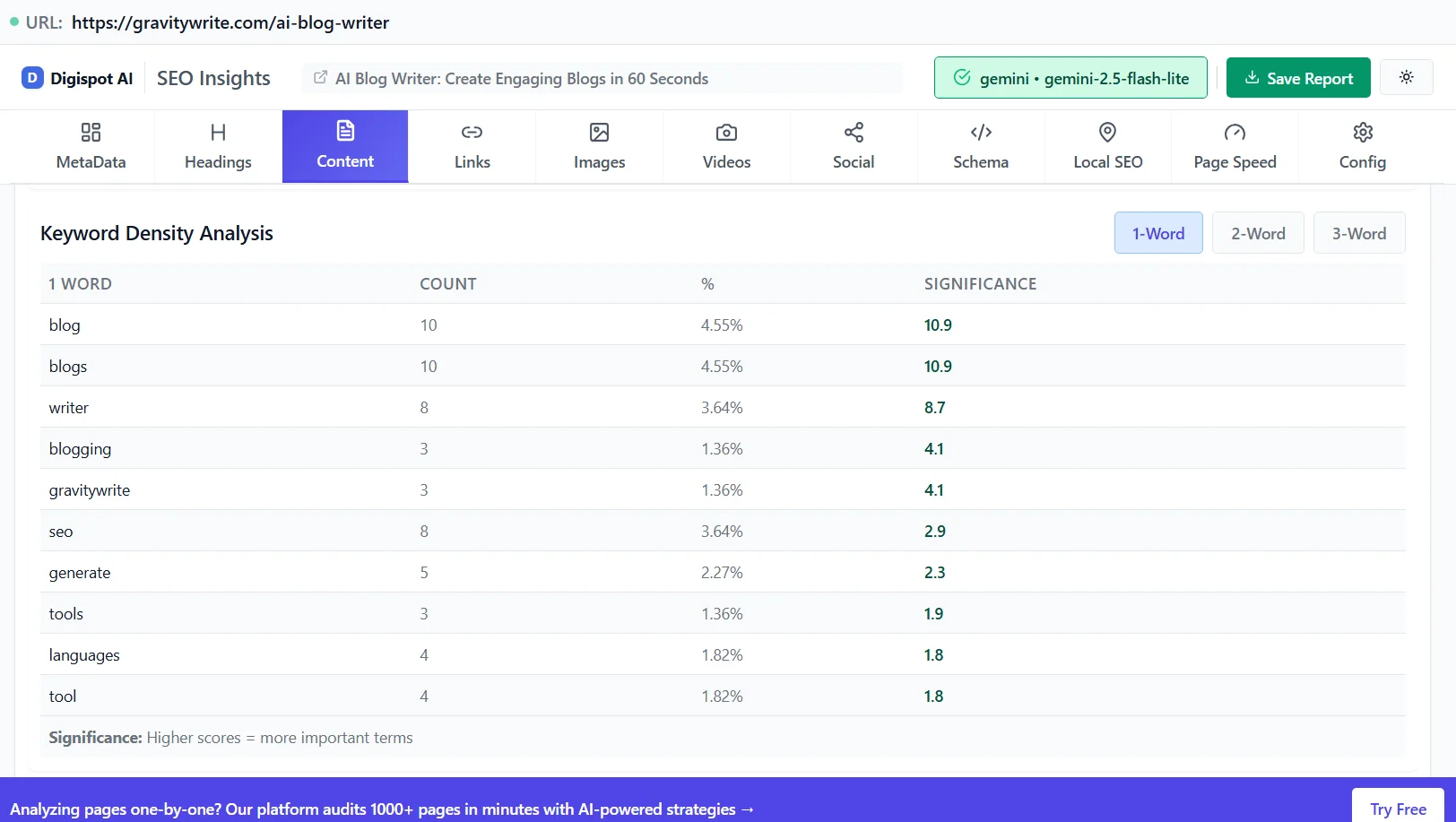
By creating content that addresses these specific scenarios, you capture highly motivated traffic. Digispot AI can help you identify and fix content gaps where you are missing these long-tail opportunities through our AI-powered content analysis.
2. Optimizing Content for the "Ear"
Writing for voice requires a shift in style. The content must sound natural when read aloud. If your sentences are convoluted or filled with jargon, voice assistants will struggle to parse them, and users will struggle to understand them.
The Inverted Pyramid Method
Journalists use this structure, and it is perfect for voice search.
- The Answer: State the direct answer to the question immediately (first 40-60 words).
- The Details: Provide supporting arguments, data, and context.
- The Examples: Give case studies or background information.
Google's algorithms look for concise, direct paragraphs to pull for featured snippets.
Write Conversationally
Adopt a tone that mirrors how your audience speaks.
- Avoid: "Utilize the aforementioned strategies to facilitate growth."
- Use: "Use these strategies to grow your business."
Keep your average sentence length under 20 words. Short sentences are easier for text-to-speech engines to process without errors.
Use Structured Formatting
Break your content down with clear headers (H2s and H3s). Voice assistants use these headers to understand the hierarchy of the page. If a user asks a specific question covered in an H3, Google can "jump" to that section to extract the answer.
For a deeper dive into structuring content for user needs, review our guide on search intent optimization.
3. Technical SEO: Speed and Mobile
Technical performance is the gatekeeper of voice search. Most voice searches happen on mobile devices on the go (4G/5G networks). If your site is slow, Google will not select it as the answer, regardless of content quality.
Core Web Vitals
Google specifically measures:
- LCP (Largest Contentful Paint): How fast the main content loads.
- FID (First Input Delay): How fast the page reacts to clicks.
- CLS (Cumulative Layout Shift): Visual stability.
Aim for an LCP of under 2.5 seconds. Speed is a primary ranking factor for mobile searches.
Quick Audit: Get instant SEO insights on any page, including Core Web Vitals performance, with our free Chrome extension.
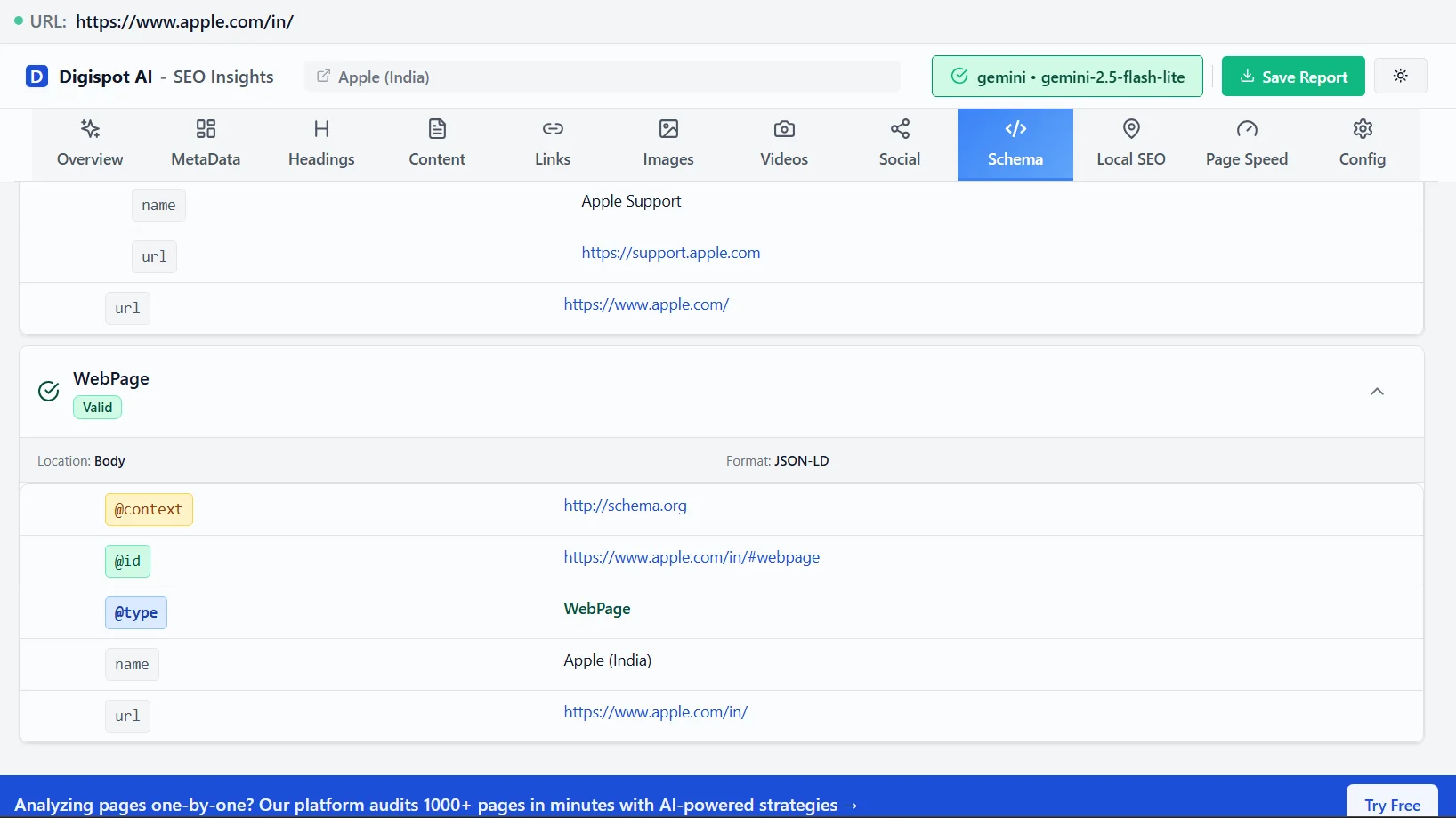
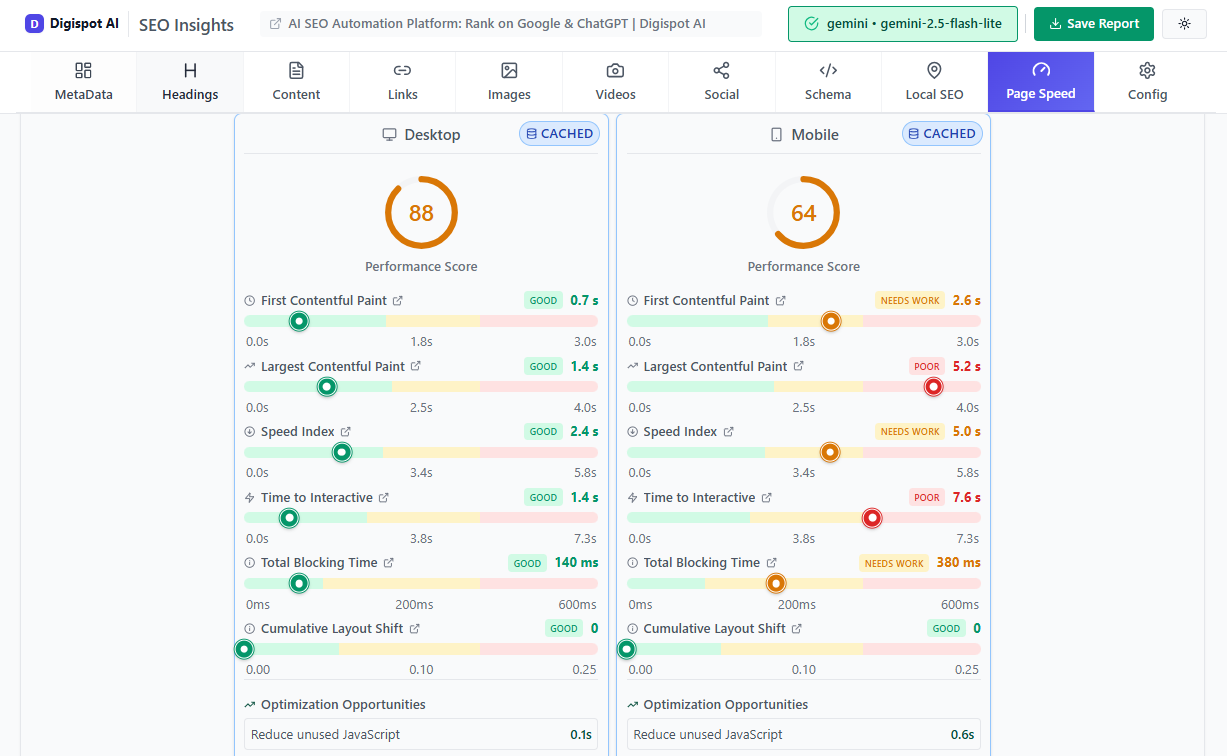
Turn invisible SEO data into clear visuals with our Free Chrome extension.
Mobile-First Indexing
Google predominantly uses the mobile version of the content for indexing and ranking. Ensure your site is responsive. Buttons should be tappable, text readable without zooming, and navigation accessible.
Learn more about the technical side of speed in our Core Web Vitals SEO guide.
HTTPS Security
Google Home and other smart speakers are hesitant to source answers from non-secure (HTTP) sites. Ensure your SSL certificate is valid and active on every page.
4. Schema Markup: The Language of Machines
Structured data (Schema) is non-negotiable for voice search. It explicitly tells search engines what your content means, making it easier for them to extract answers.
FAQ Schema
This is the most powerful markup for voice search. By wrapping your questions and answers in FAQPage schema, you explicitly feed the question-answer pairs to Google.
Example structure:
{
  "@context": "https://schema.org",
  "@type": "FAQPage",
  "mainEntity": [{
    "@type": "Question",
    "name": "How do I optimize for voice search?",
    "acceptedAnswer": {
      "@type": "Answer",
      "text": "Optimize for voice search by using conversational long-tail keywords, improving page speed, and adding schema markup."
    }
  }]
}
Speakable Schema
The Speakable property allows you to identify sections of an article that are best suited for audio playback using text-to-speech (TTS). Originally designed for news, its application is expanding. It guides the Assistant to the most relevant snippet of text.
How to Implement
You don't need to be a coder. Use the free Schema Markup Generator to create valid structured data for FAQs, Articles, and Local Business types in minutes.
For a comprehensive walkthrough, read our advanced schema markup guide.
5. Local SEO: The "Near Me" Factor
Voice search has massive local intent. Users are frequently driving or walking when they ask, "Where is the nearest coffee shop?" or "Is there a hardware store open now?"
Google Business Profile Optimization
Your Google Business Profile (GBP) is often the only source a voice assistant checks for local queries.
- NAP Consistency: Name, Address, Phone number must be identical across the web.
- Categories: Be specific (e.g., "Pizza Restaurant" vs. just "Restaurant").
- Hours: Keep them updated. Voice assistants hate sending users to closed businesses.
Local Content
Create content relevant to your specific geography. Mention landmarks, neighborhoods, and local events. This helps reinforce your relevance for geo-specific voice queries.
Read more on dominating local search results in our Local SEO Complete Guide.
6. From Voice Search to AEO (Answer Engine Optimization)
Voice search was the precursor to the current AI revolution. Today, we aren't just optimizing for Google Assistant; we are optimizing for AI models like ChatGPT, Claude, and Google's AI Overviews (SGE).
This evolution is called Answer Engine Optimization (AEO) — our complete AEO guide covers the full playbook.
How AEO Works
AI engines process content similarly to voice assistants but with deeper semantic understanding. They synthesize information from multiple sources to create a coherent answer.
To win in AEO:
- Authority: AI favors high-trust sources (high E-E-A-T).
- Clarity: Direct facts are easier for LLMs to process than opinionated fluff.
- Structure: Well-organized data (tables, lists) is ingested more accurately.
Digispot AI specializes in this new frontier. Our platform analyzes your visibility not just on traditional SERPs, but across AI platforms.
Practical Audit Checklist
How do you know if your site is ready for voice search? Run through this checklist:
- Speed Test: Does the site load in under 2 seconds on 4G?
- Mobile Friendly: Is the text size legible without zooming?
- HTTPS: Is the site secure?
- Keyword Check: Do you have content targeting "Who/What/Where/How" questions?
- Schema Validation: Is FAQ schema implemented and valid?
- Local Check: Is your Google Business Profile 100% complete?
If you find gaps in this list, try the free On-Page SEO Analysis tool to audit any URL instantly and get prioritized recommendations.
Start Improving Your Voice Visibility Today
Voice search optimization isn't a separate channel—it is the standard for modern, user-centric SEO. By focusing on natural language, technical speed, and structured data, you prepare your website for the future of search, whether that search is typed, spoken, or generated by AI.
The shift to conversational search is an opportunity to outrank competitors who are still stuck stuffing keywords into meta tags.
Ready to improve your search visibility across Google and AI platforms? Try Digispot AI for comprehensive website audits and actionable recommendations that bridge the gap between traditional SEO and the future of AEO.
Related deep-dives
Continue with these closely related guides:
- to get indexed — How to Get Indexed in Microsoft Copilot: The 2026 AEO Guide
- iot seo — IoT SEO: Connected Technology Optimization
- tiktok social search seo — TikTok Social Search SEO: Master the New Search Engine Algorithm
- to rank — How to Rank in ChatGPT Search: The Complete AEO Guide
- seo for news websites — SEO for News Websites - Dominate Online Journalism
- google ai overviews optimization — Google AI Overviews Optimization: The Definitive Strategy for 2026
References
Audit any page in seconds
300+ SEO checks including Core Web Vitals, schema markup, meta tags, and AI readiness — trusted by 1000+ SEO experts and marketers.
Frequently Asked Questions
Here are some of our most commonly asked questions. If you need more help, feel free to reach out to us.
Written by
Maya Krishnan
Digital growth expert
Maya is a seasoned expert in web development, SEO, and digital strategy, dedicated to helping businesses achieve sustainable growth online. With a blend of technical expertise and strategic insight, she specializes in creating optimized web solutions, enhancing user experiences, and driving data-driven results. A trusted voice in the industry, Maya simplifies complex digital concepts through her writing, empowering readers with actionable strategies to thrive in the ever-evolving digital landscape.